


Moscow's destiny has been influenced by a number of outstanding, decisive, and sometimes controversial figures who have left a significant mark on its history. Sergei Kuznetsov, Moscow's chief architect, and Dmitry Likin, one of the co-founders of the renowned architectural firm Wowhaus and the chief artist of Channel One, shared their thoughts on this matter.
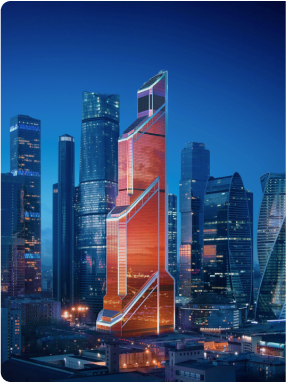
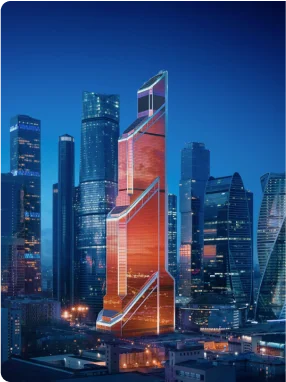
According to S. Kuznetsov, the figure of Lazar Kaganovich deserves special attention. It was he who, in 1935, accomplished what was practically impossible at the time—creating a project to transform a large village with coal heating into a major city. He should also be commended for his enormous contribution to the creation of the Metro and the organization of the capital's engineering infrastructure. The chief architect also noted the historical figure of Nikita Khrushchev. Many believe his influence on Moscow's architecture was devastating. However, according to S. Kuznetsov, his role in the life of the city is not so clear-cut. In his speech, he particularly highlighted the projects of the Yuri Luzhkov period, particularly the construction of Moscow City . However, the Moscow International Business Center was 60-70% completed under the current government.
In turn, D. Likin noted that those shaping a modern metropolis must clearly understand their actions and not forget about the city's residents. For him, a city's creator is someone who assumes the full weight of responsibility at the right moment. D. Likin admires Maxim Geppener, a Russian architect of German descent. He finds the creators of the Greater Moscow General Plan (1924) striking. They were faced with the pressing question of what would happen to the capital when its population reached 6-8 million. He is also struck by Nikita Khrushchev, who managed to break away from the principles in effect at the time and replace vertical ideology with horizontal. Before him, Moscow was a shining example of ideological constructivism, but under Khrushchev, the idea of humanism was realized, literally embodying the idea of "happiness in life."
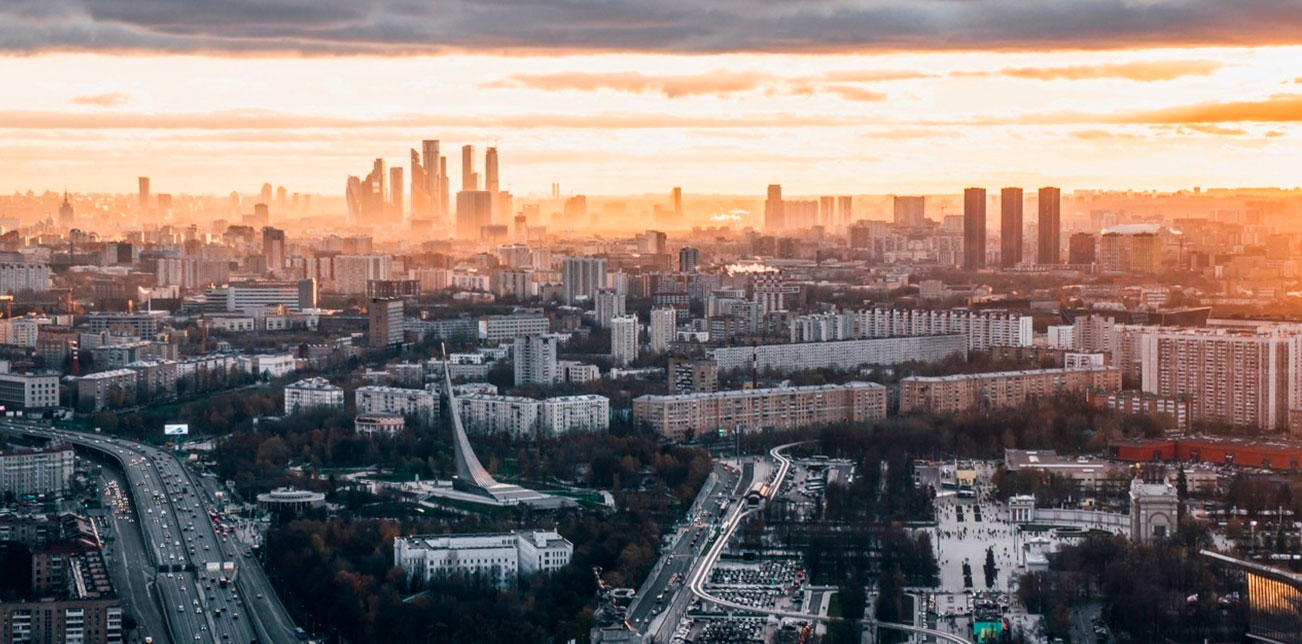
Both architects fully agreed that modern Moscow has become a vibrant, developing city where the needs and desires of its residents are not ignored. They believe the capital is rapidly changing, and these changes are natural. S. Kuznetsov also noted that the city's expansion is currently proceeding at a sufficient level, and it is important to develop new territories.