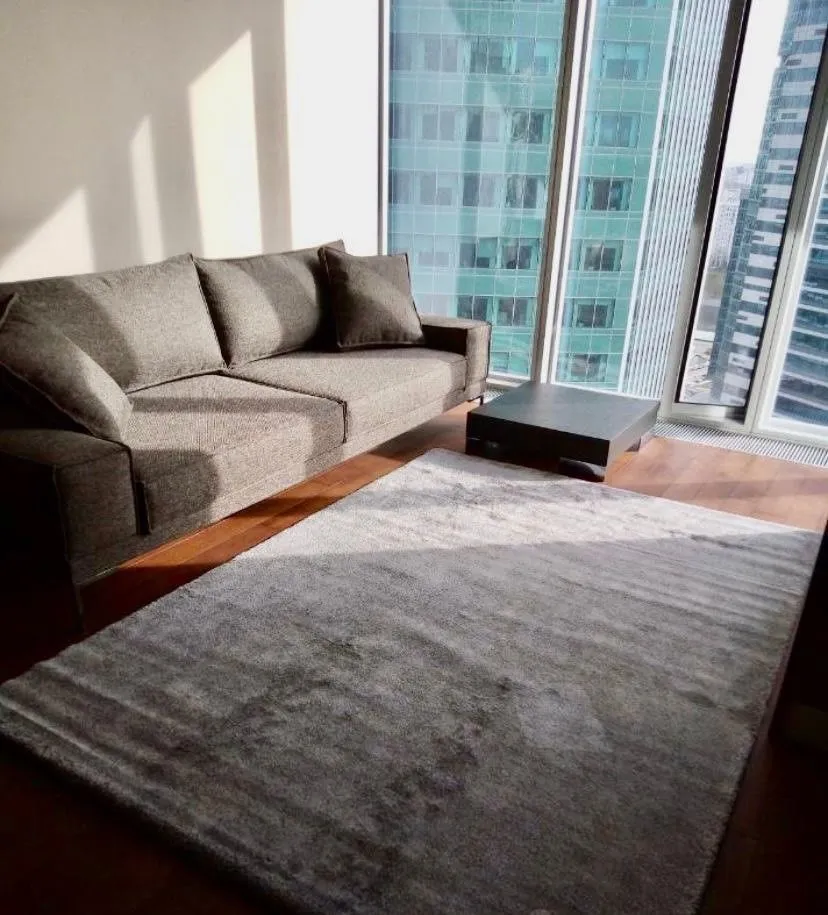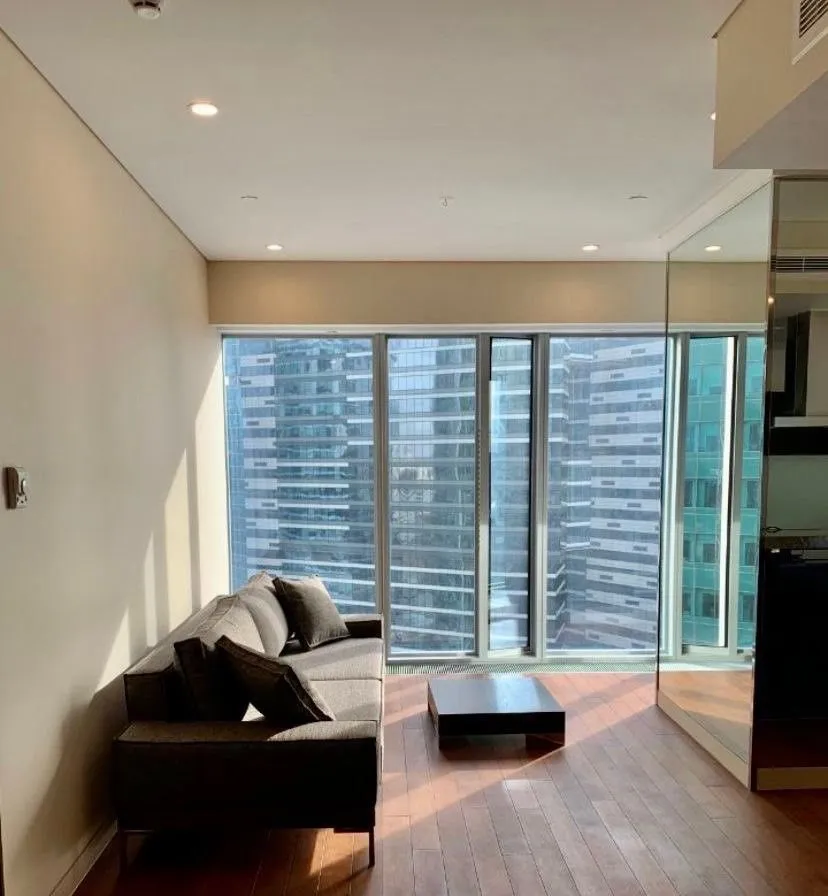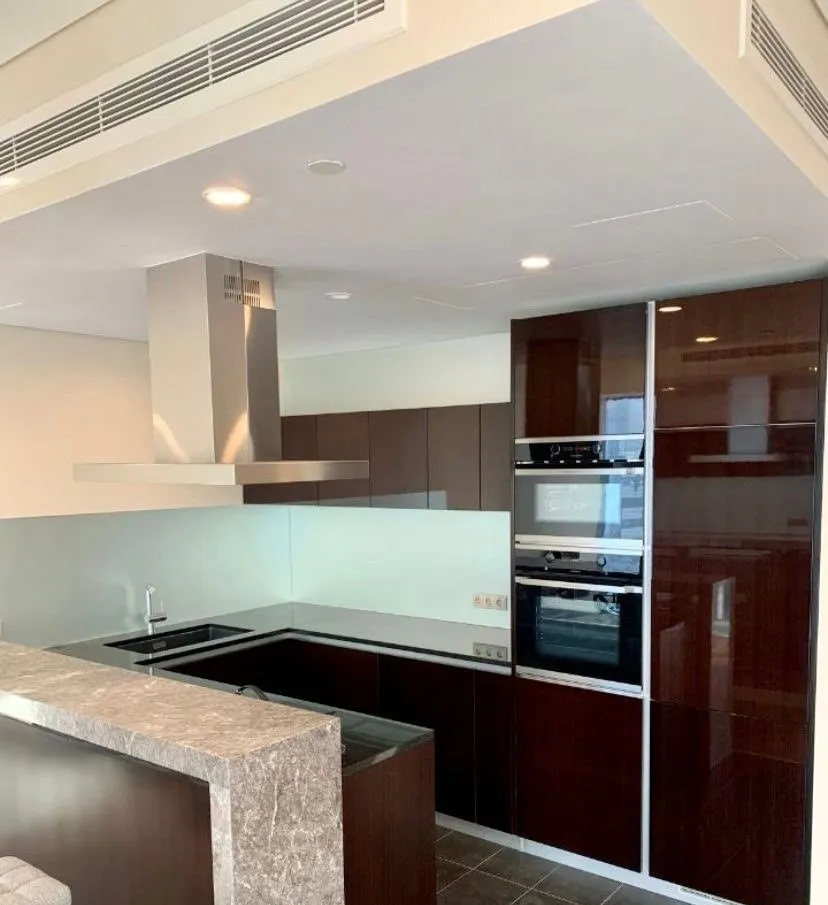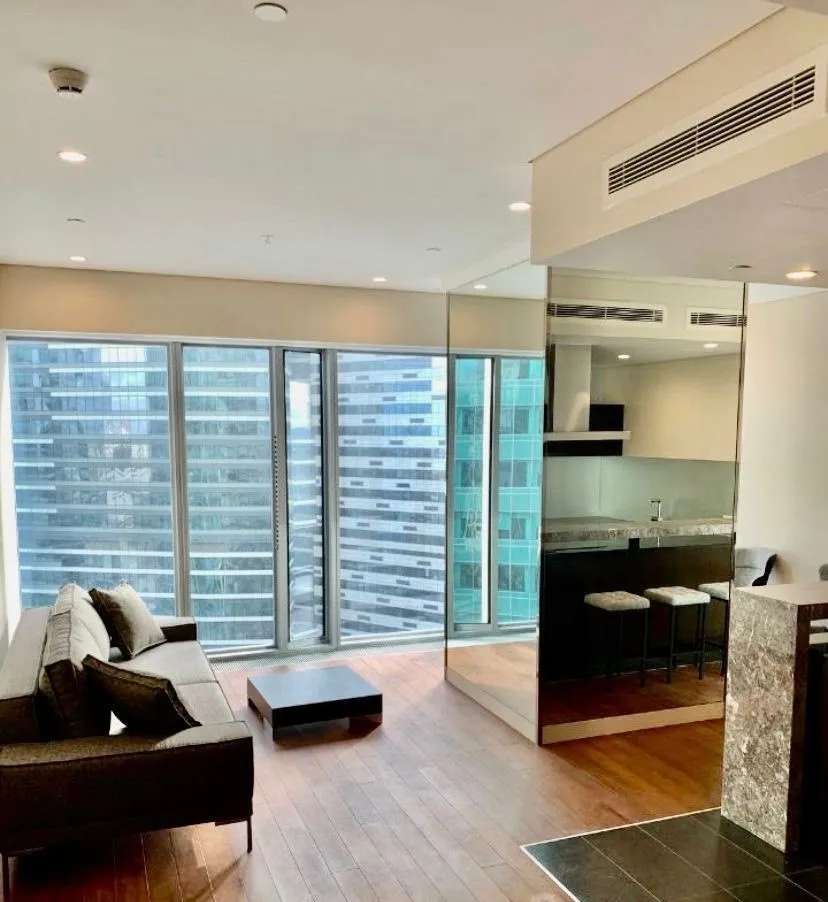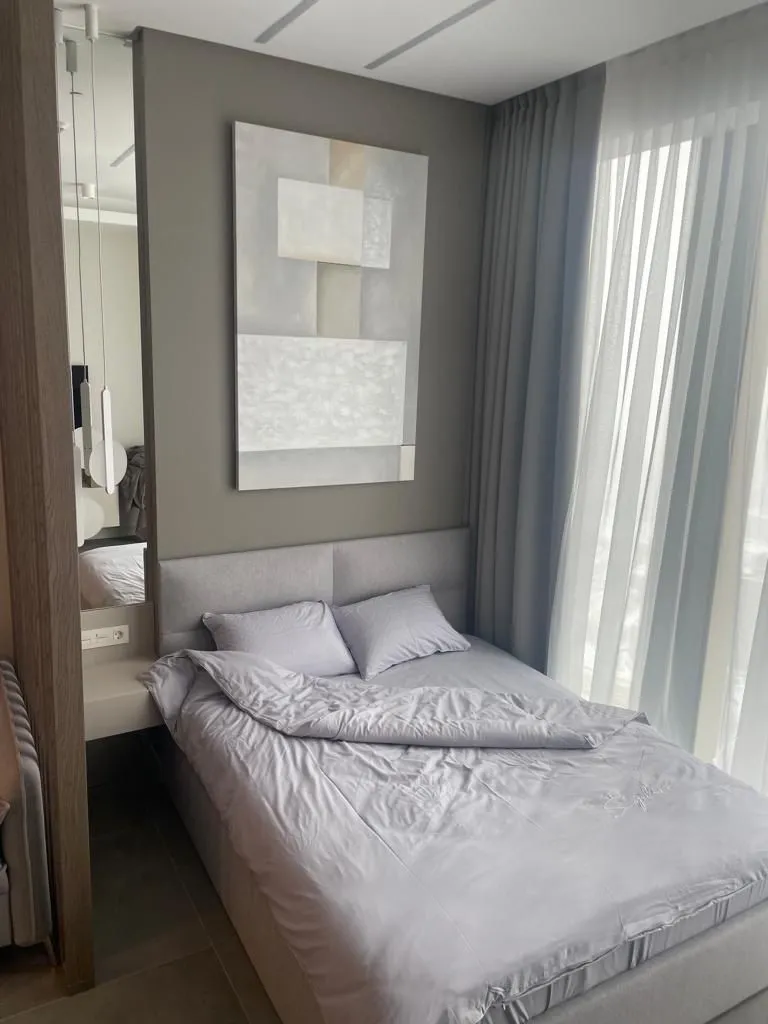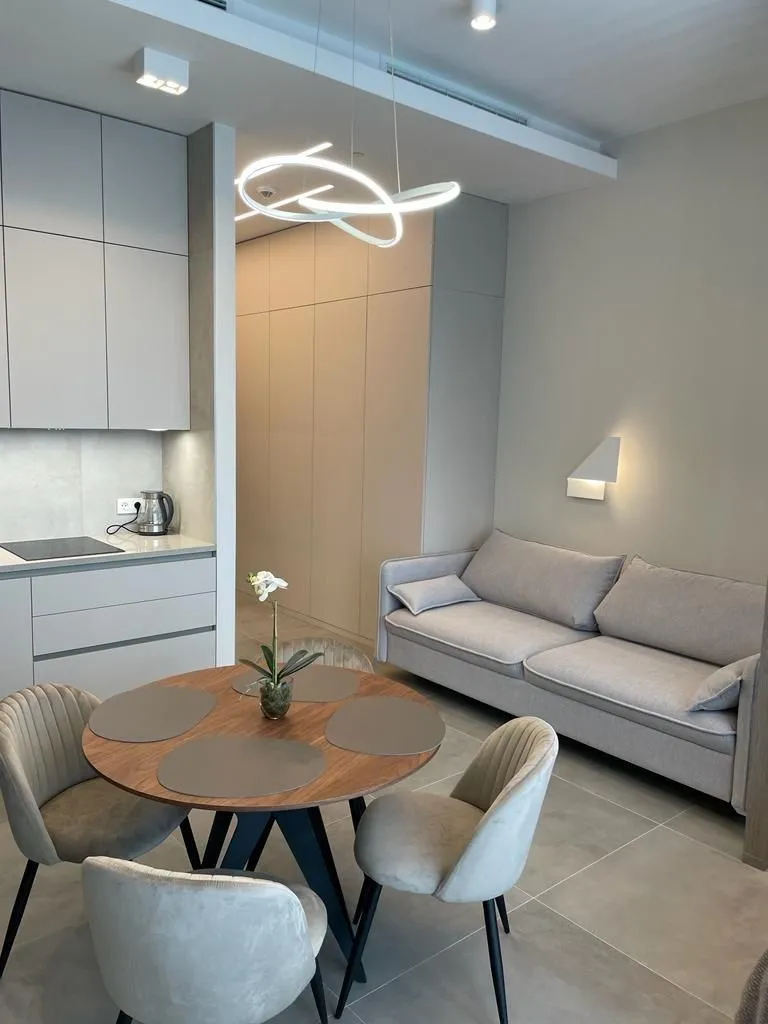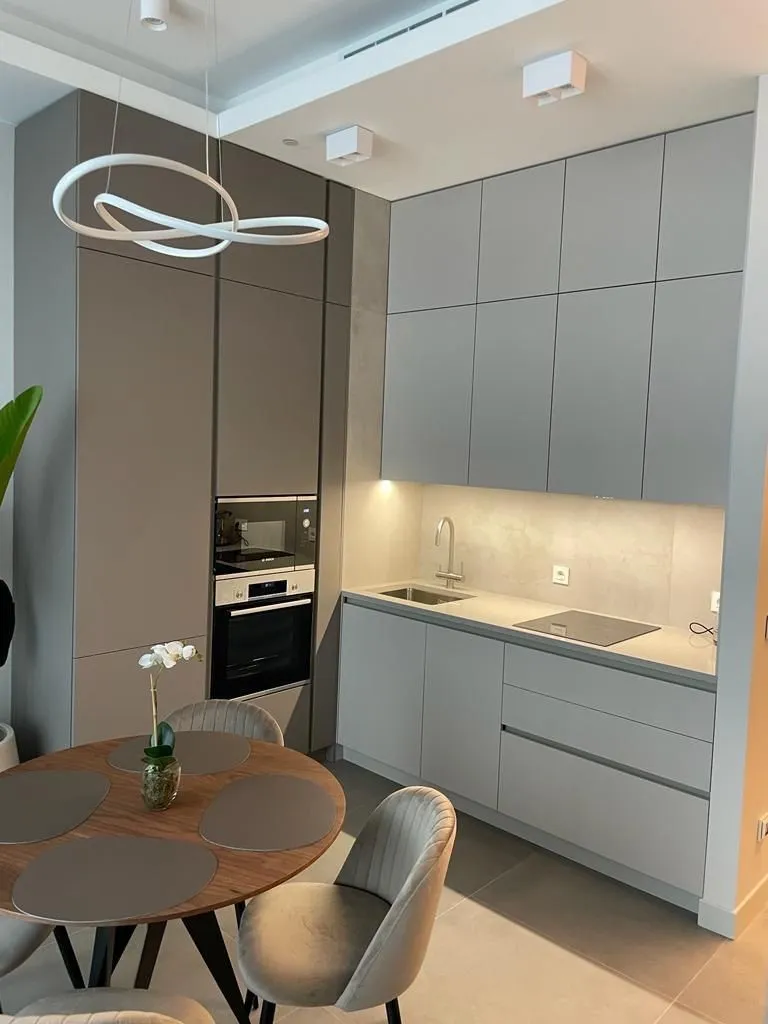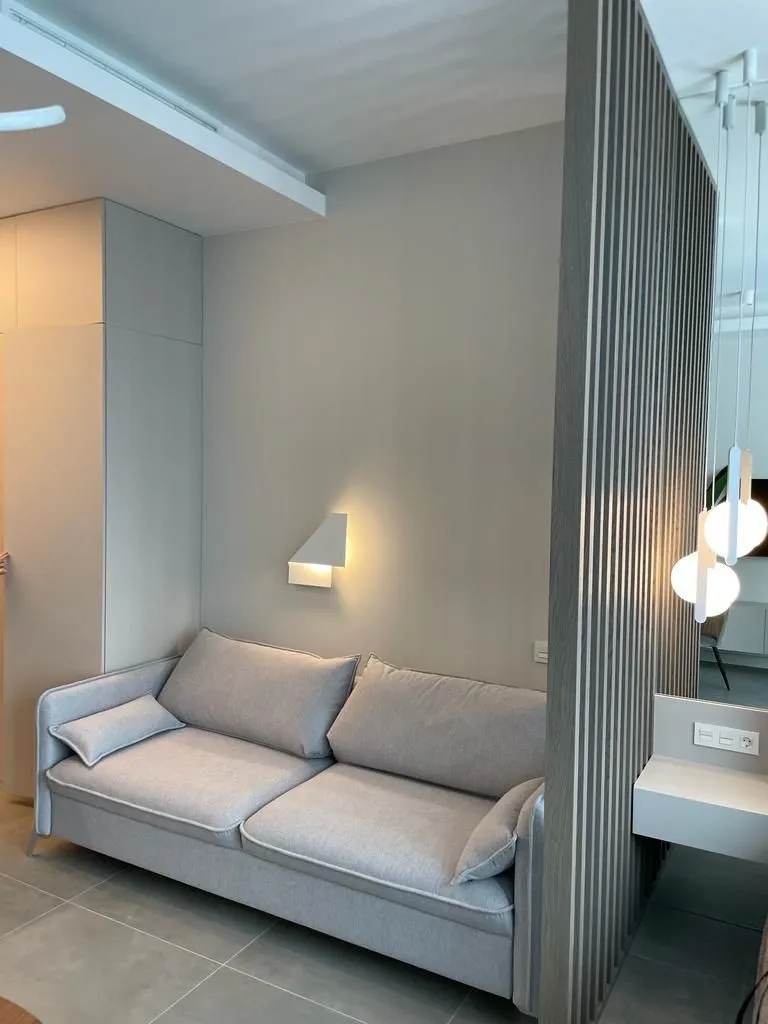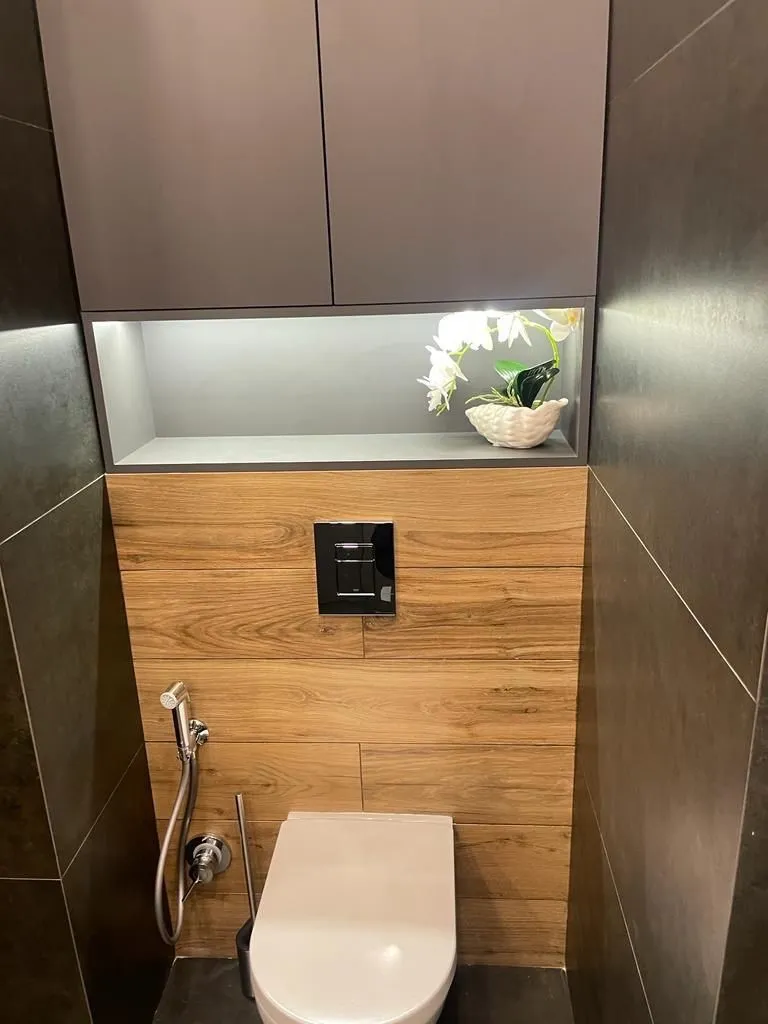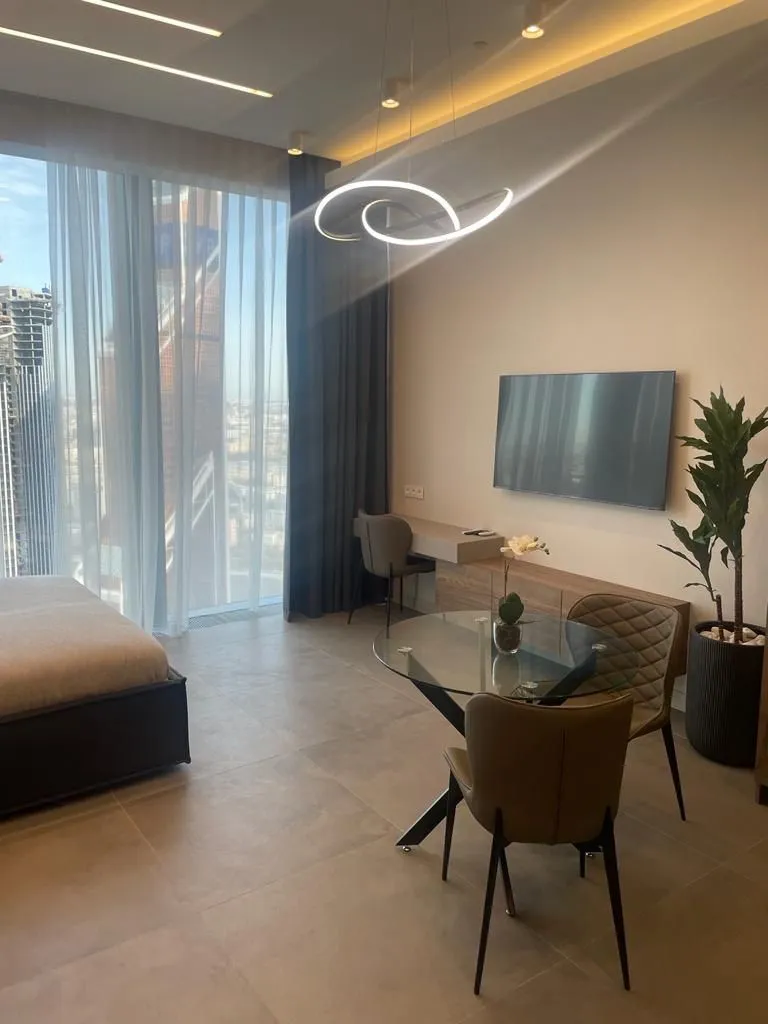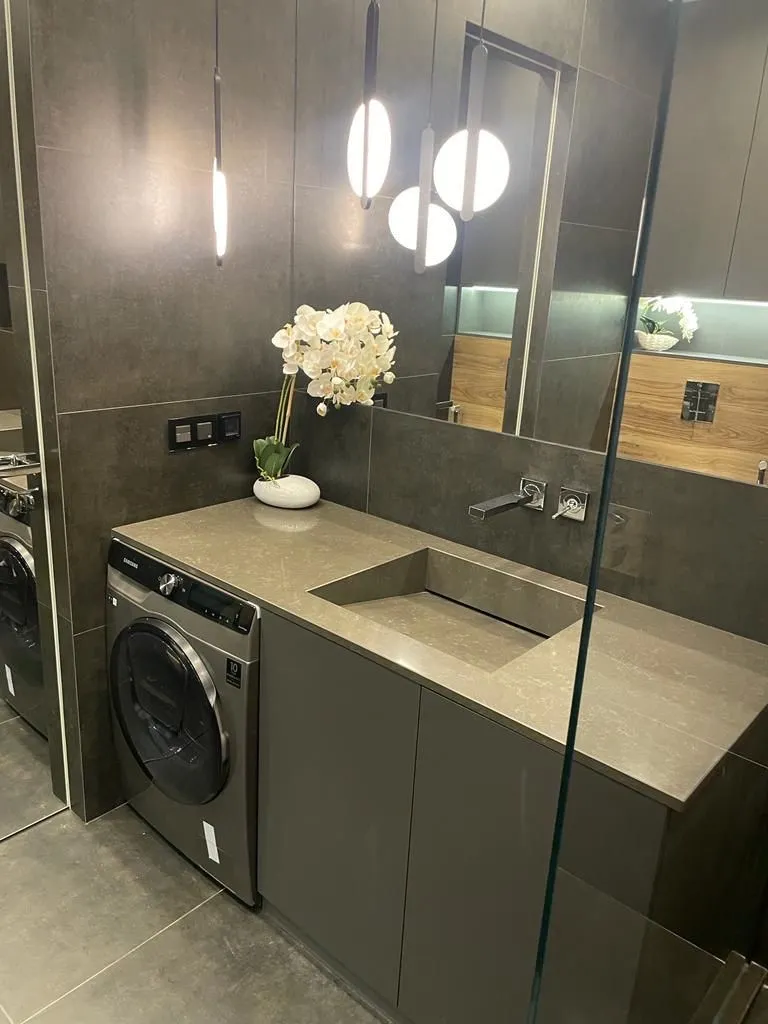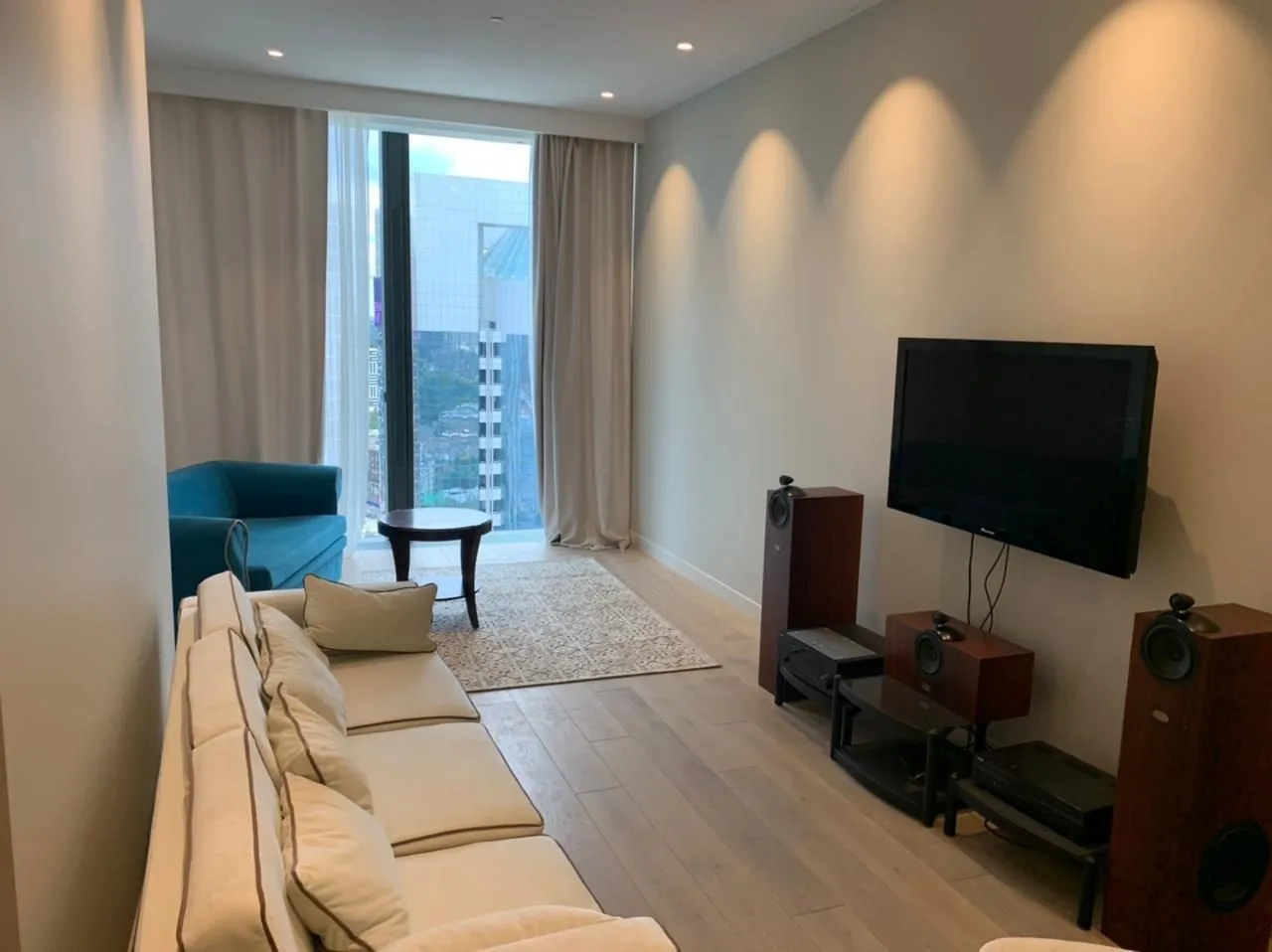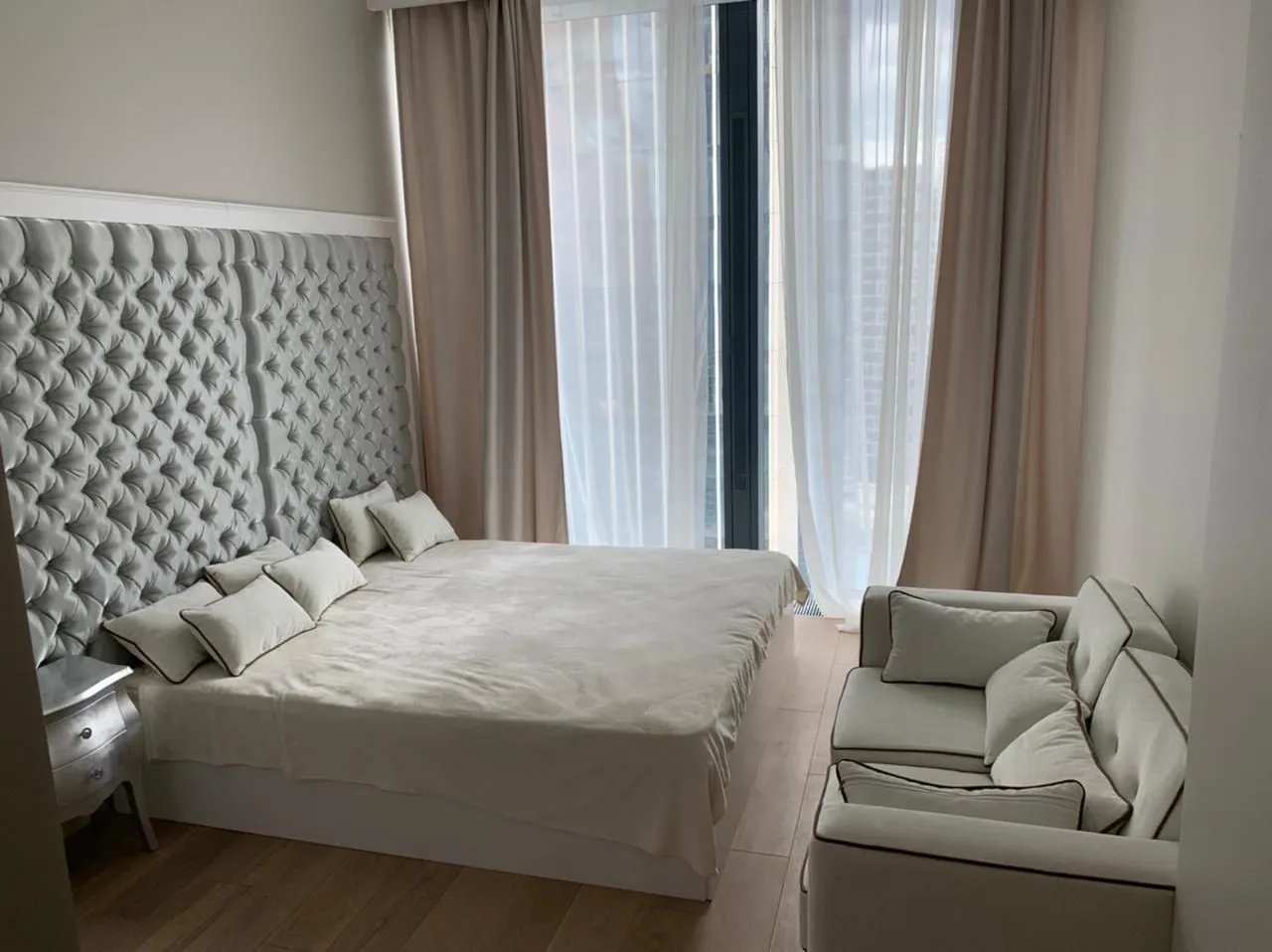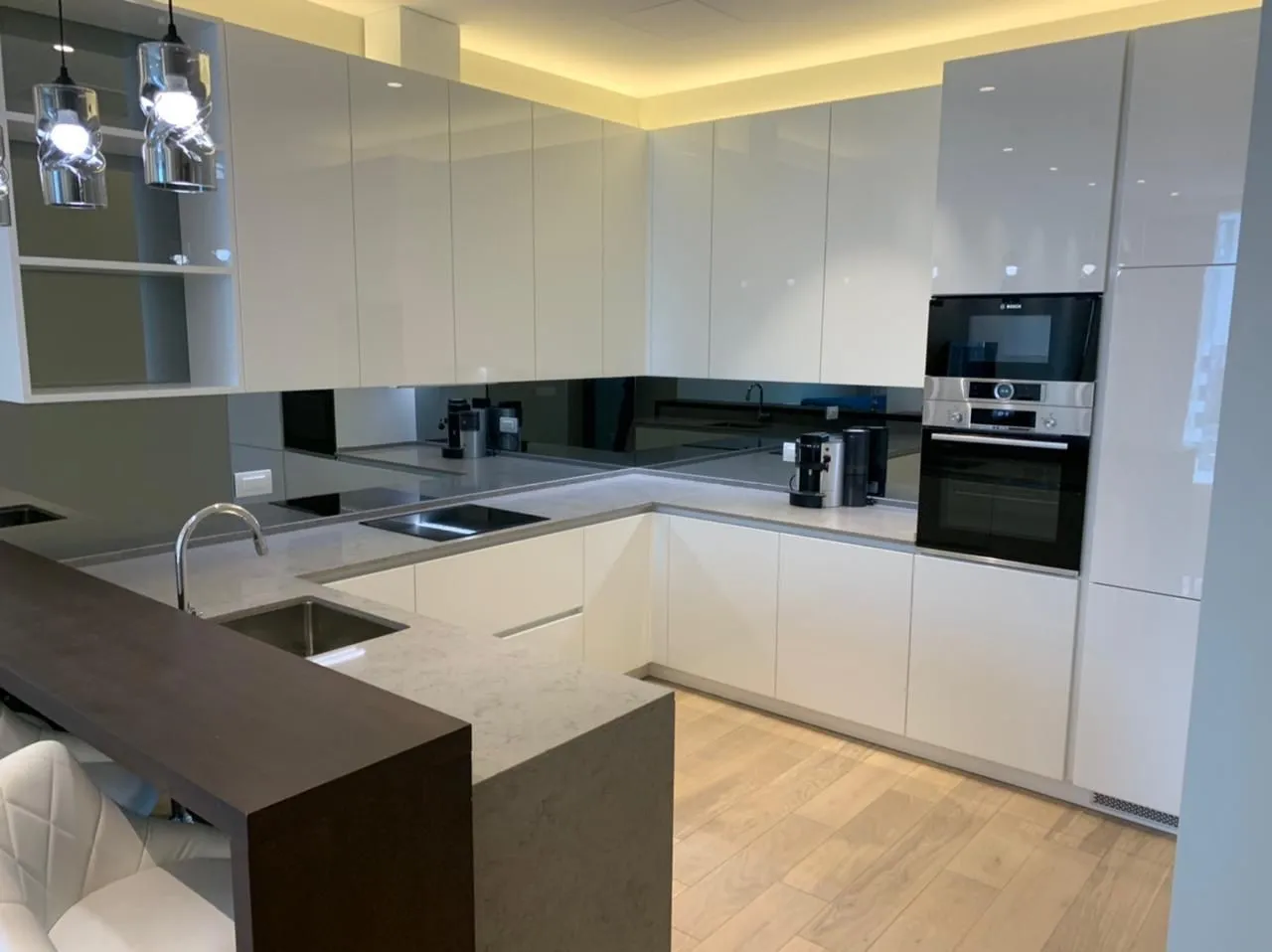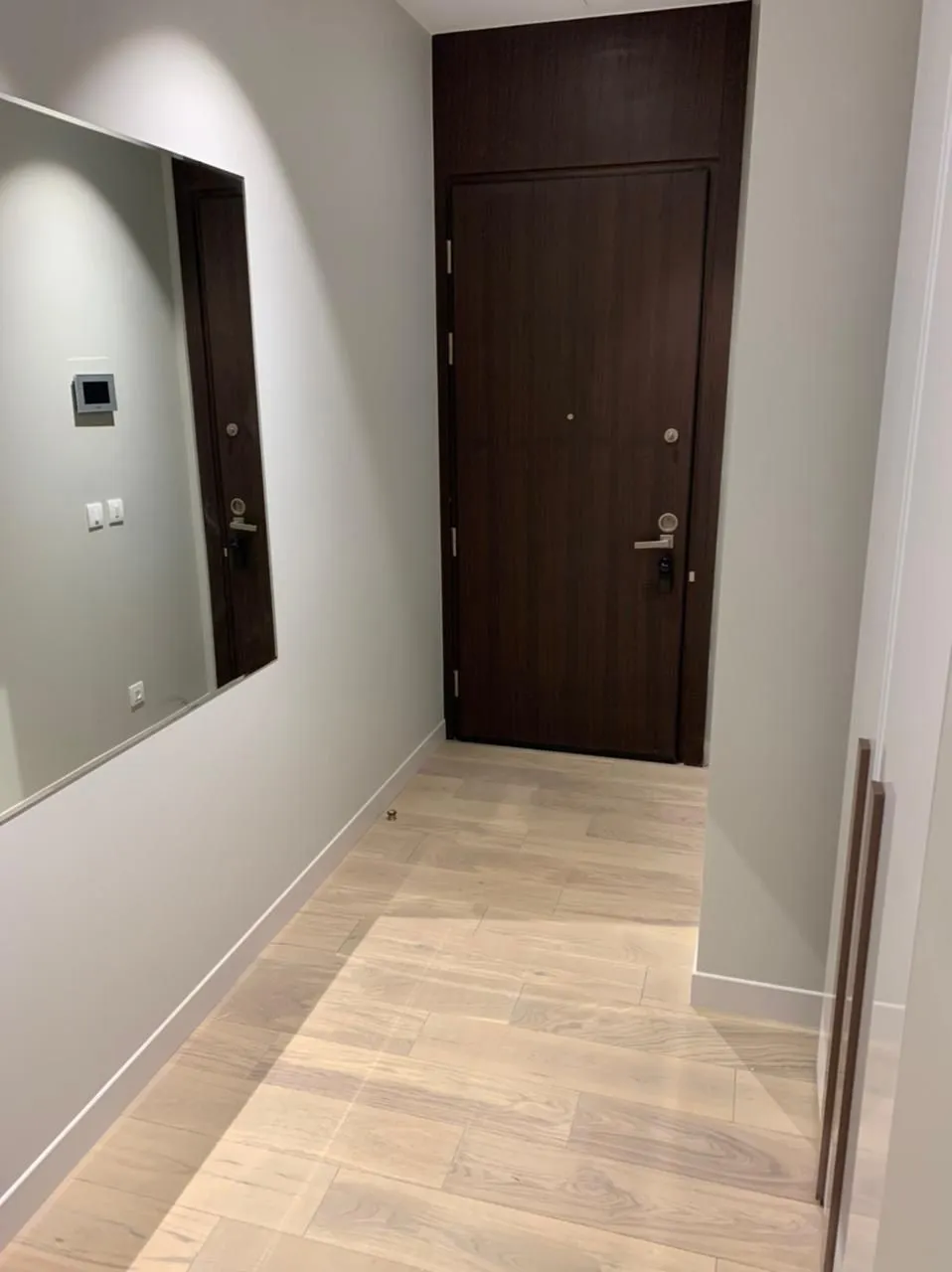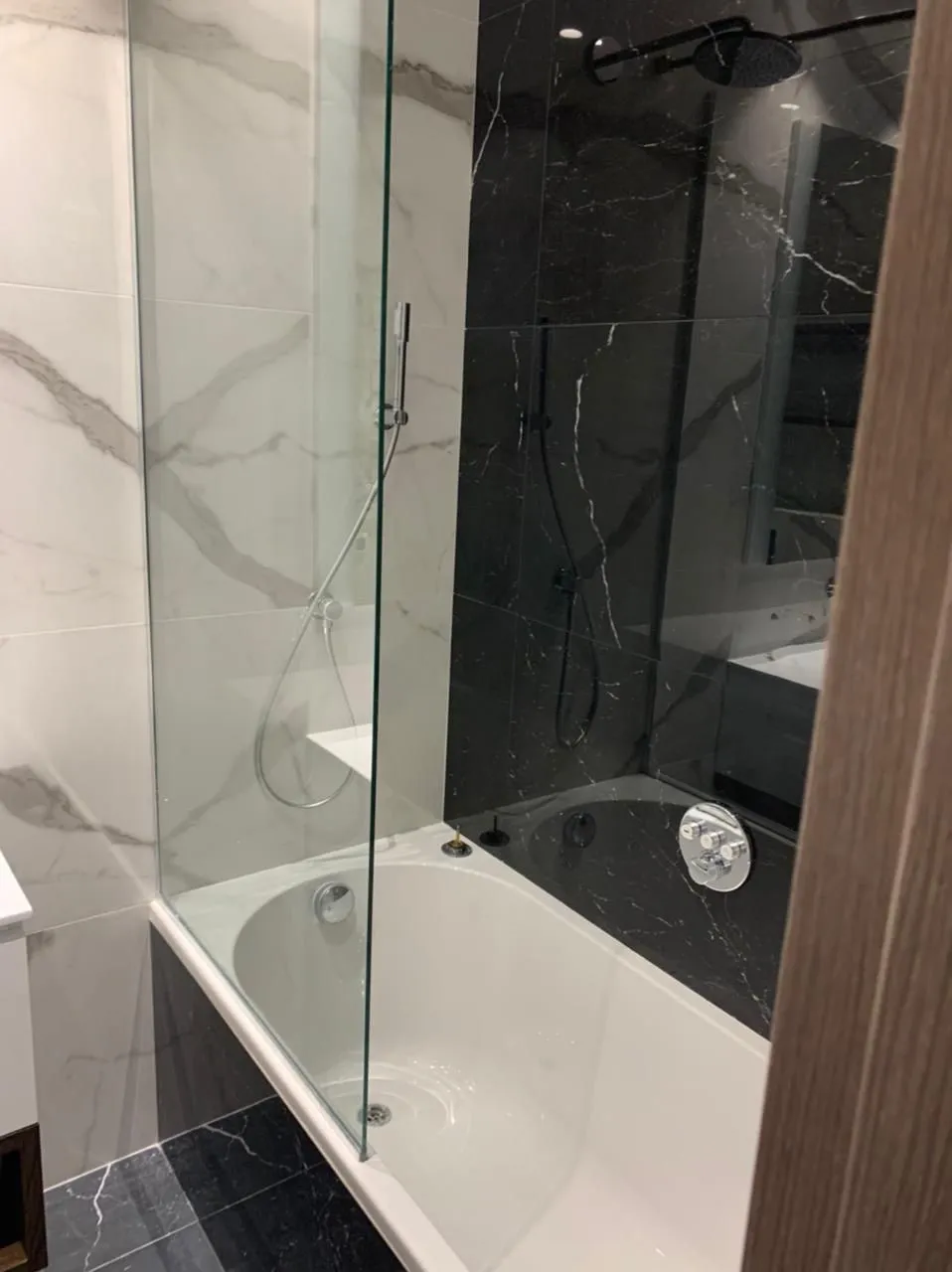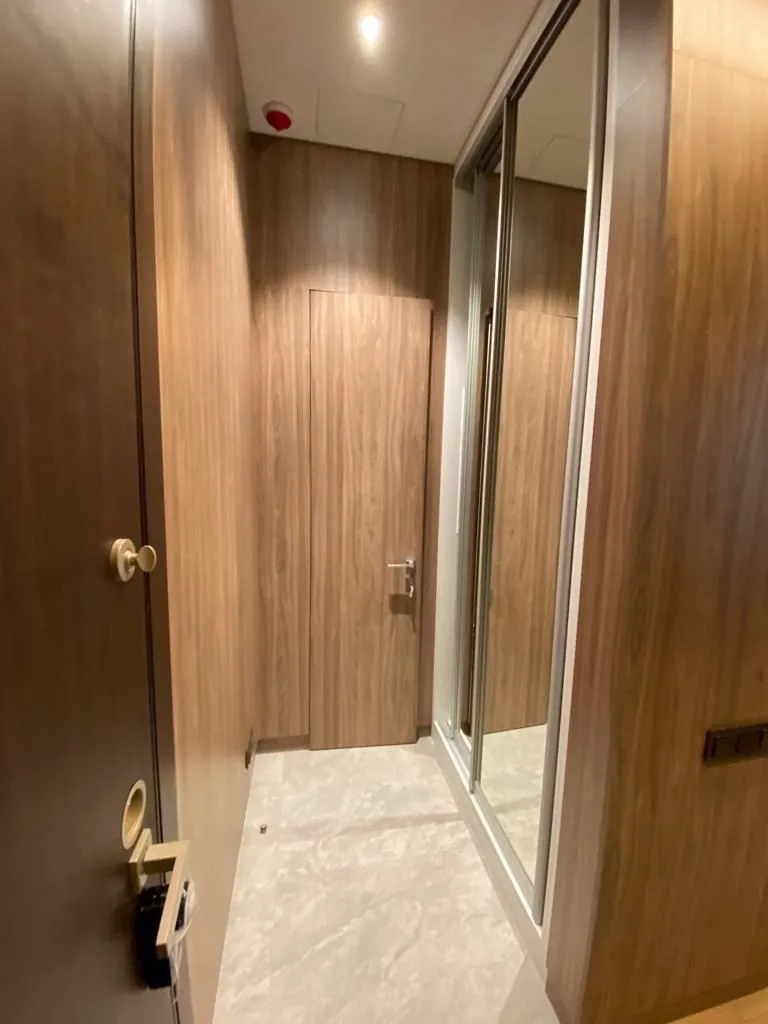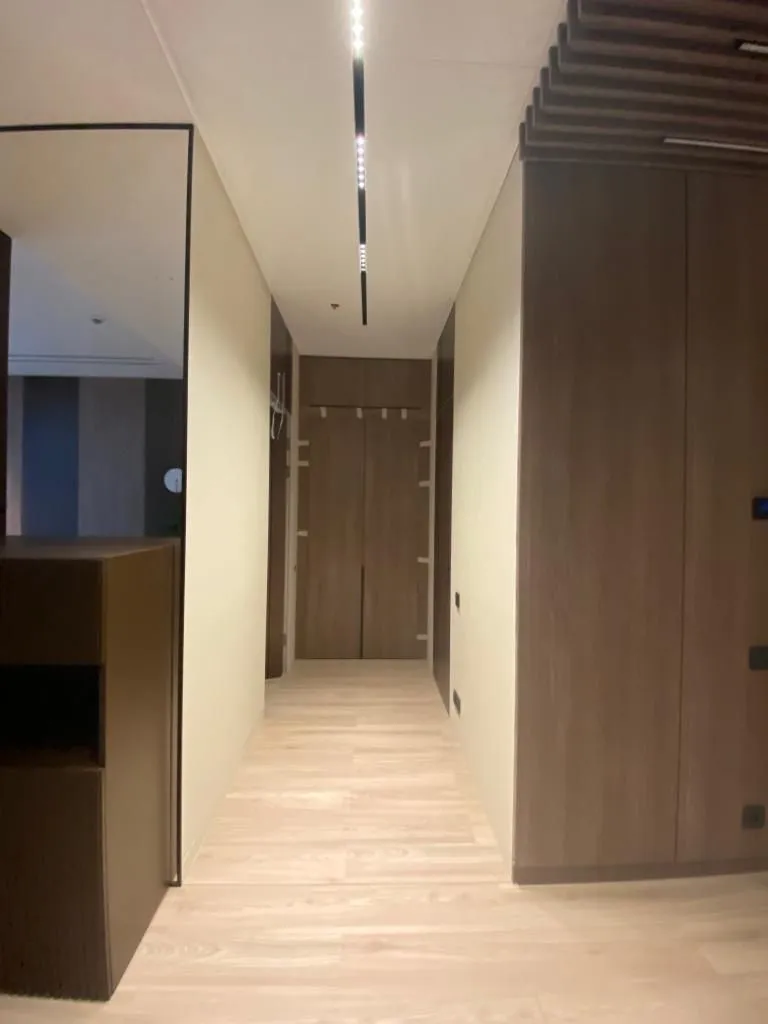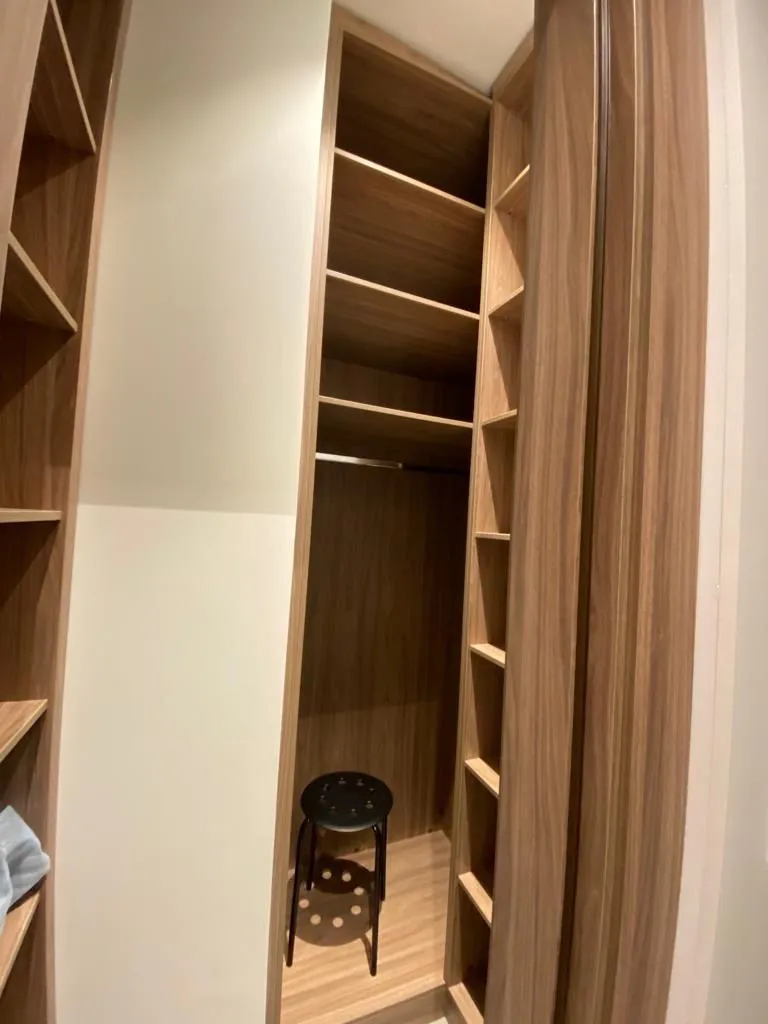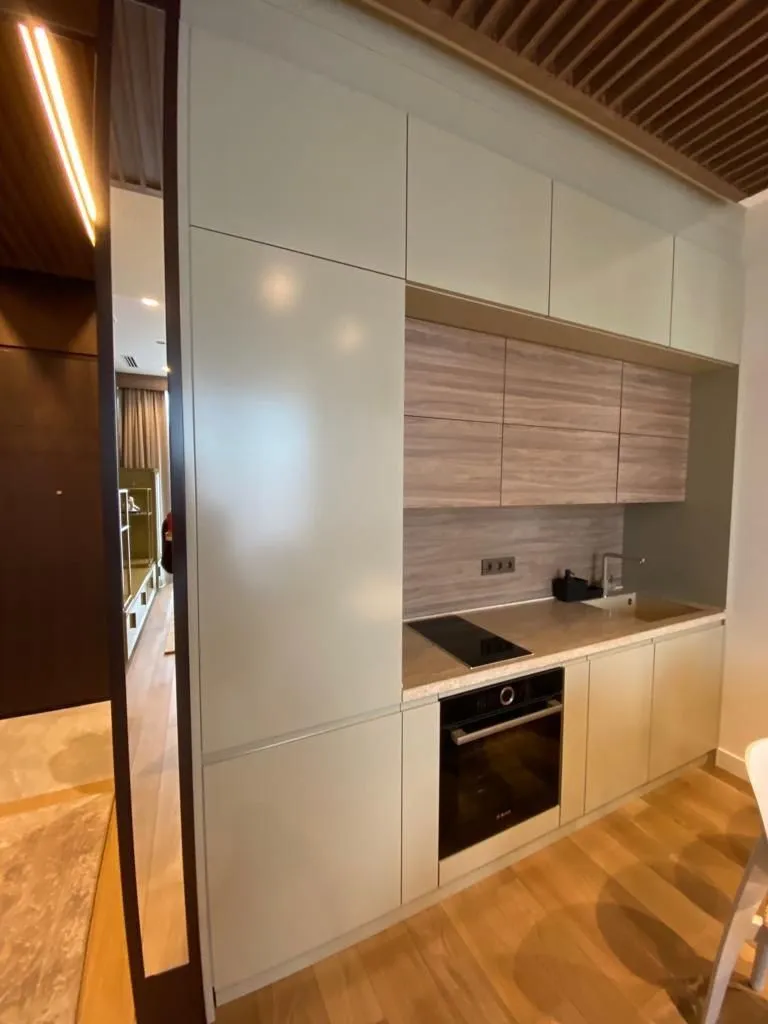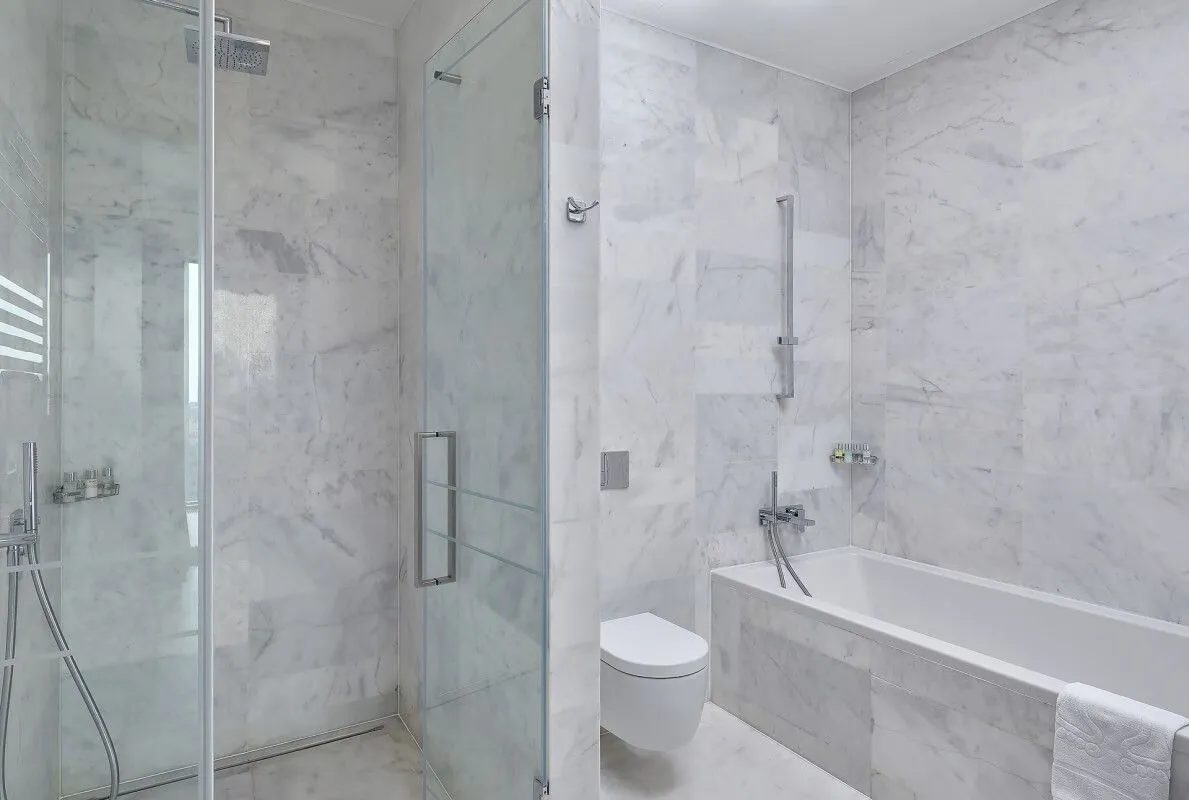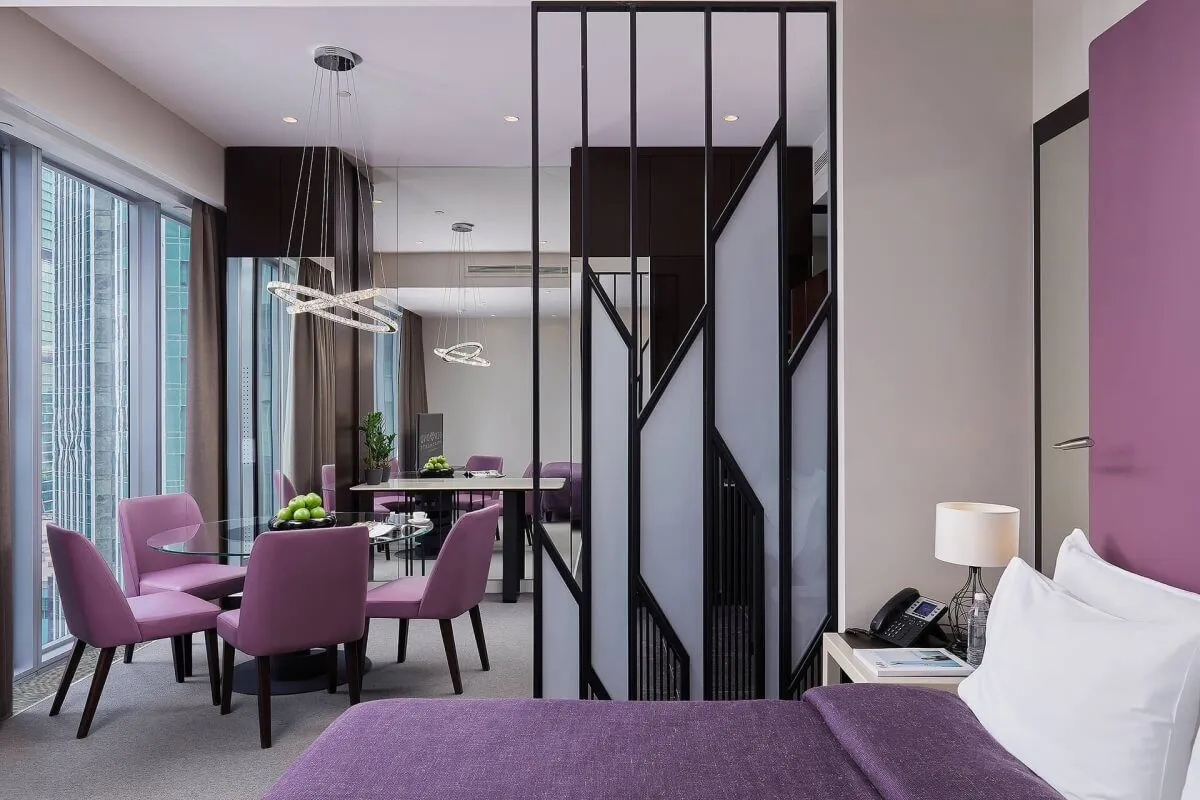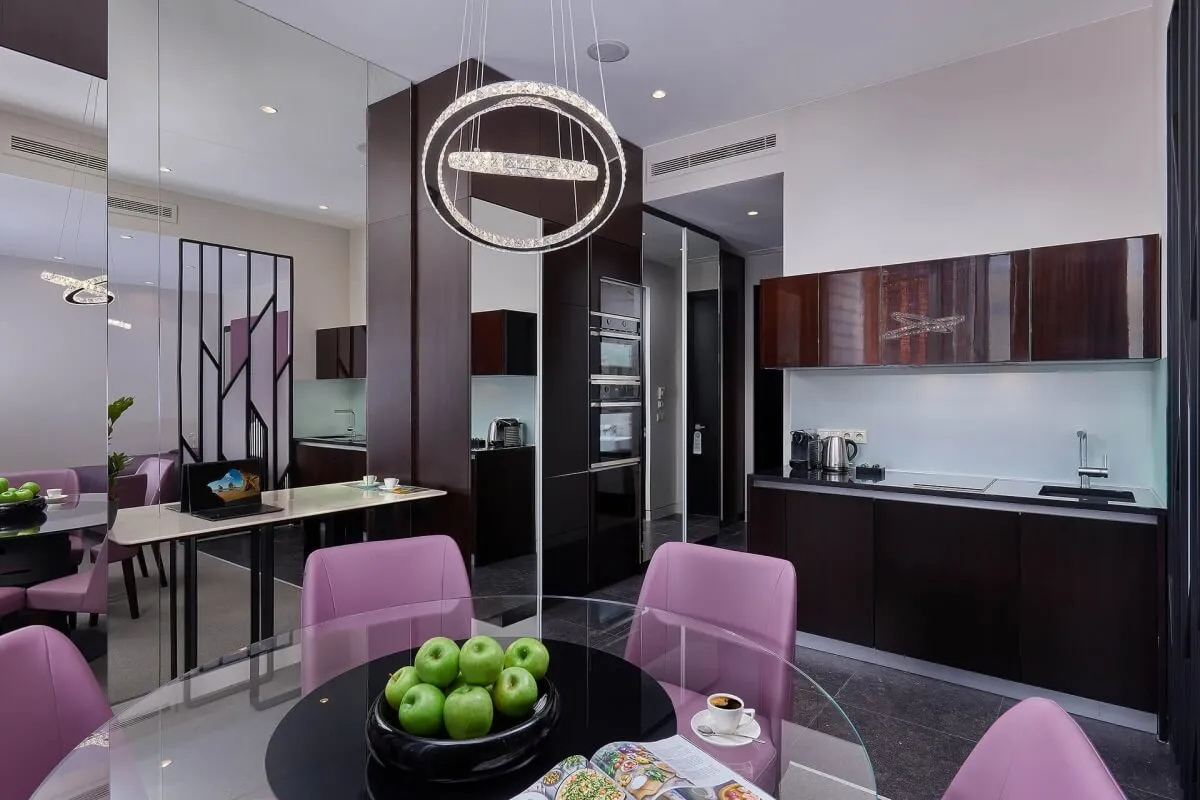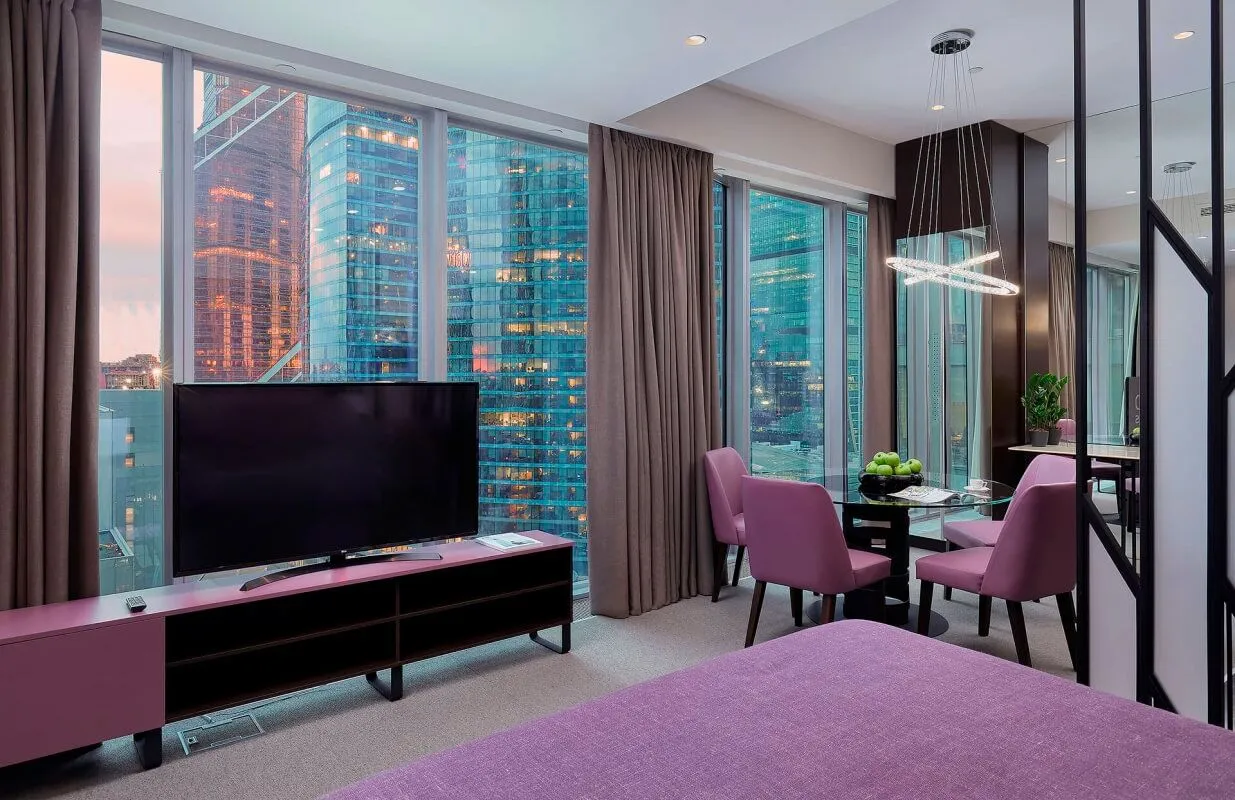





















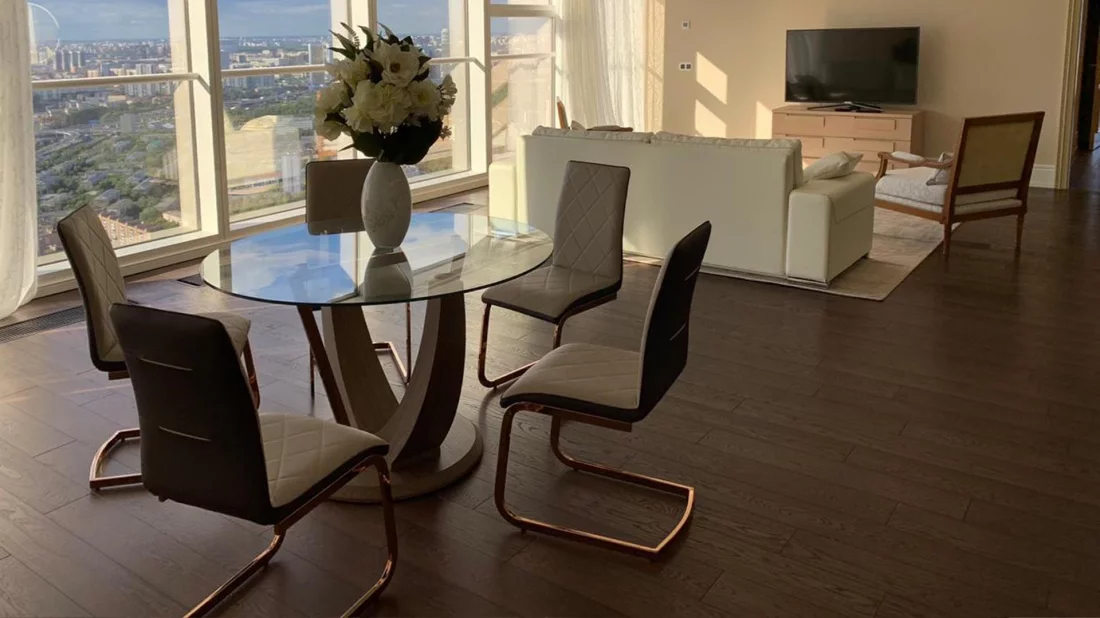
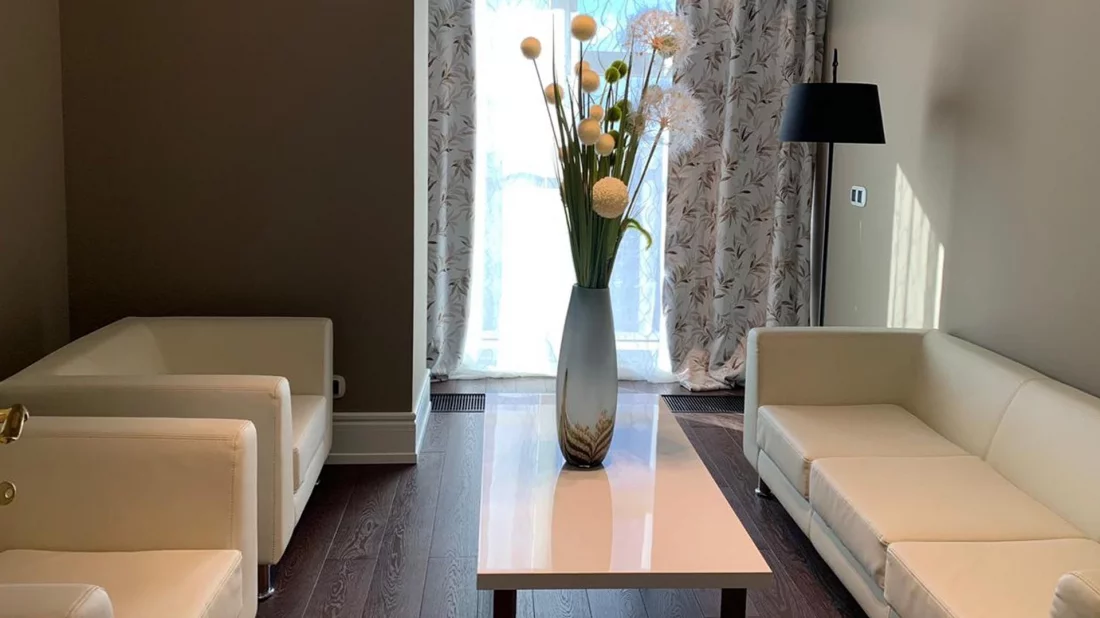
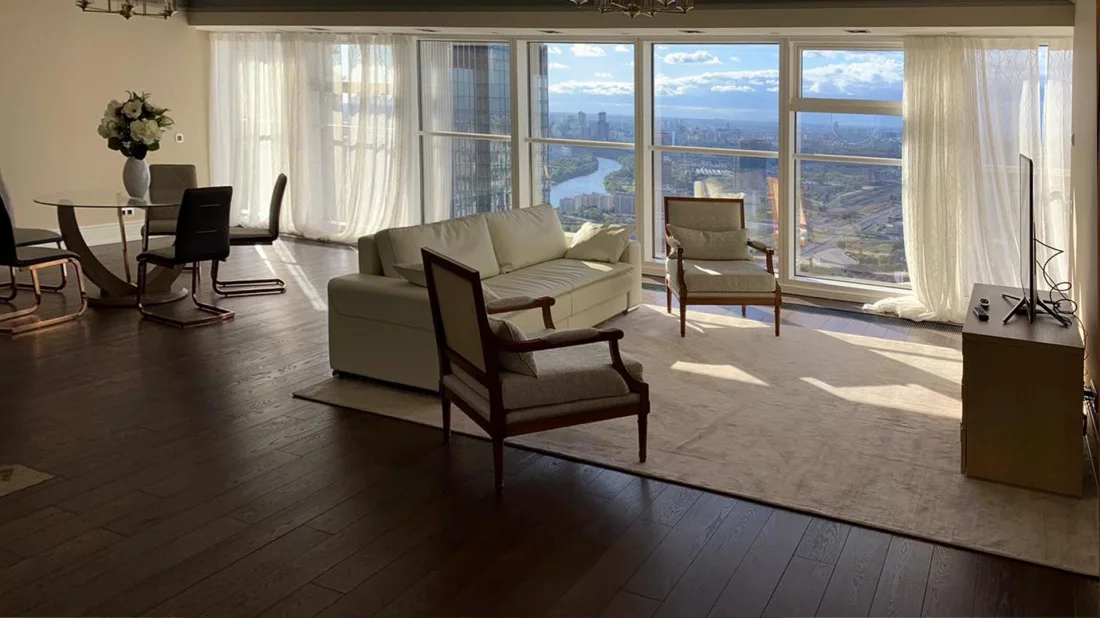
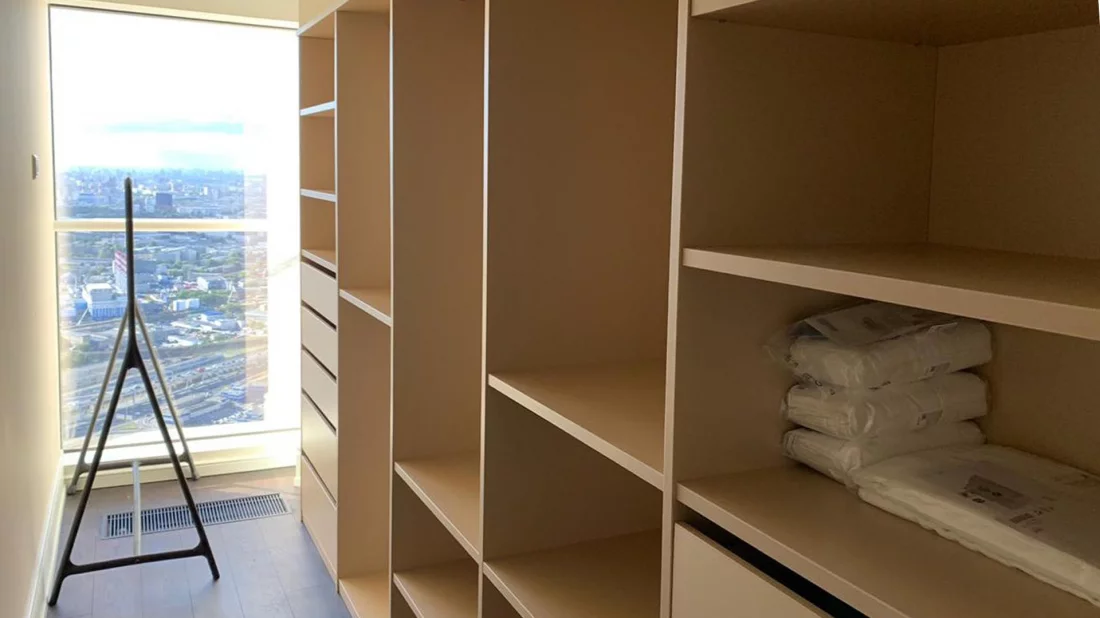
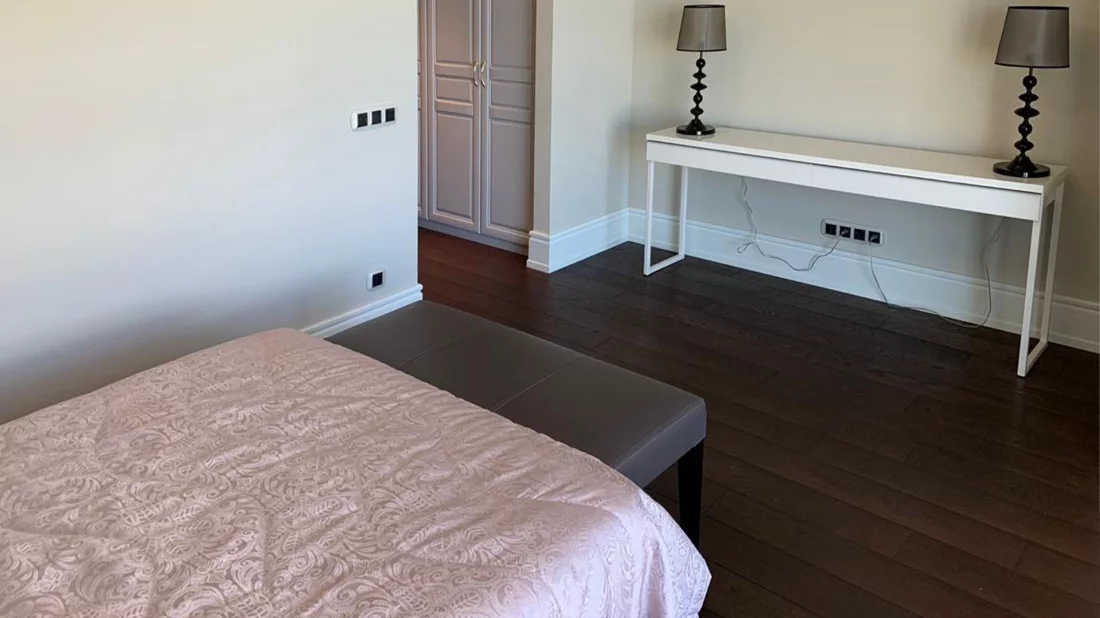
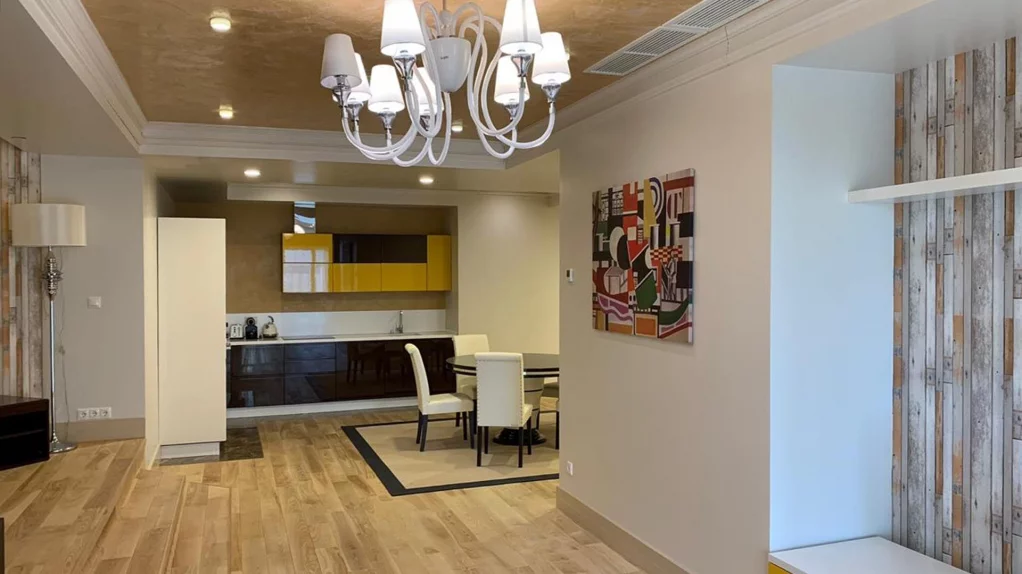
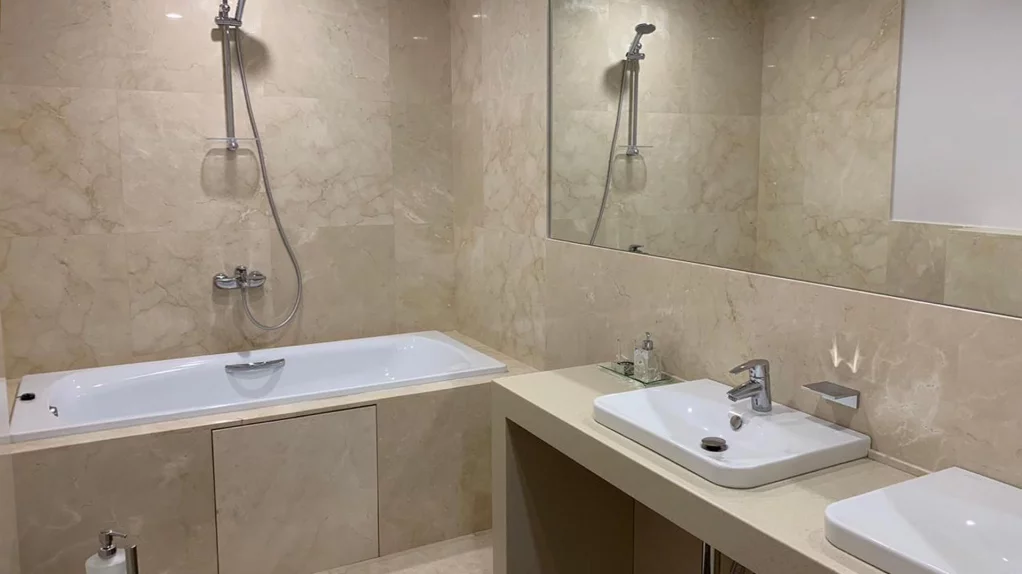
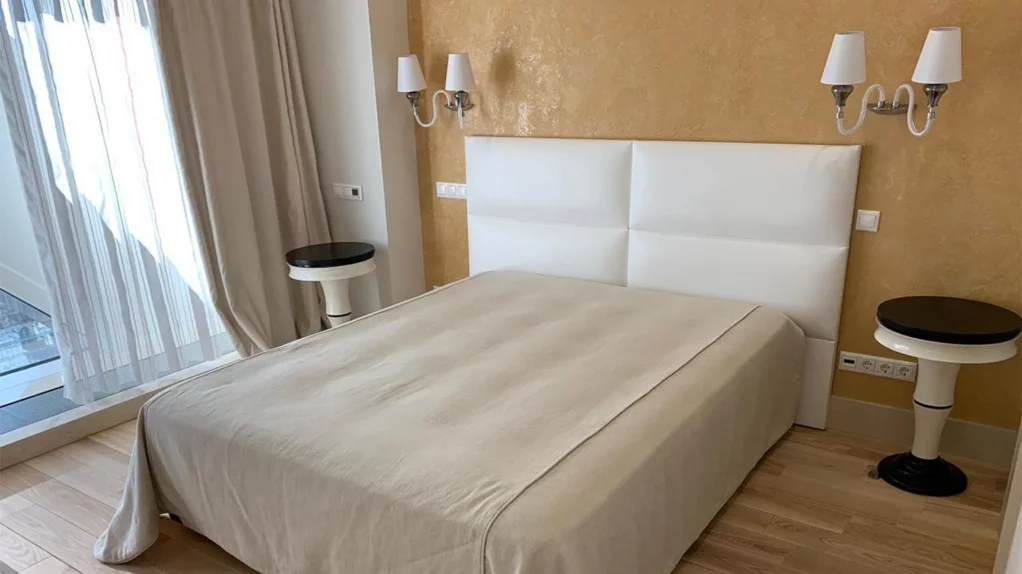


What to Consider When Renting for a Month, a Year, or a Longer Term
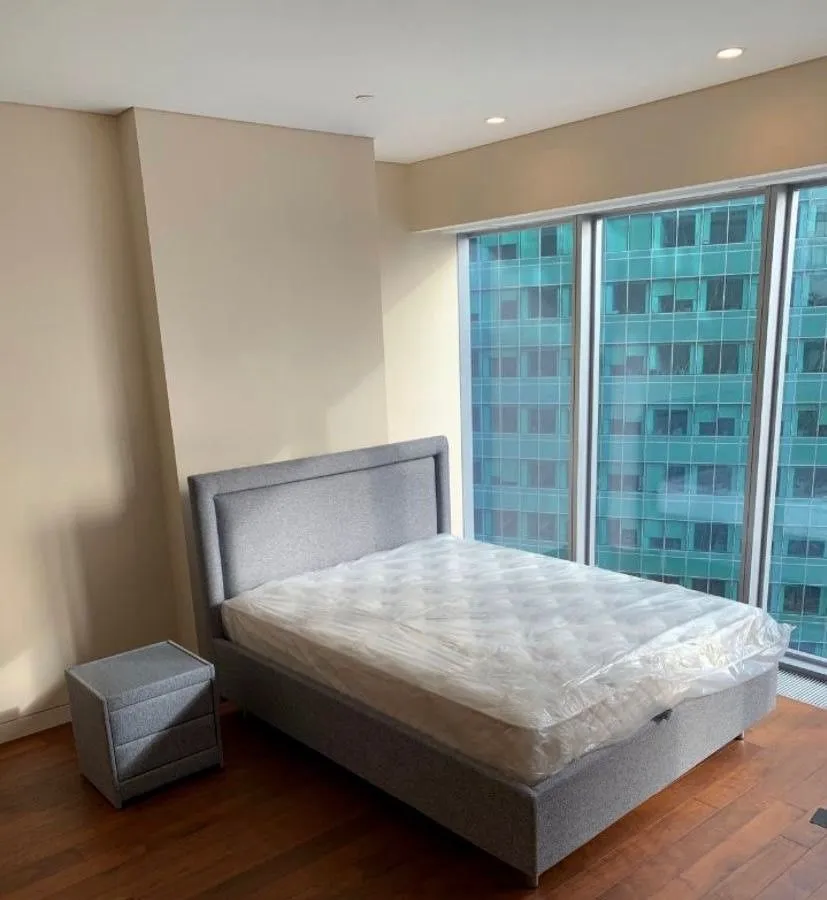
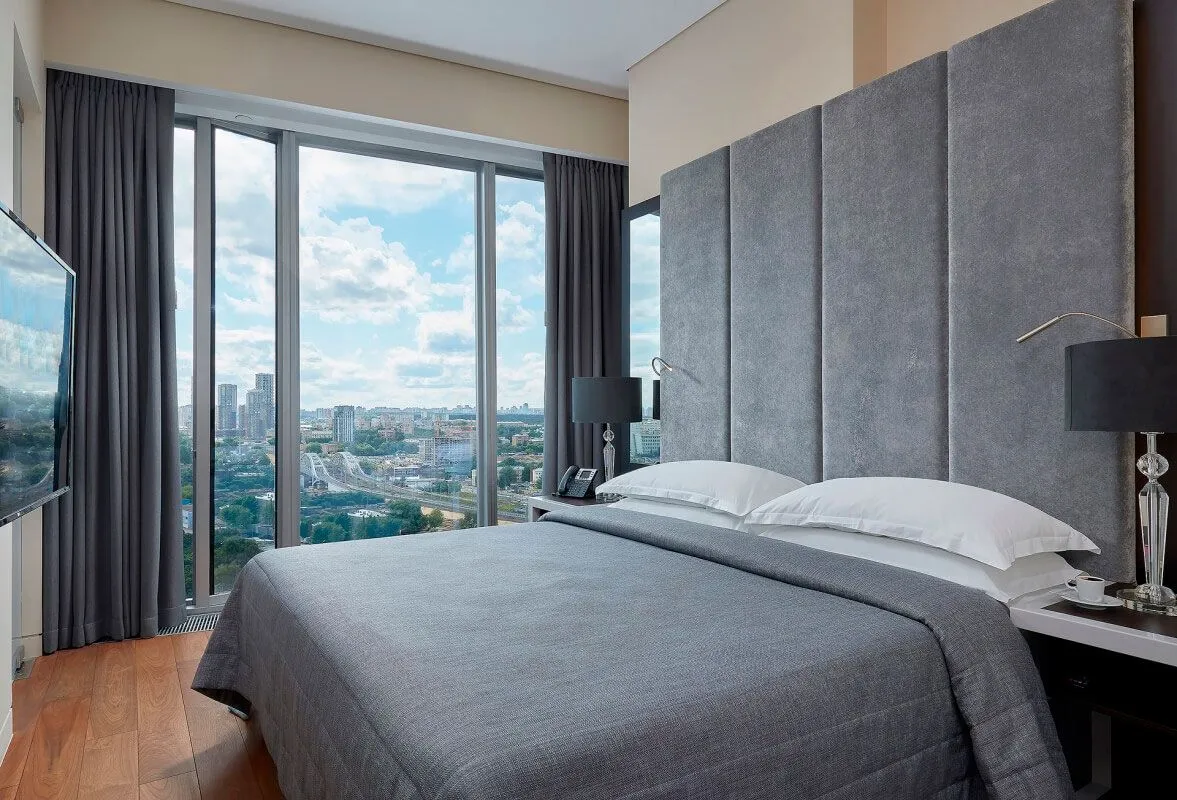
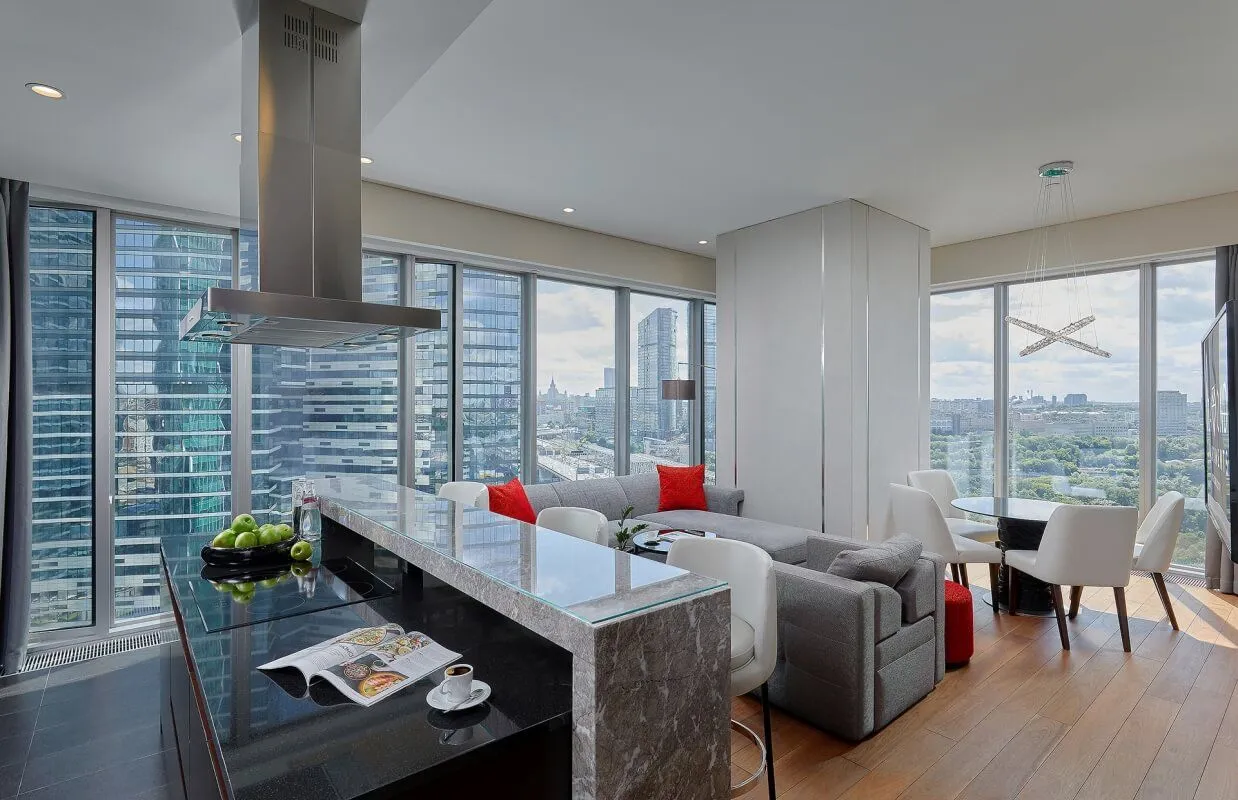
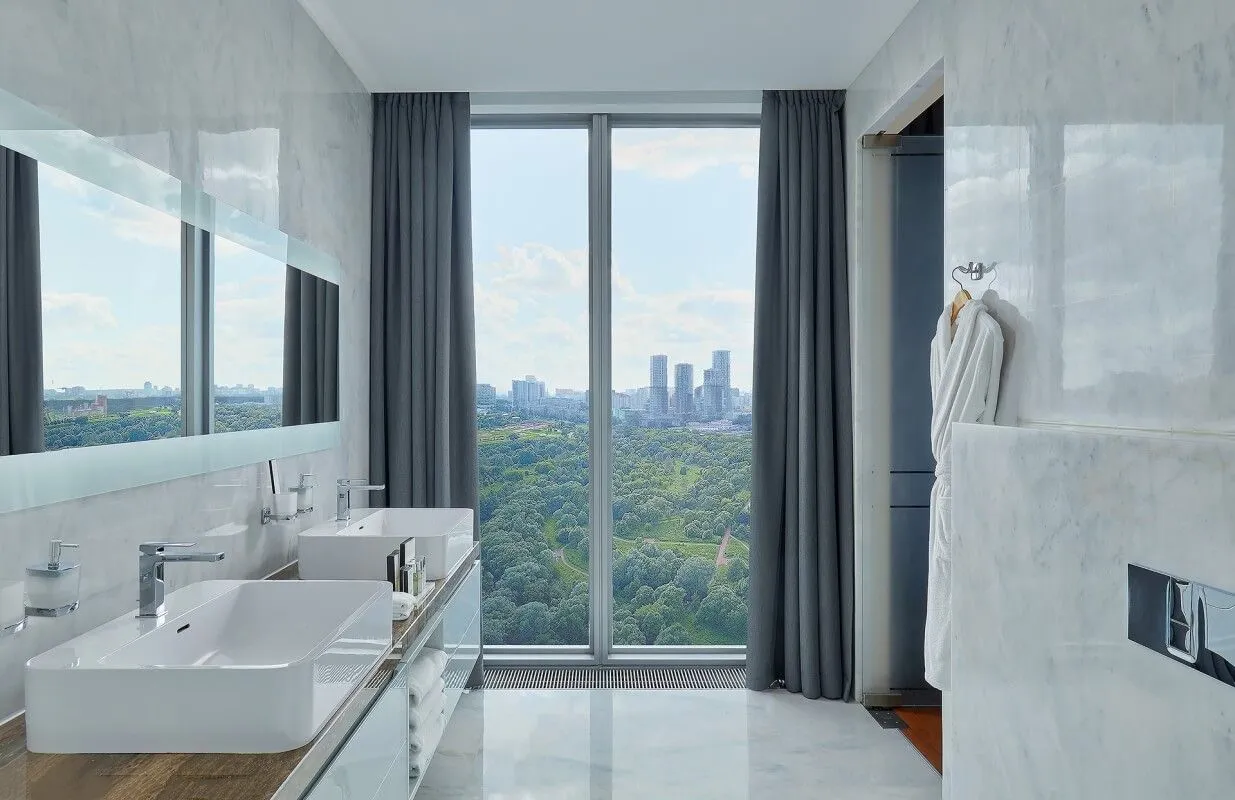
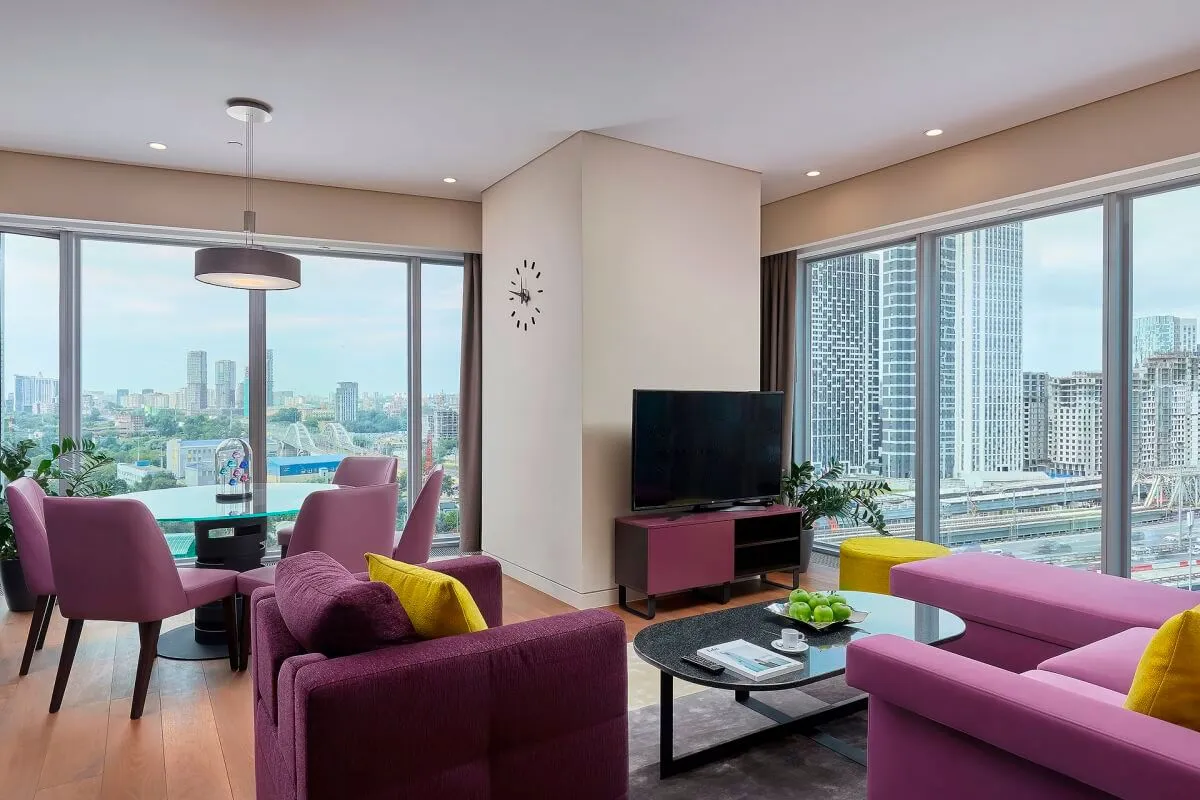
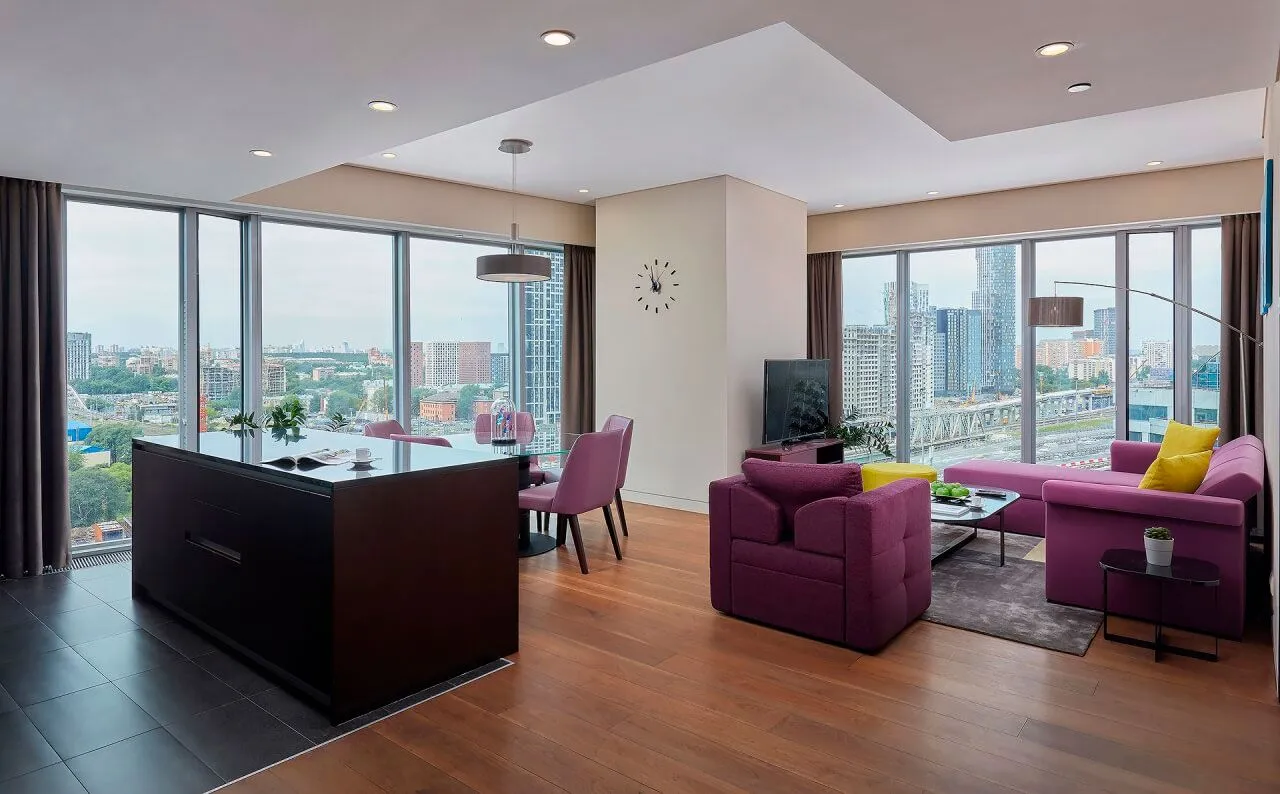
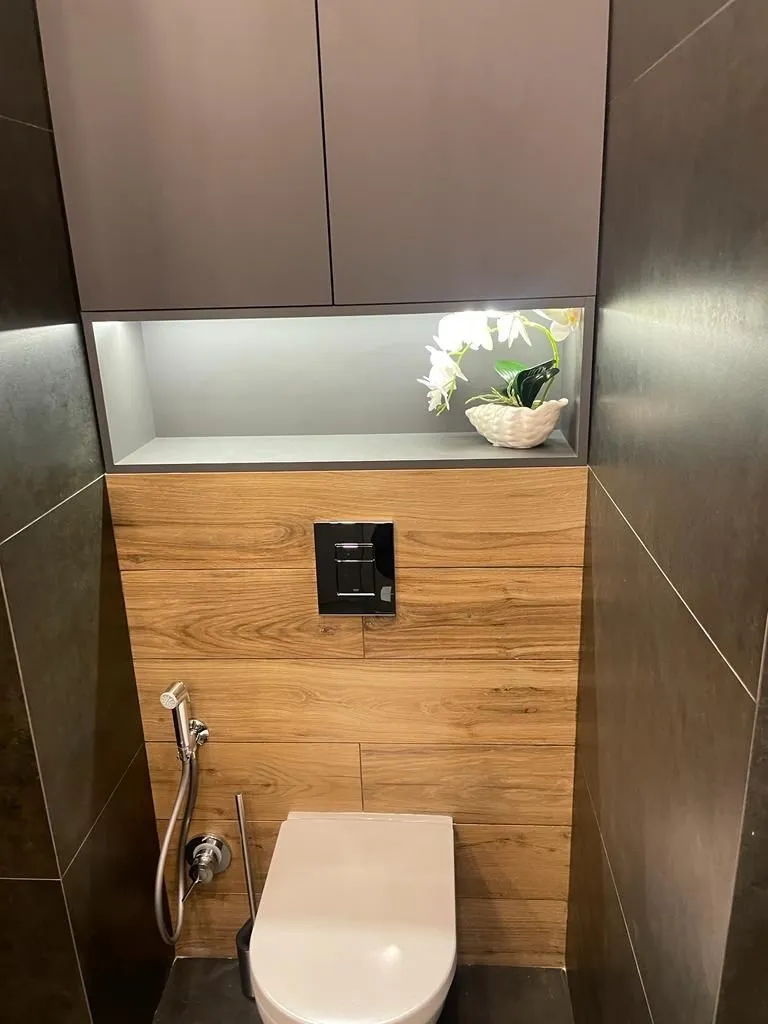
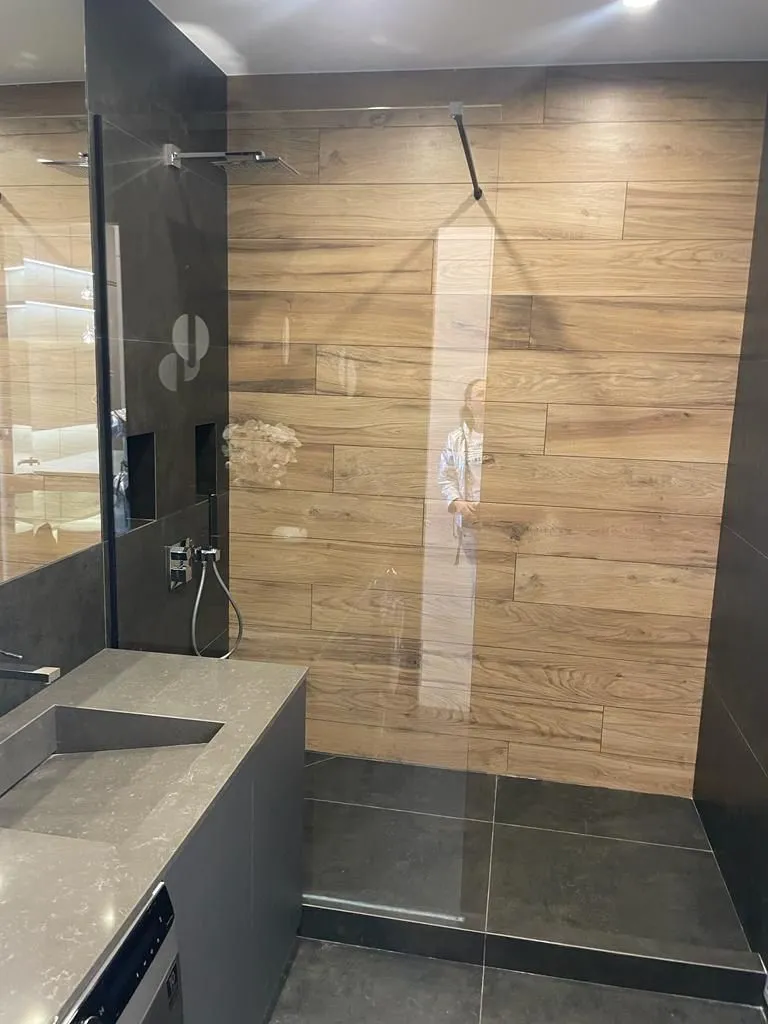
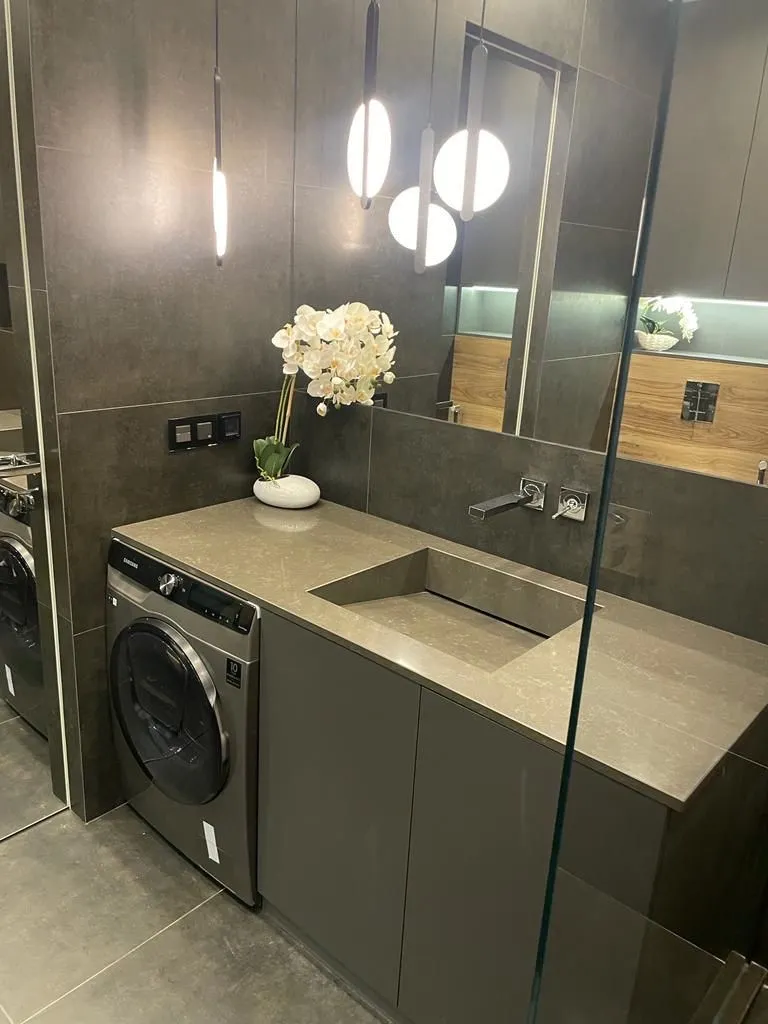
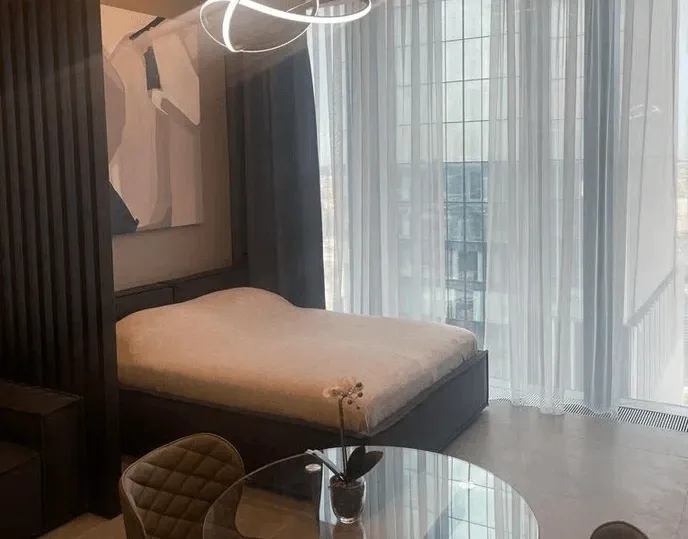
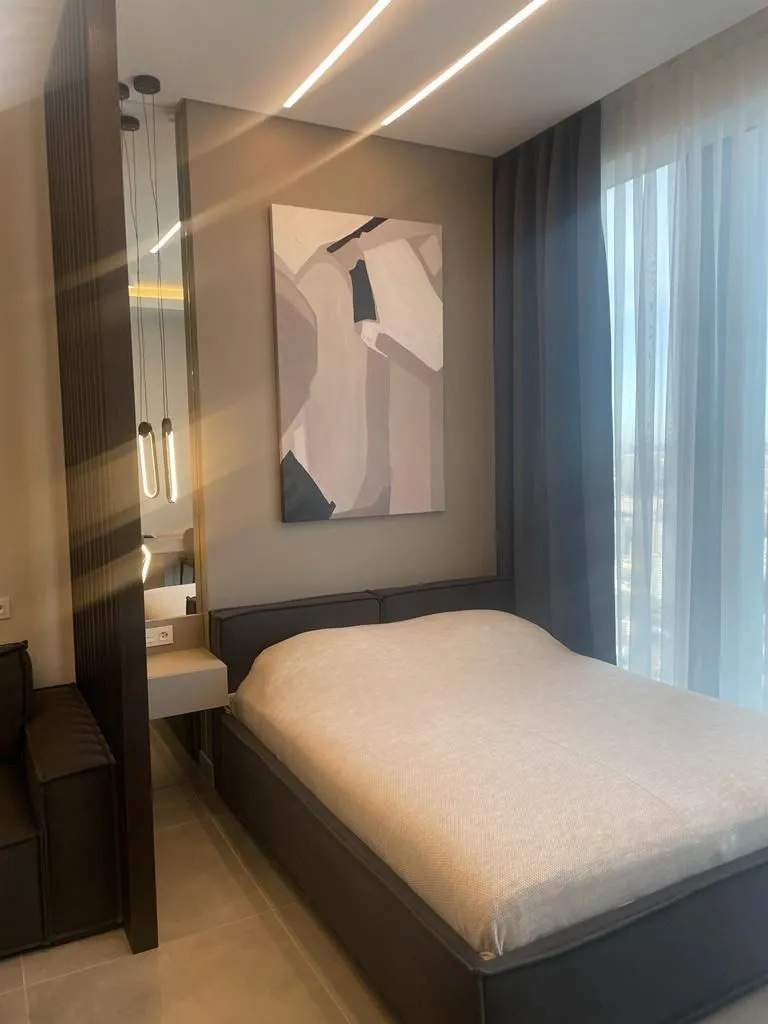
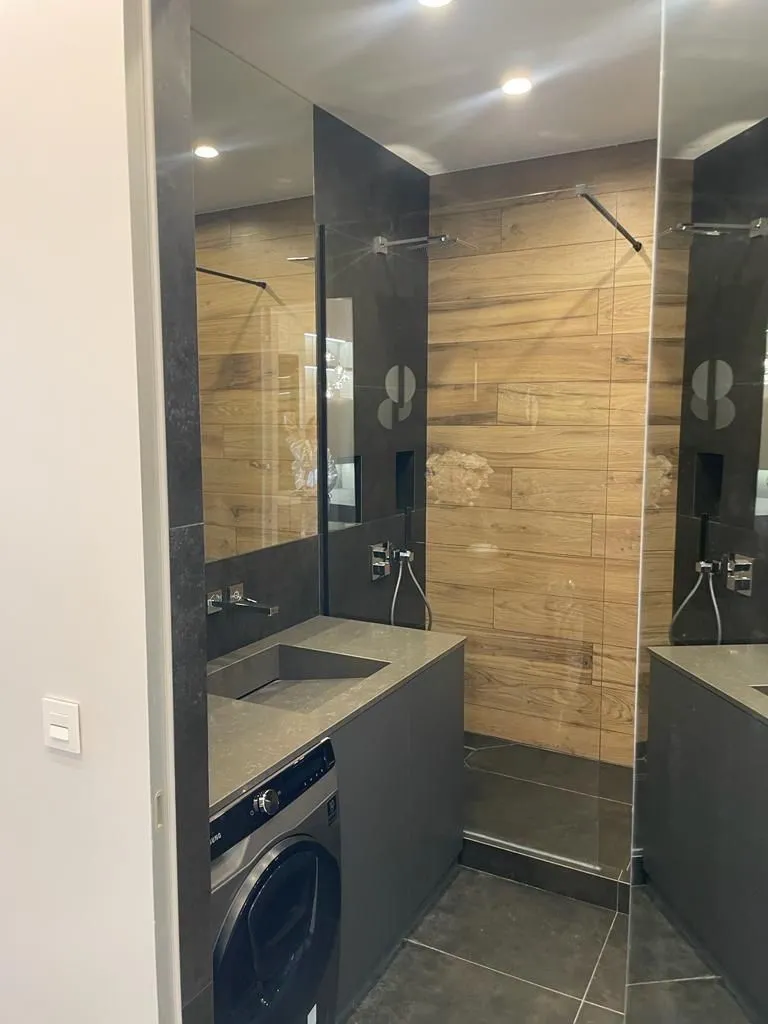
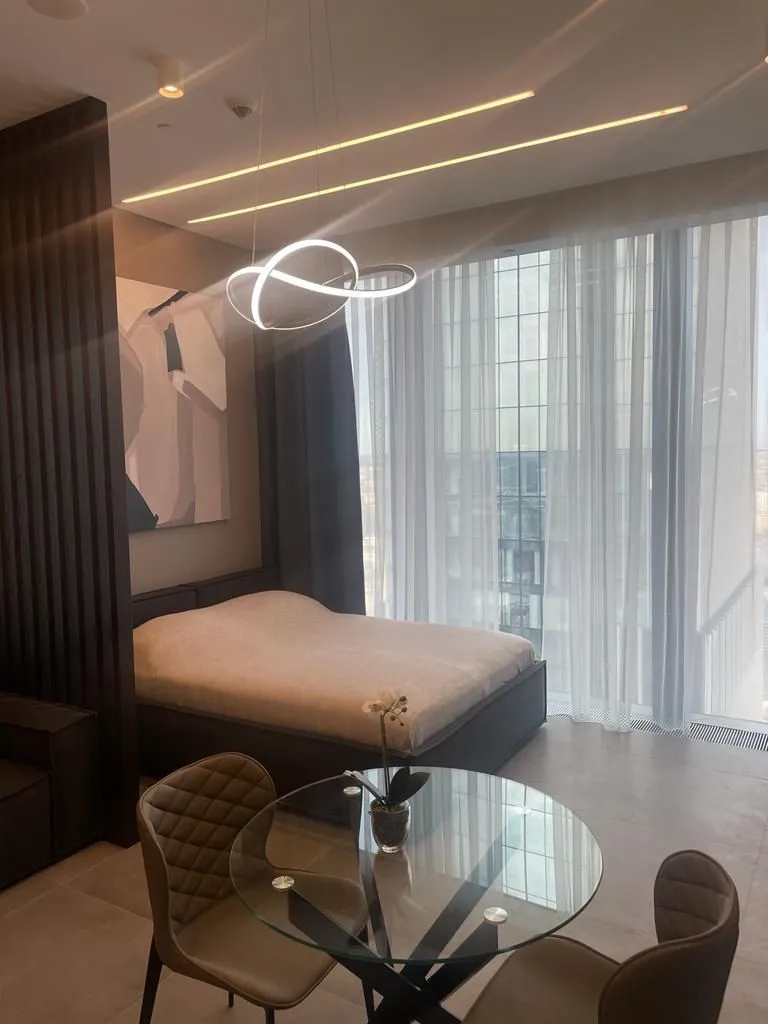
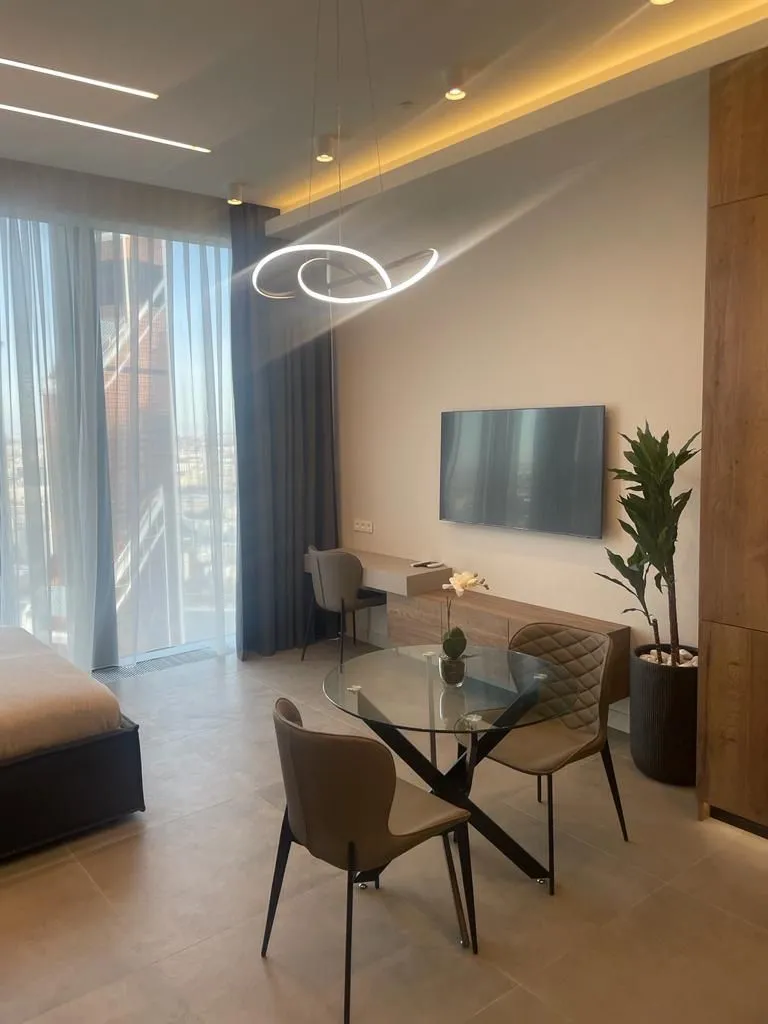
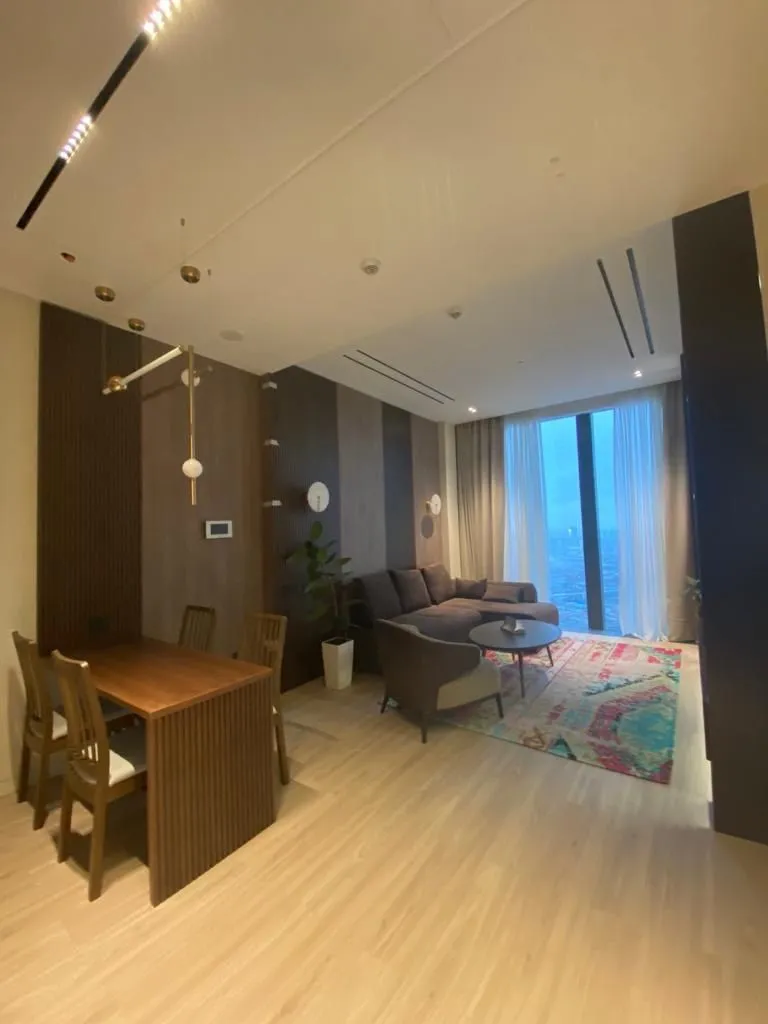
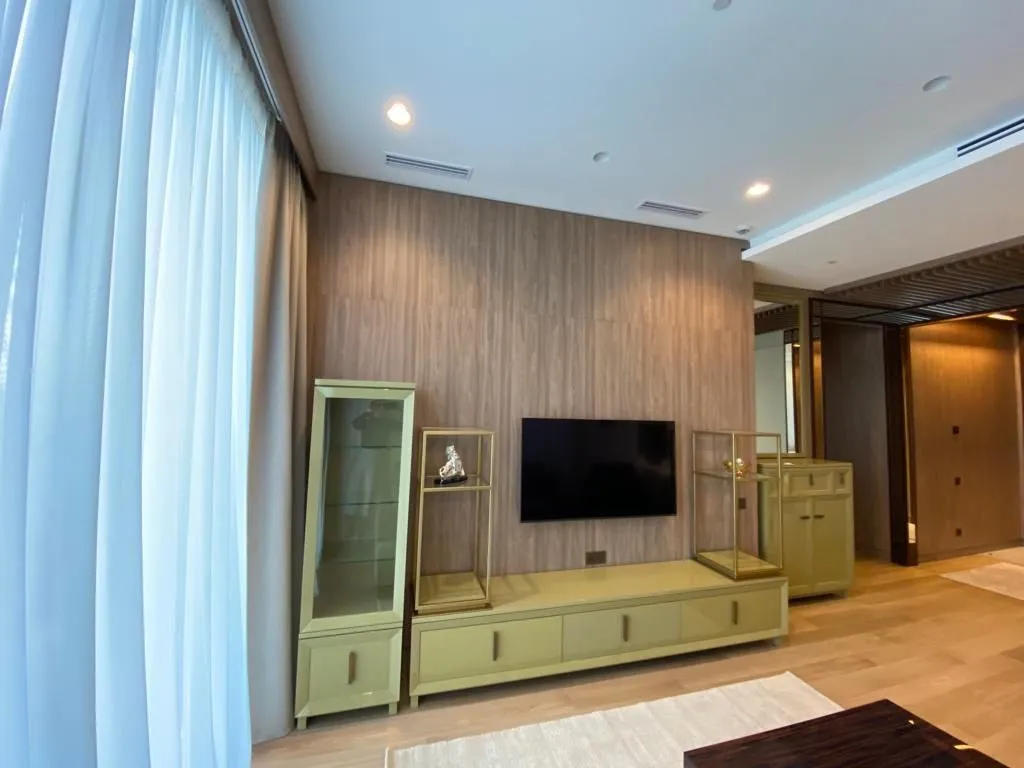
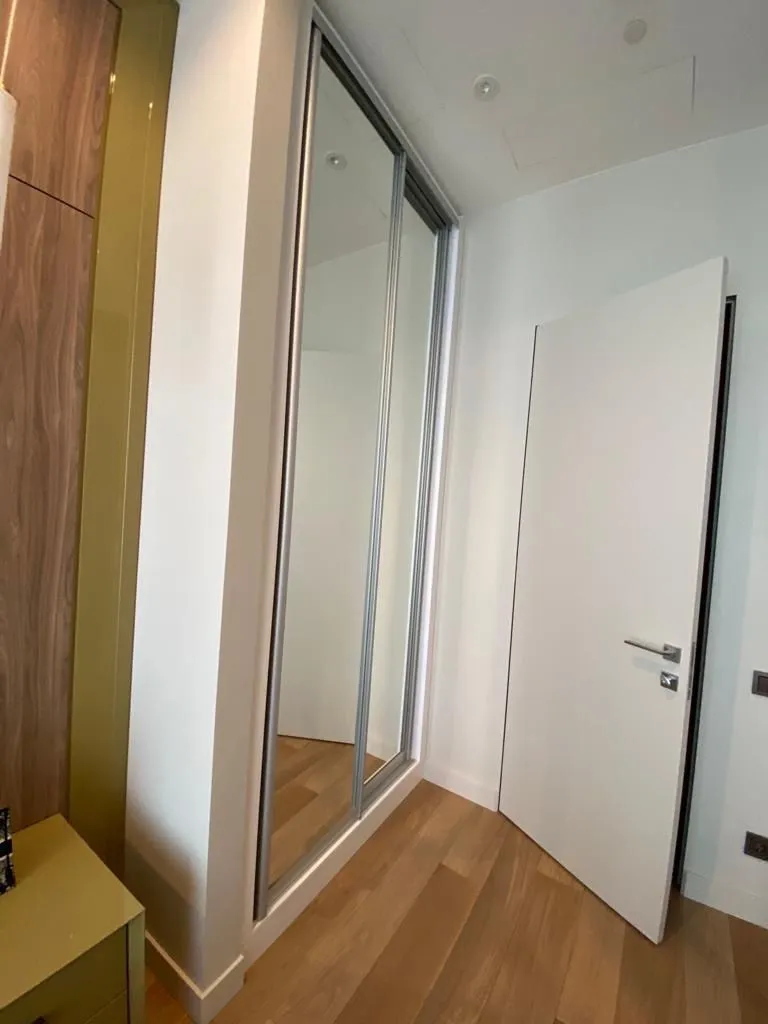
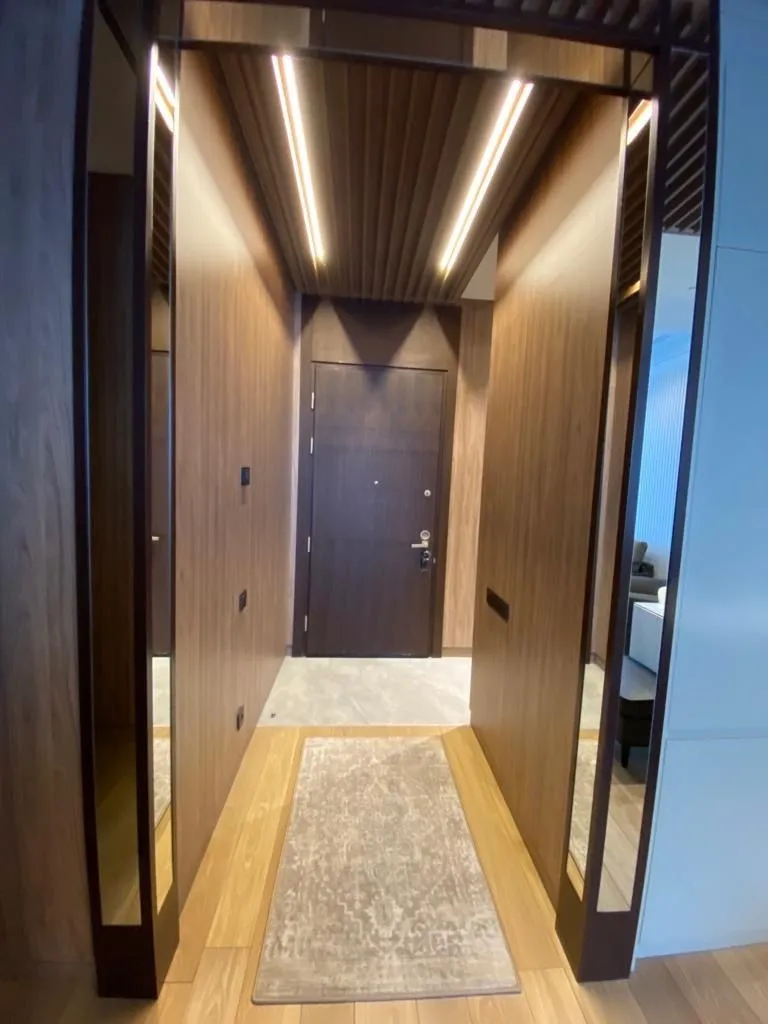
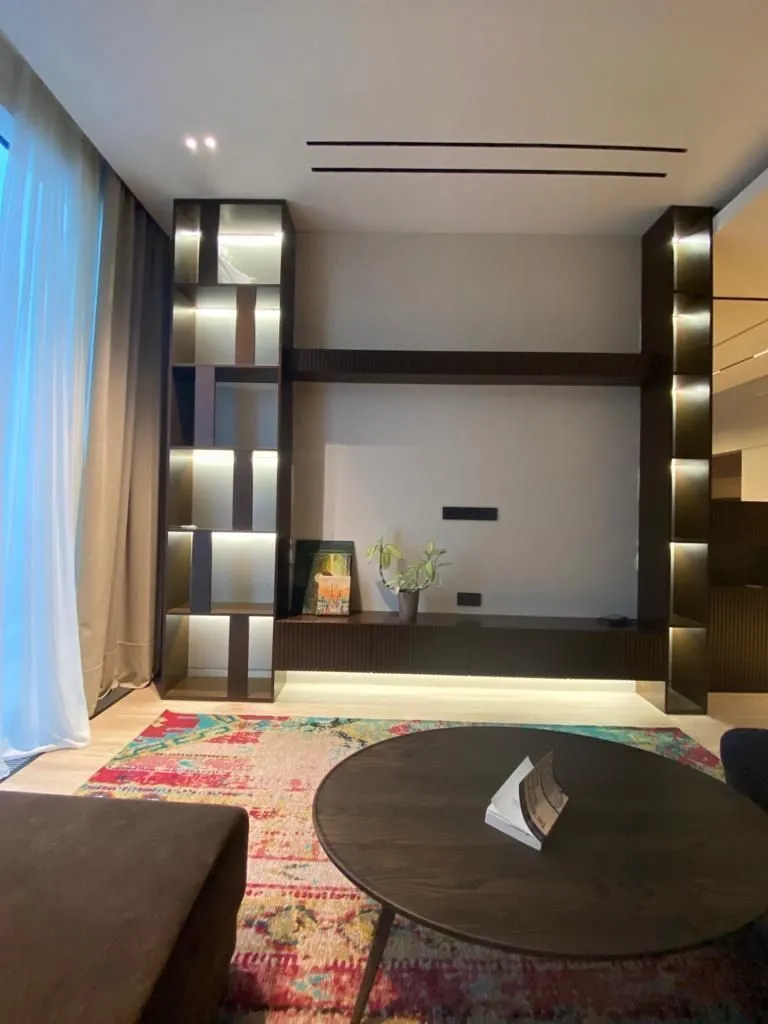
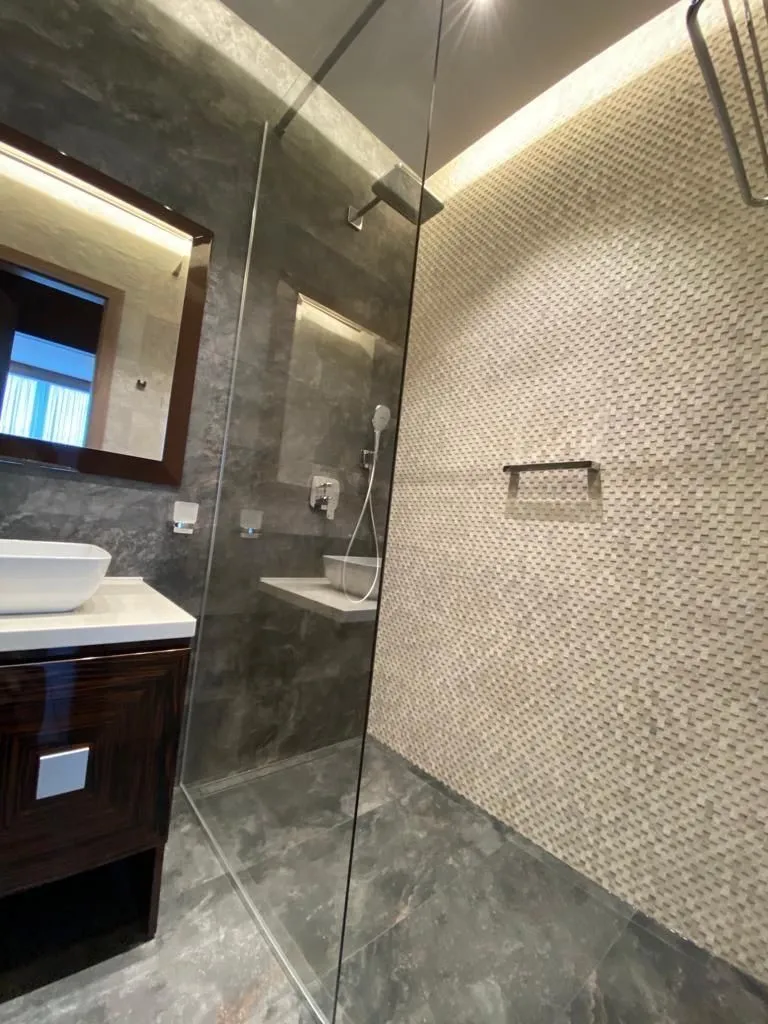
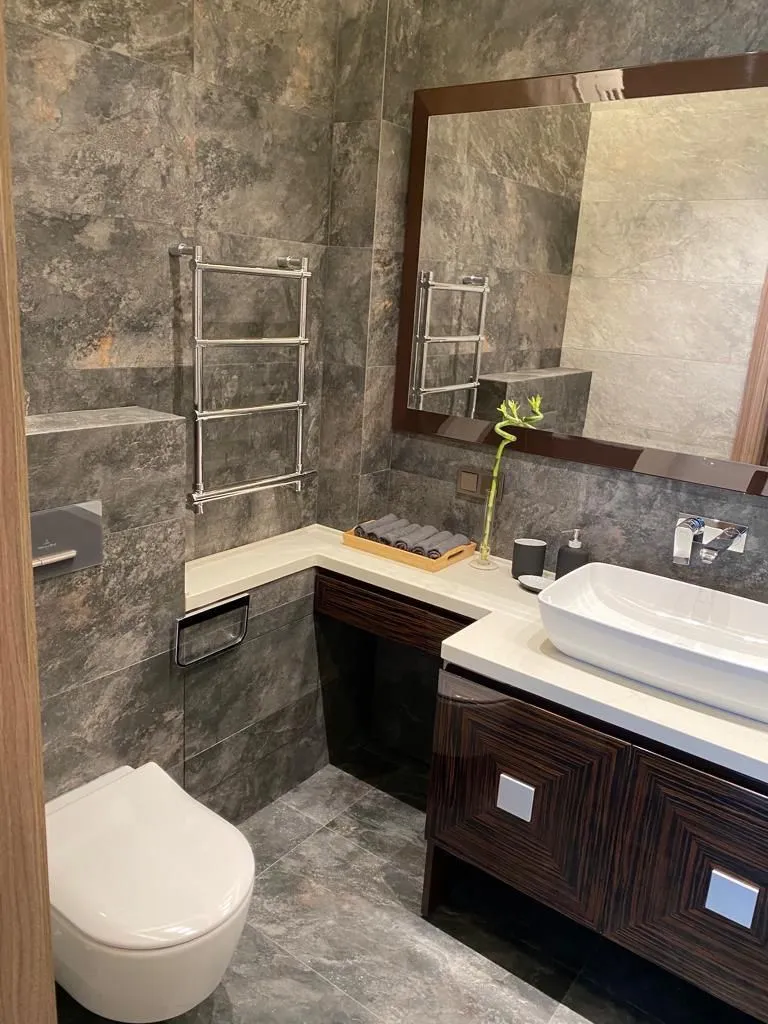
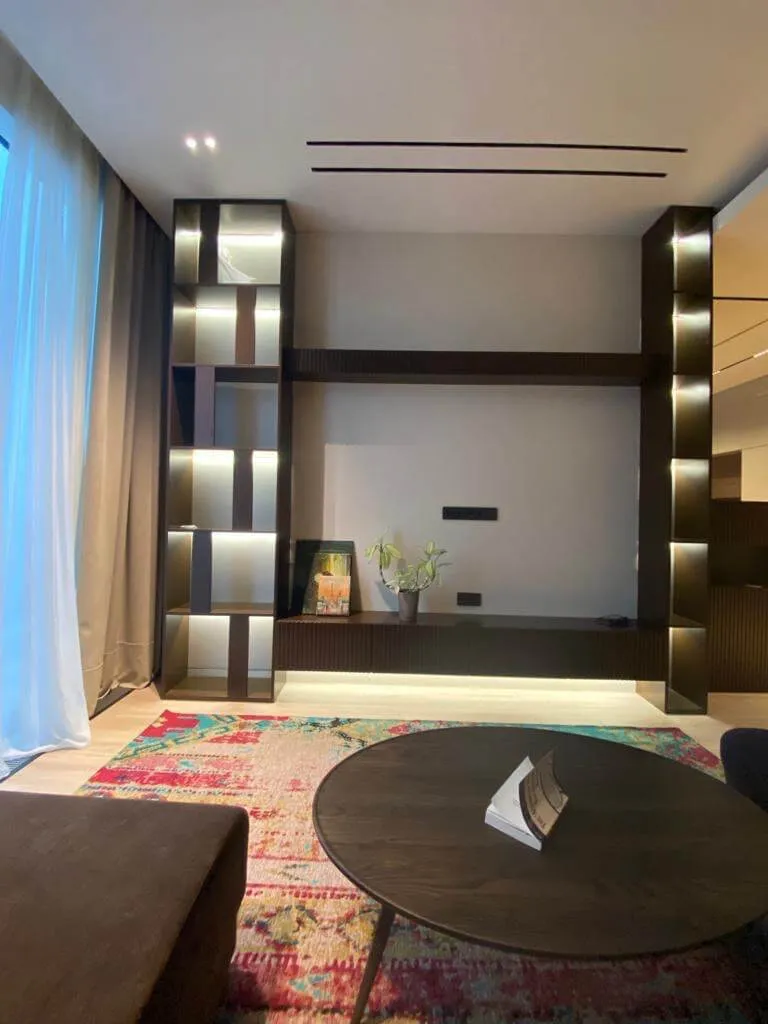
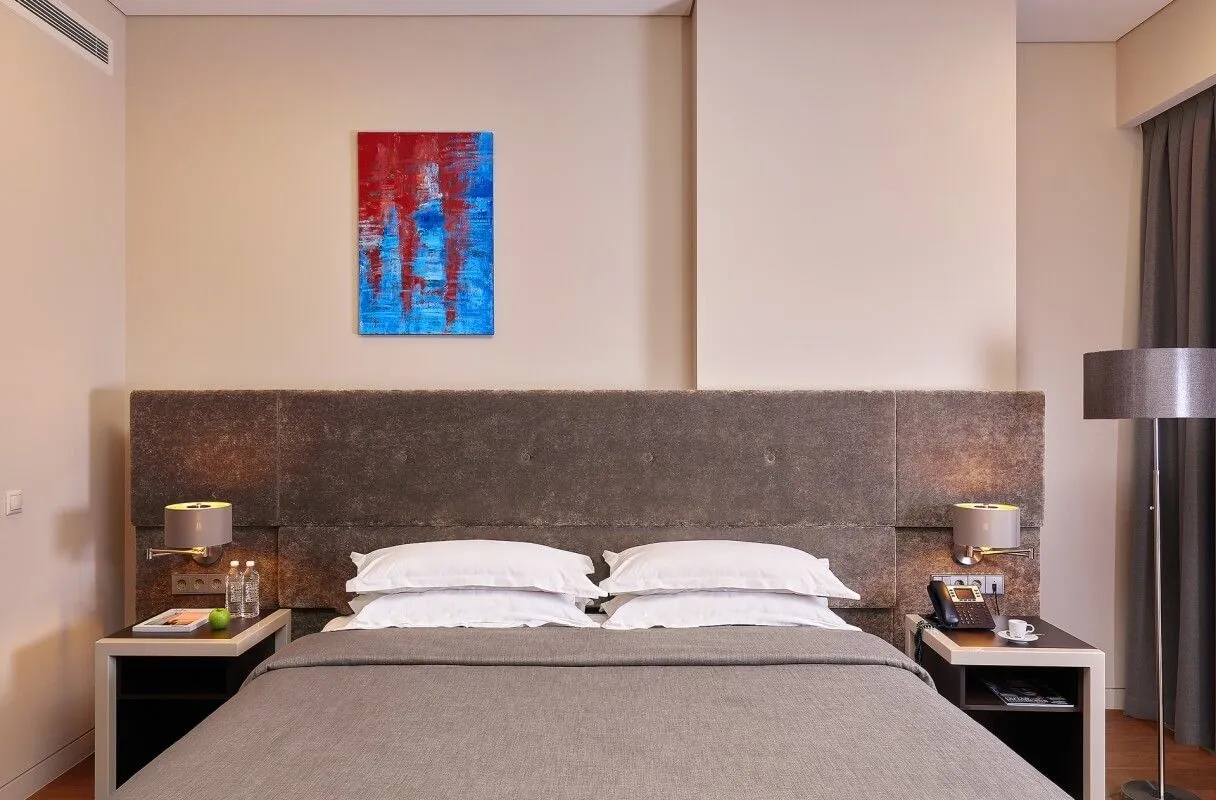
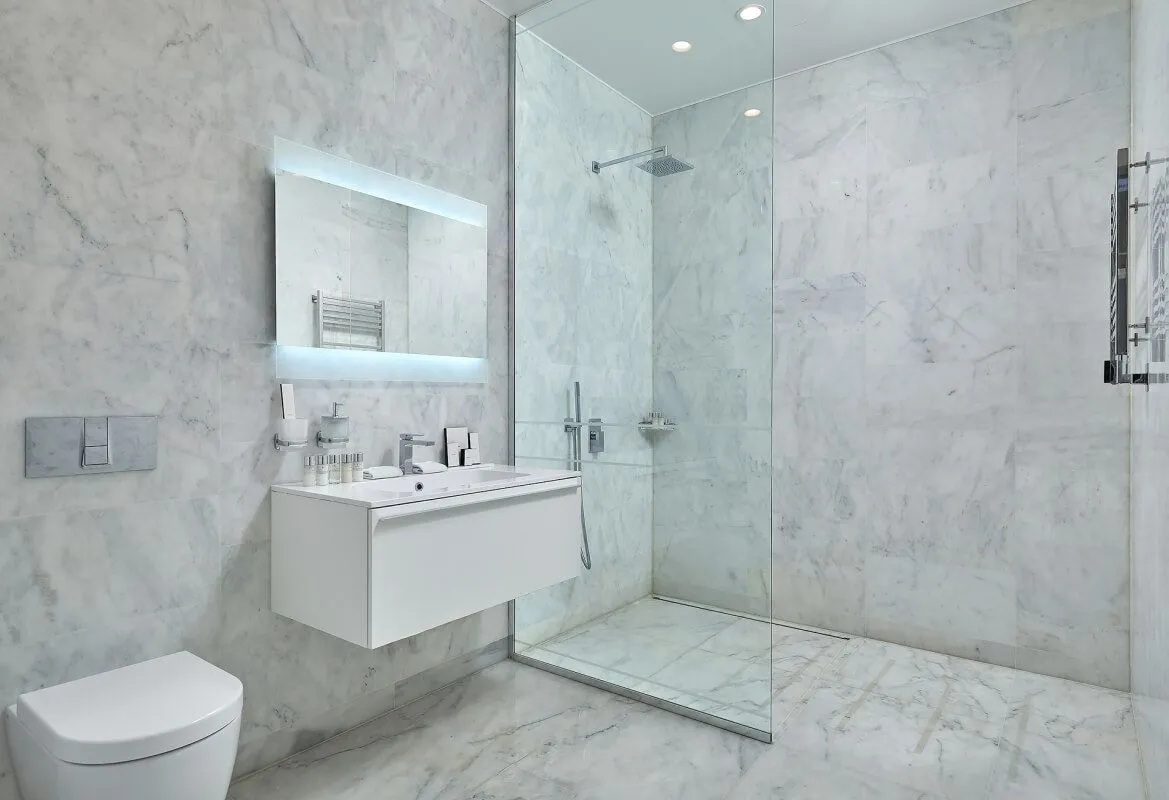
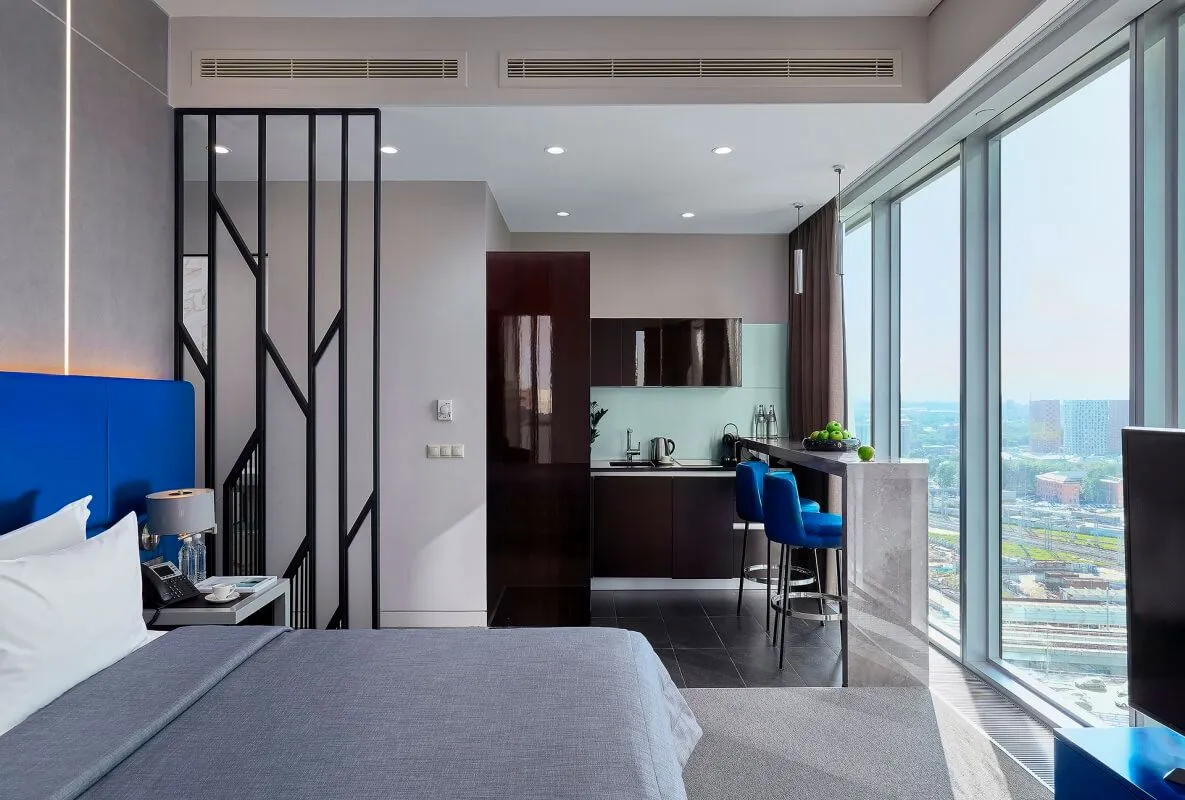
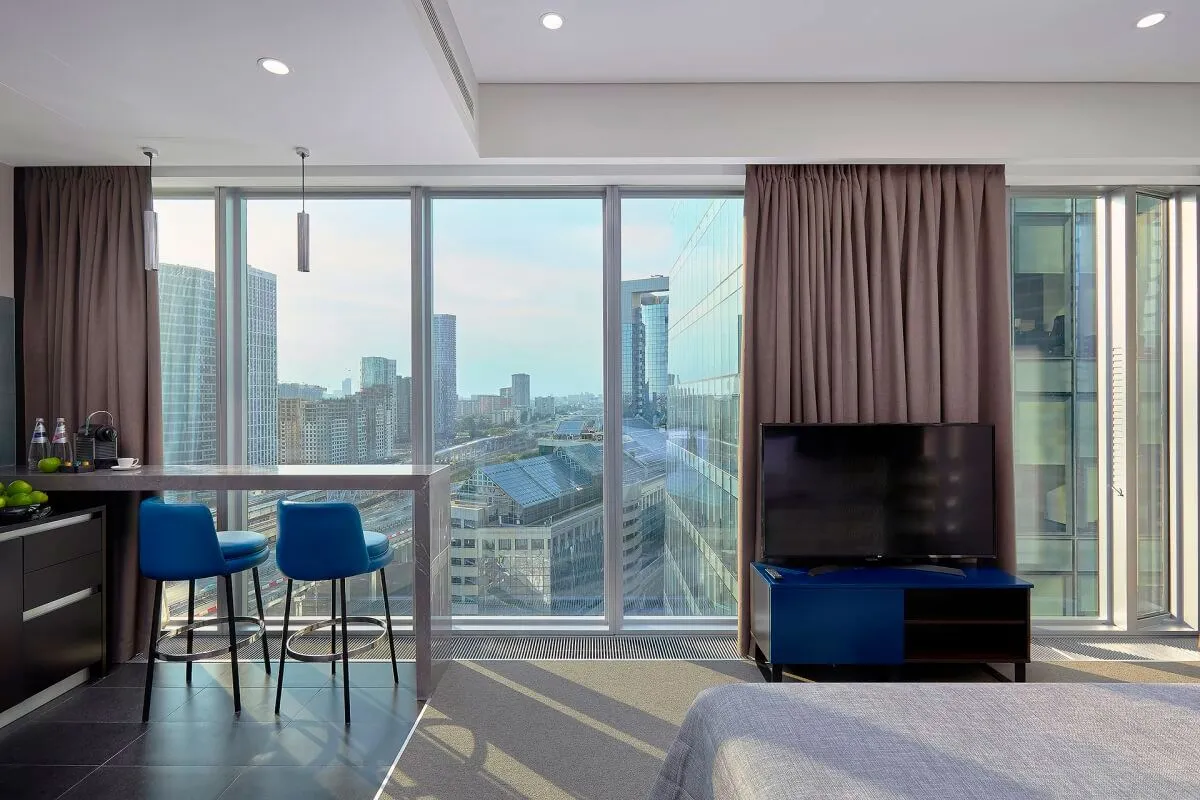
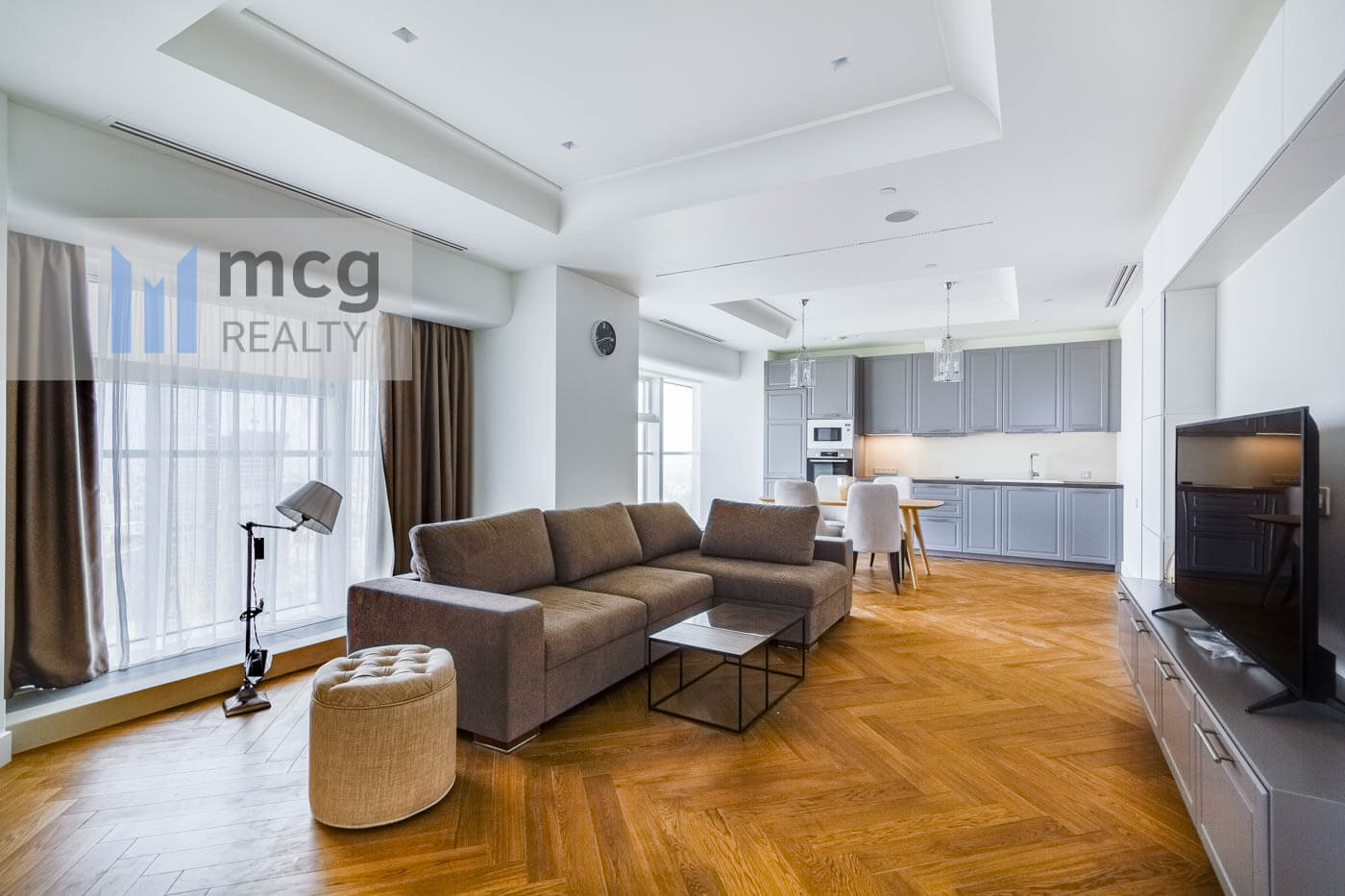
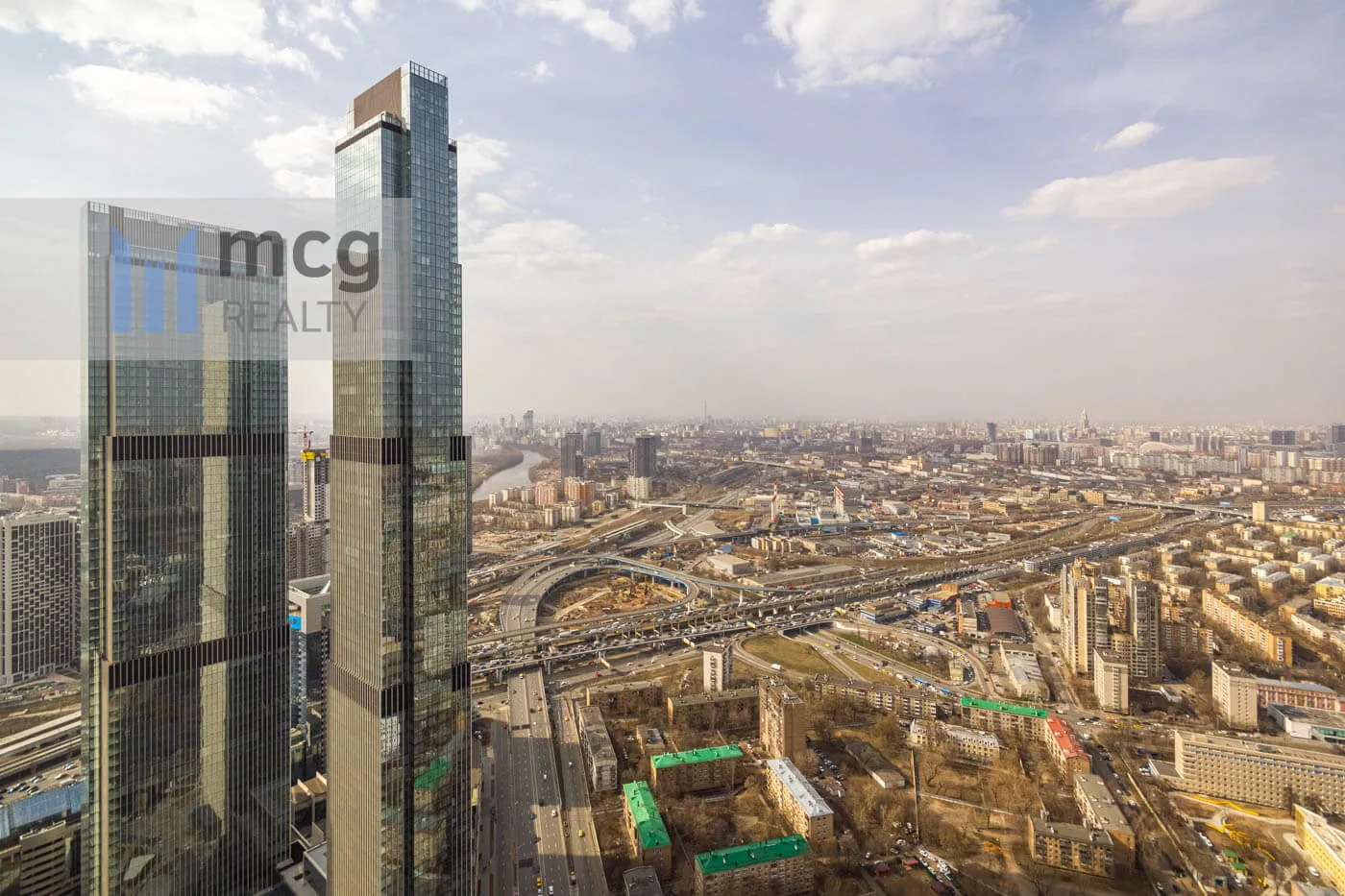
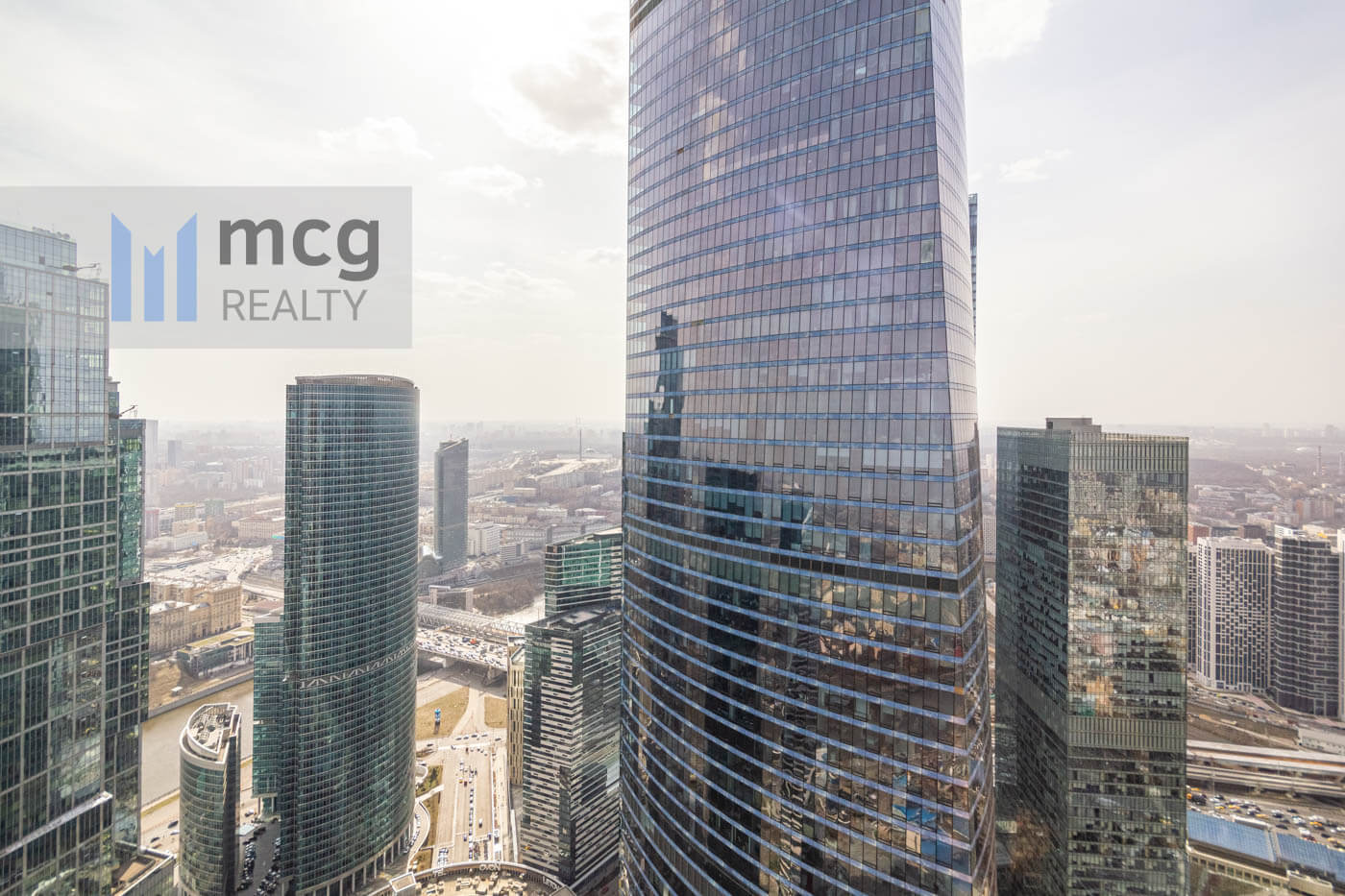
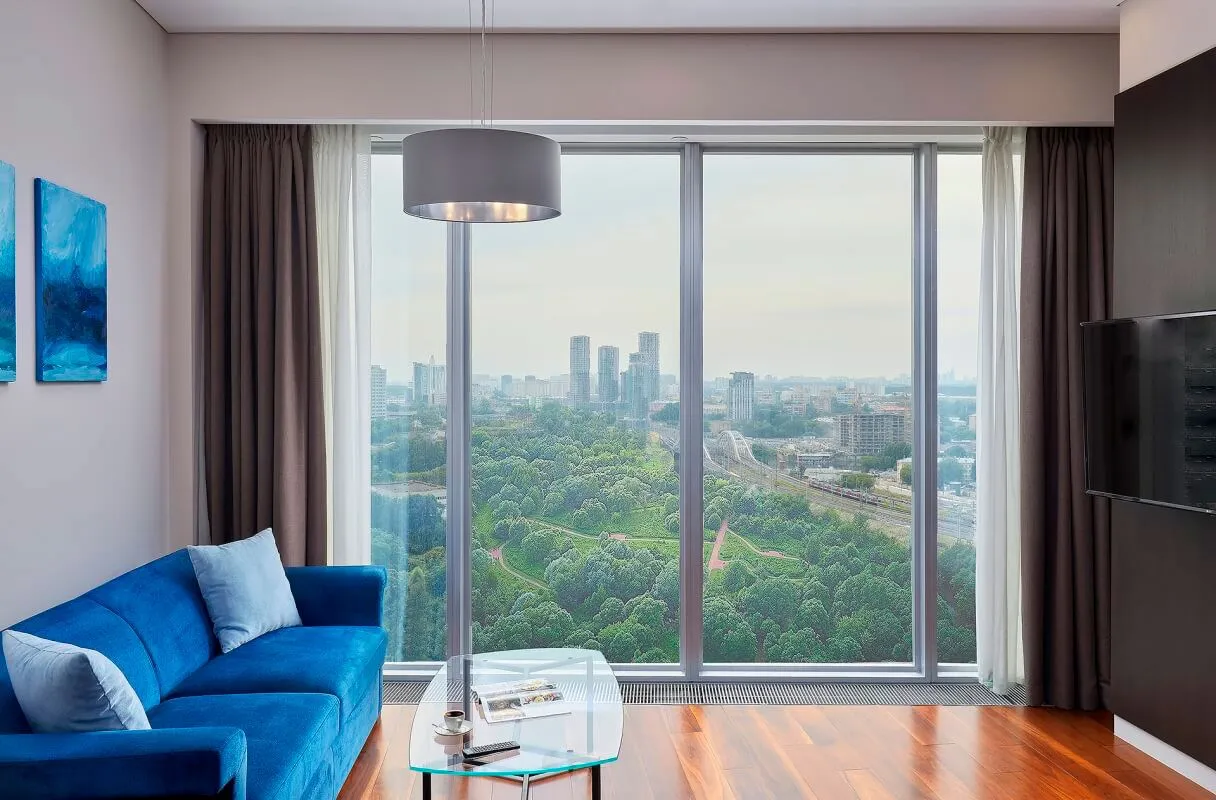
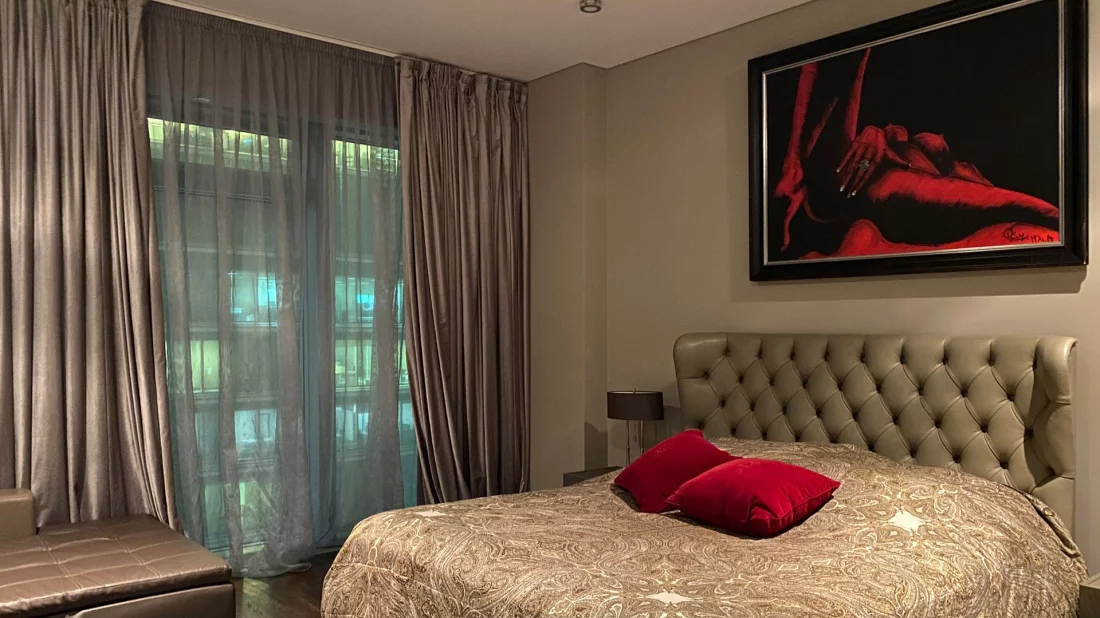
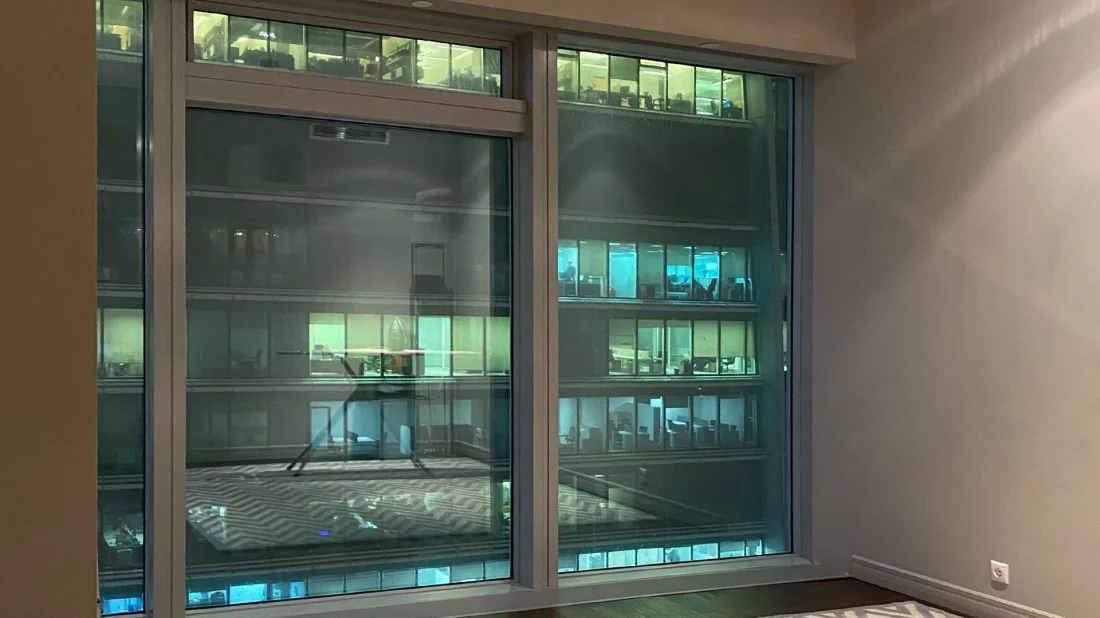
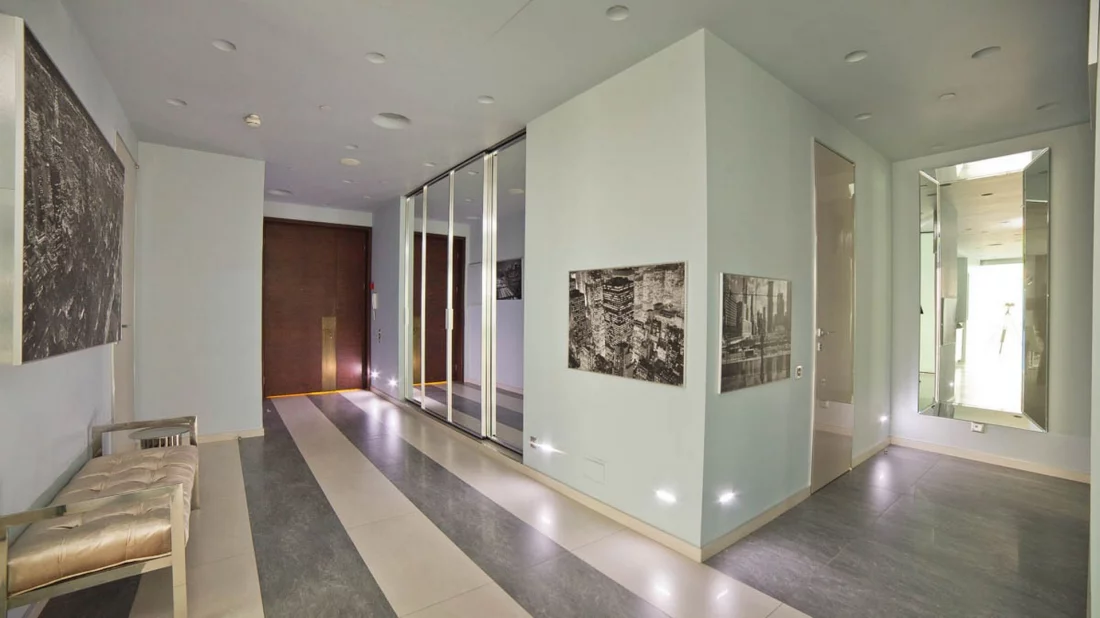
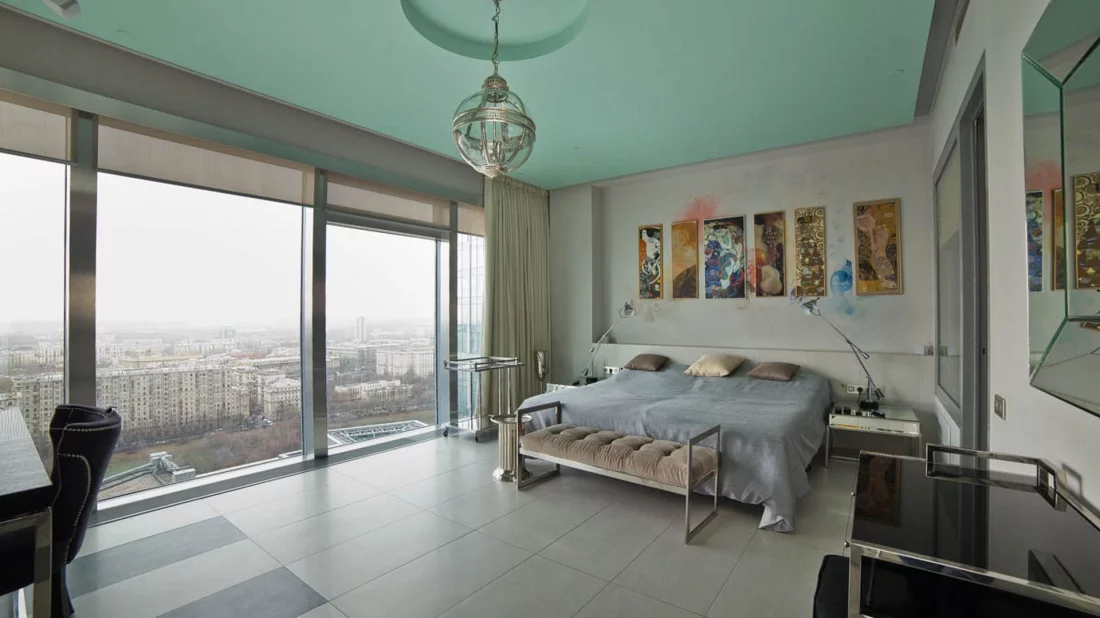
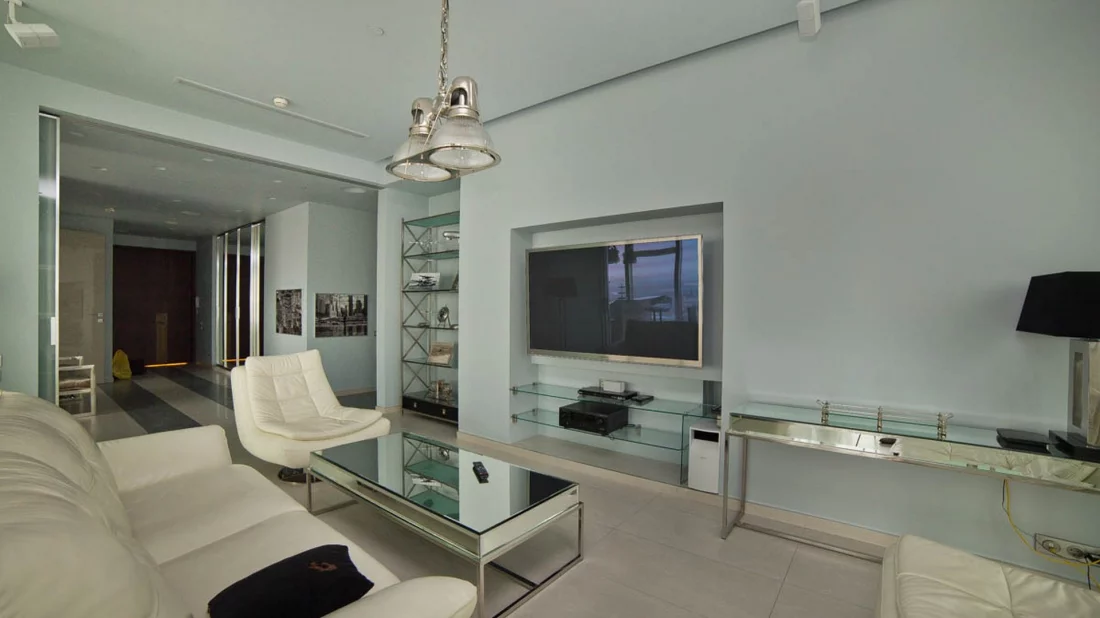
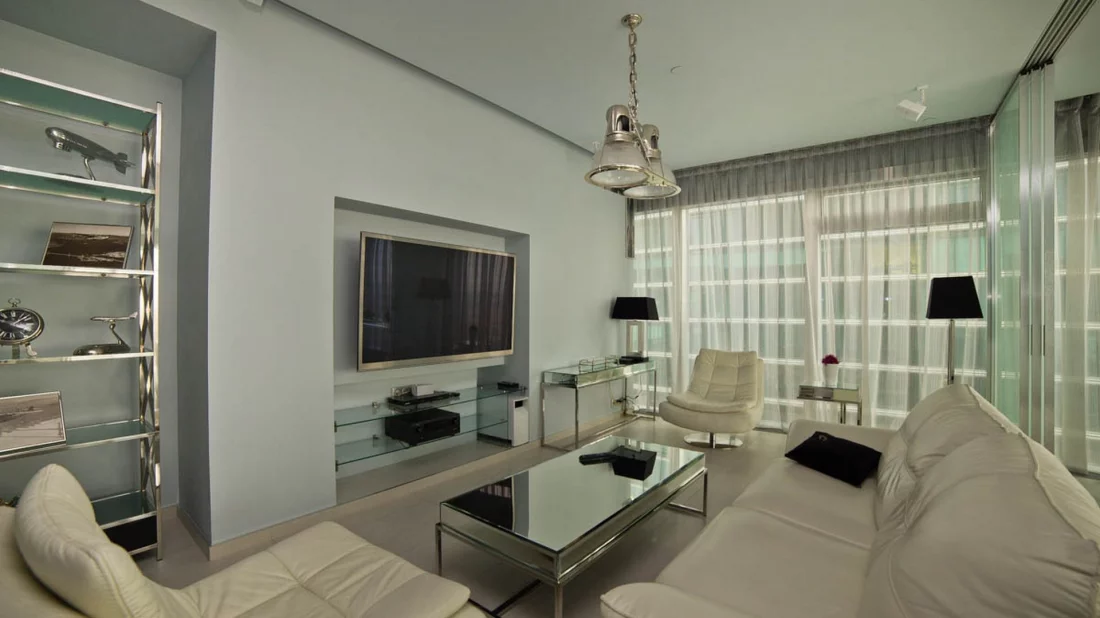
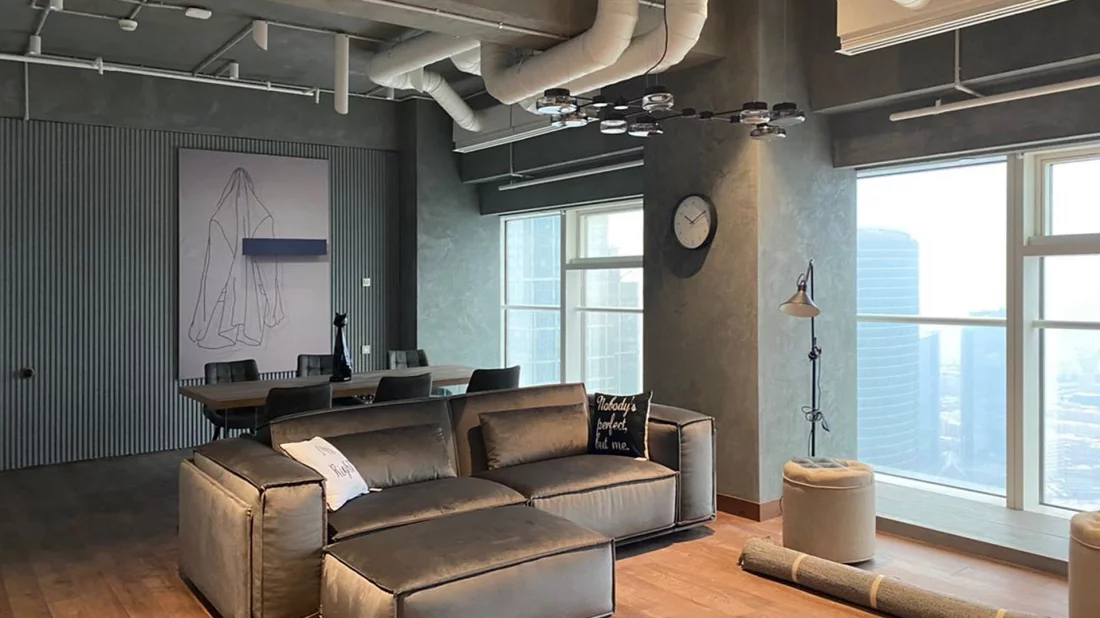
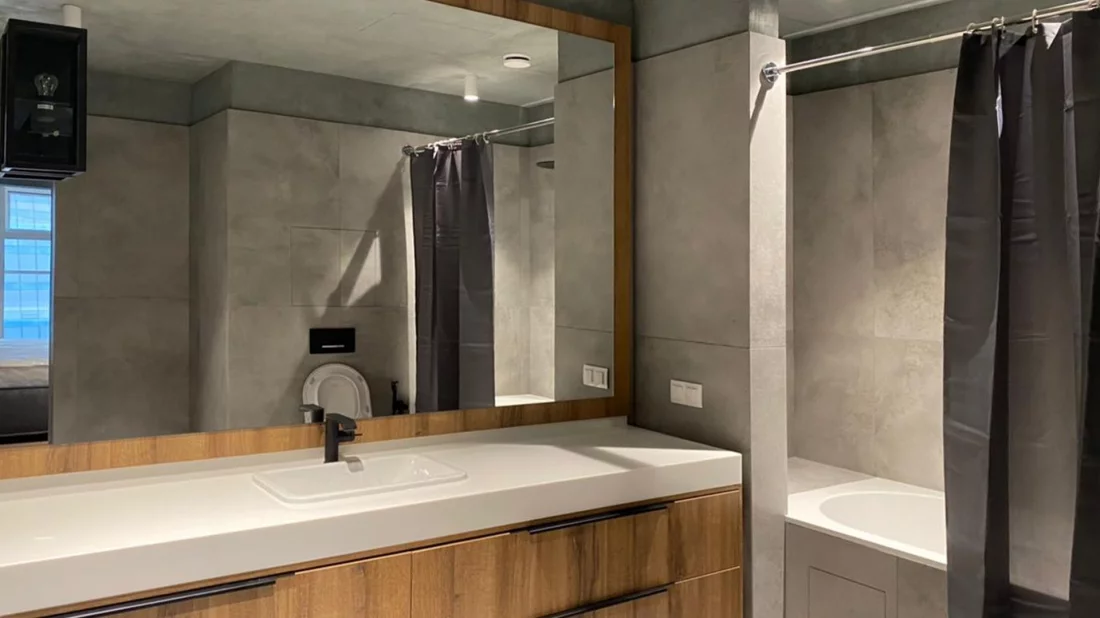
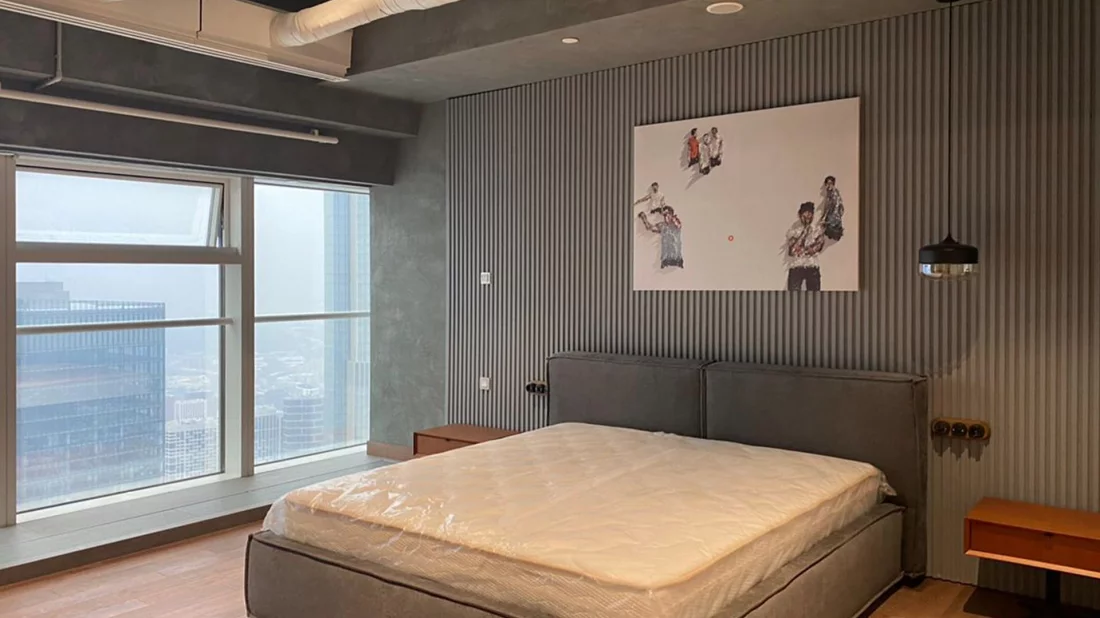
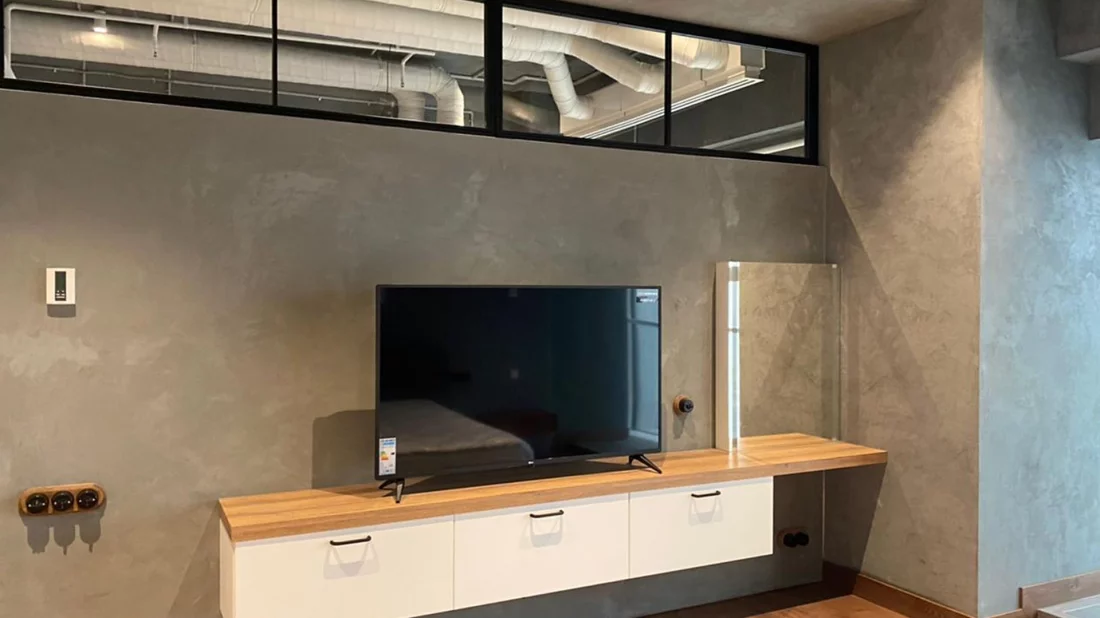
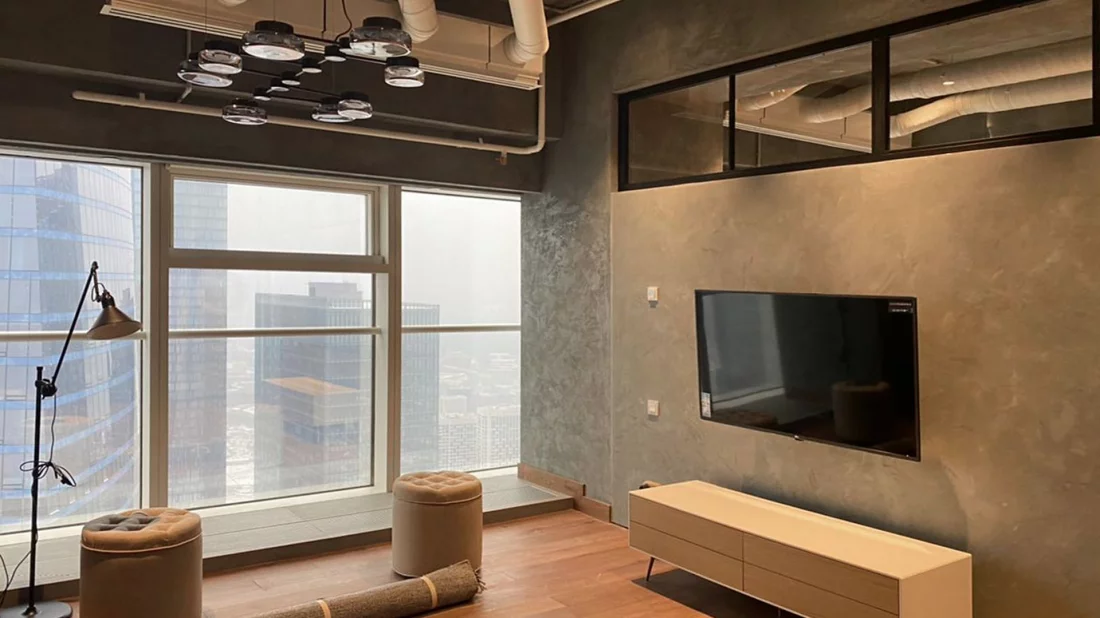
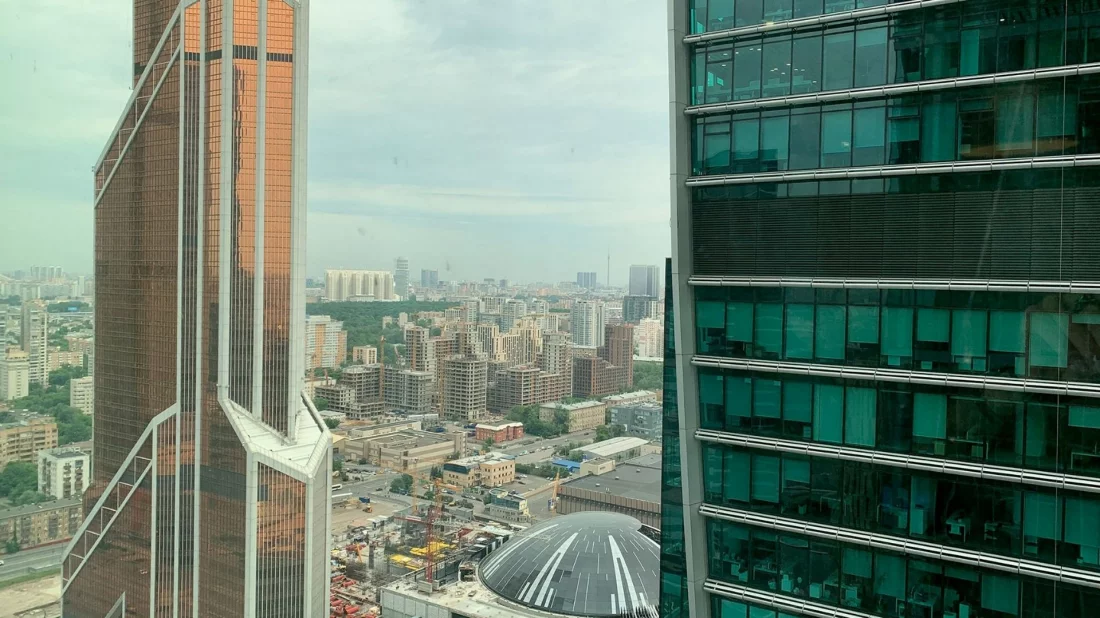
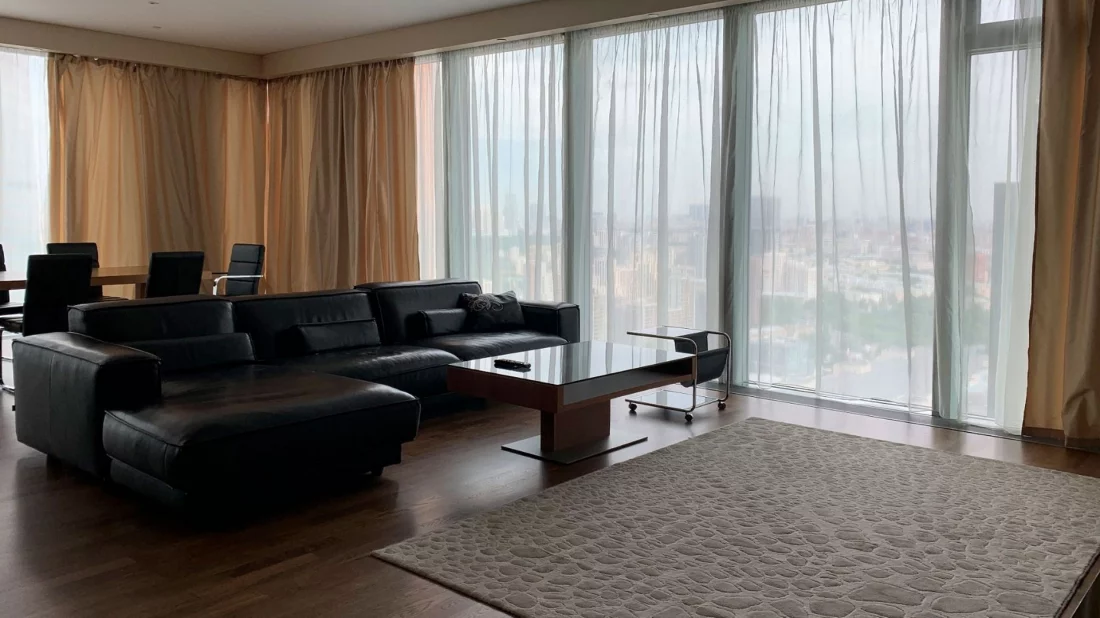
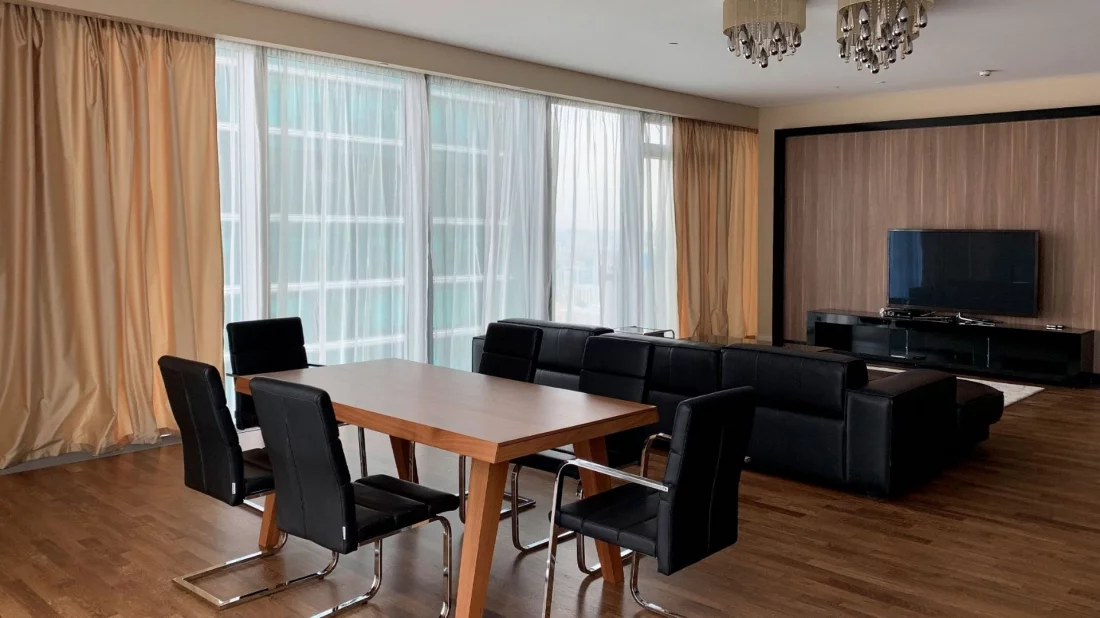
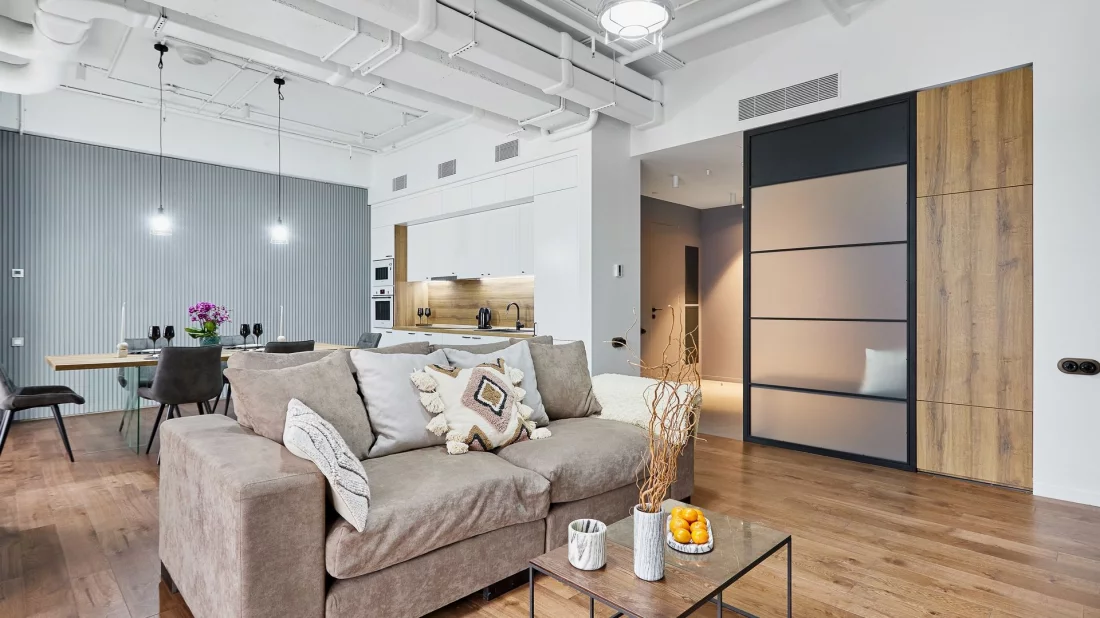
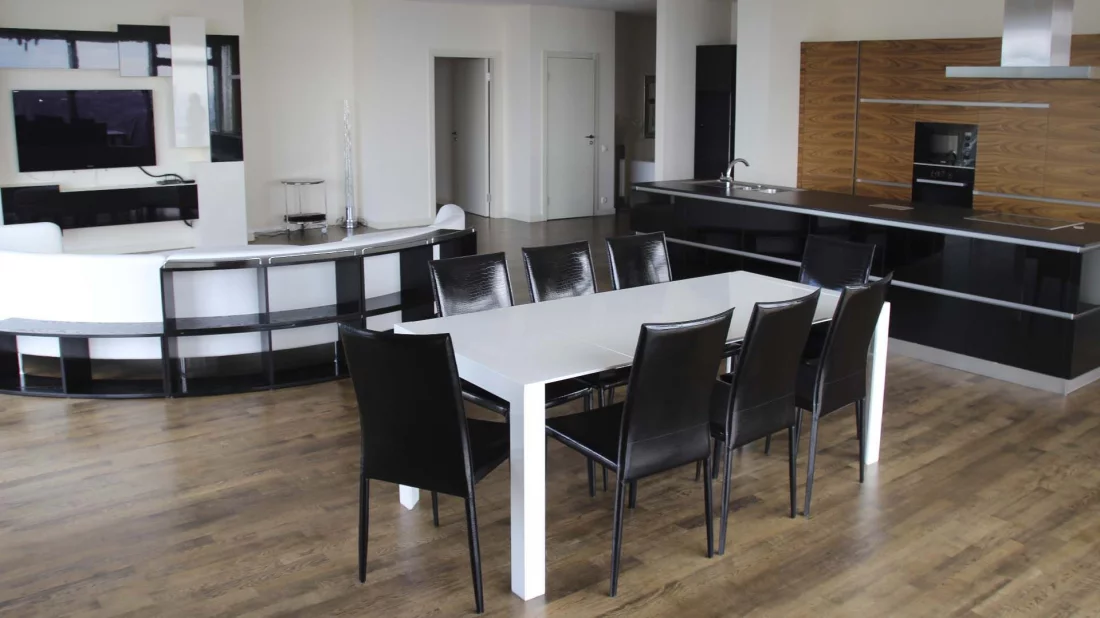
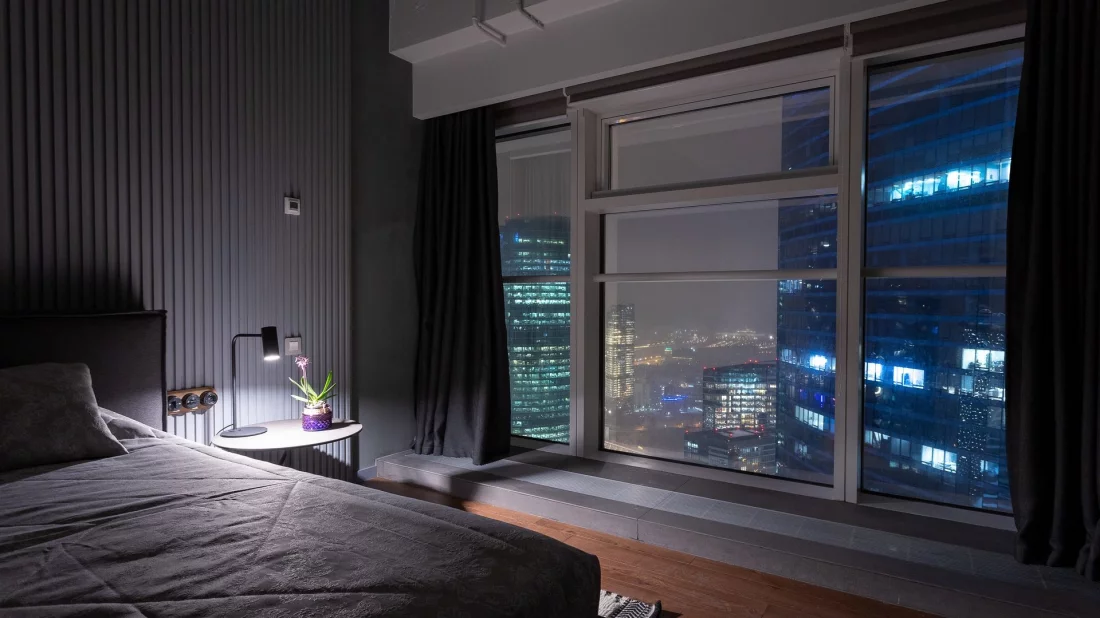
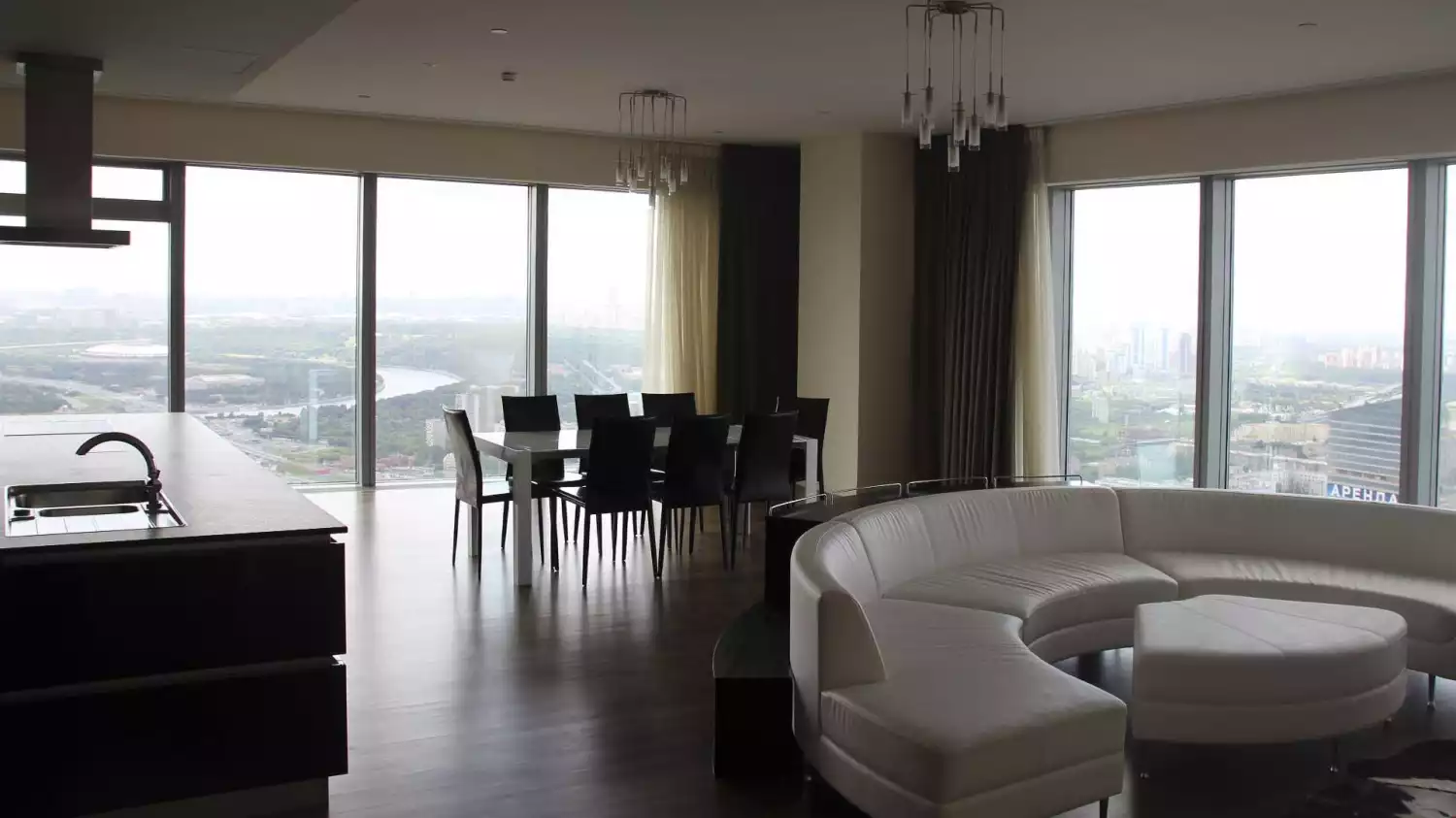
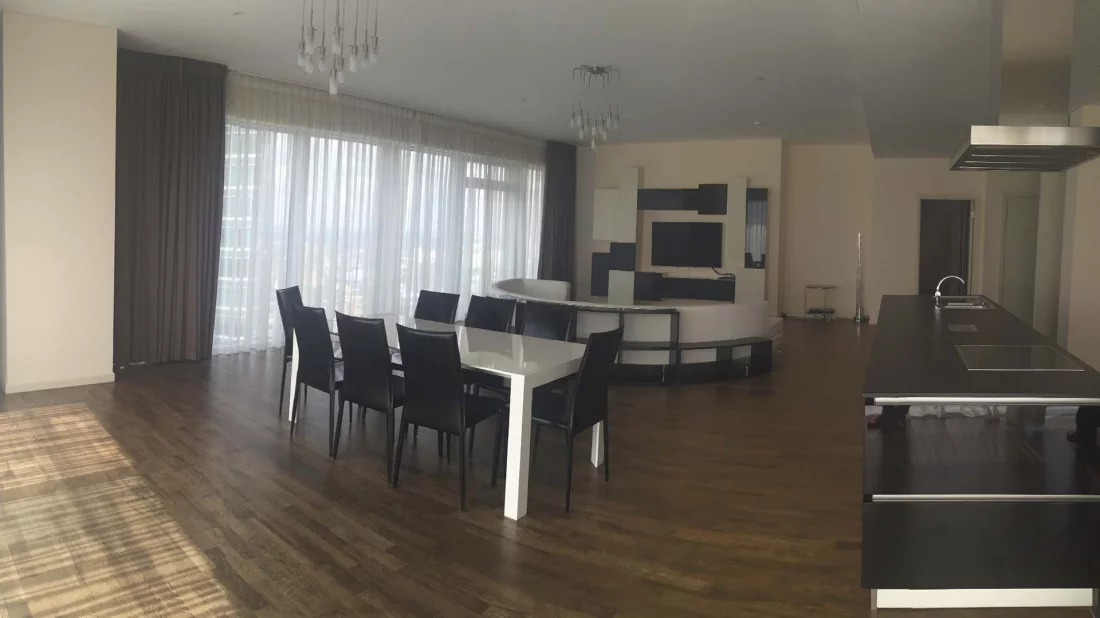
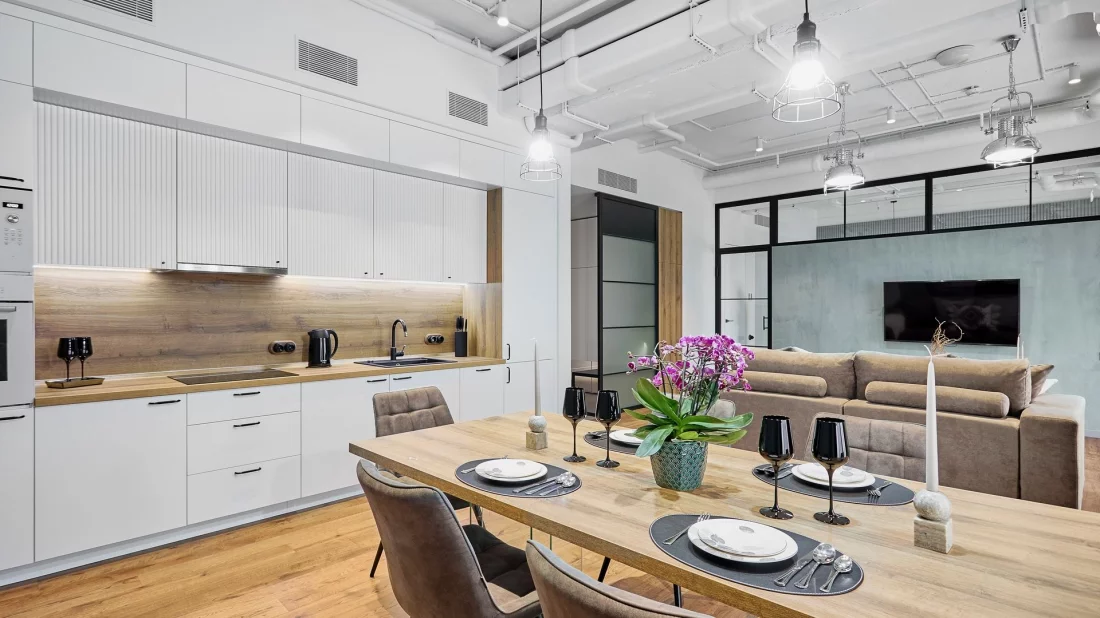
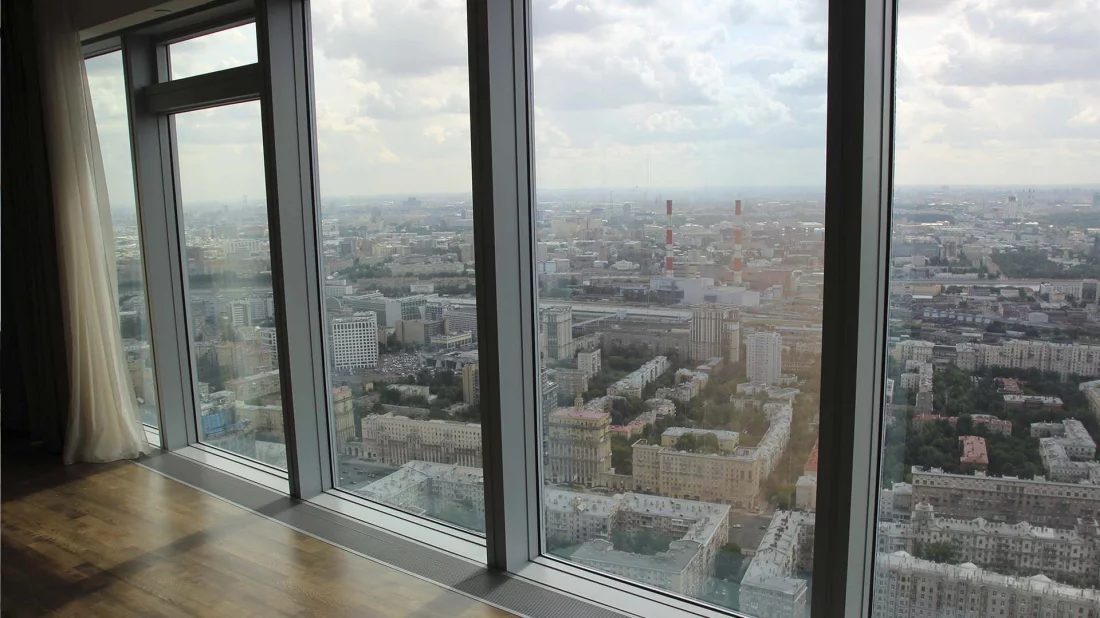
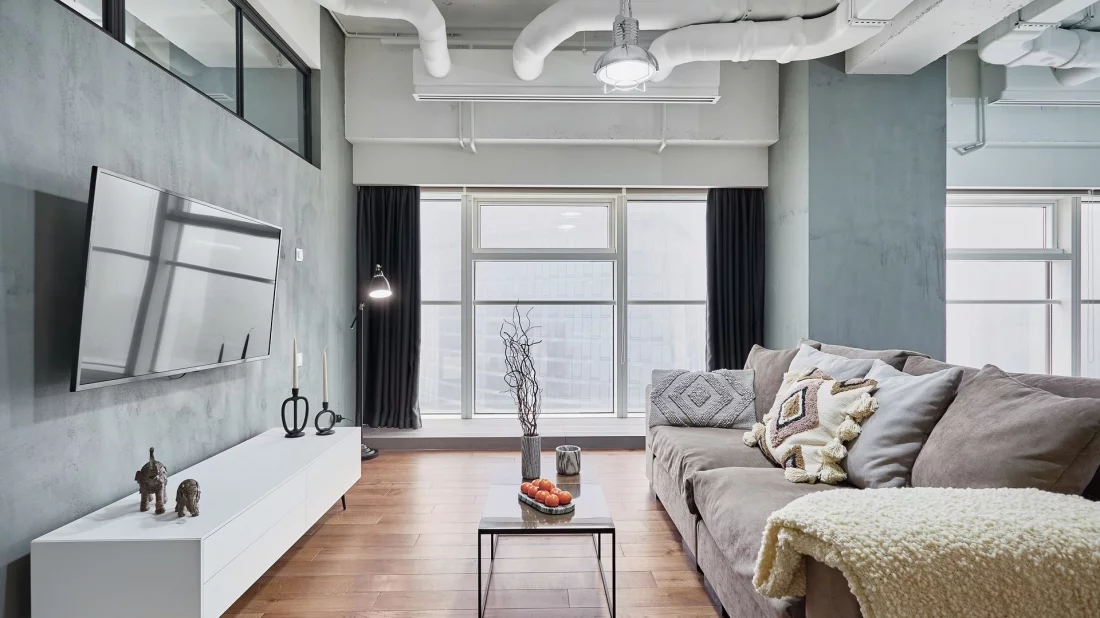
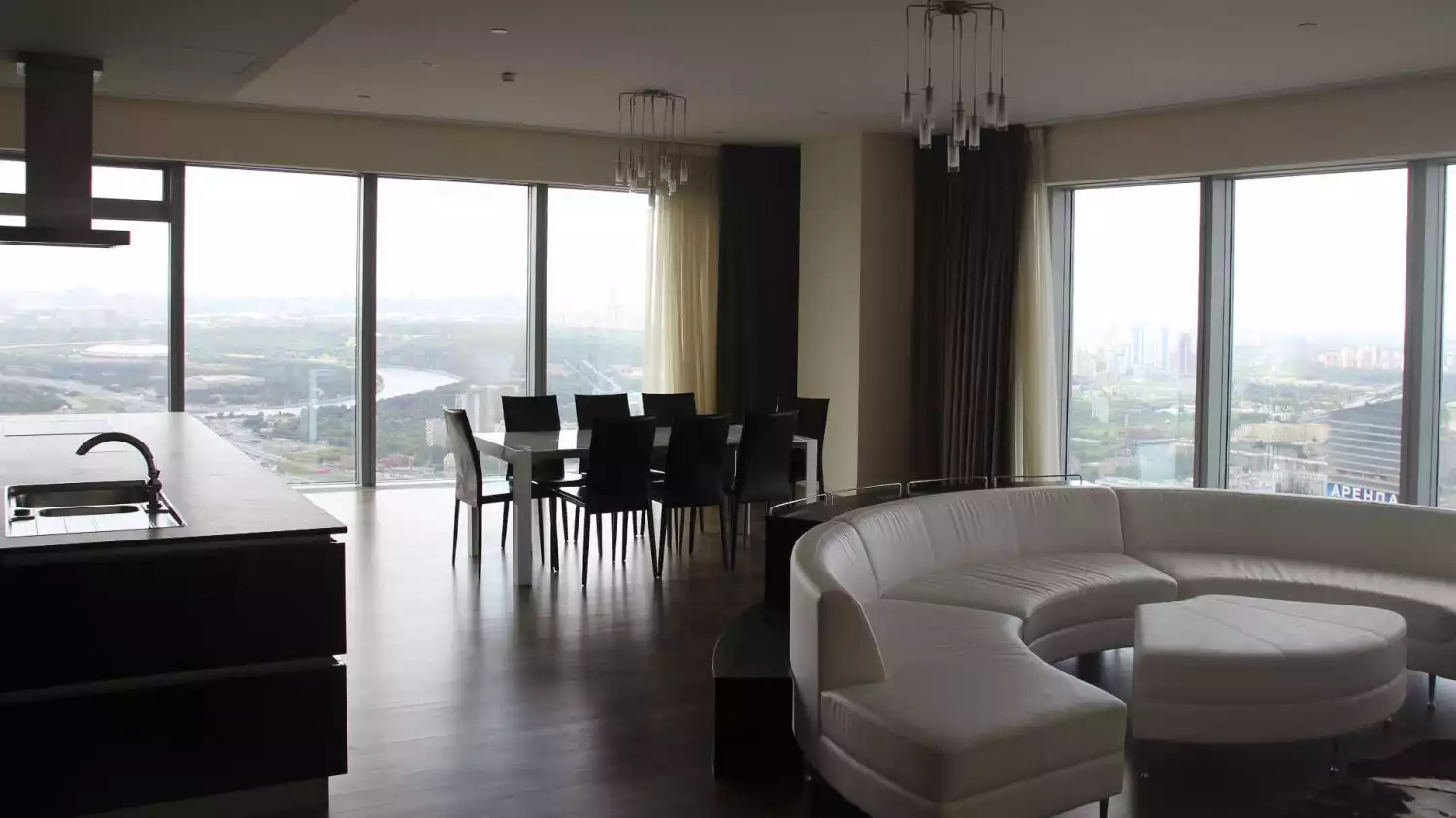
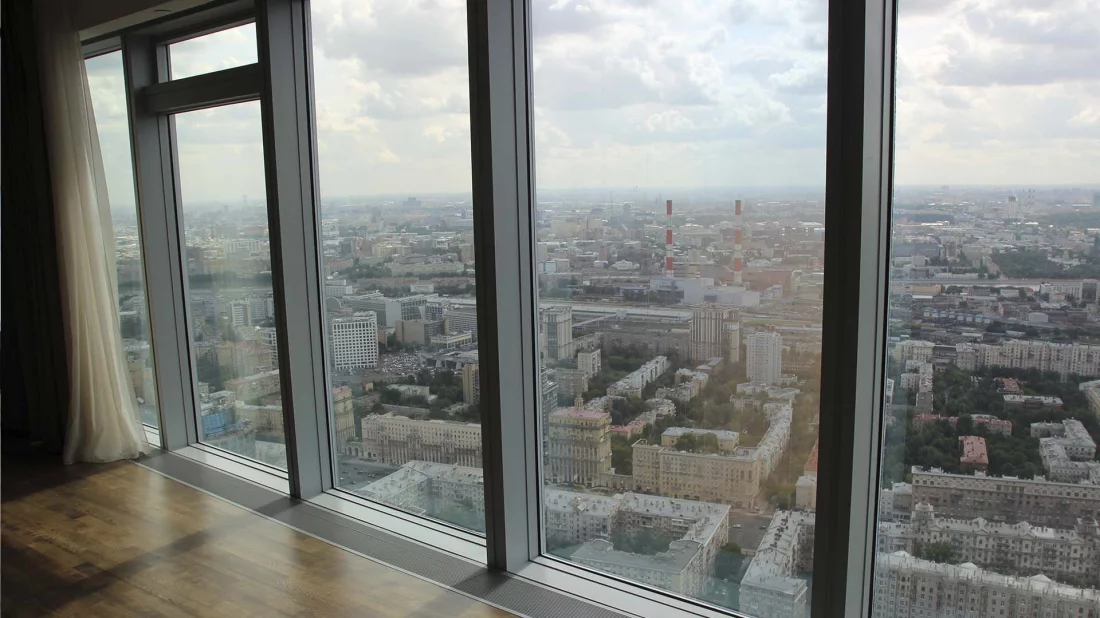
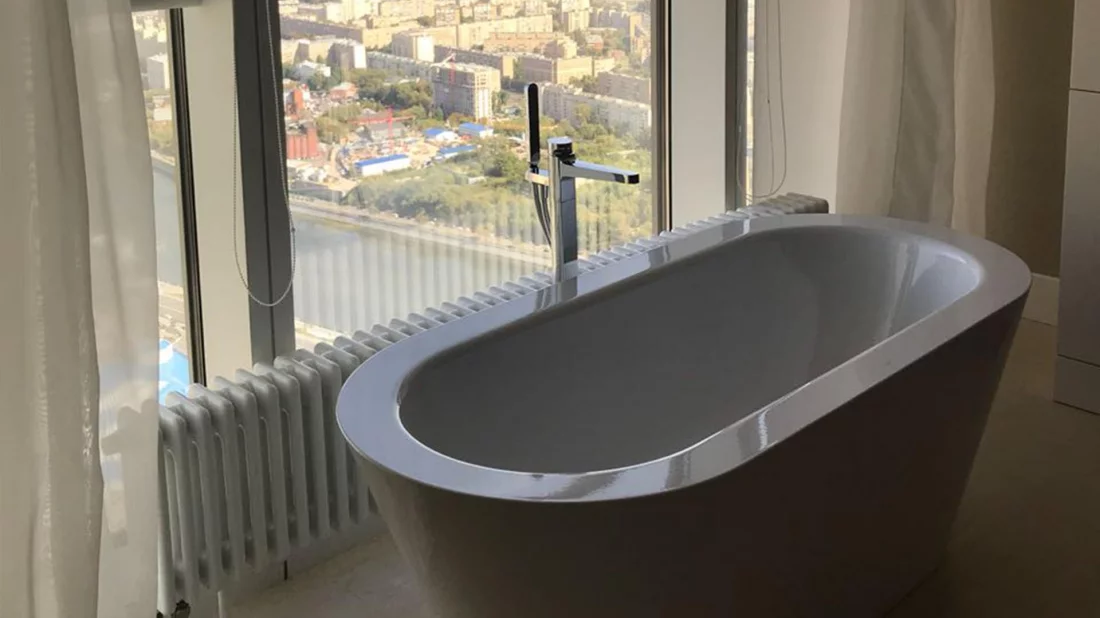
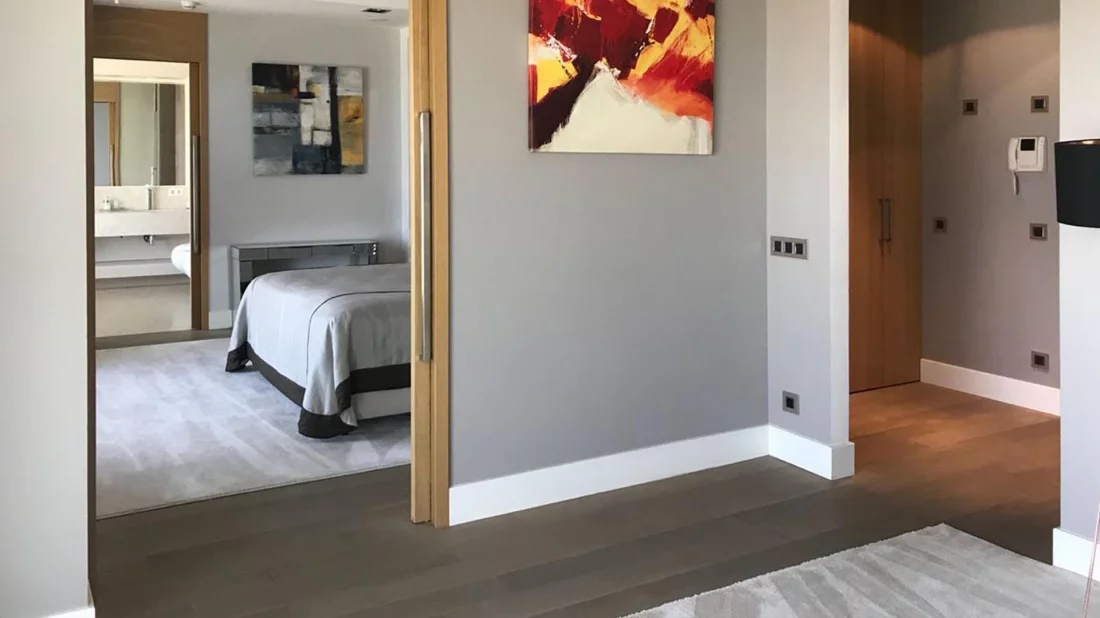
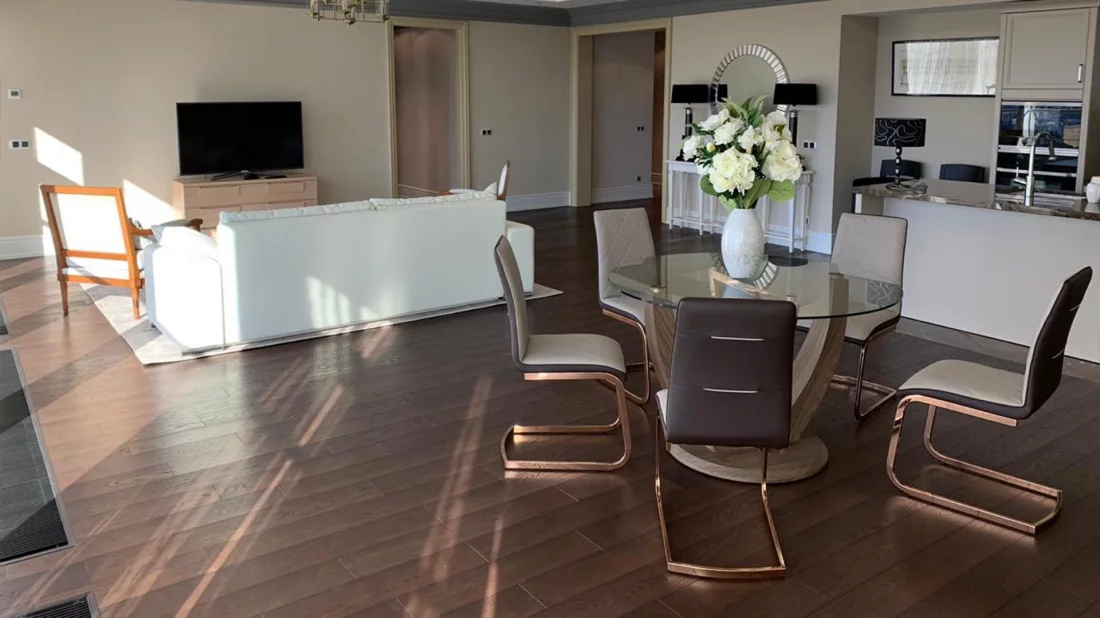
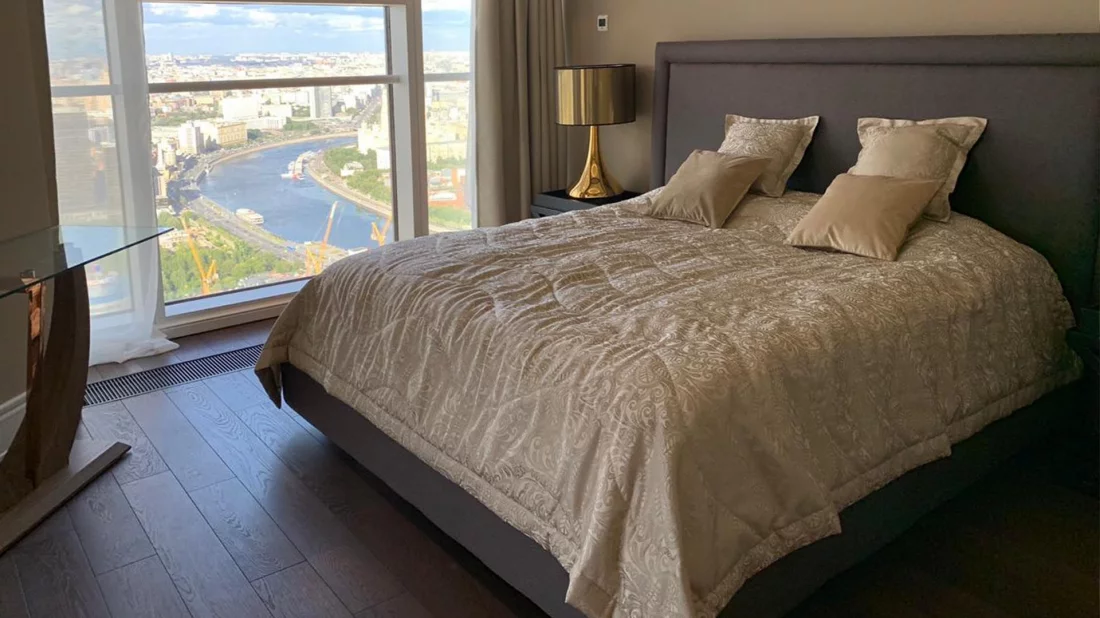
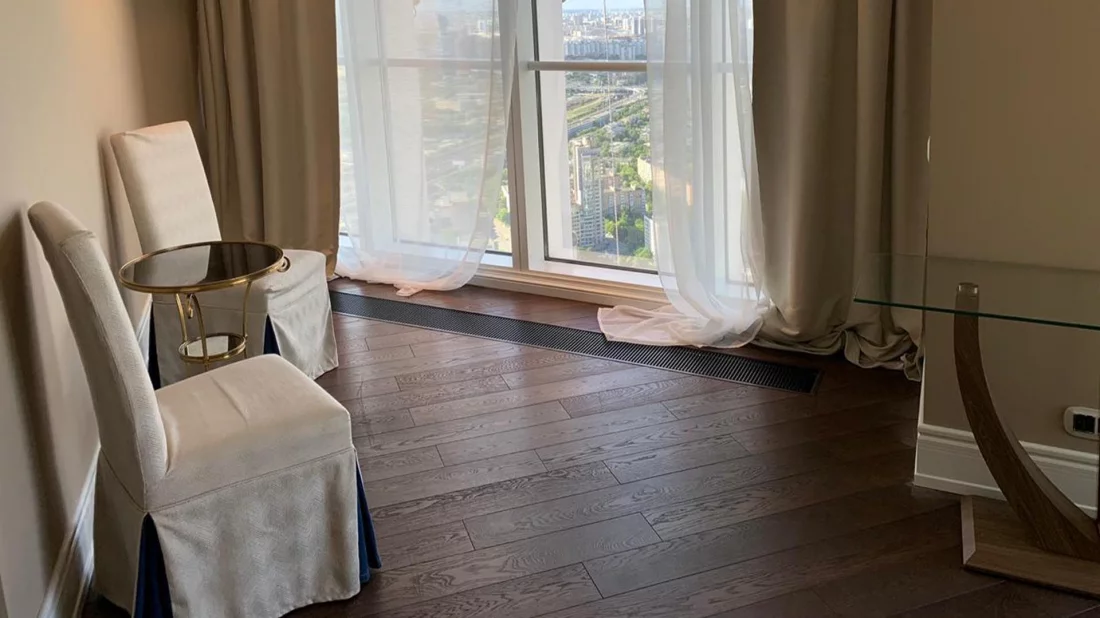
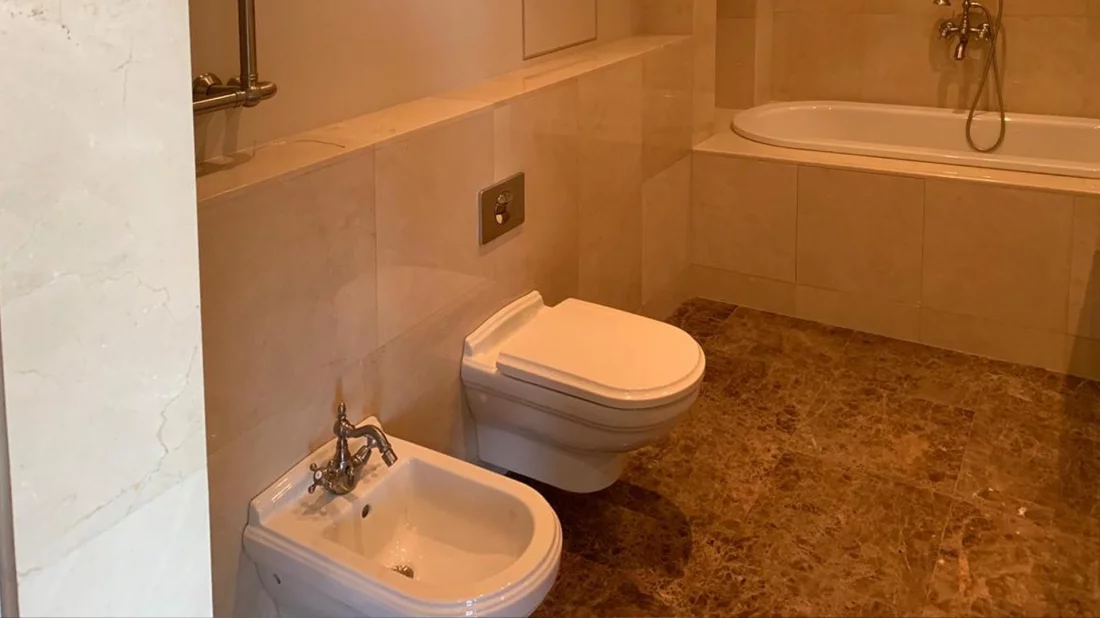
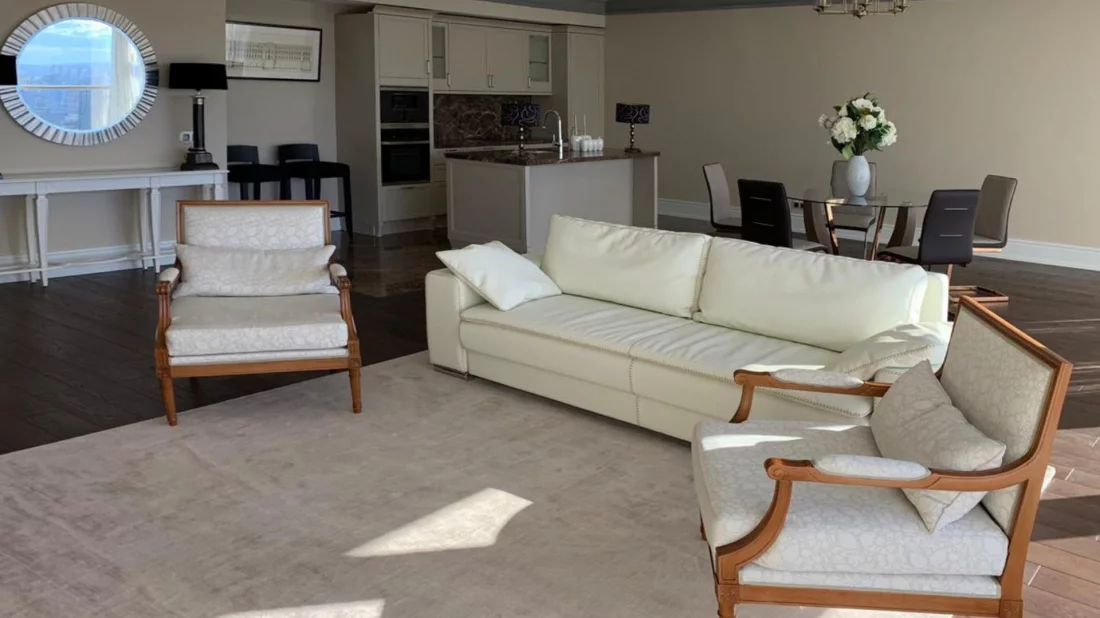
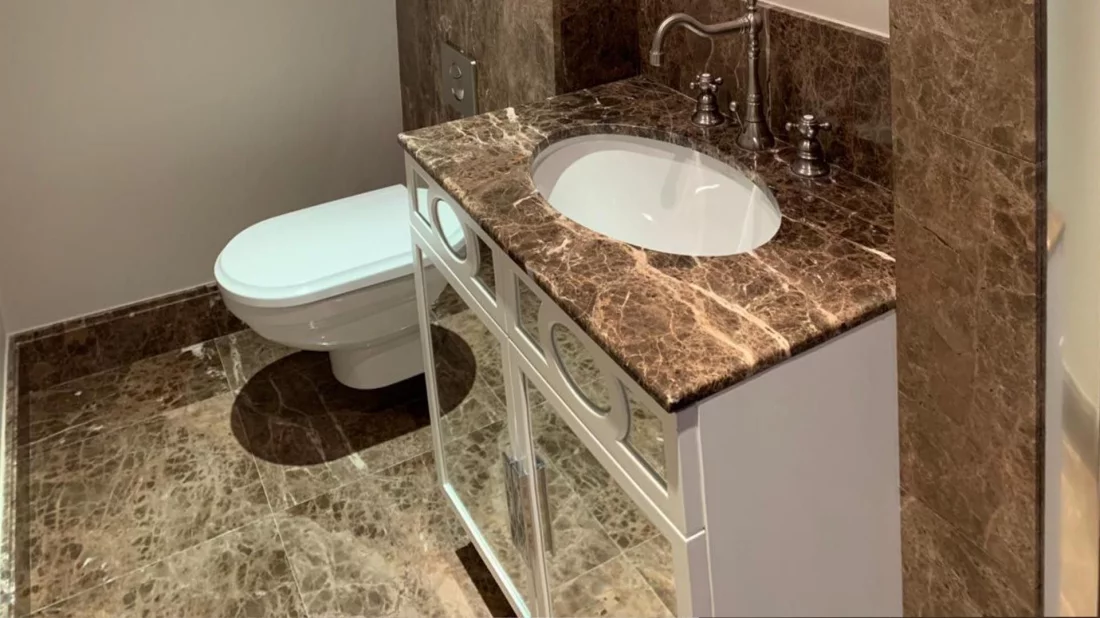
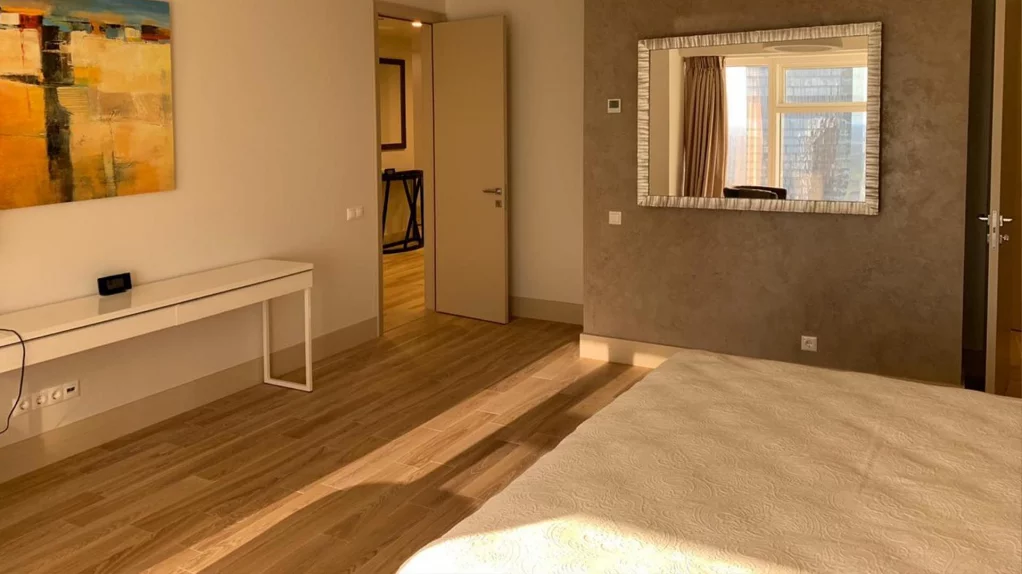
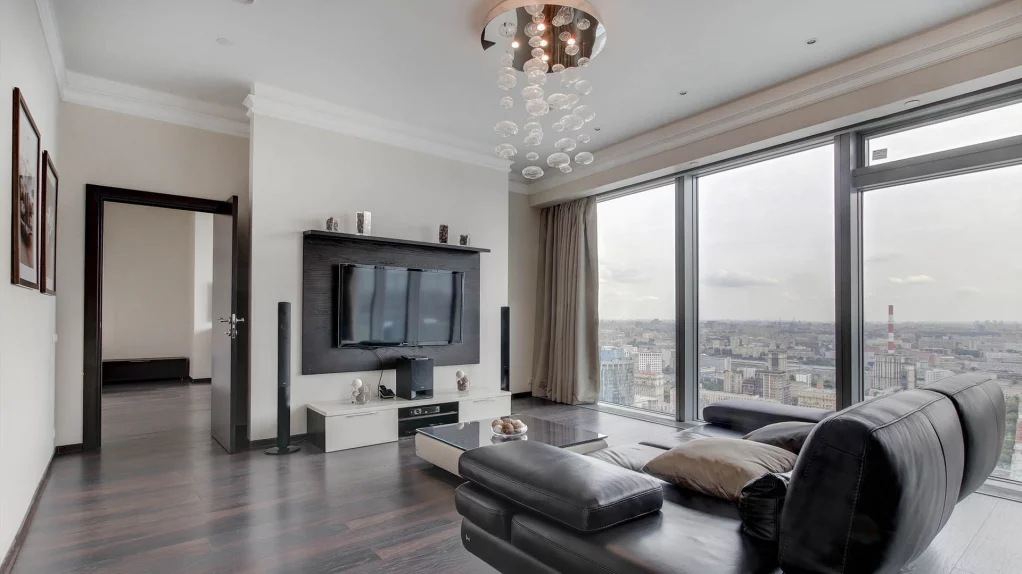
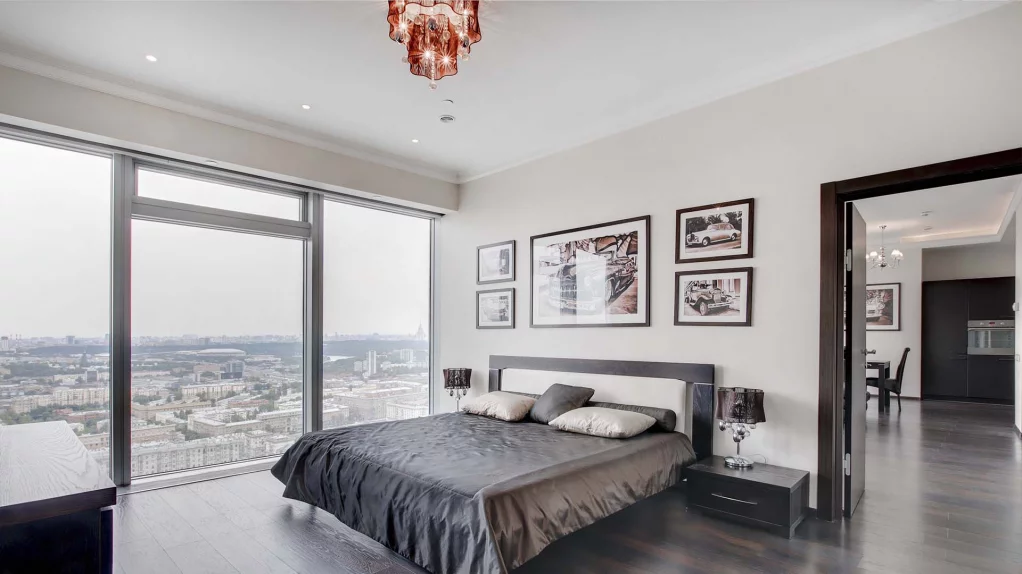
You can rent an apartment at the Moscow International Business Center (MIBC) for a month, several months, or a year. This rental option is ideal for those who work nearby, regularly visit the capital, or plan to live there permanently without having to commute across the city every day.
Before signing a long-term apartment lease, be sure to check:
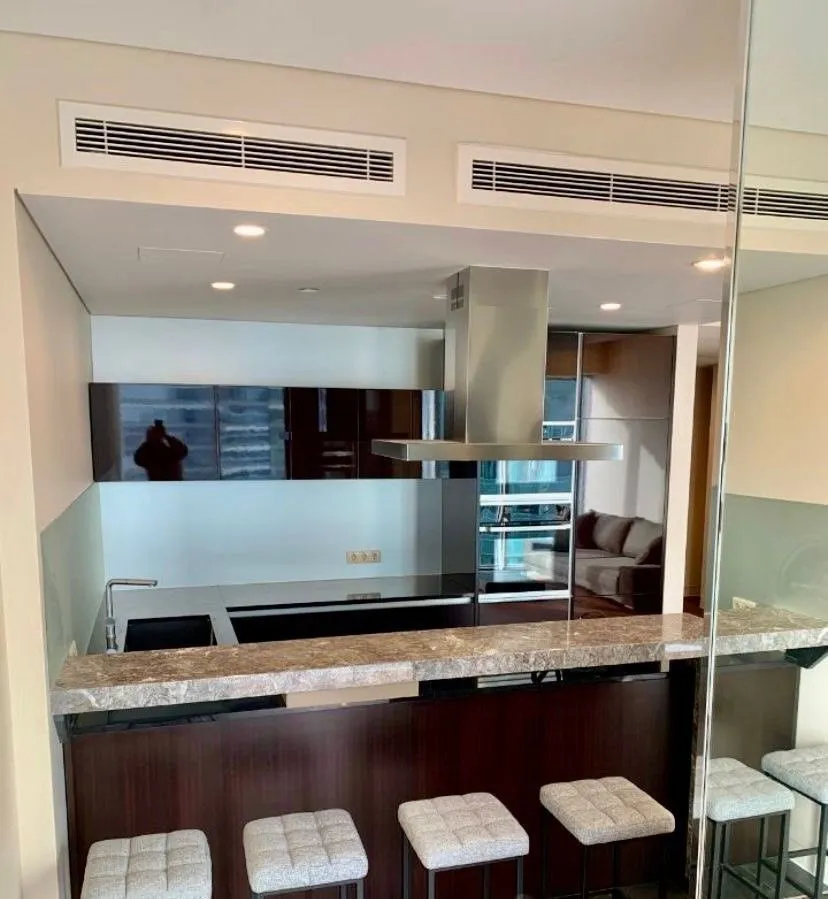
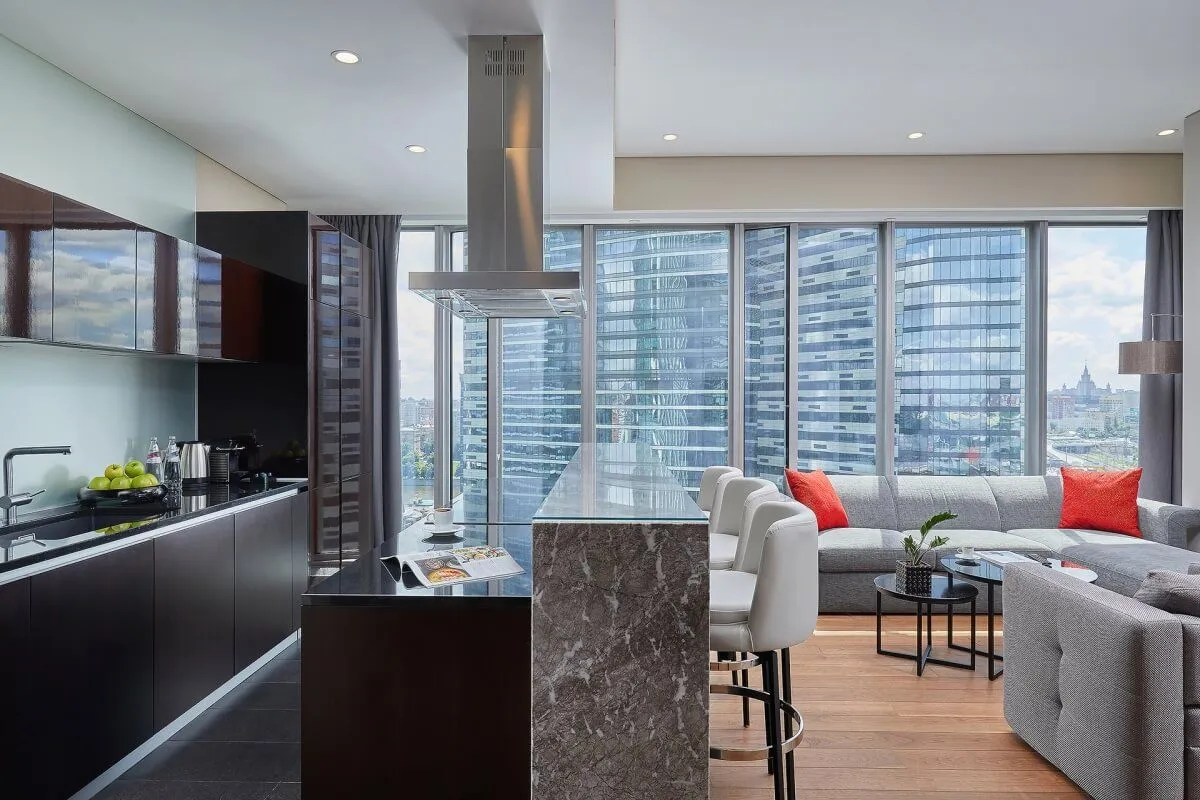
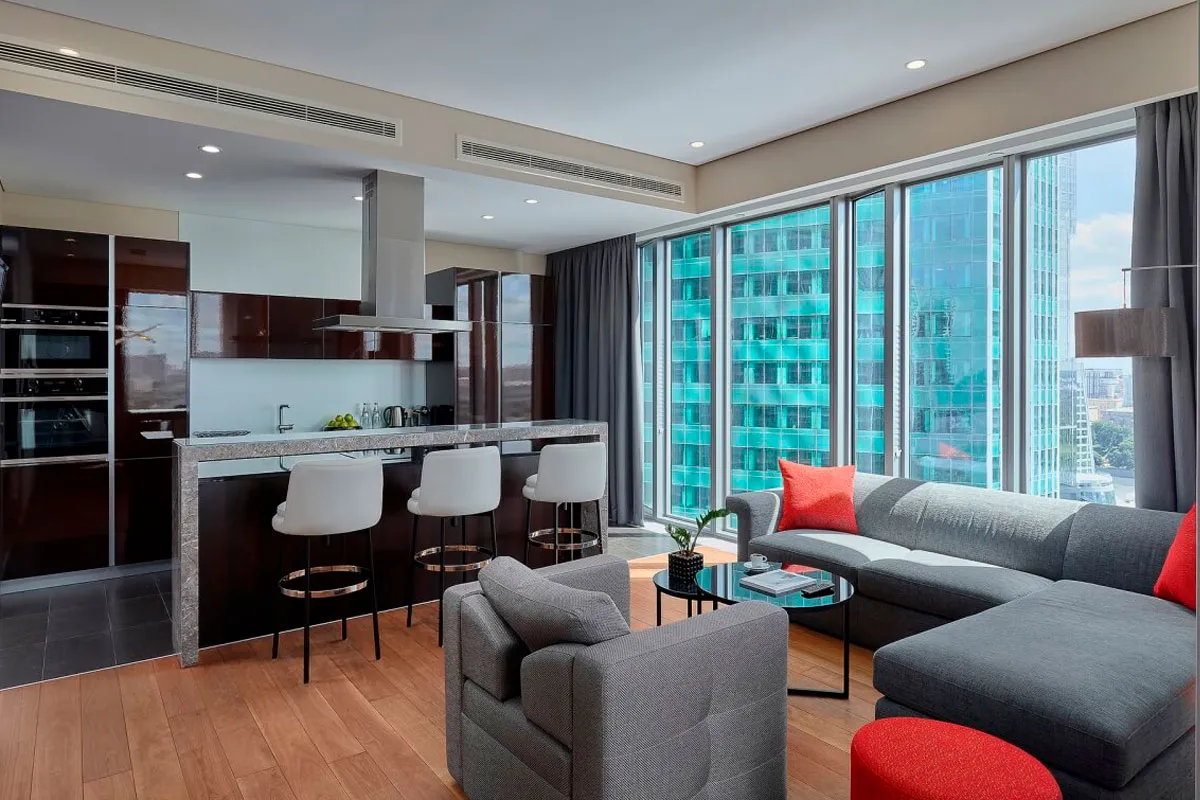
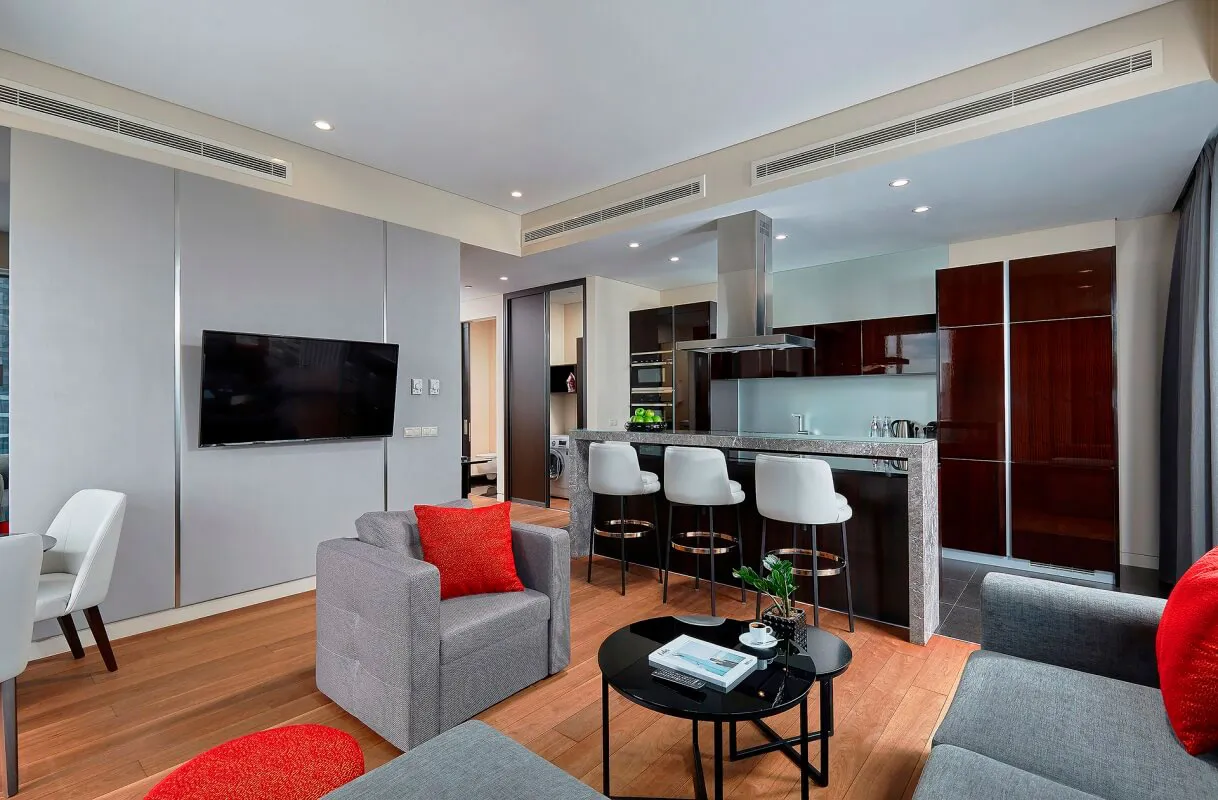
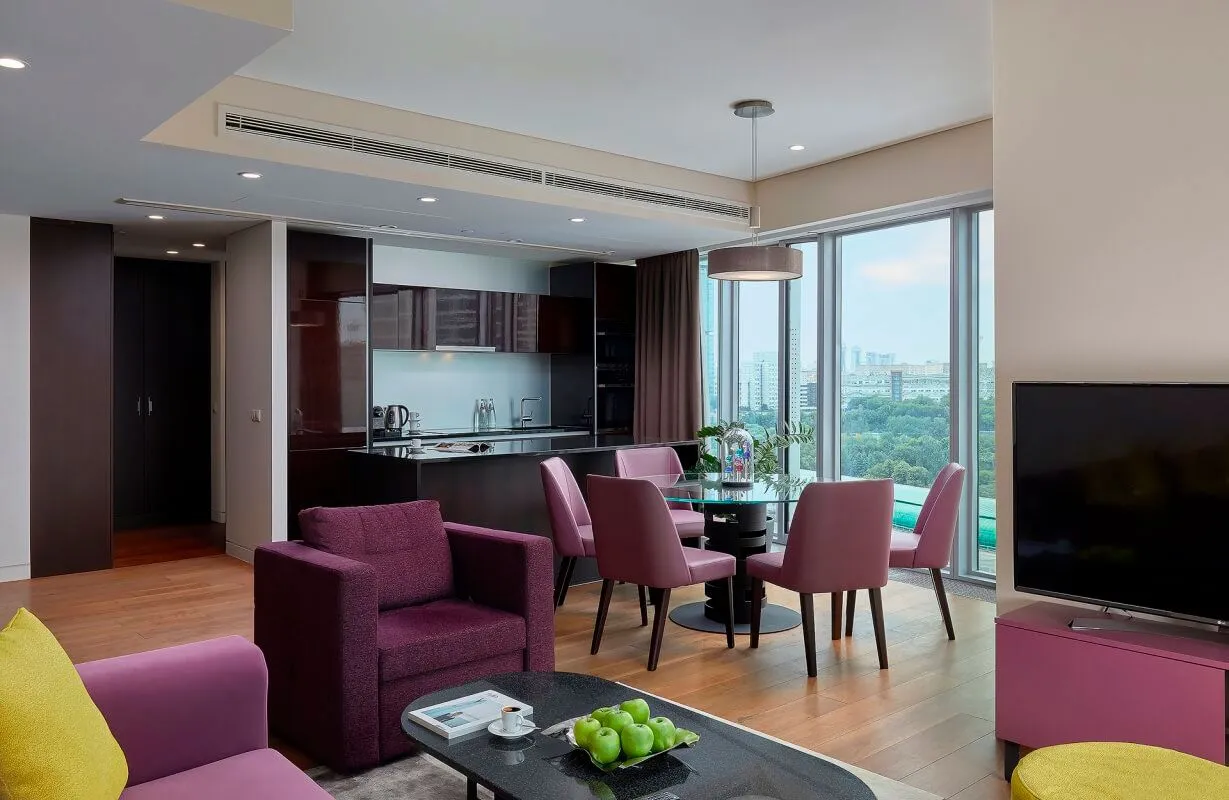
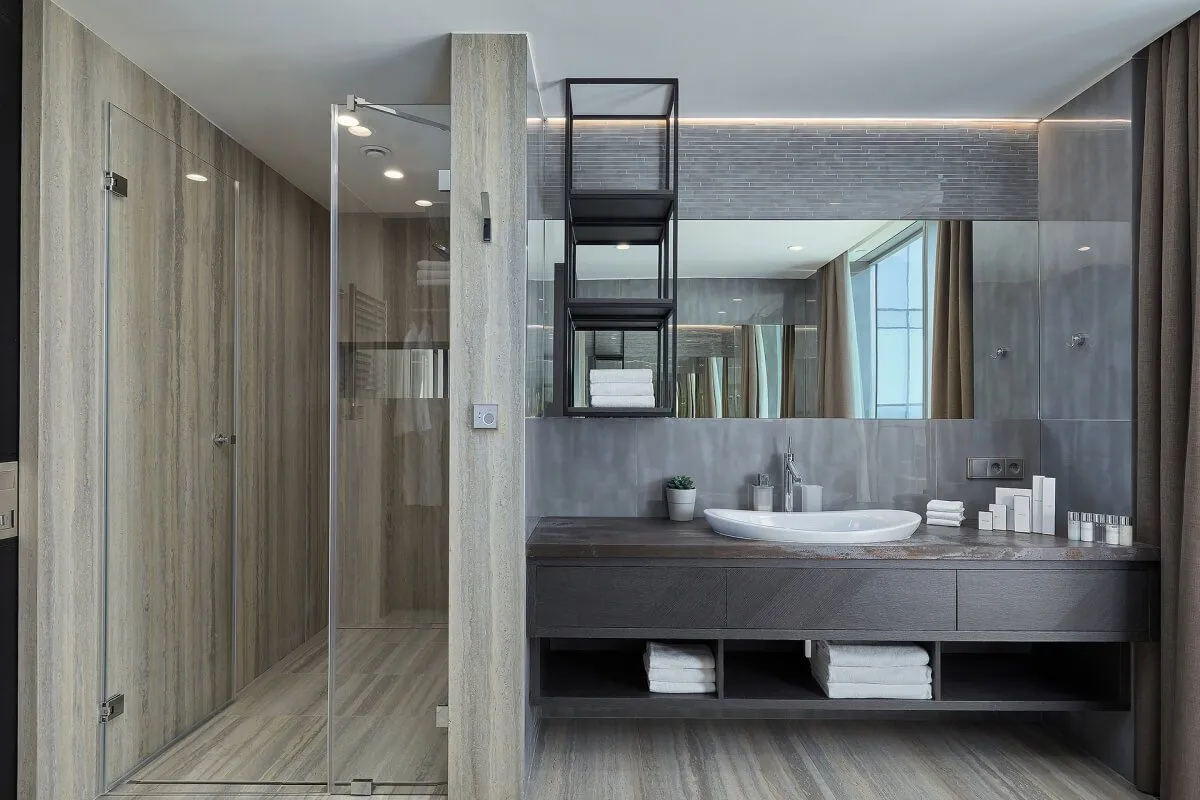
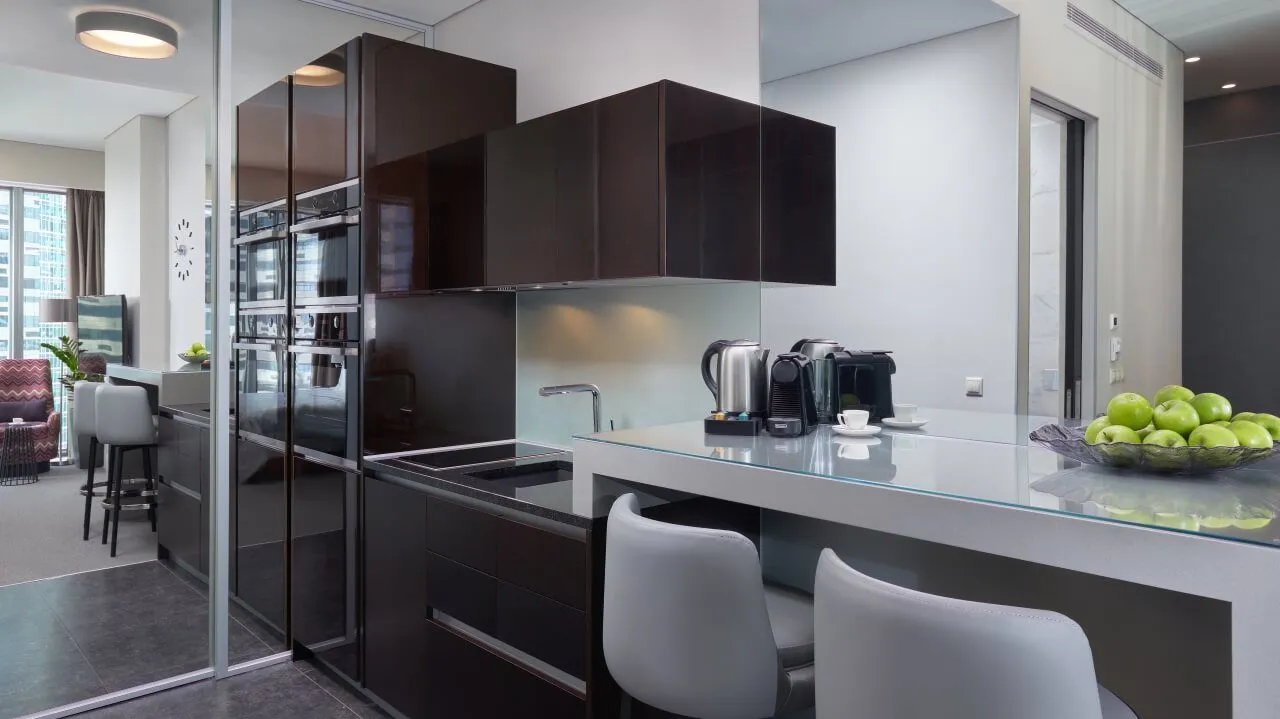
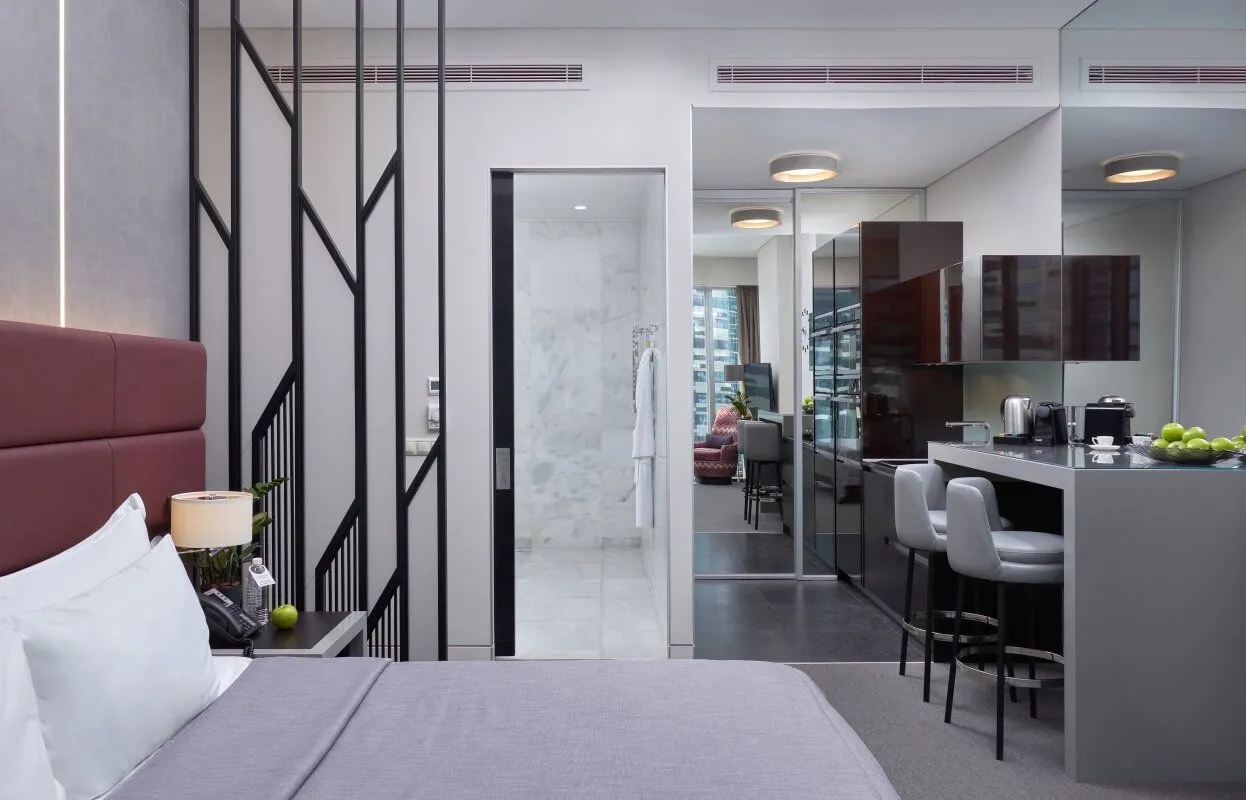
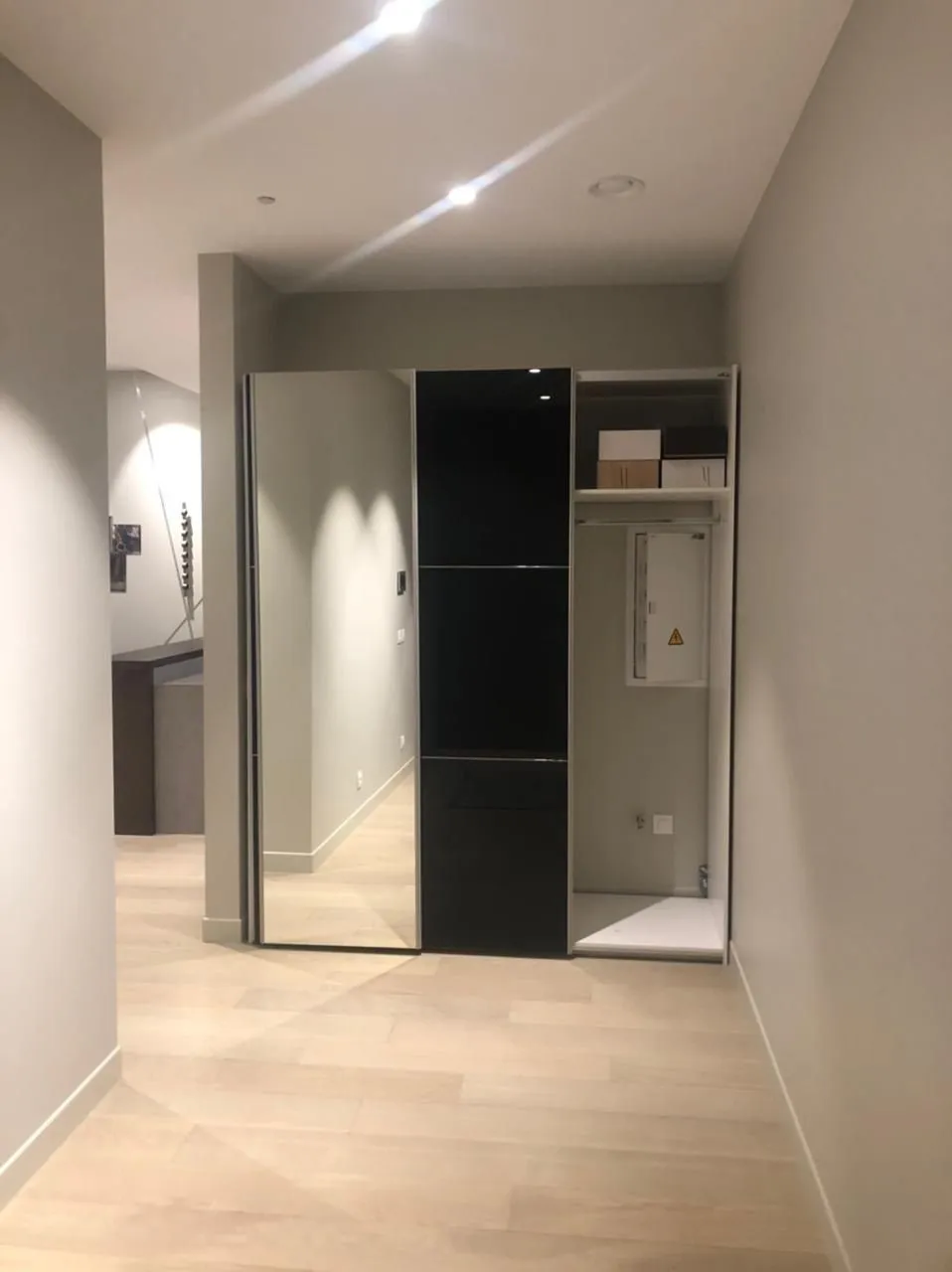
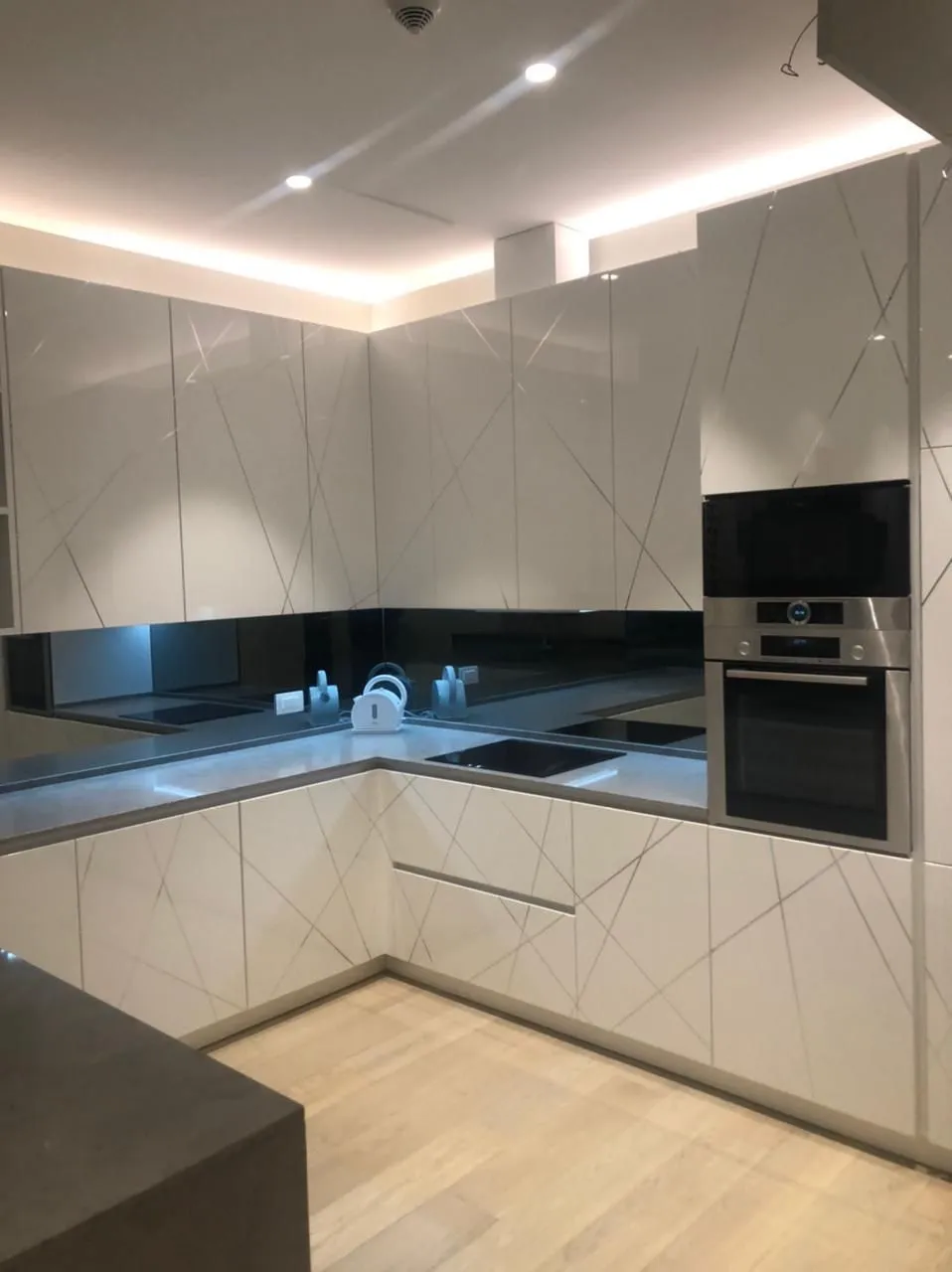
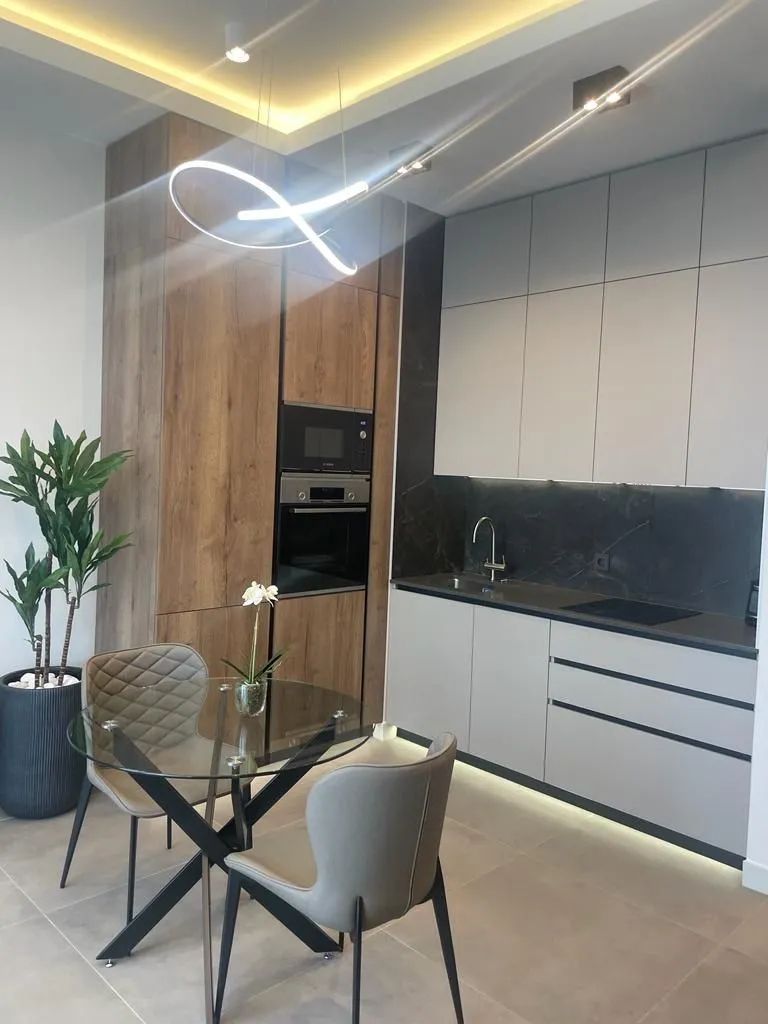
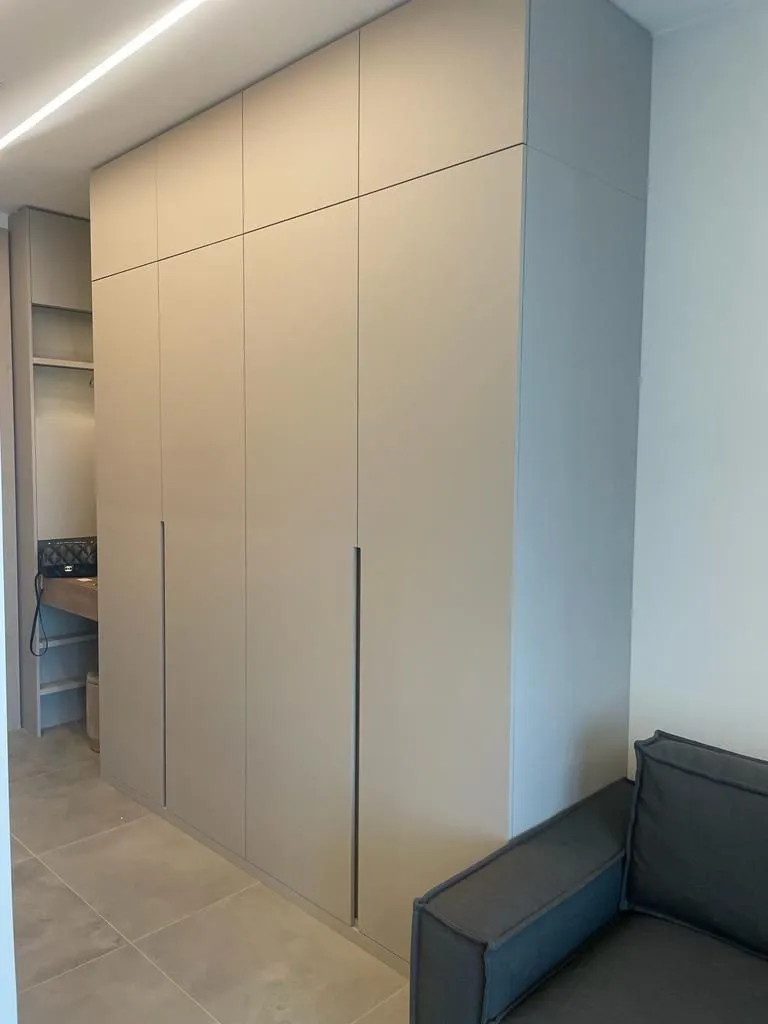
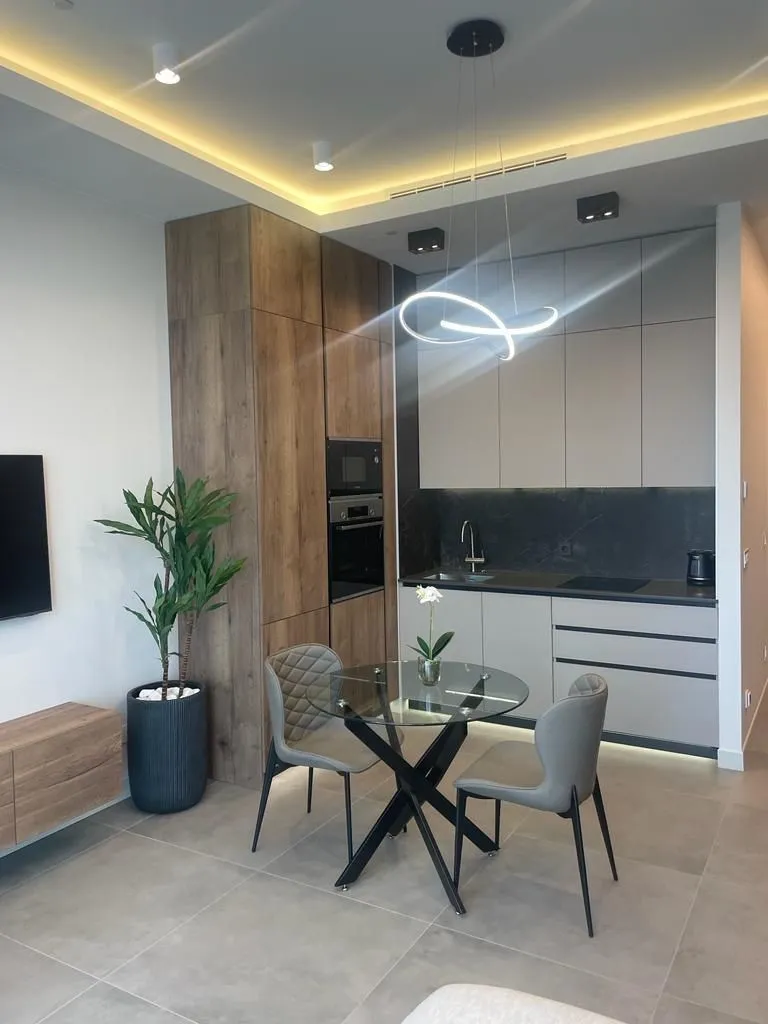
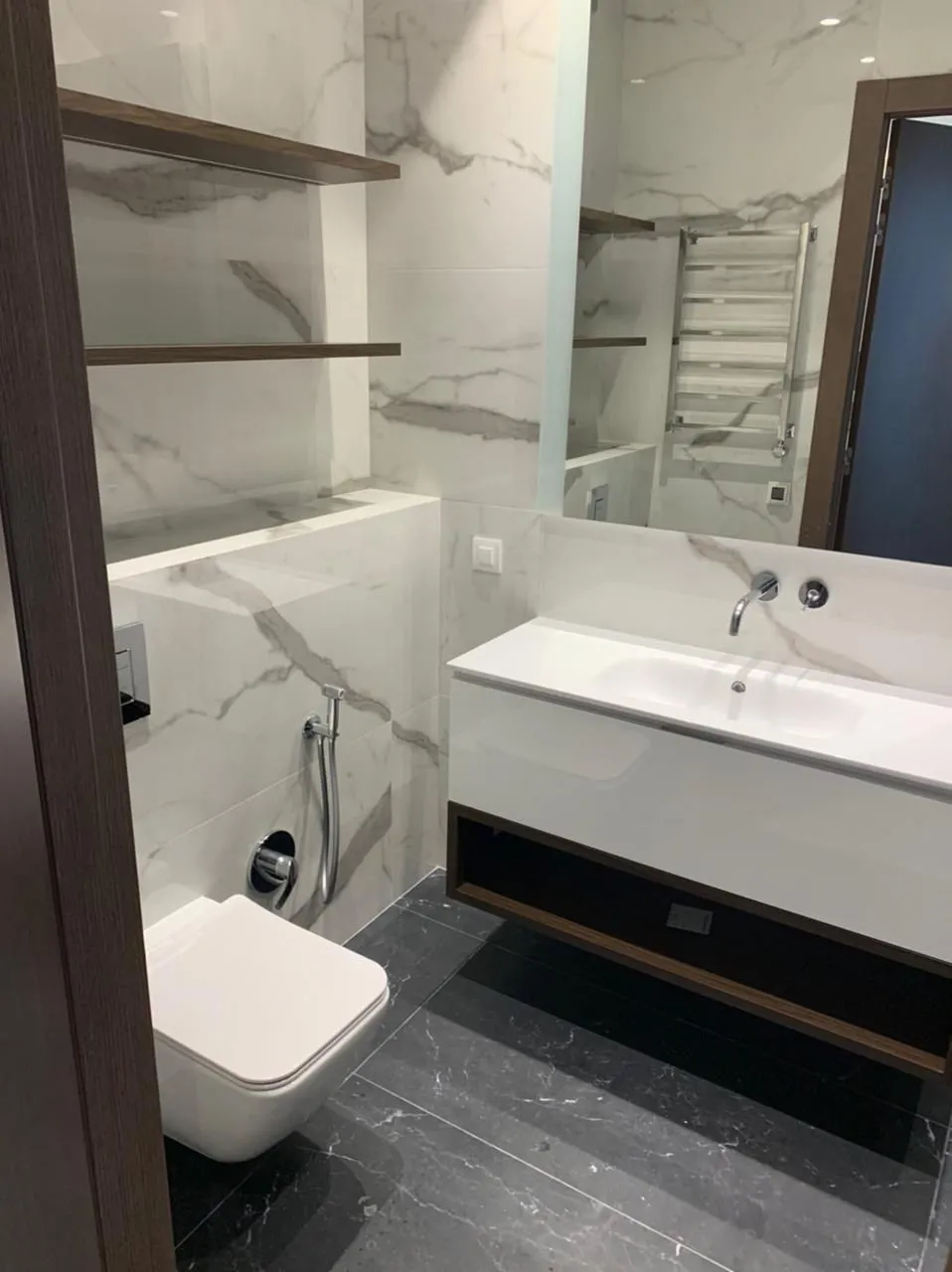
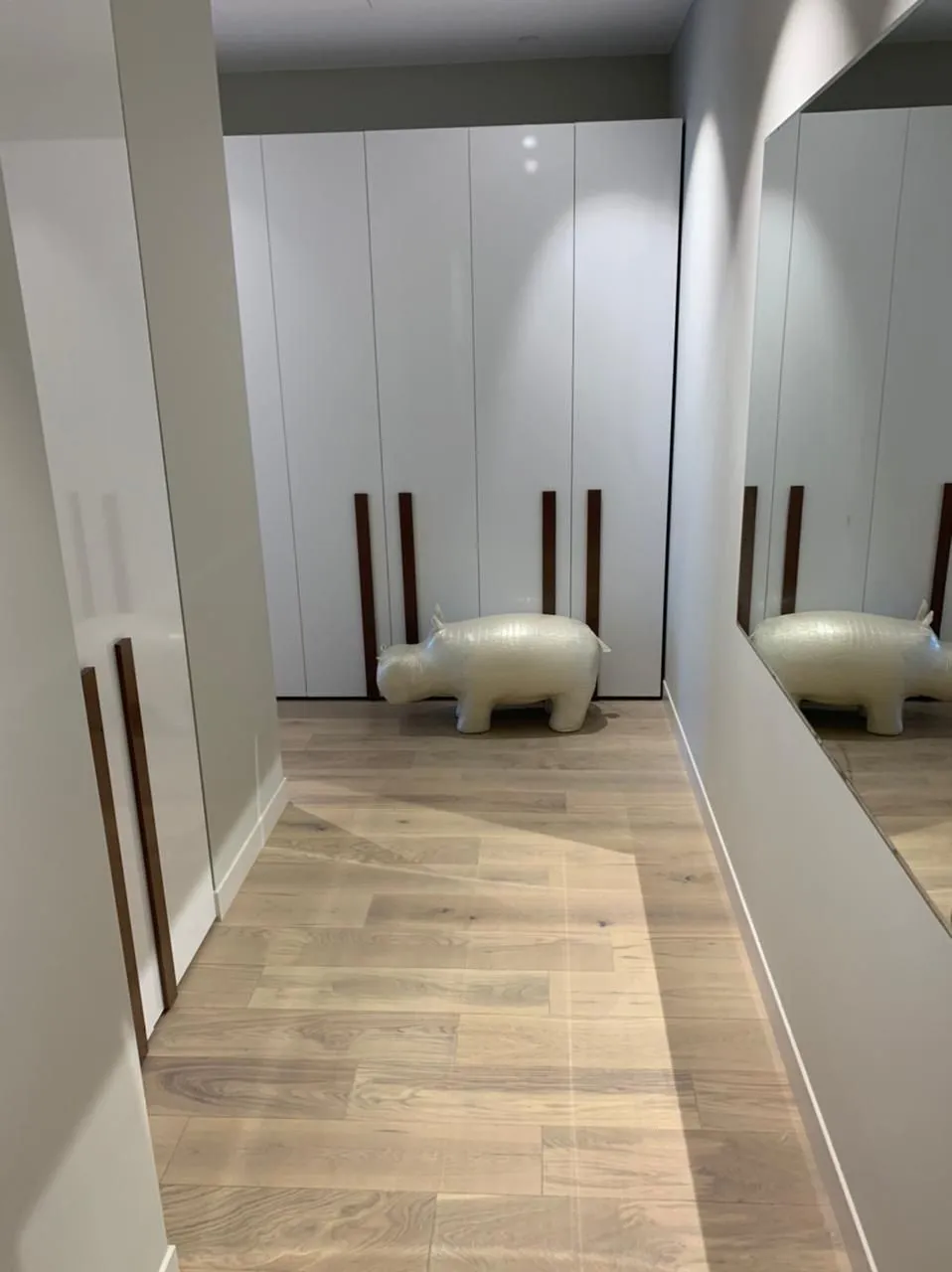
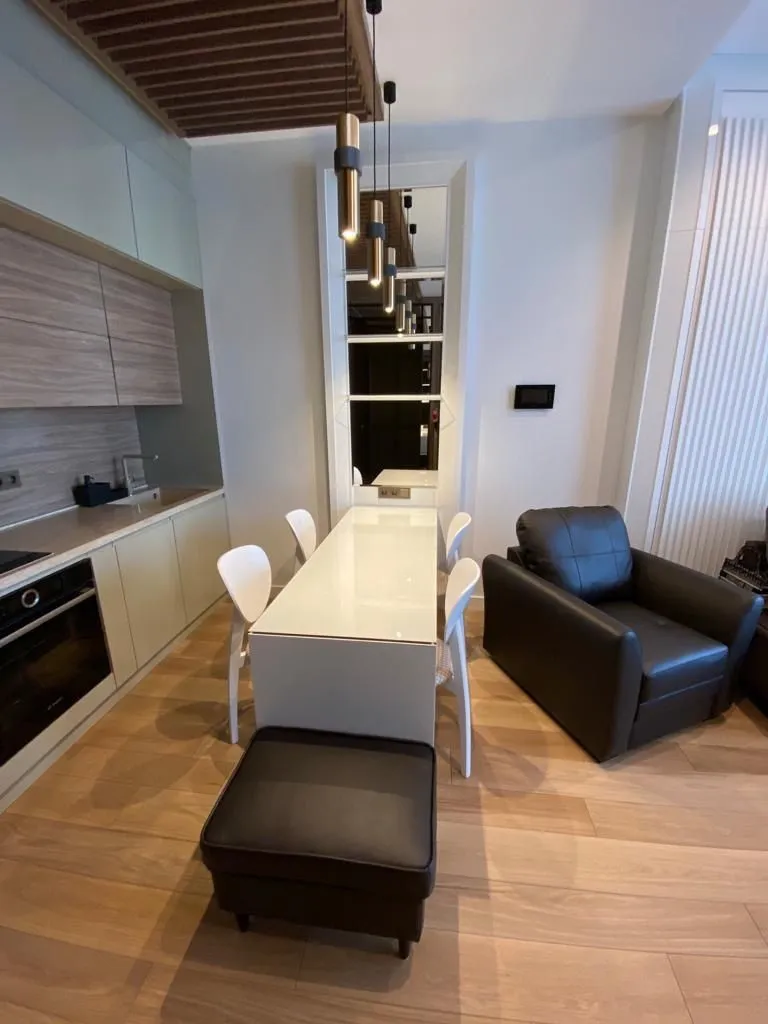
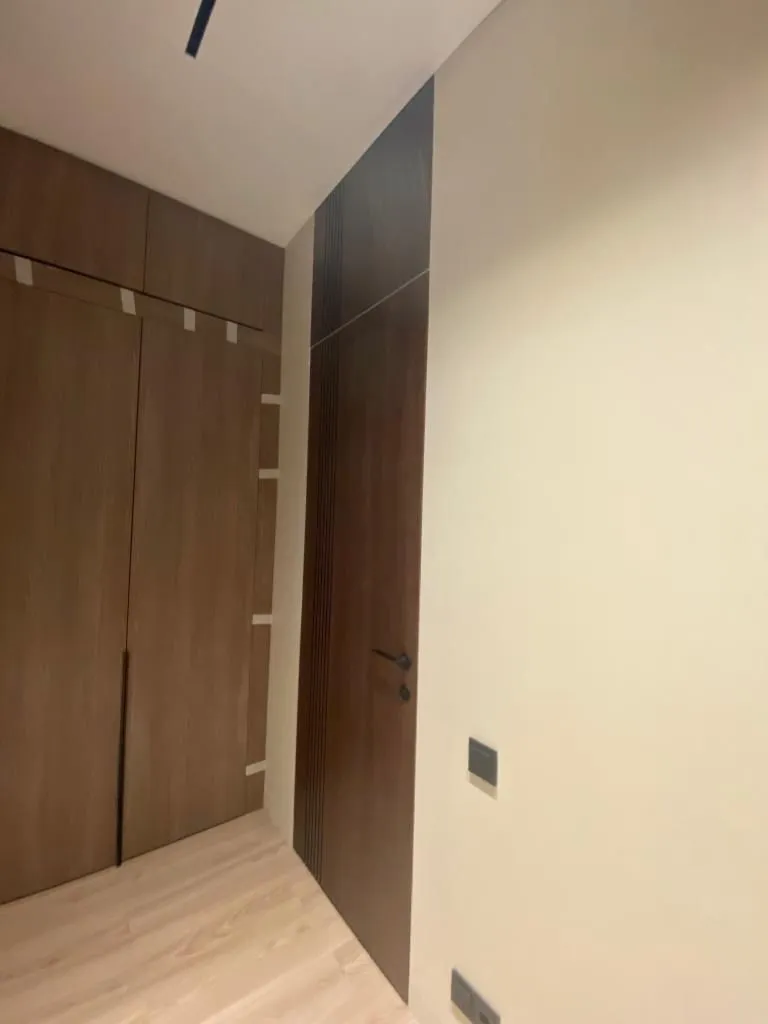
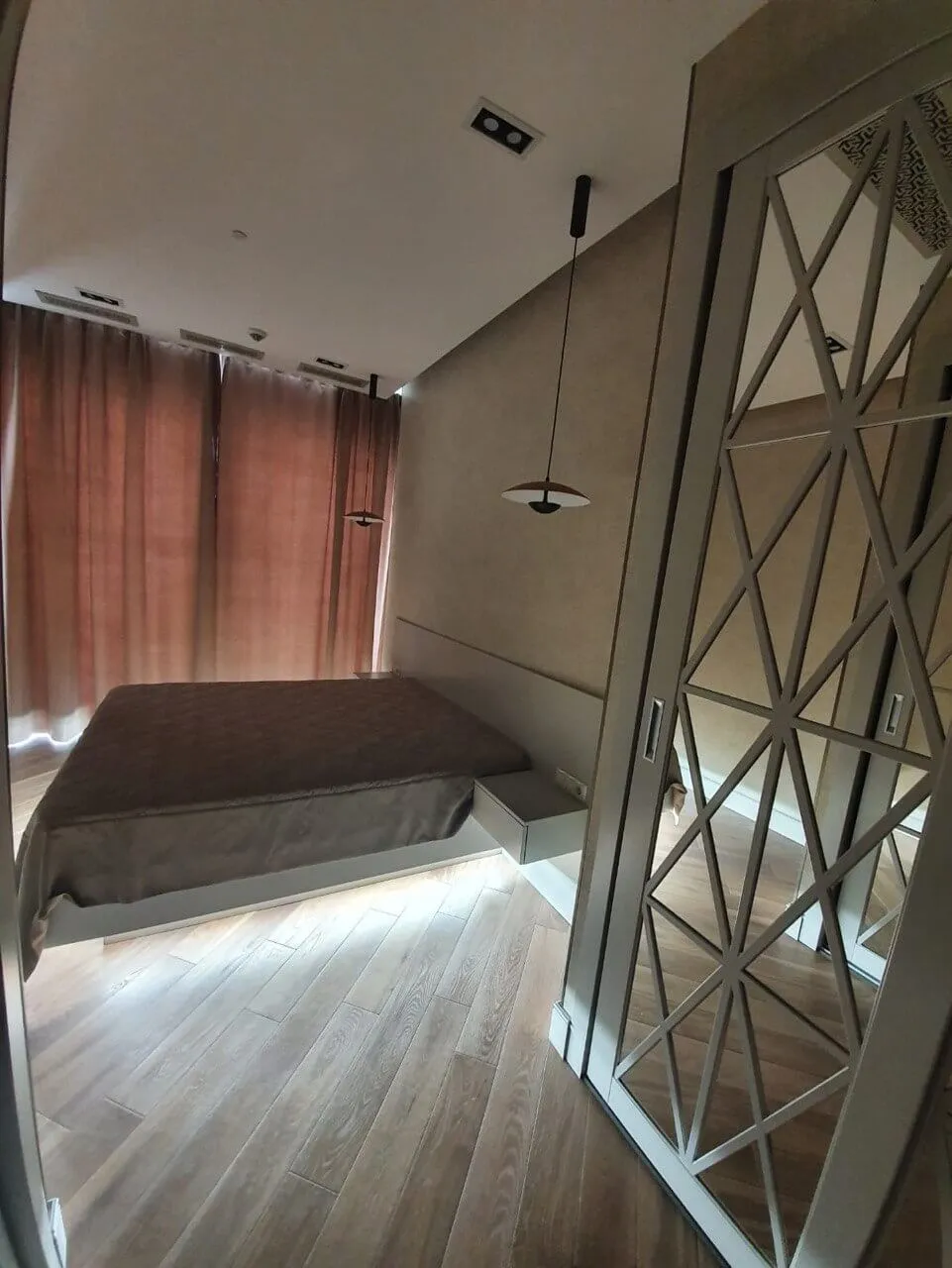
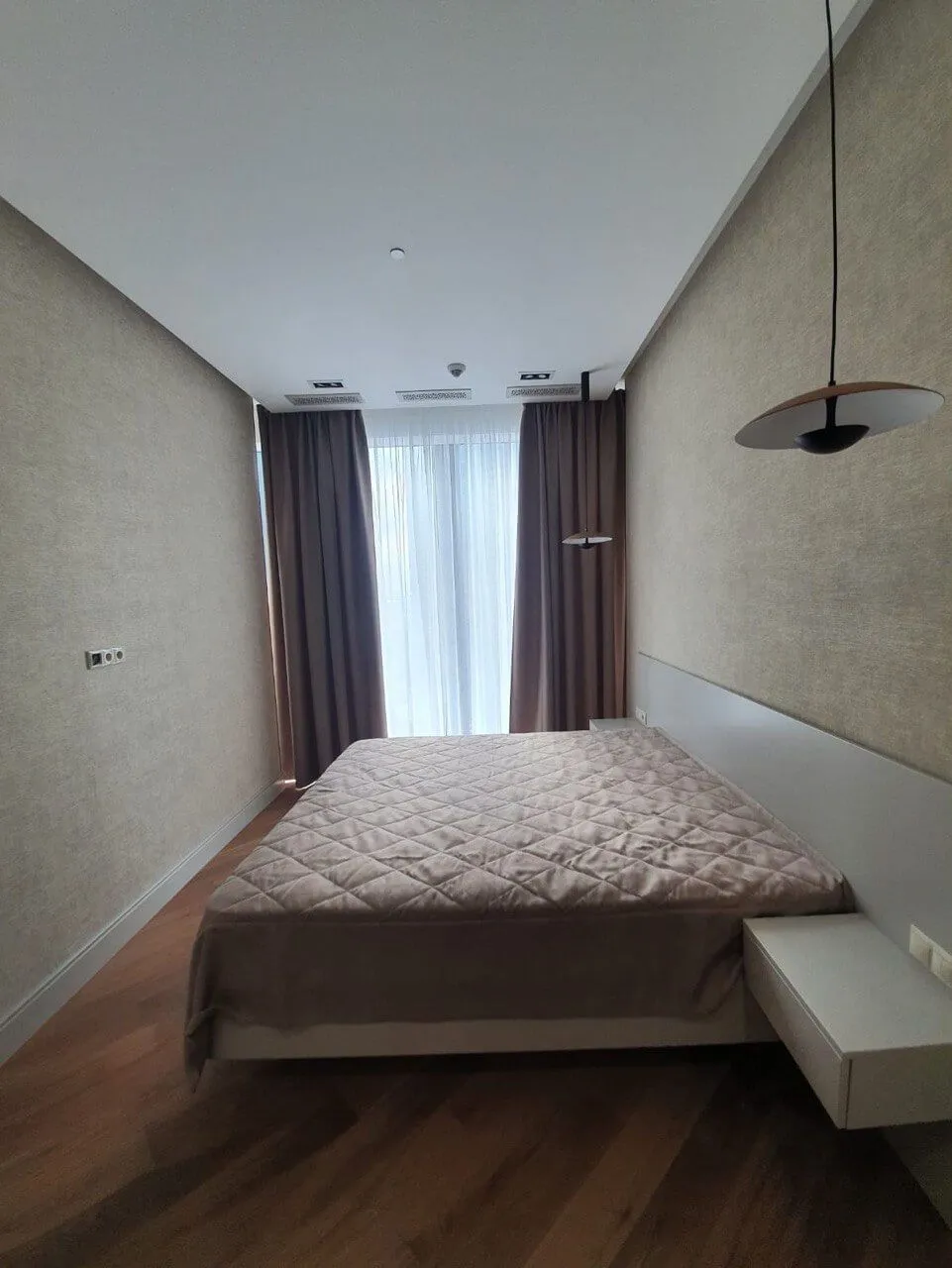
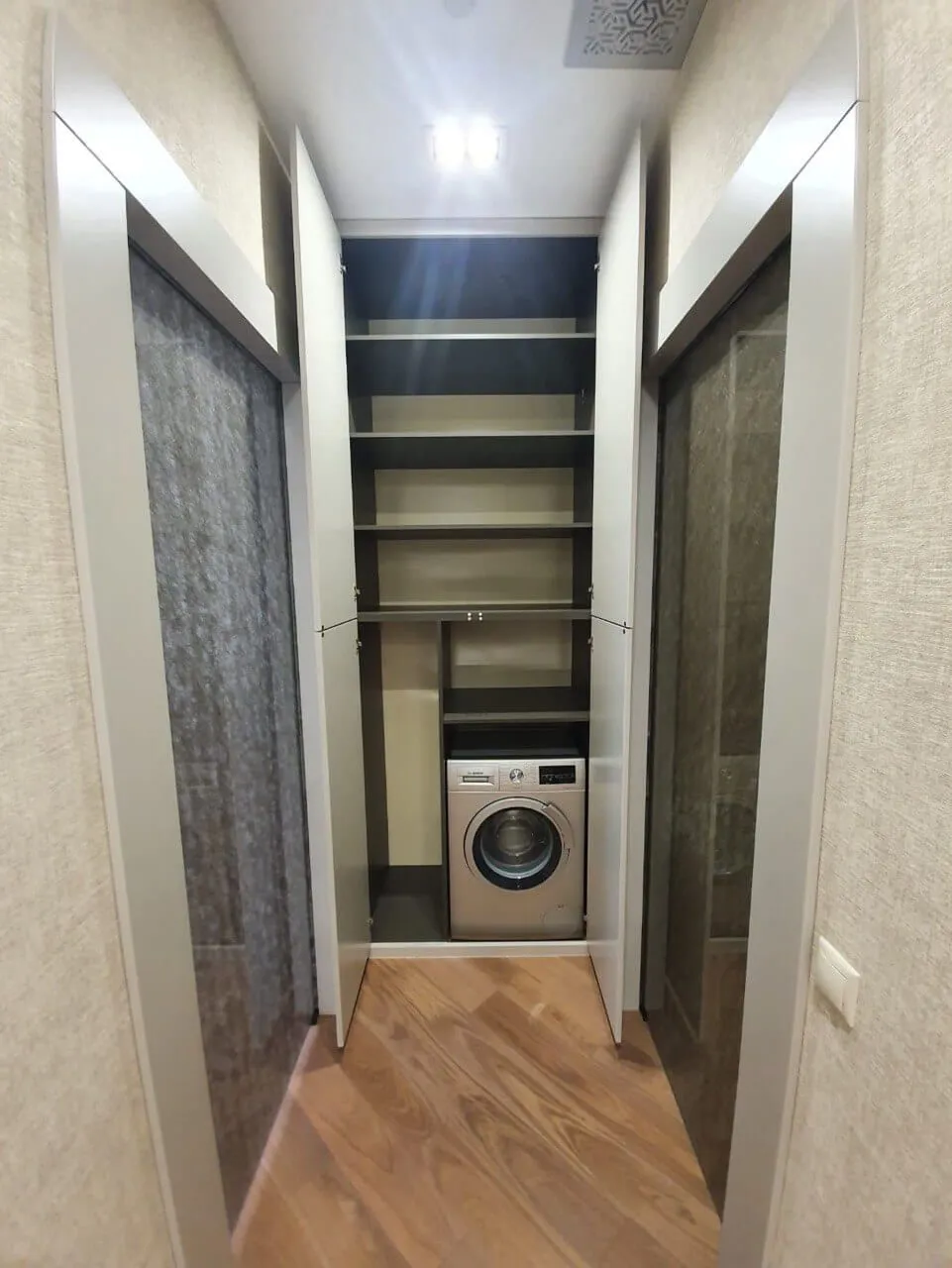
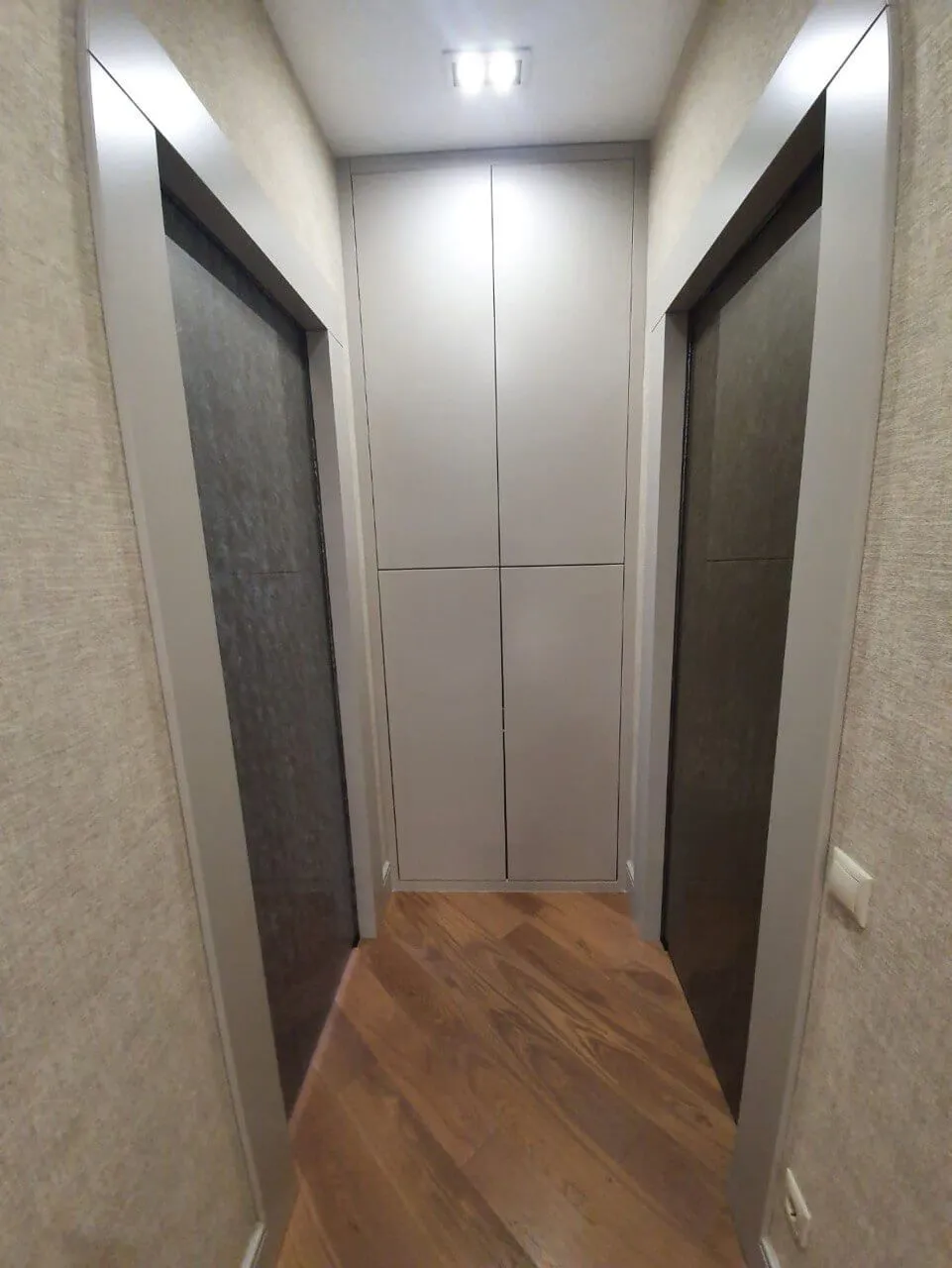
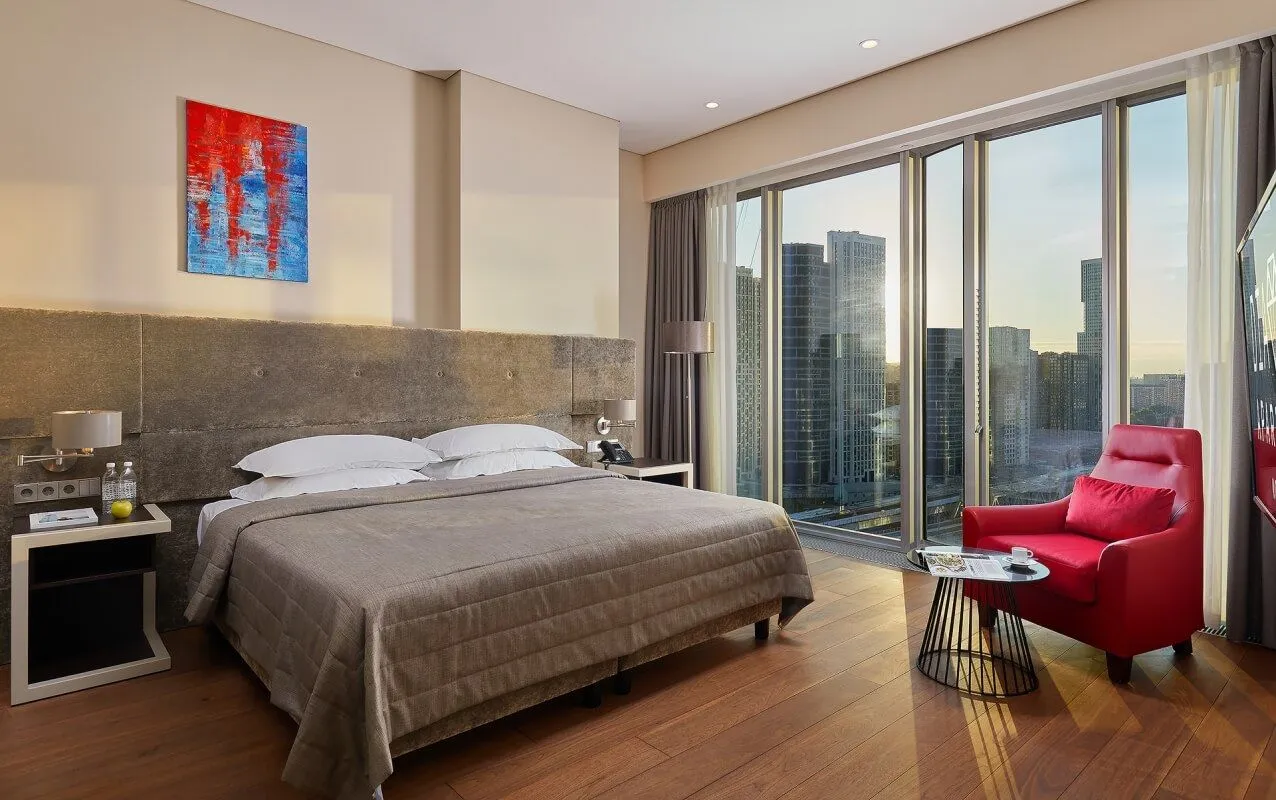
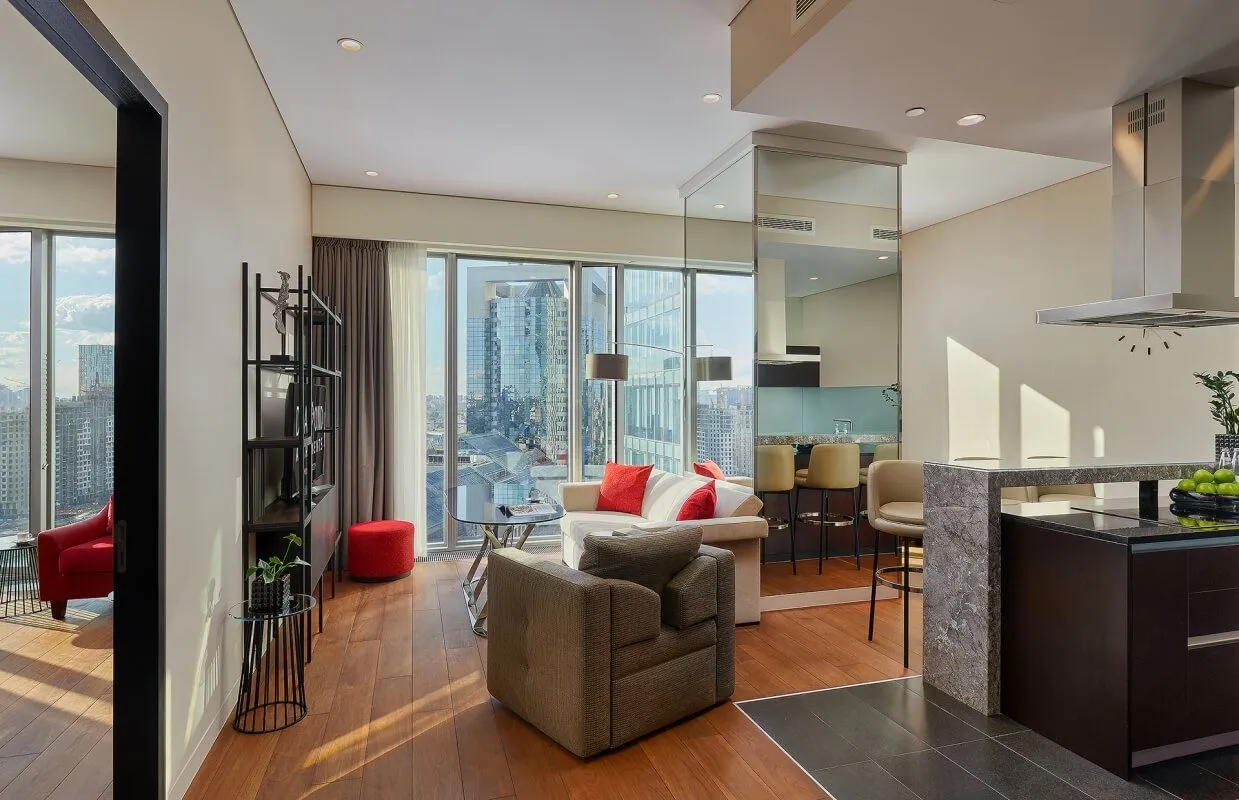
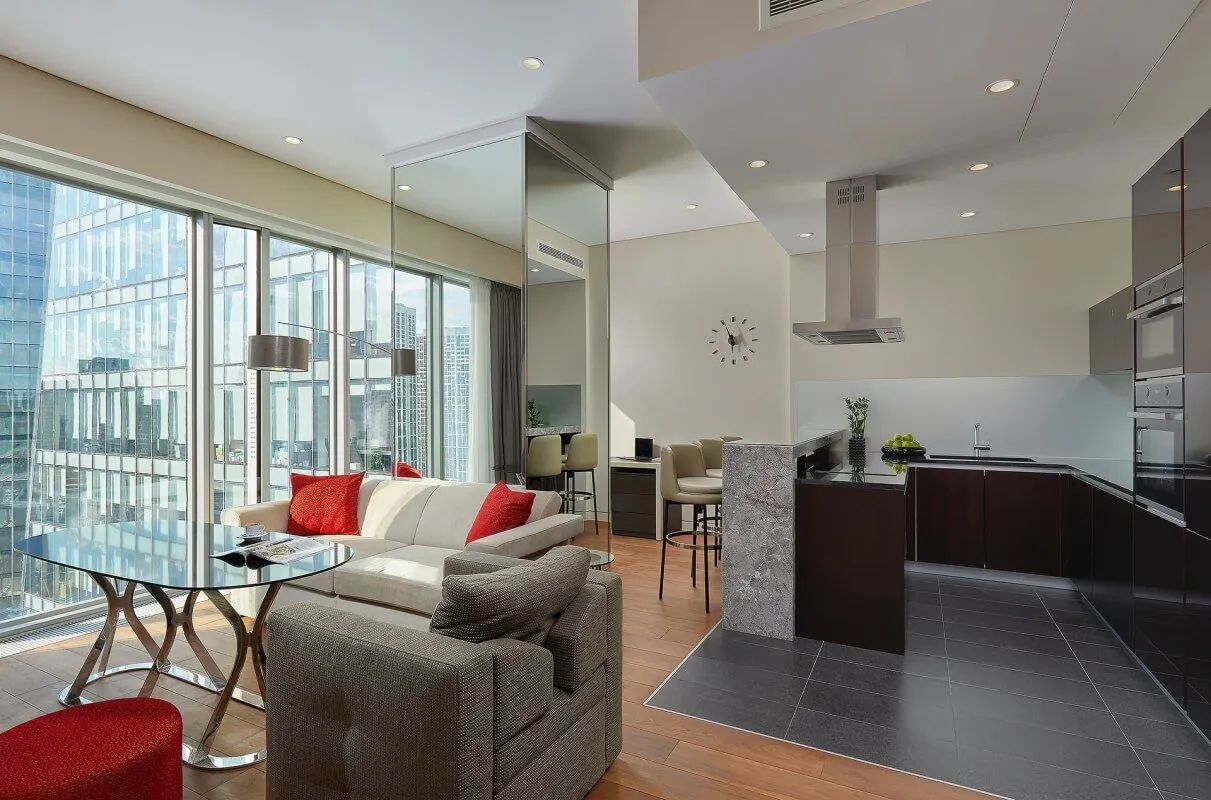
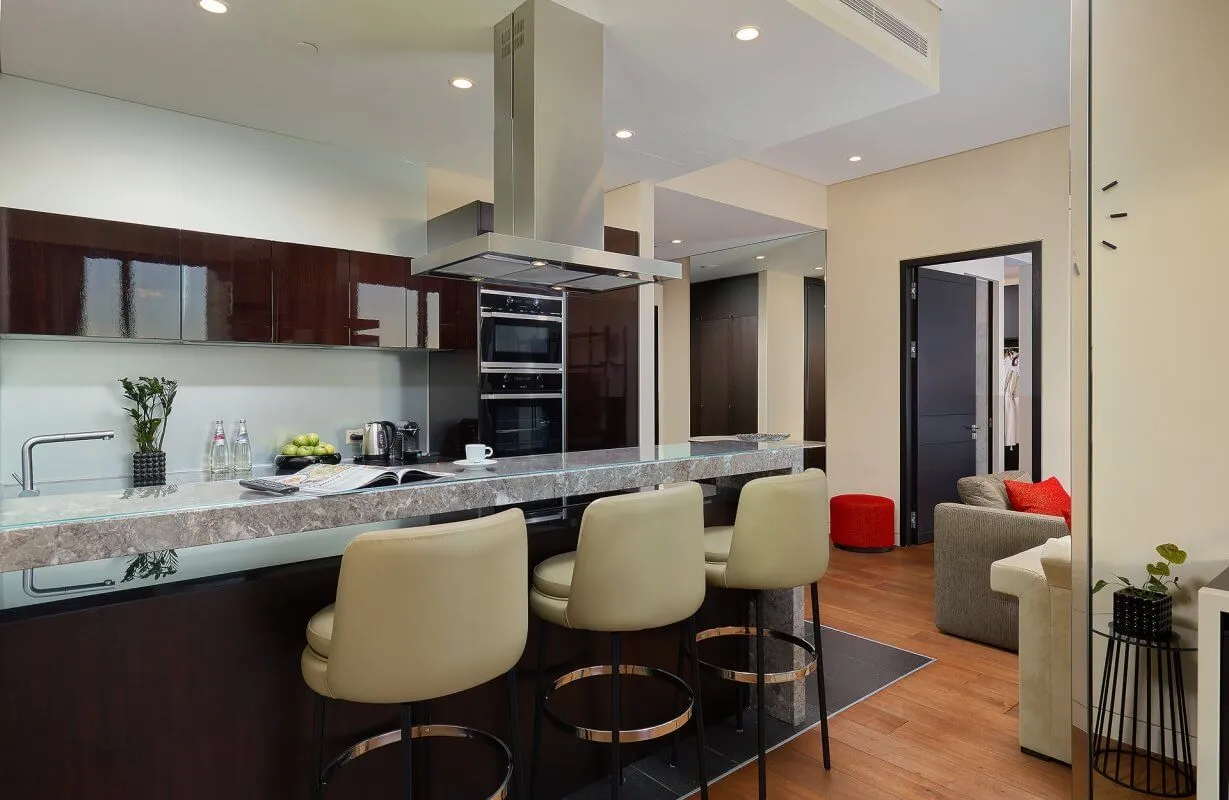
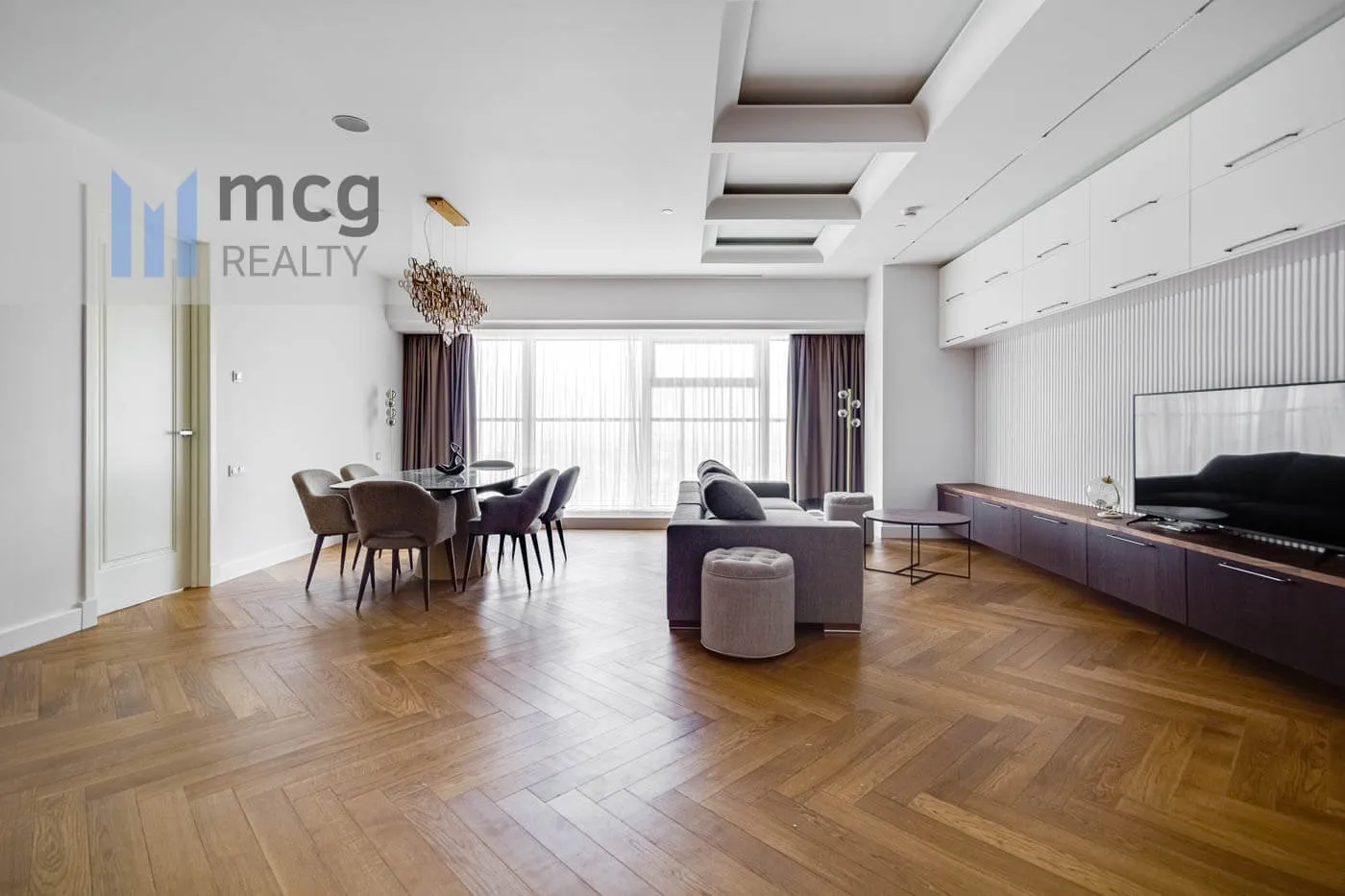
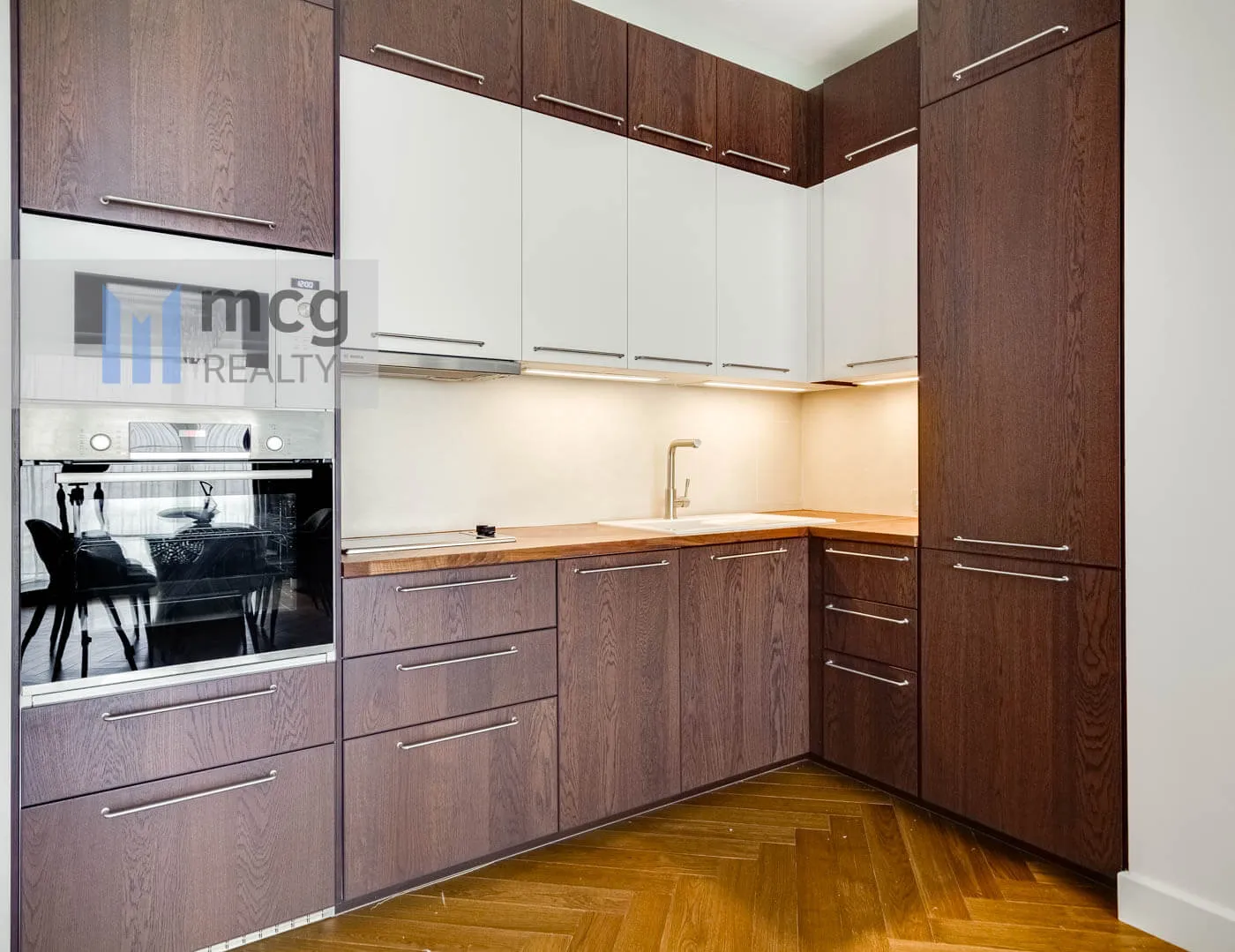
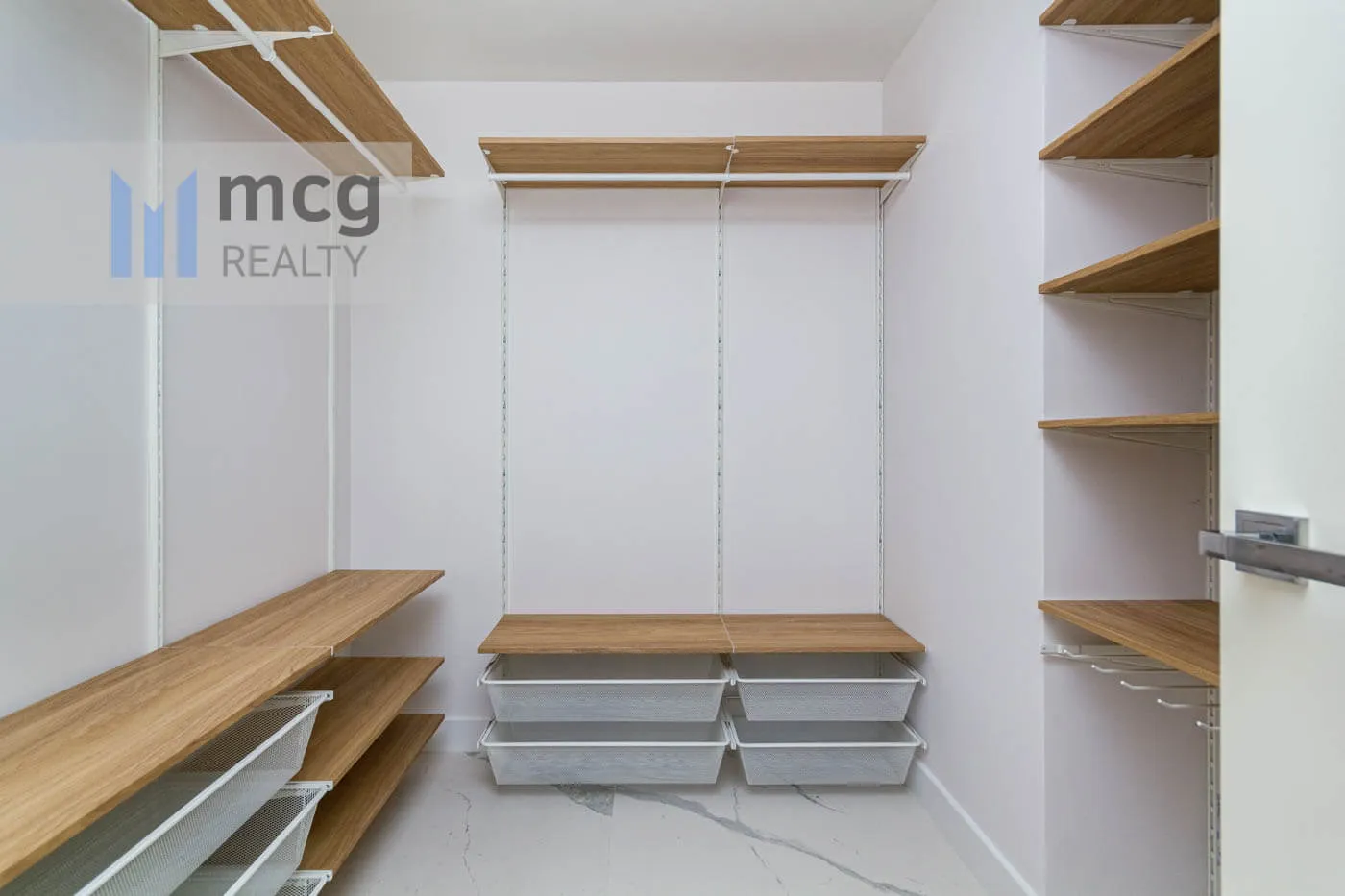
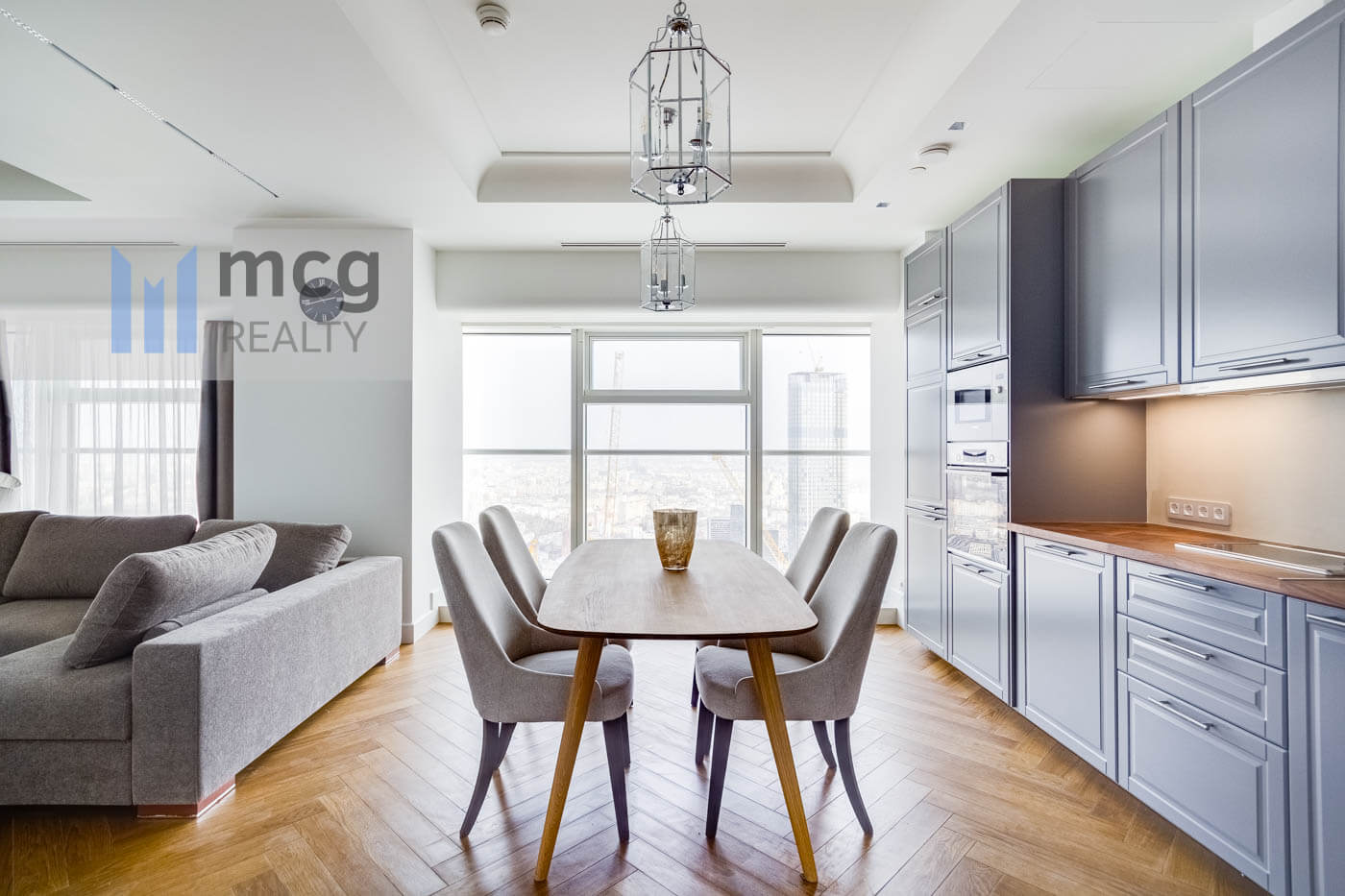
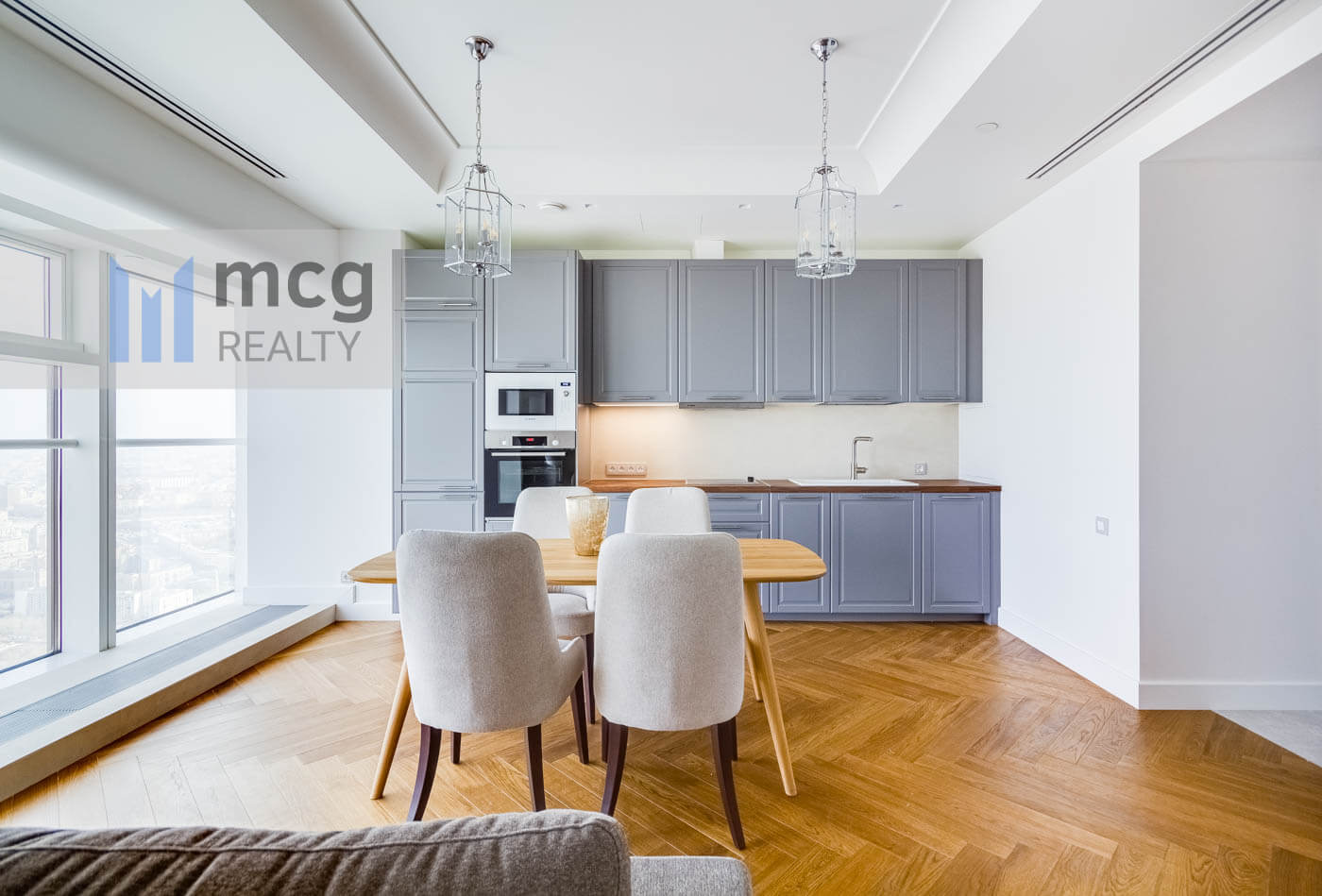
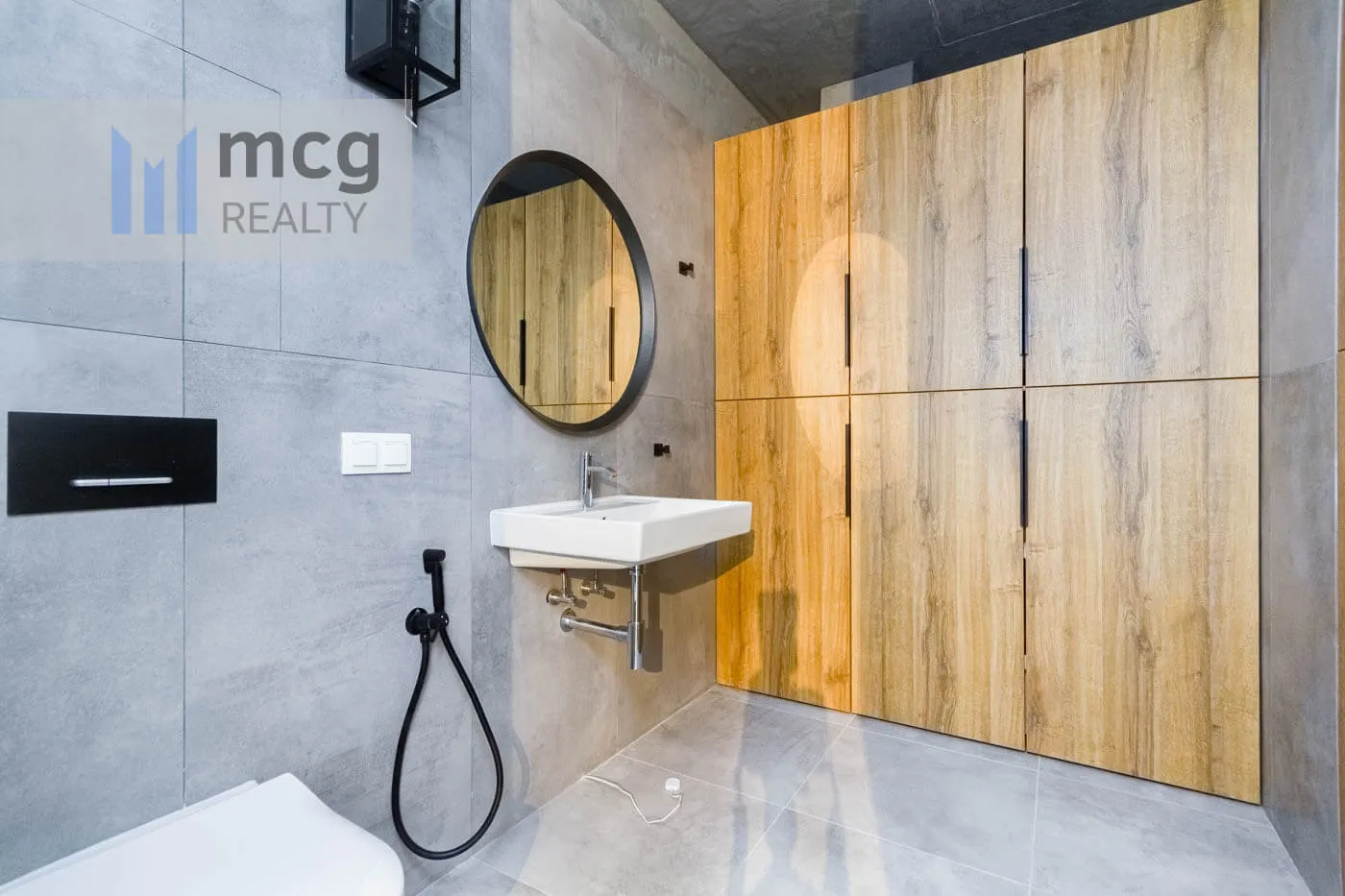
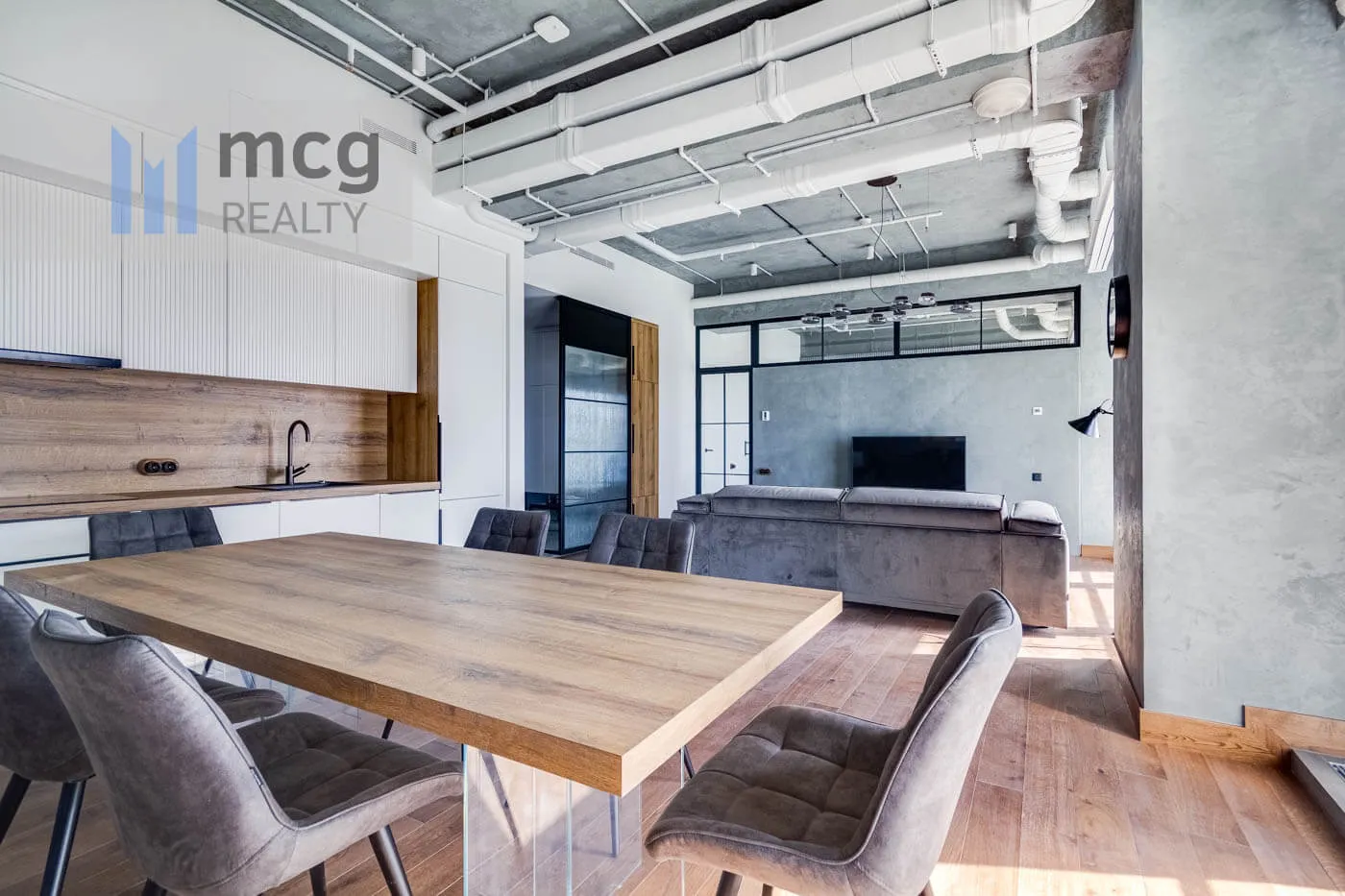
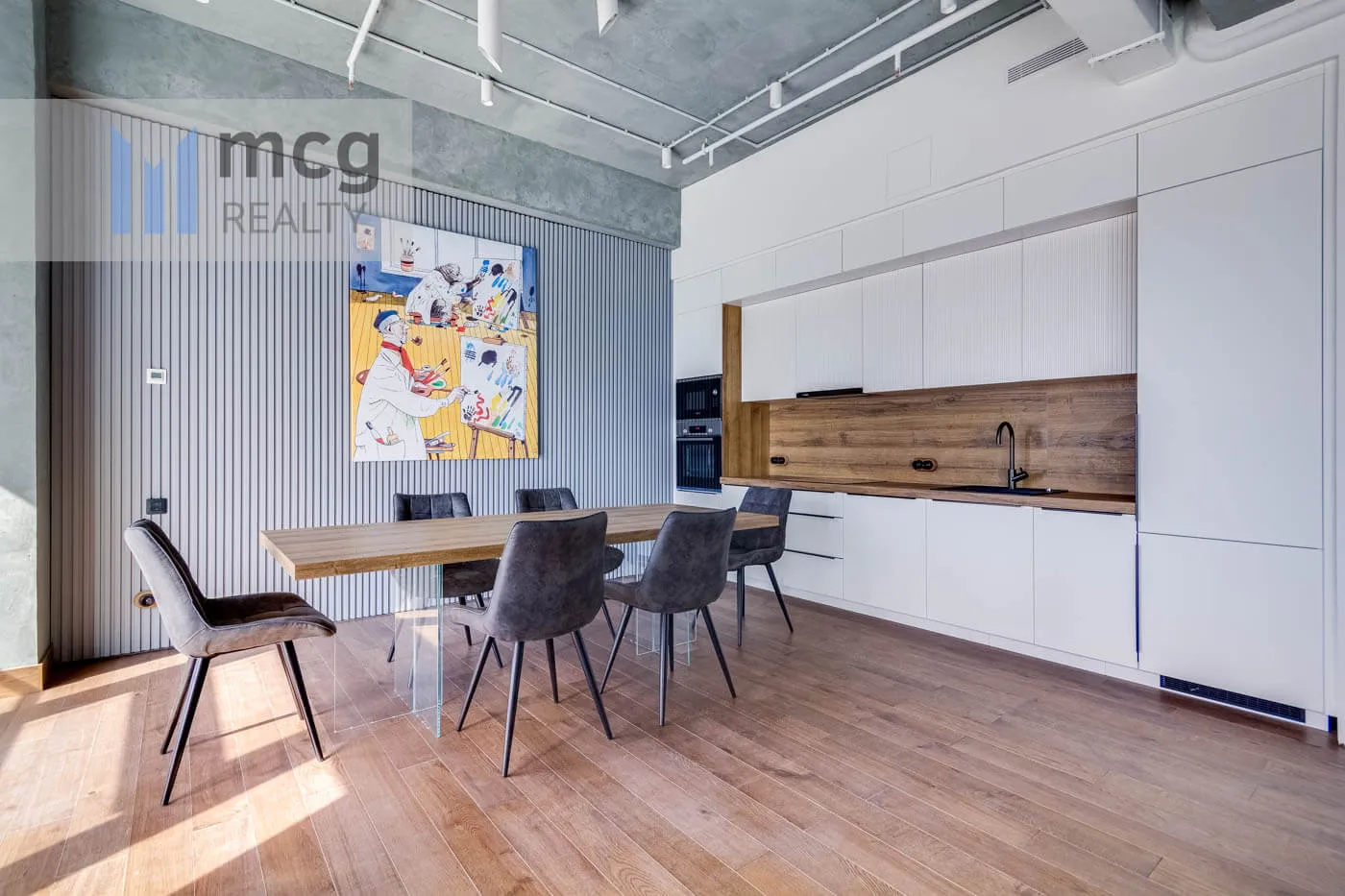
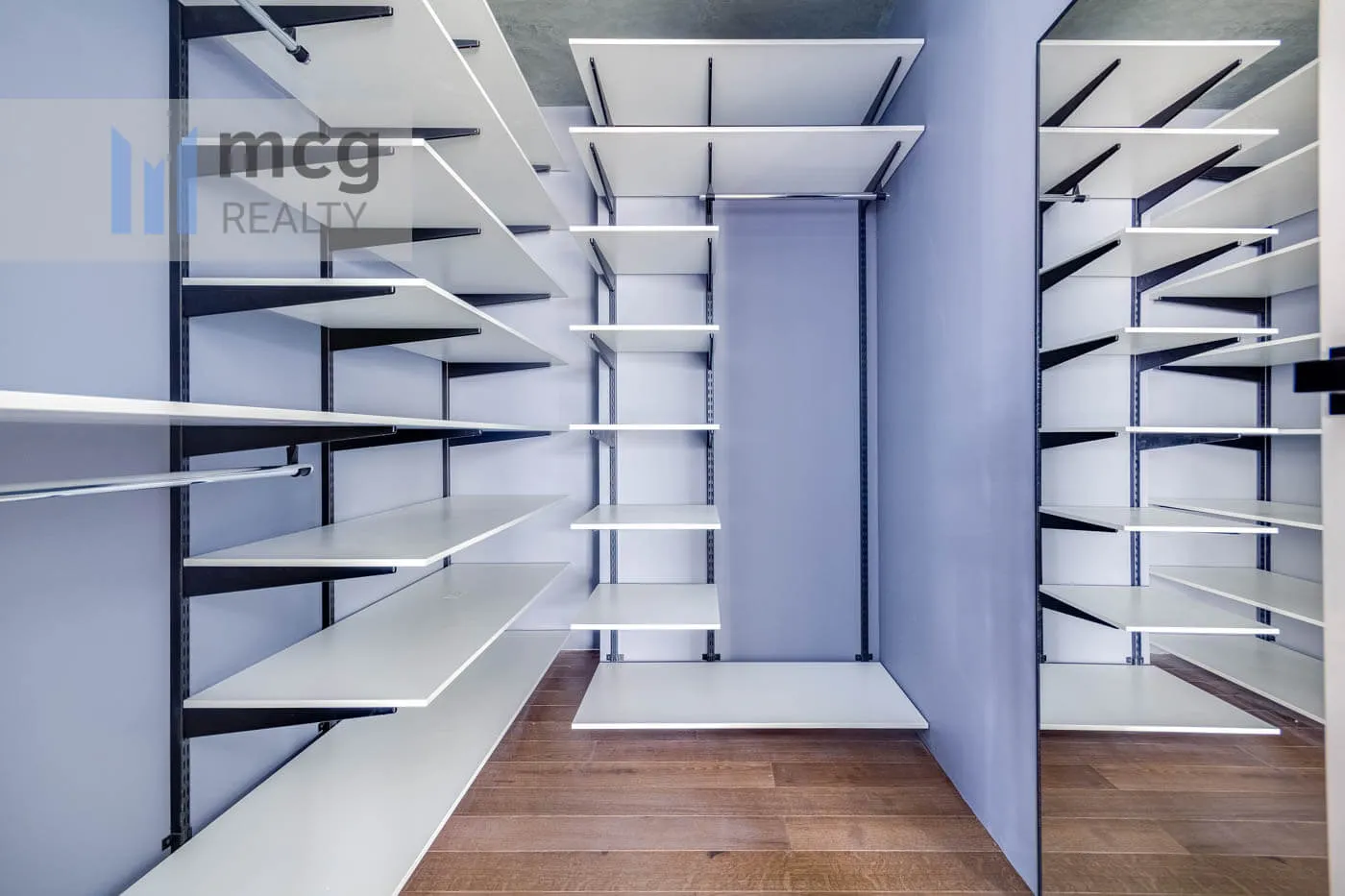
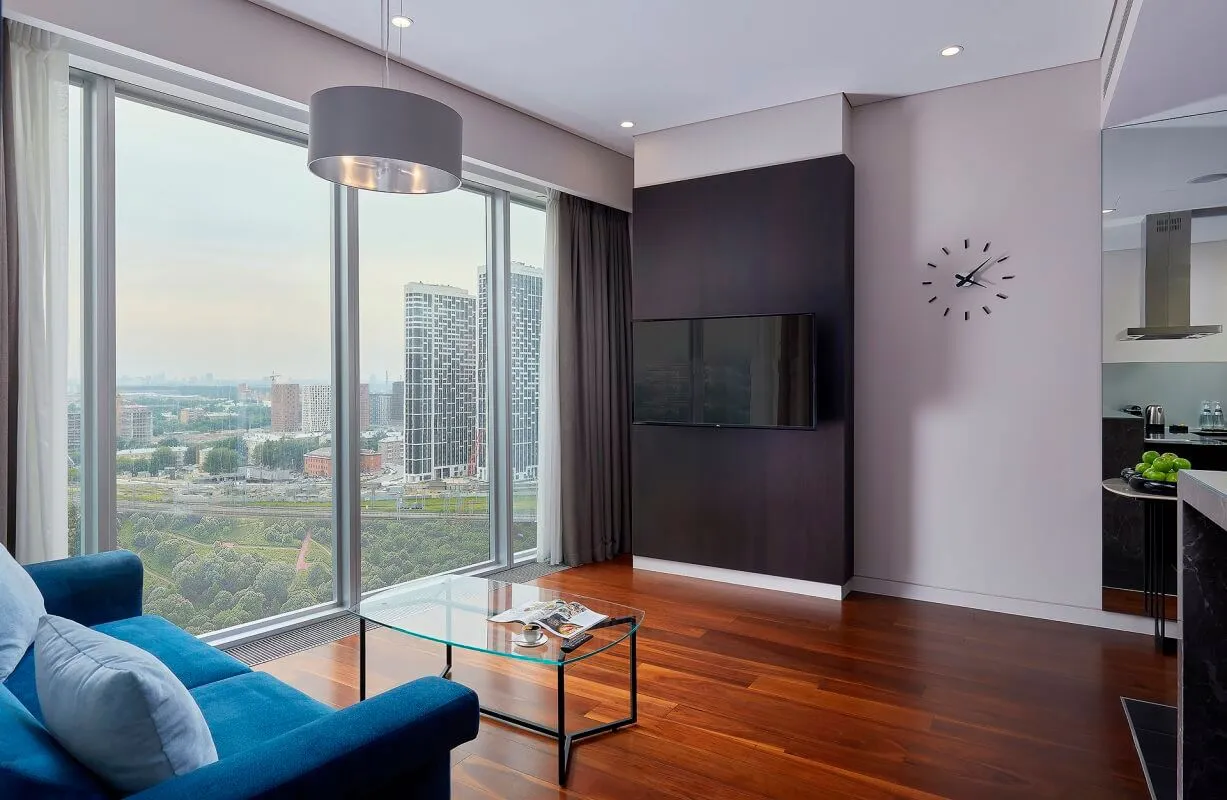
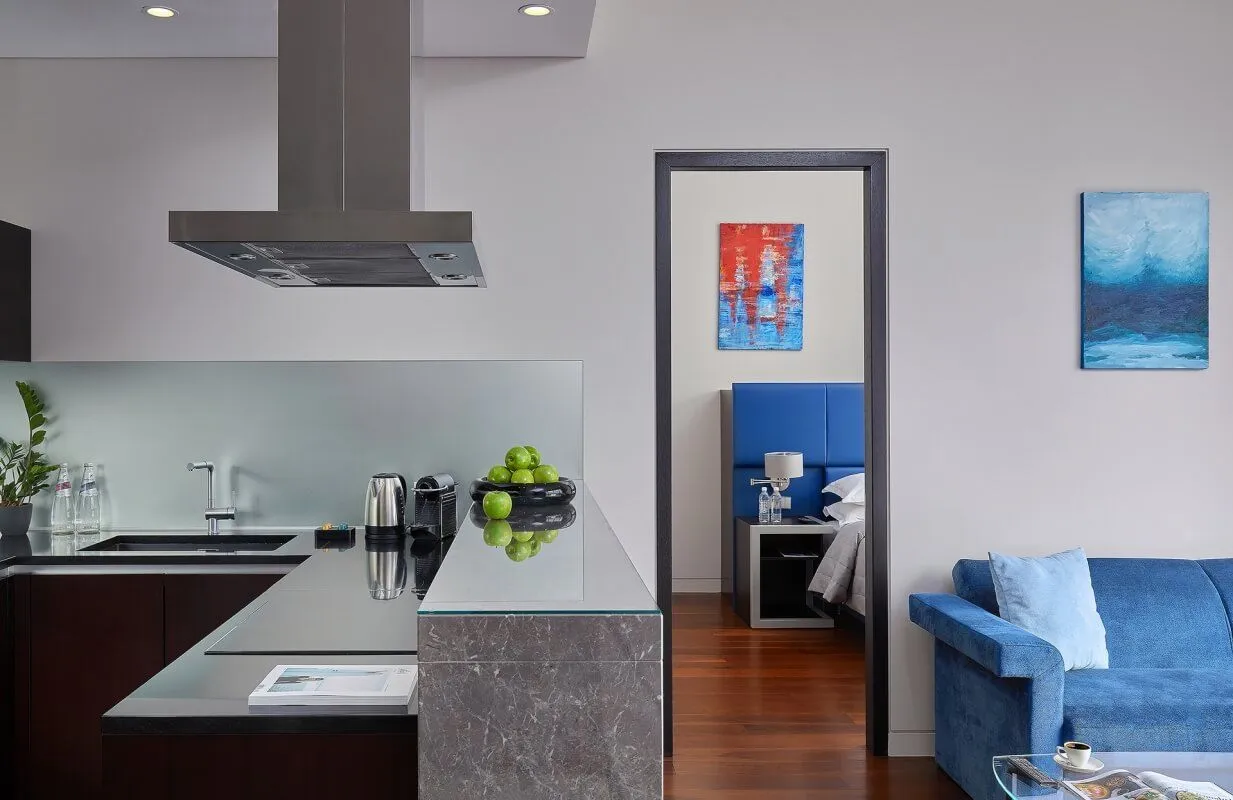
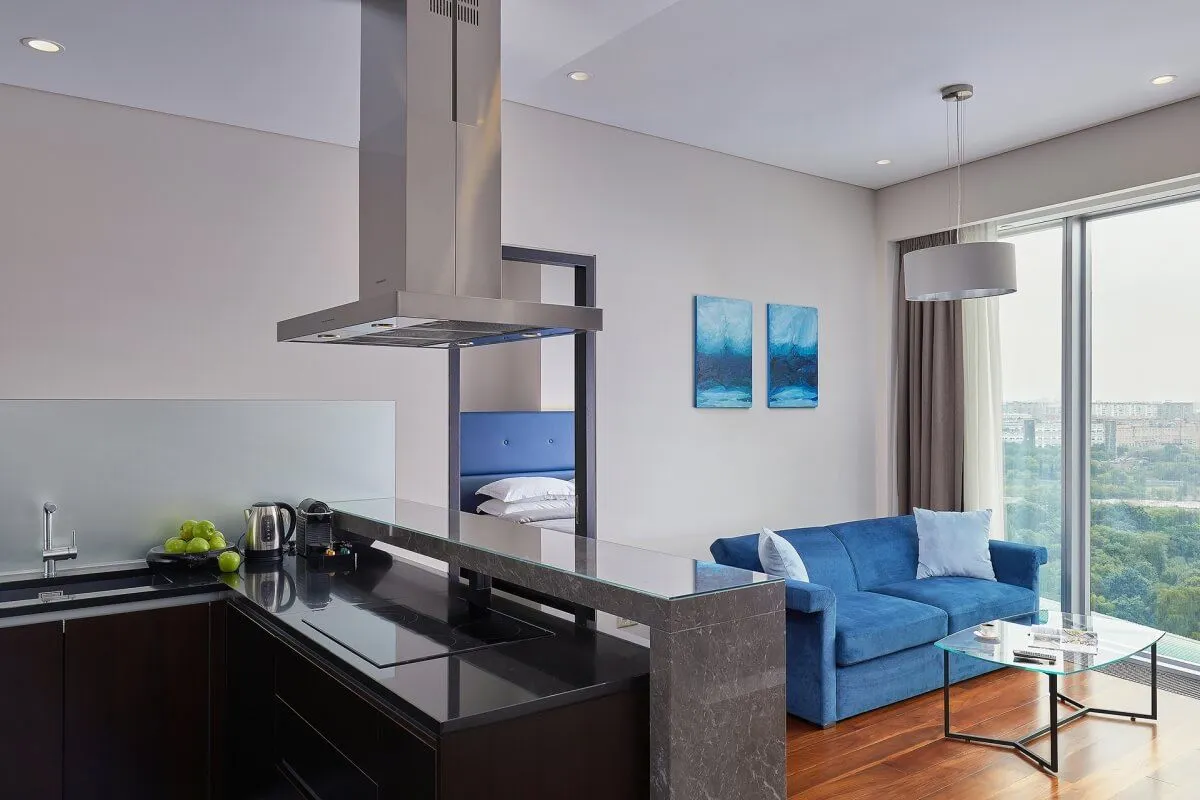
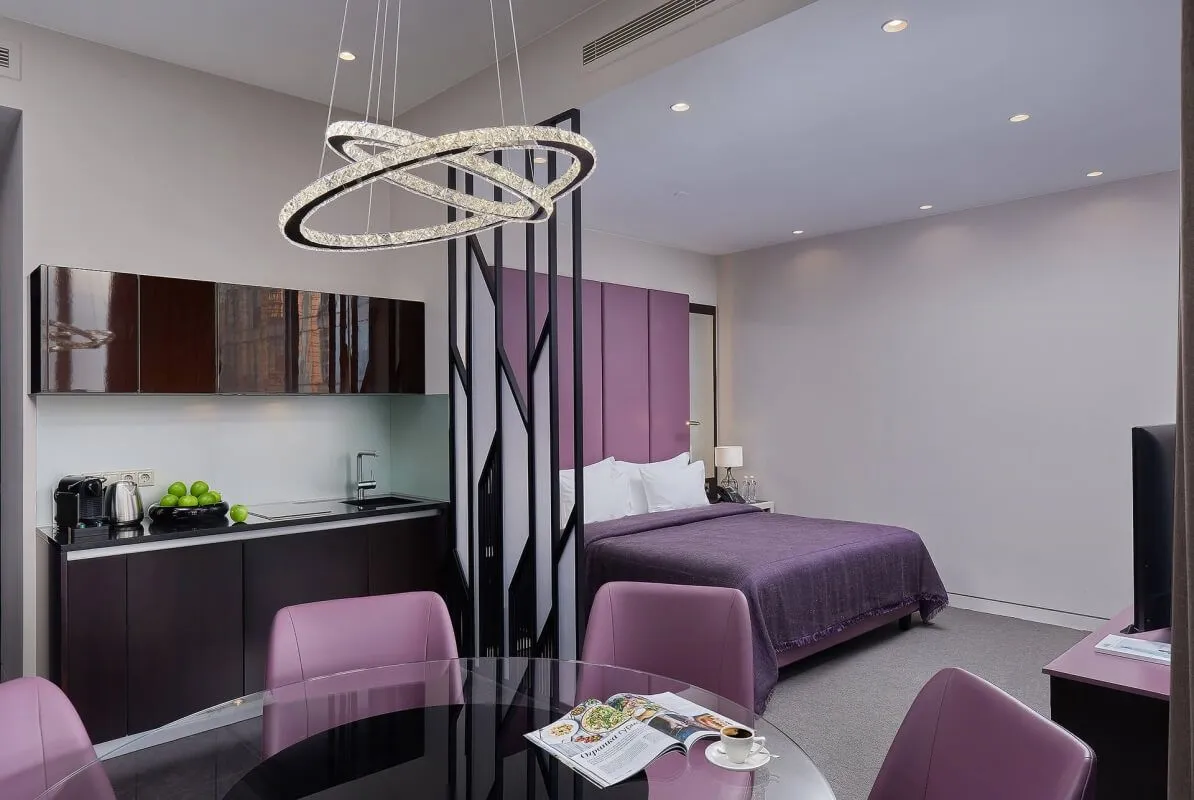
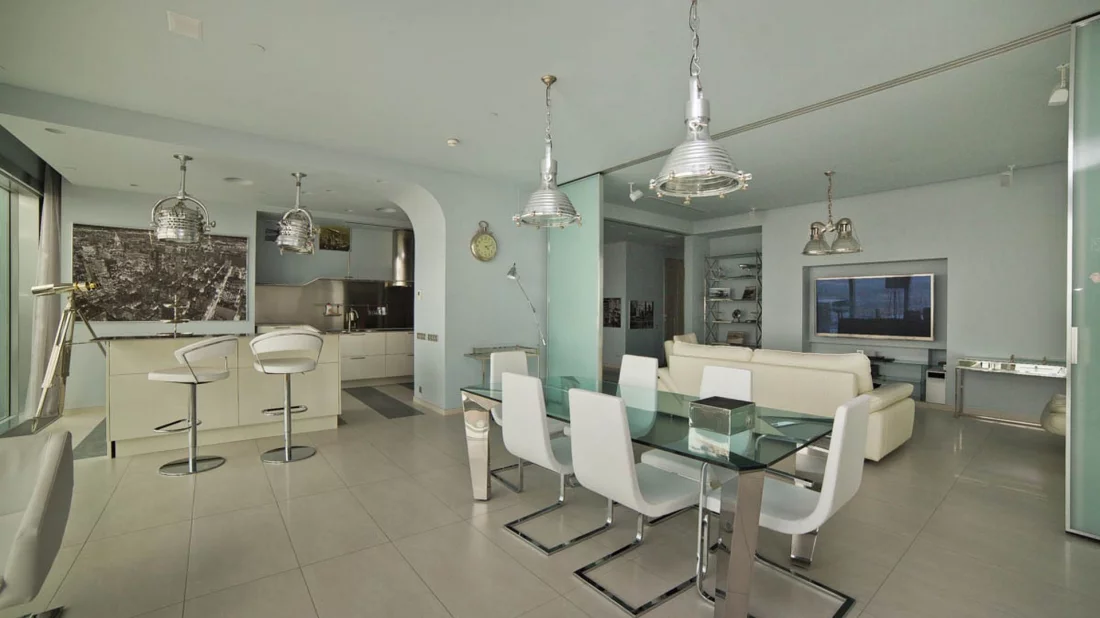
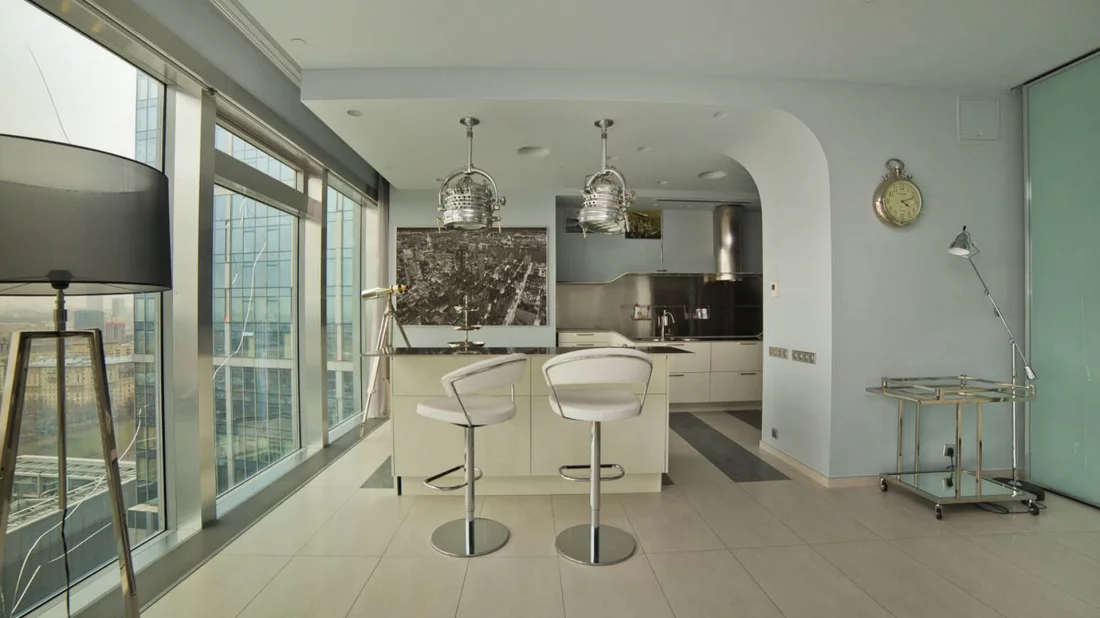
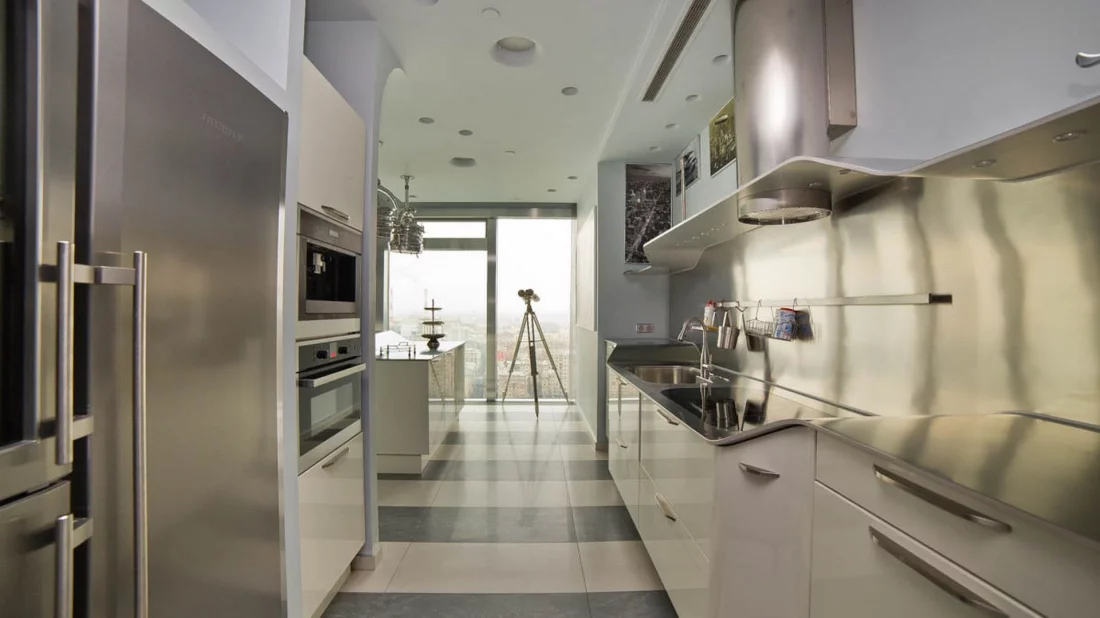
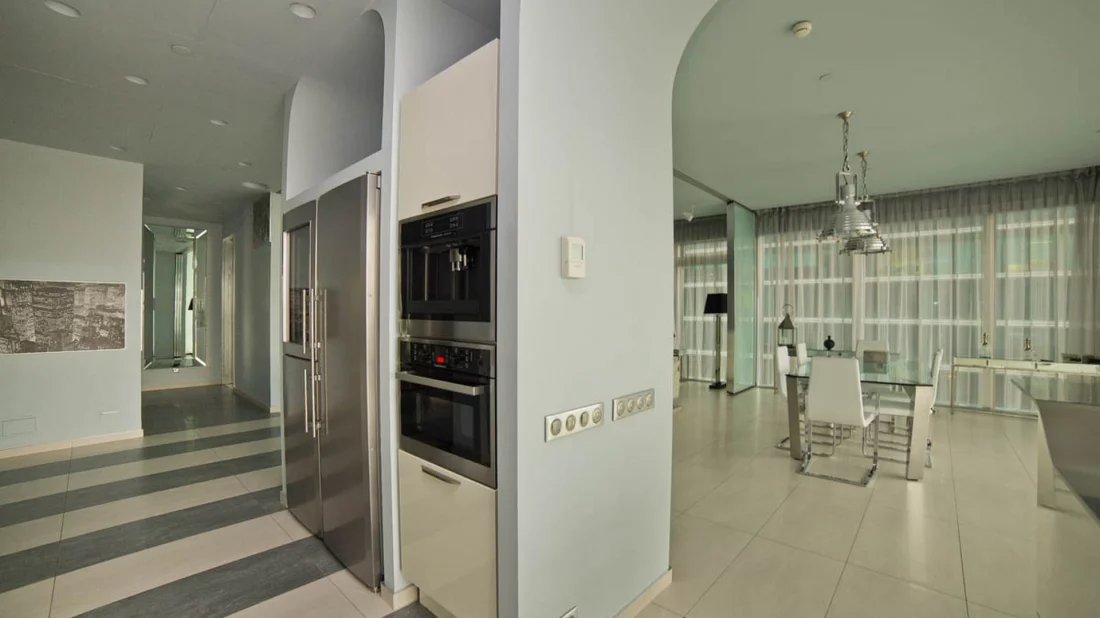
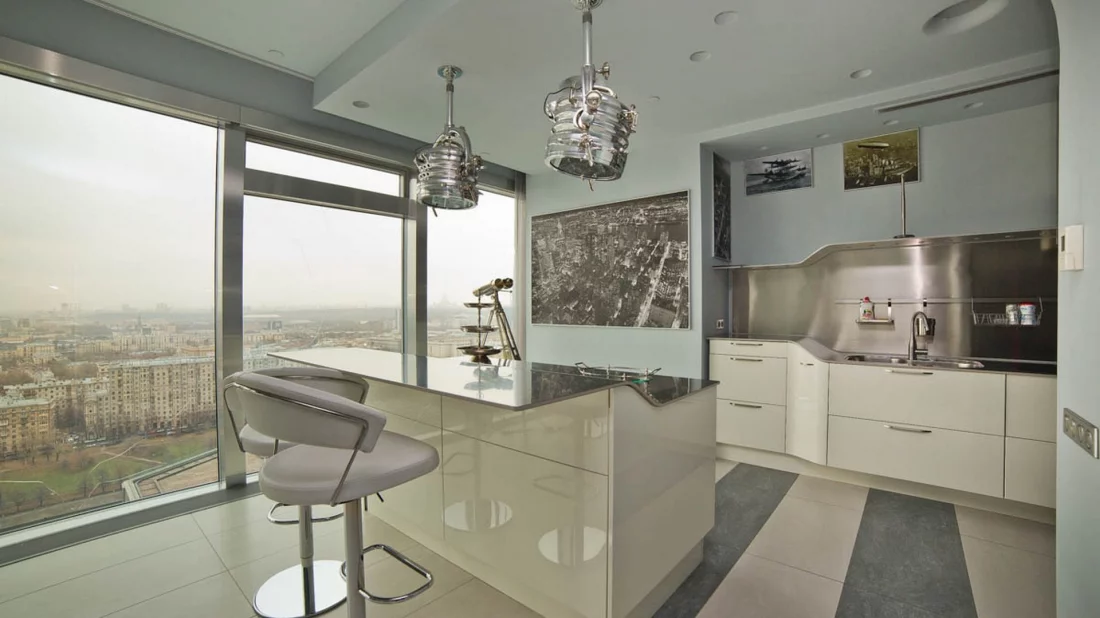
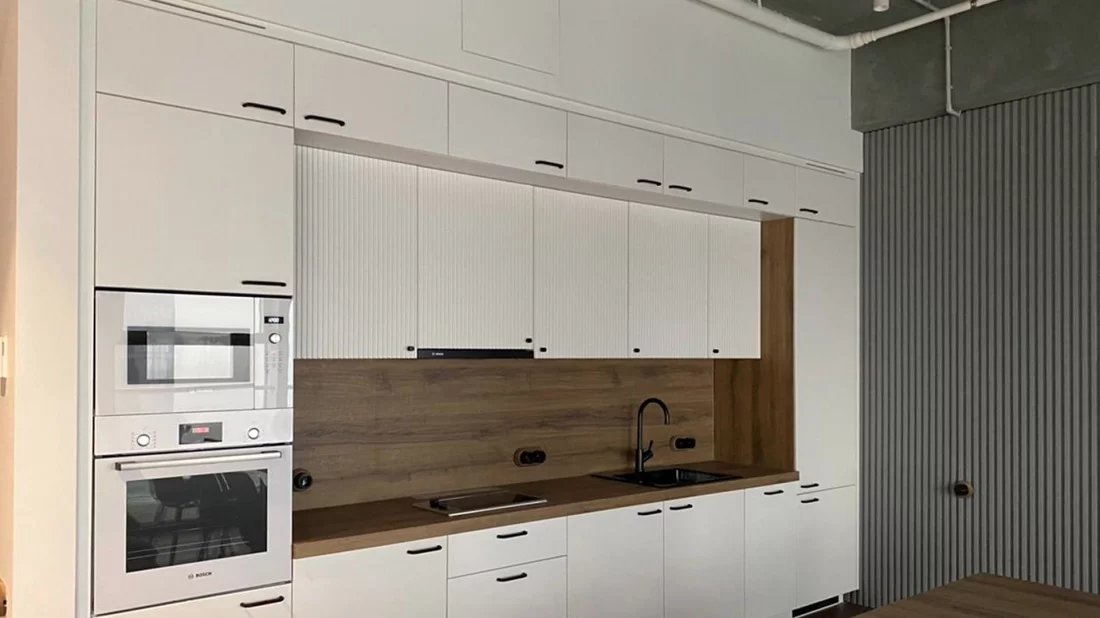
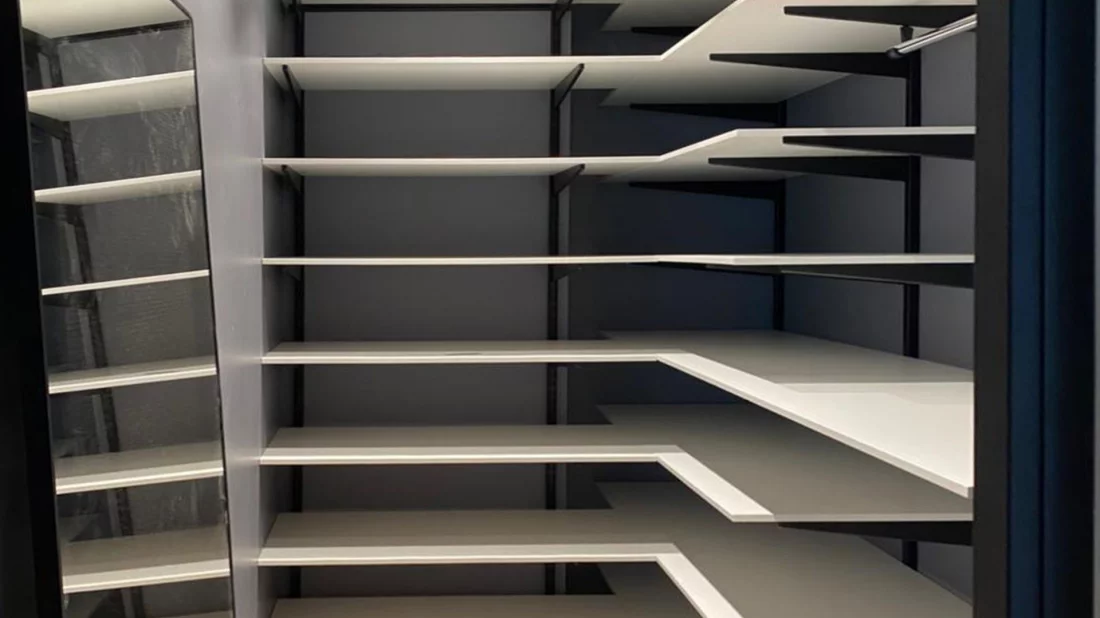
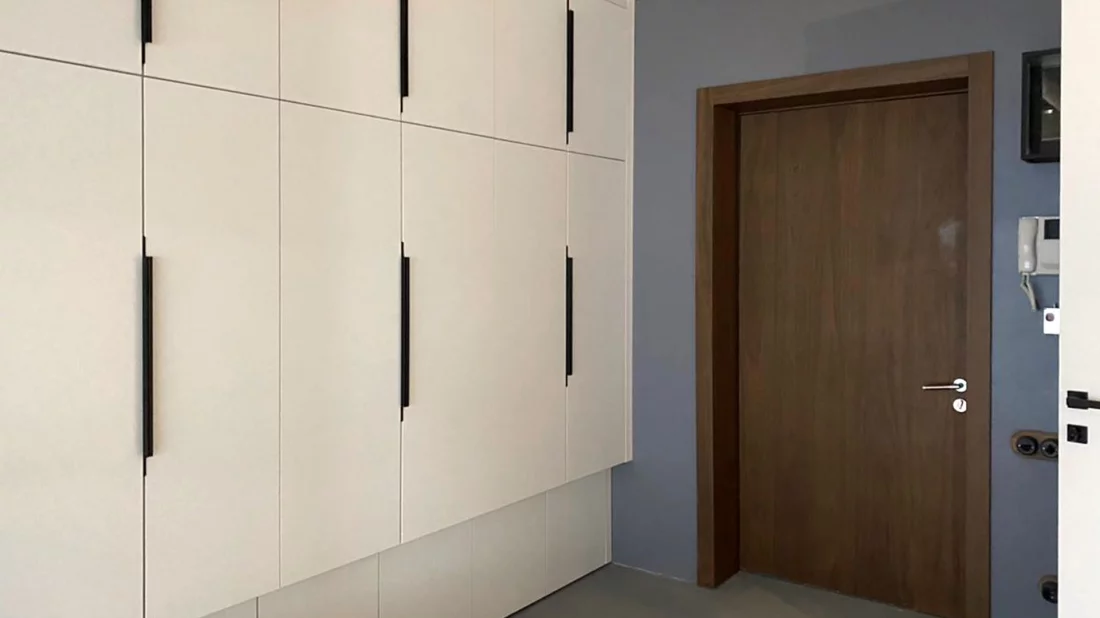
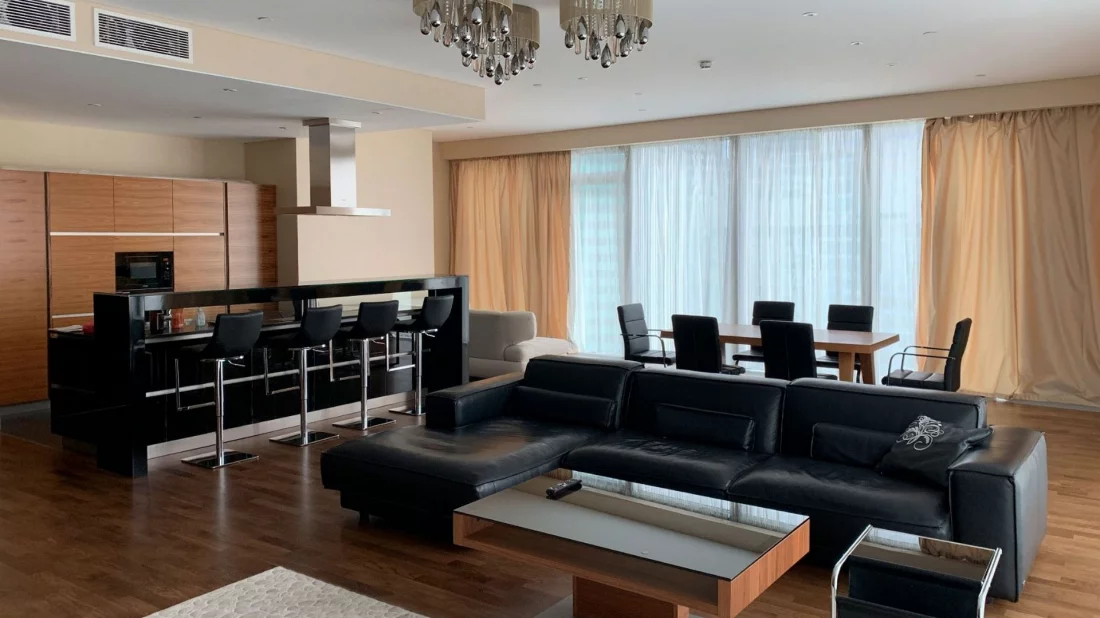
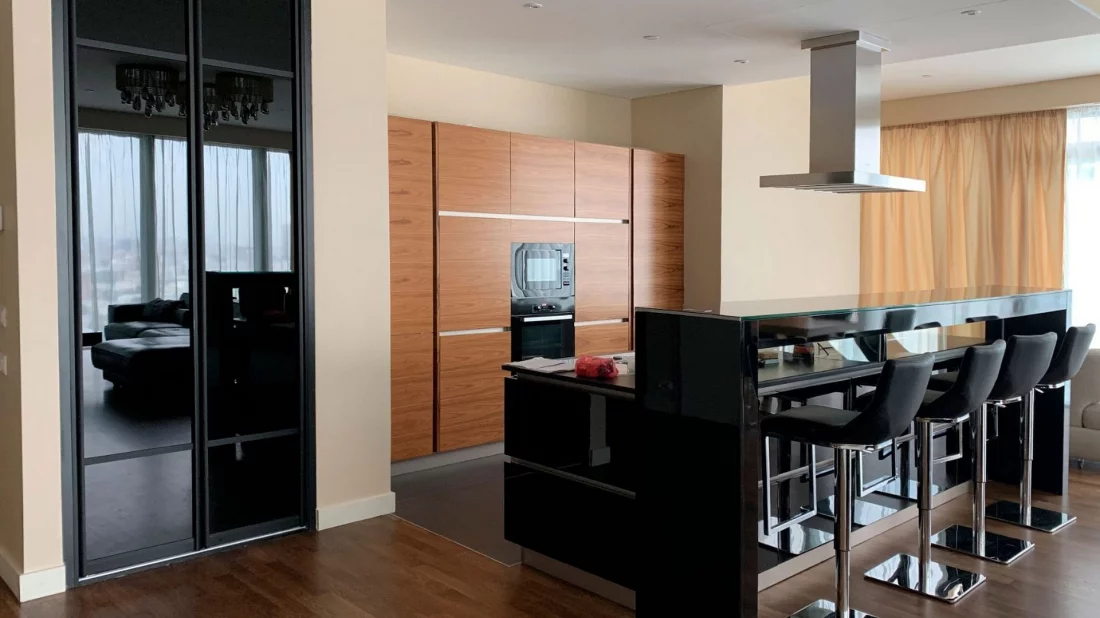
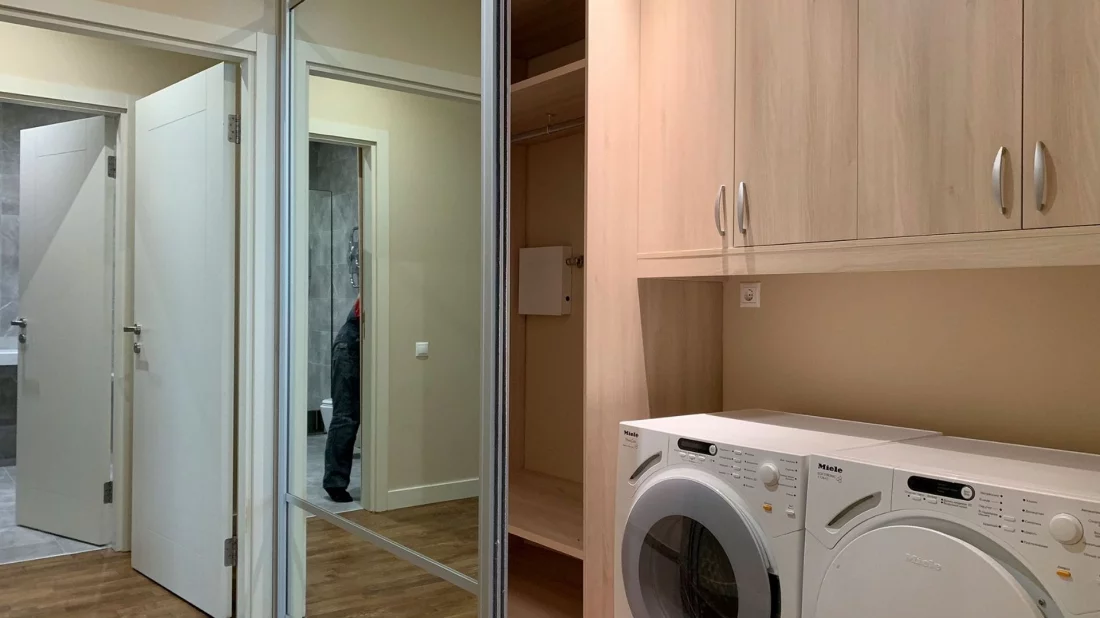
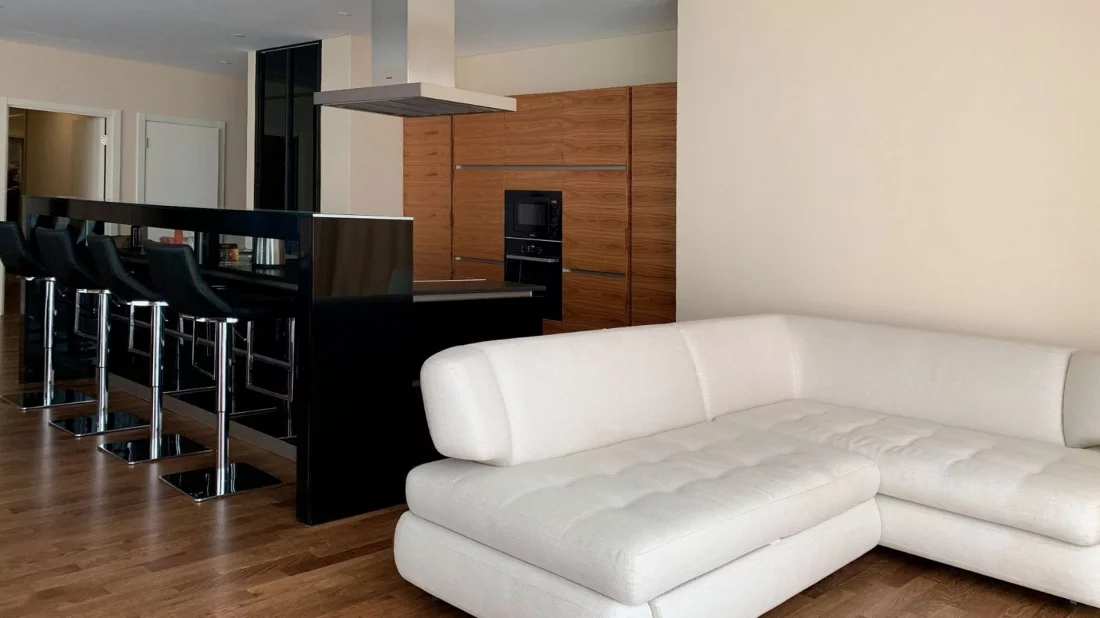
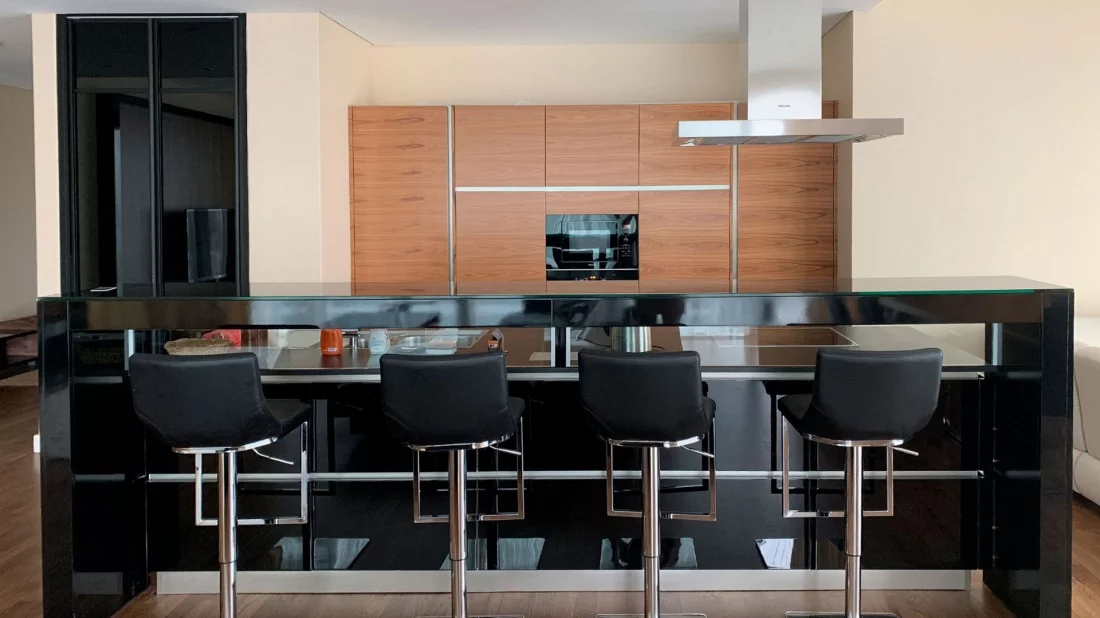
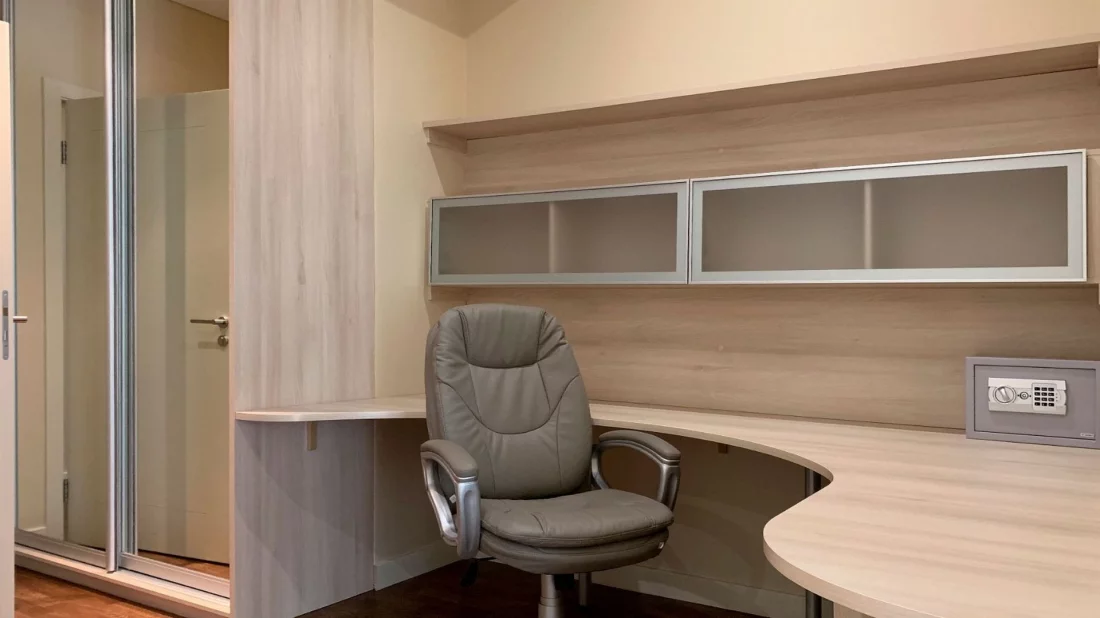
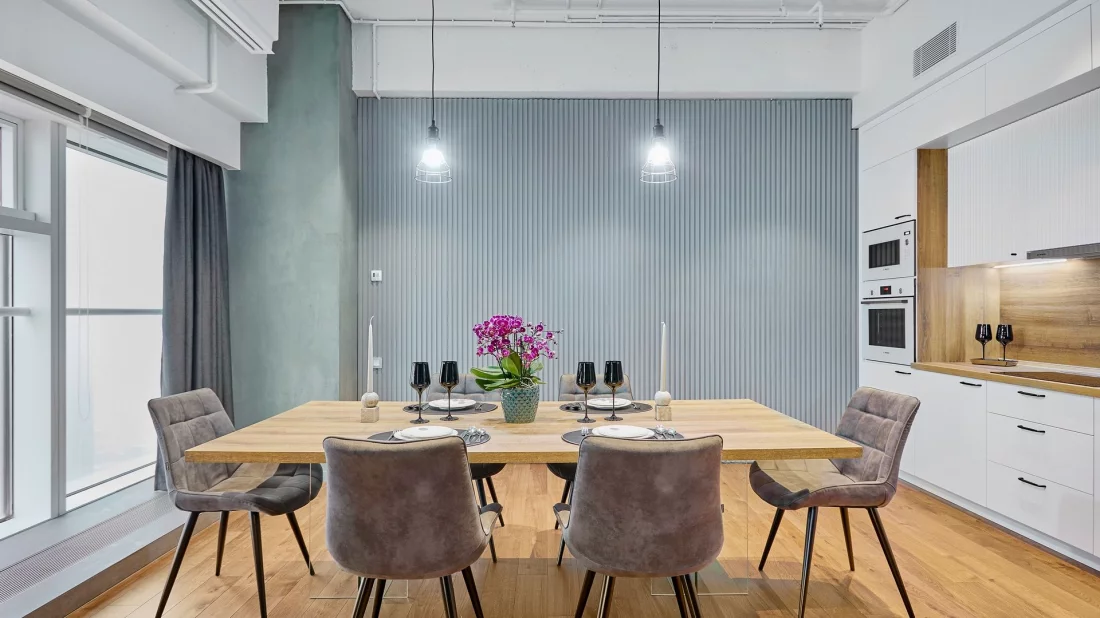
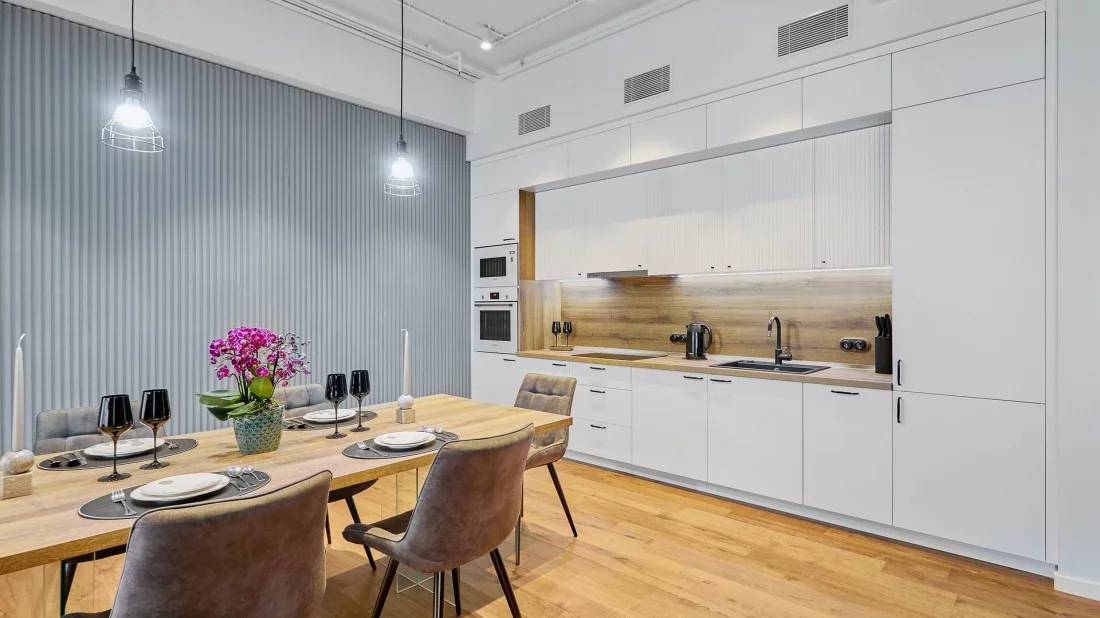
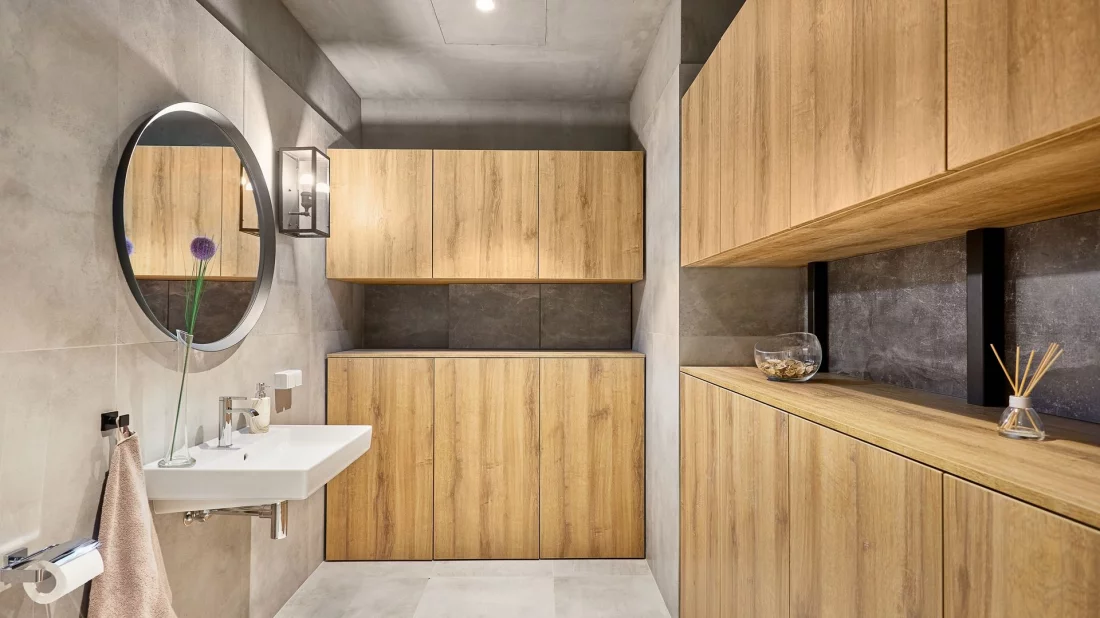
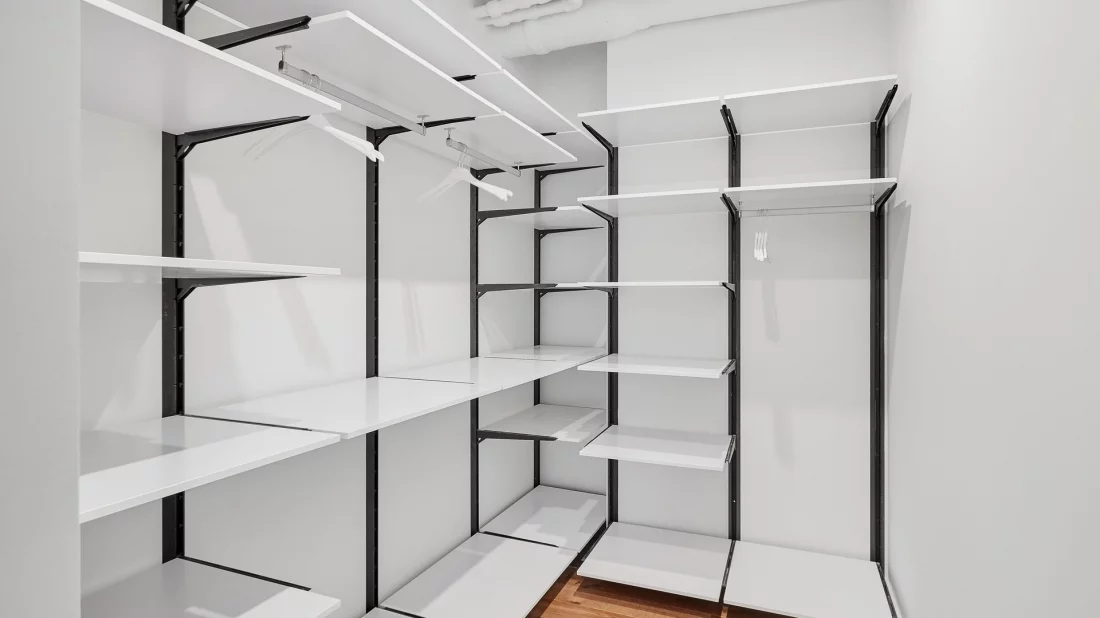
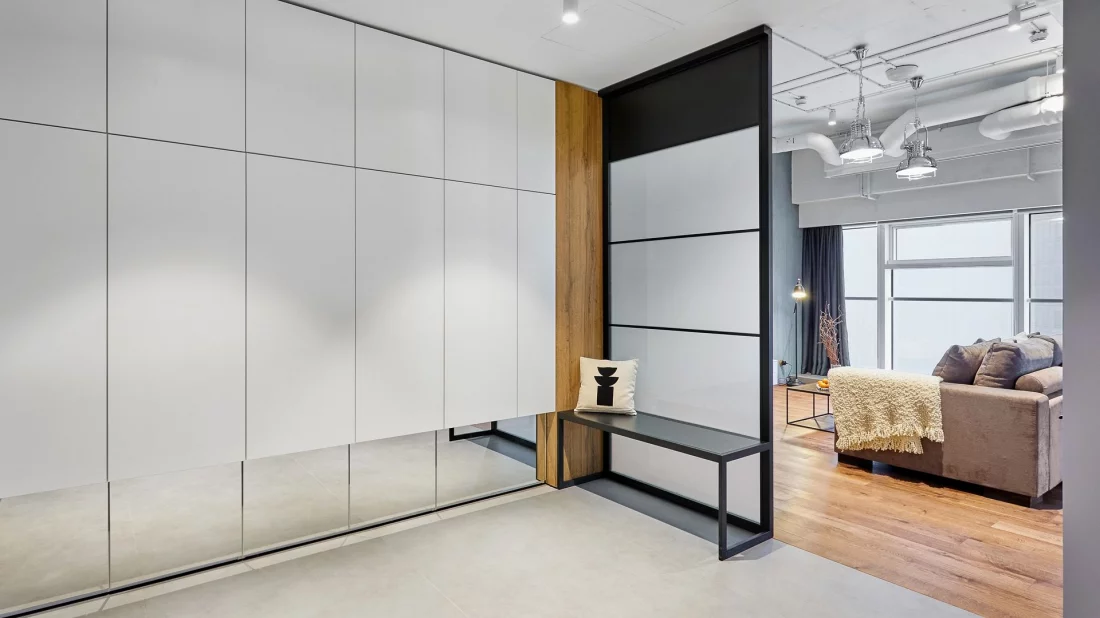
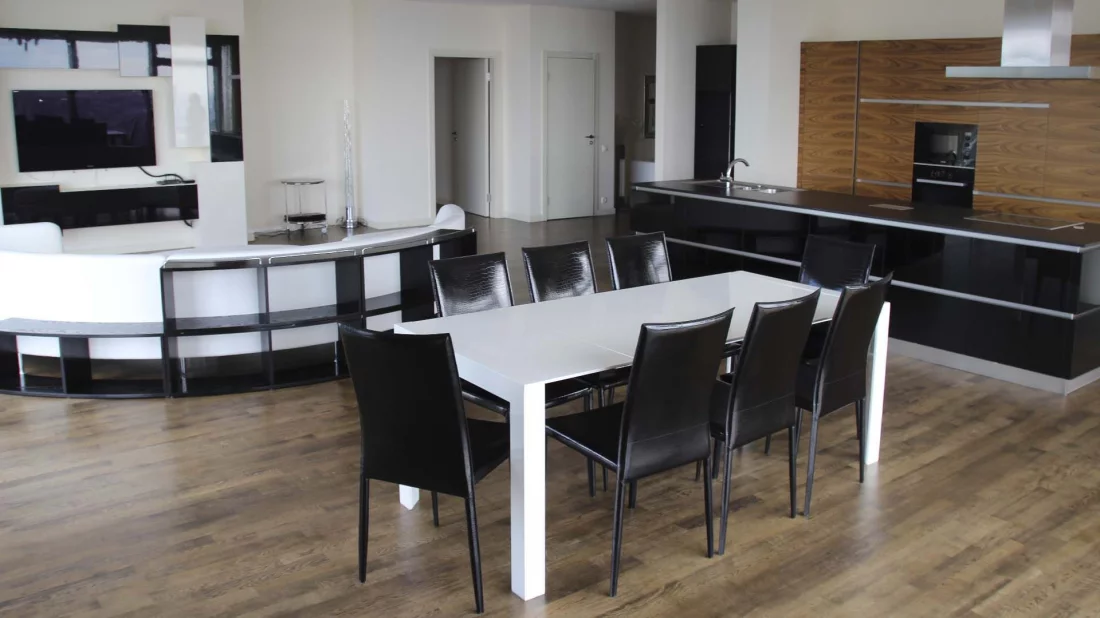
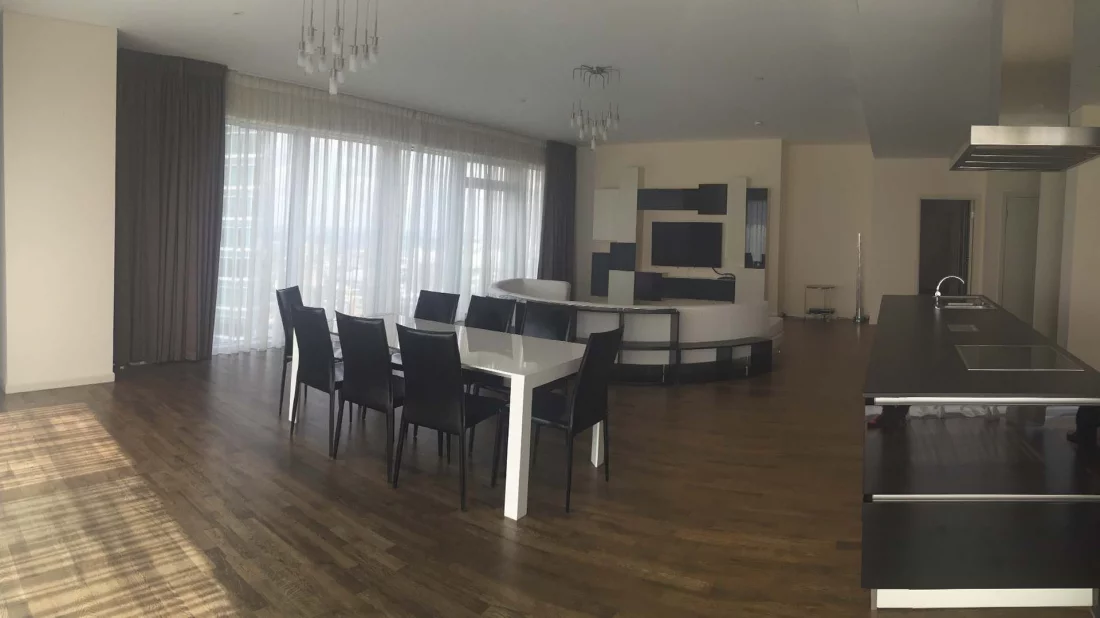
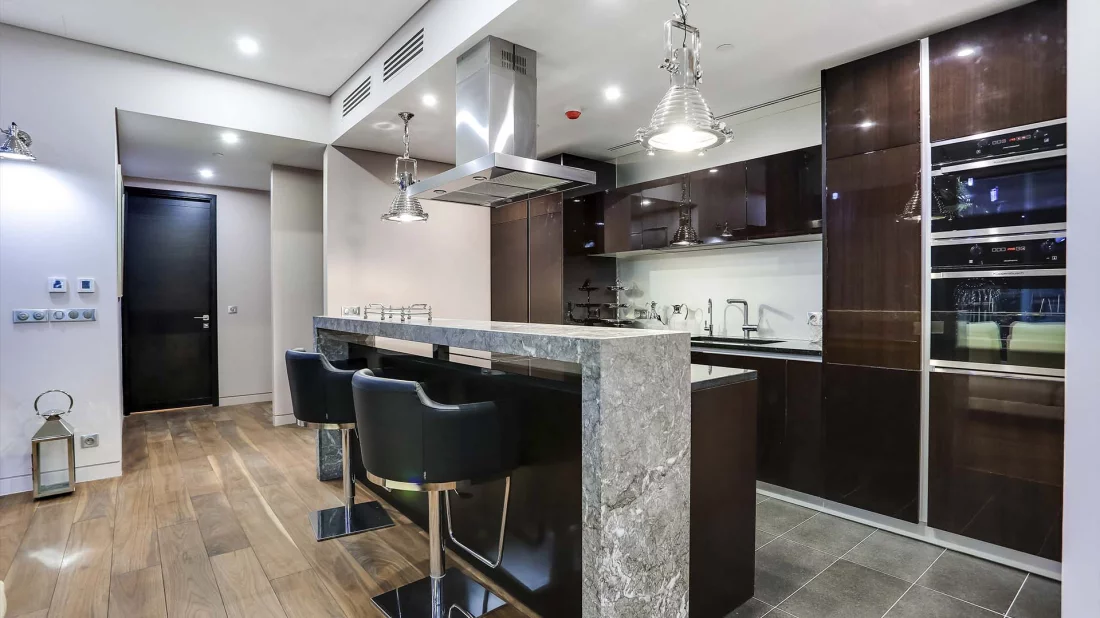
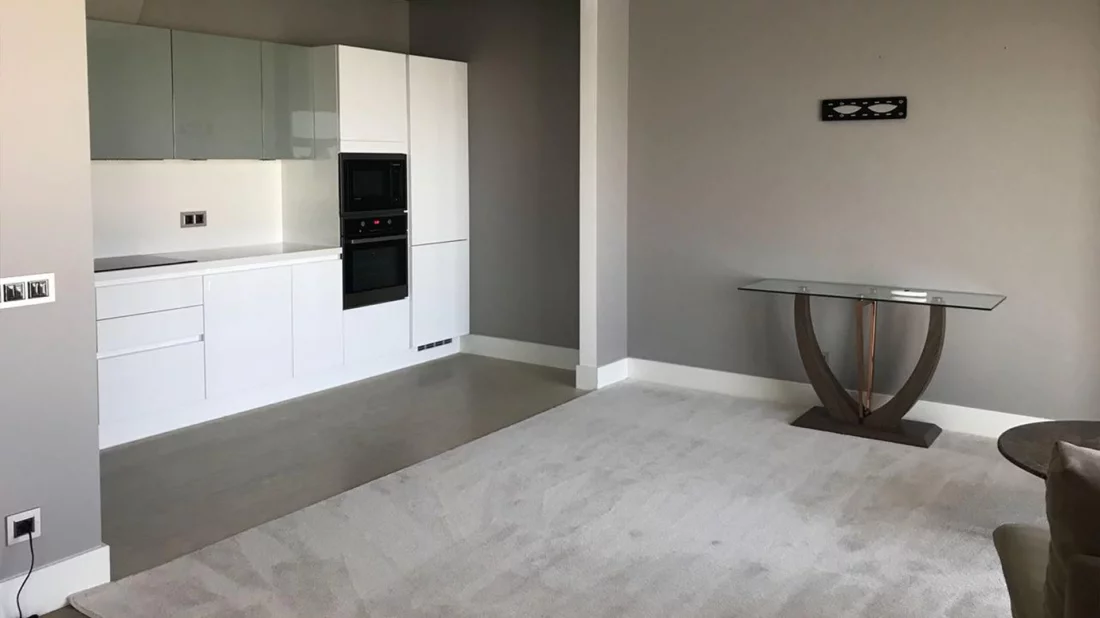
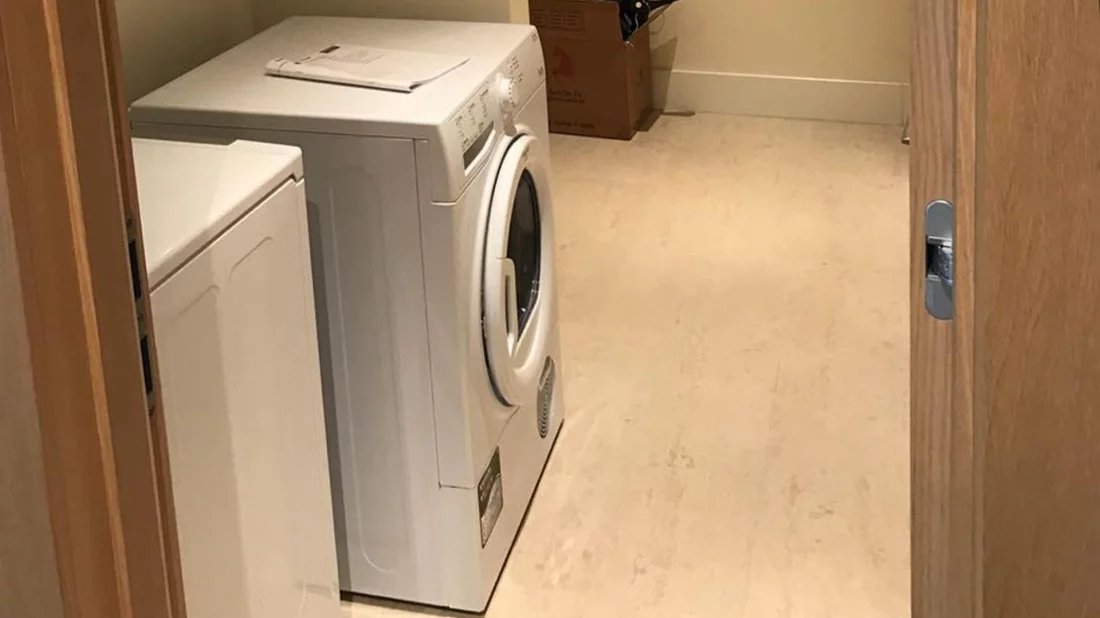
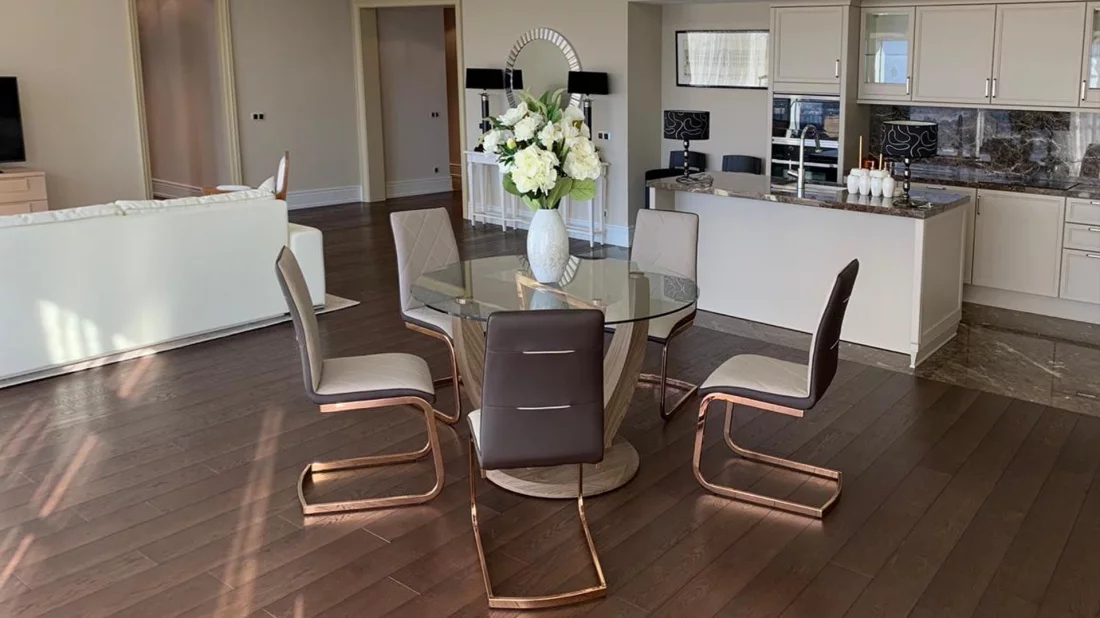
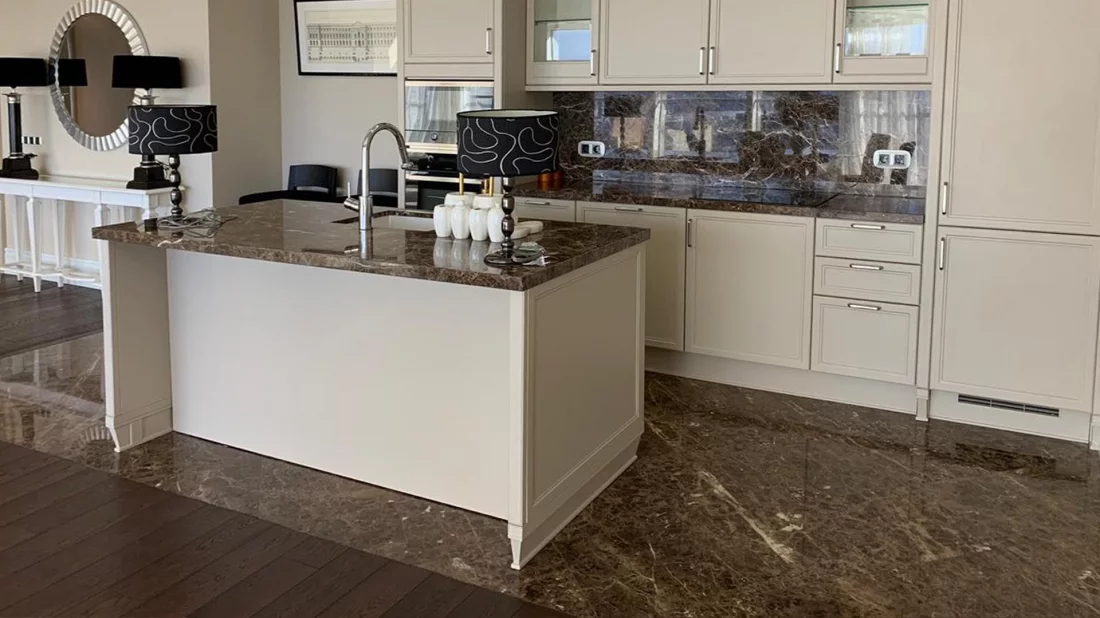
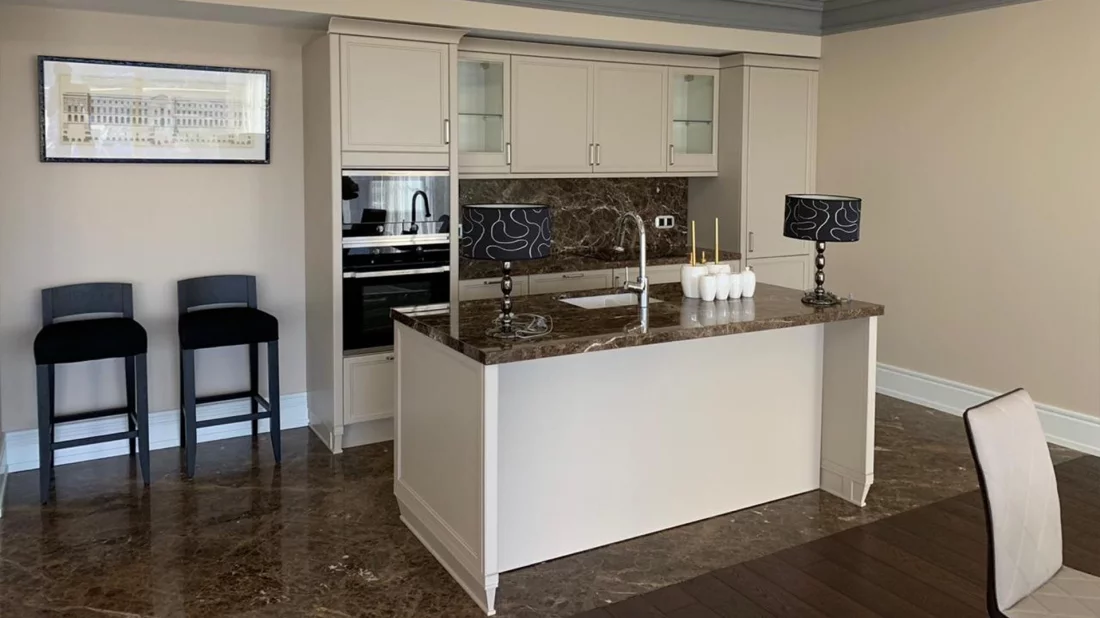
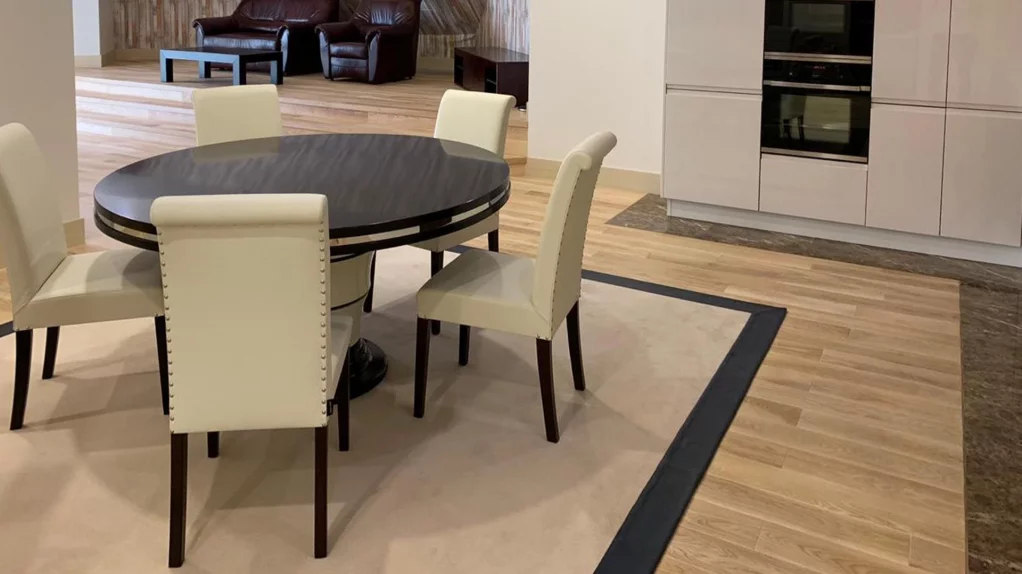
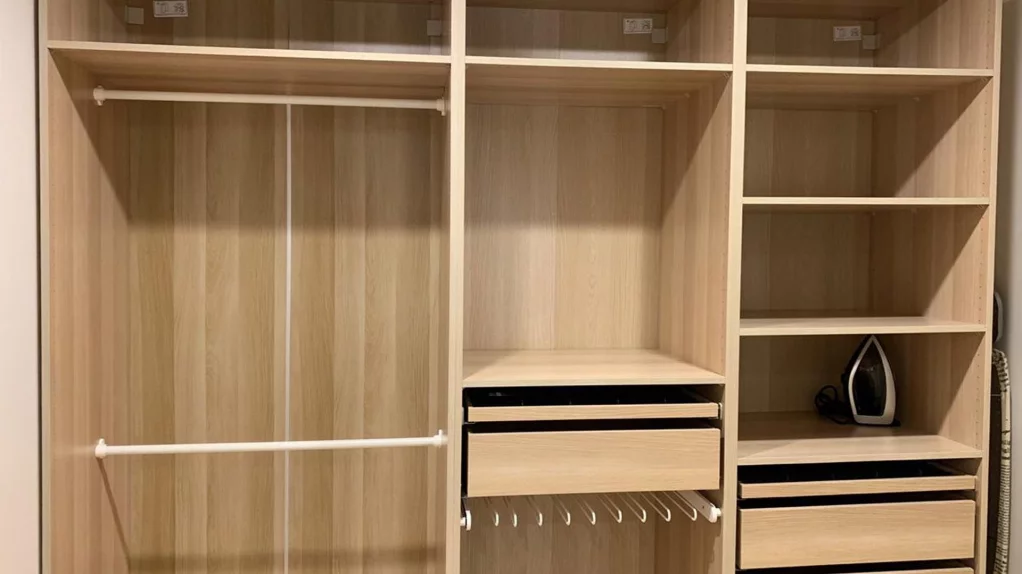
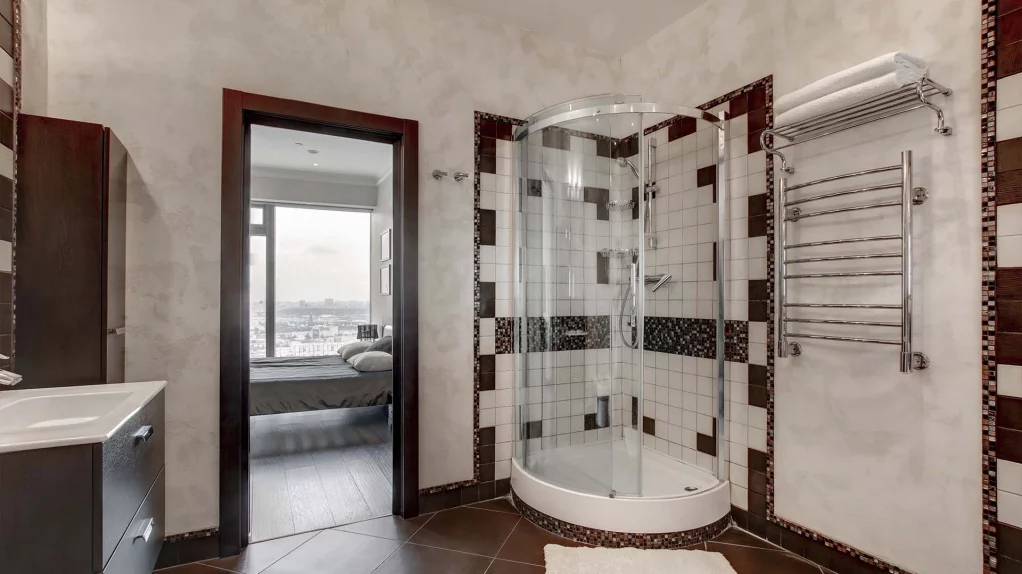
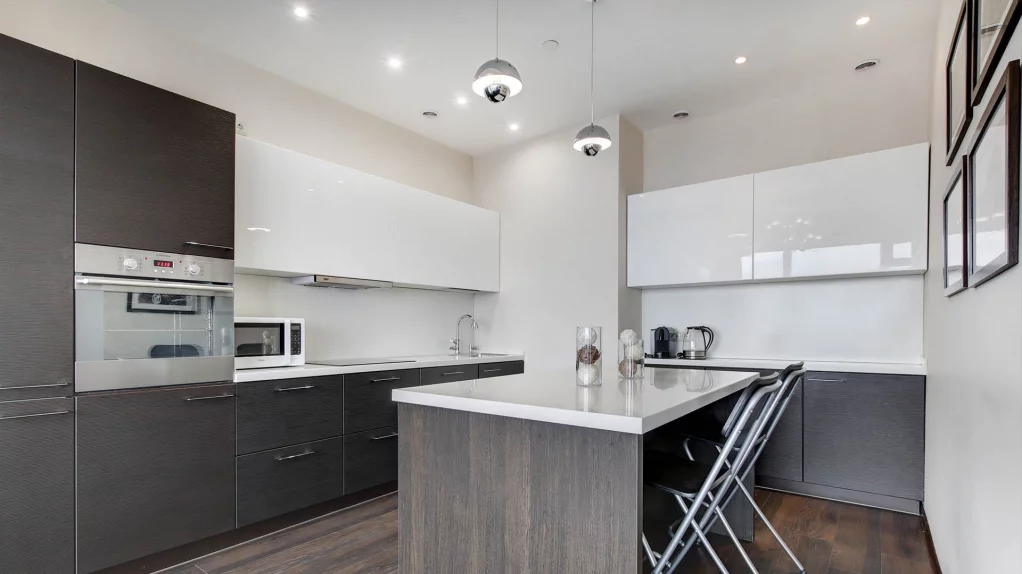
- whether there is a fully equipped kitchen and adequate storage space;
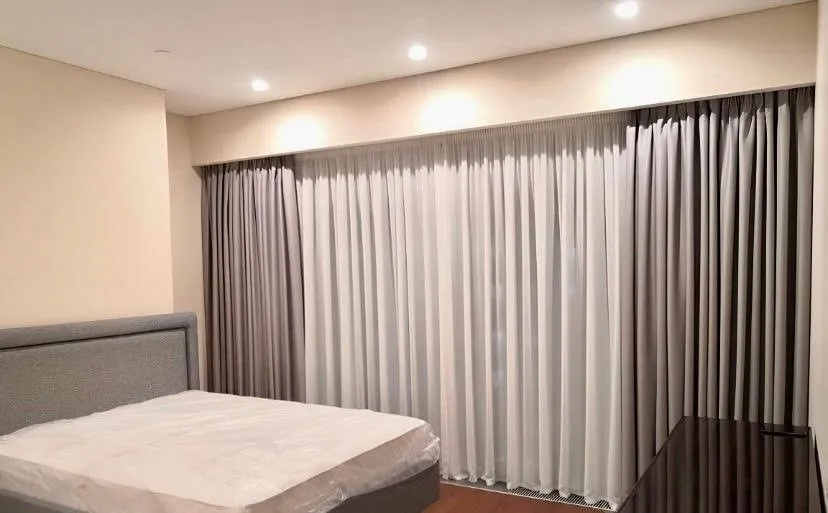
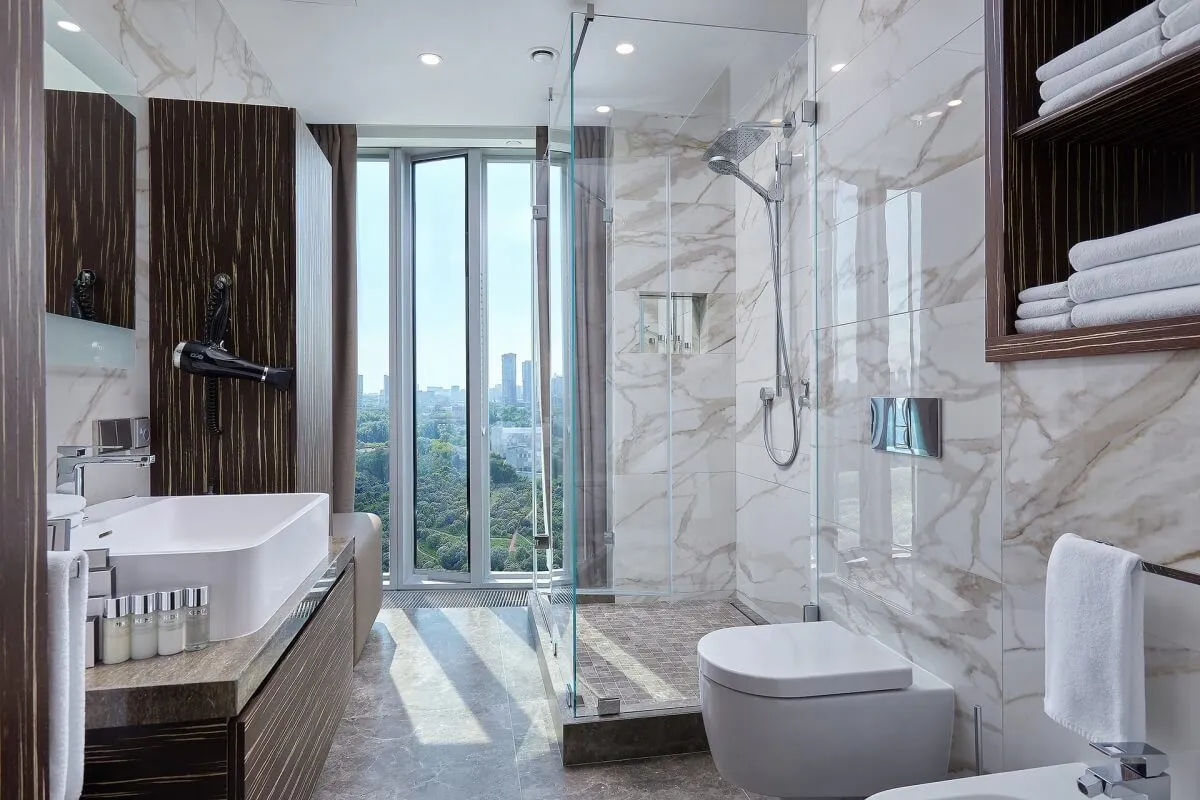
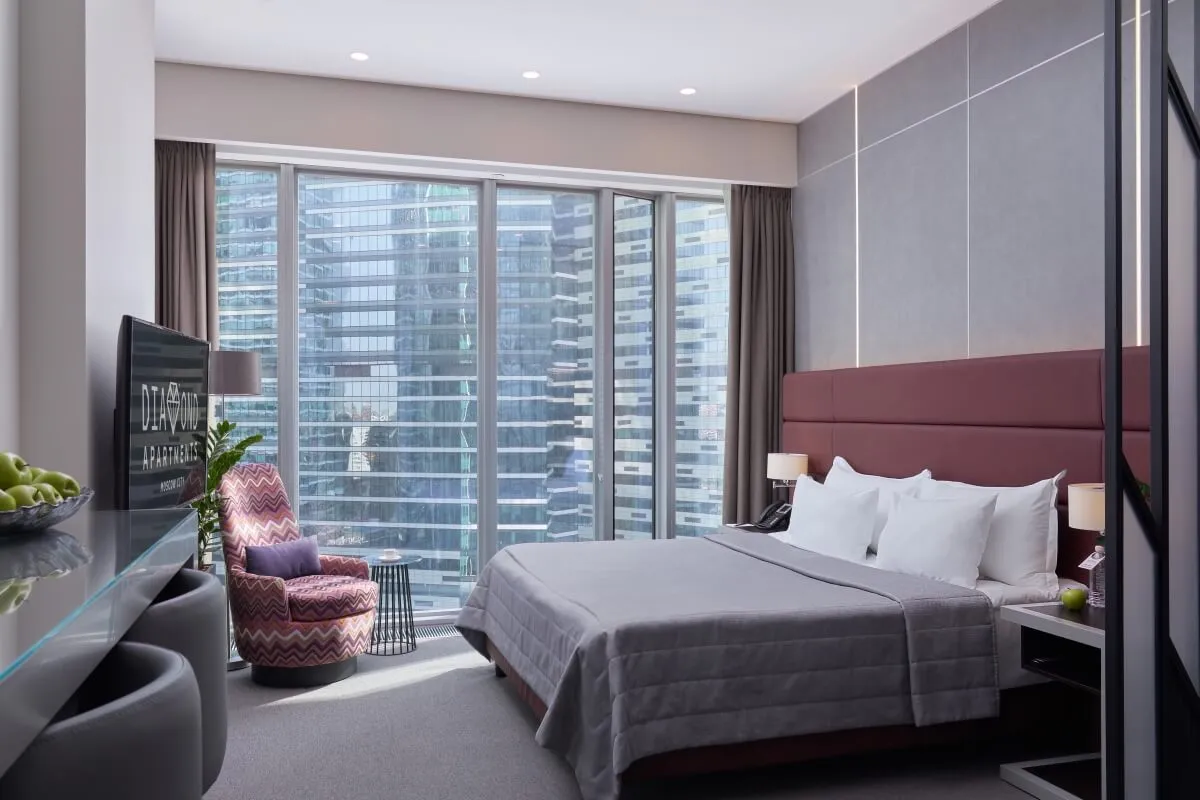
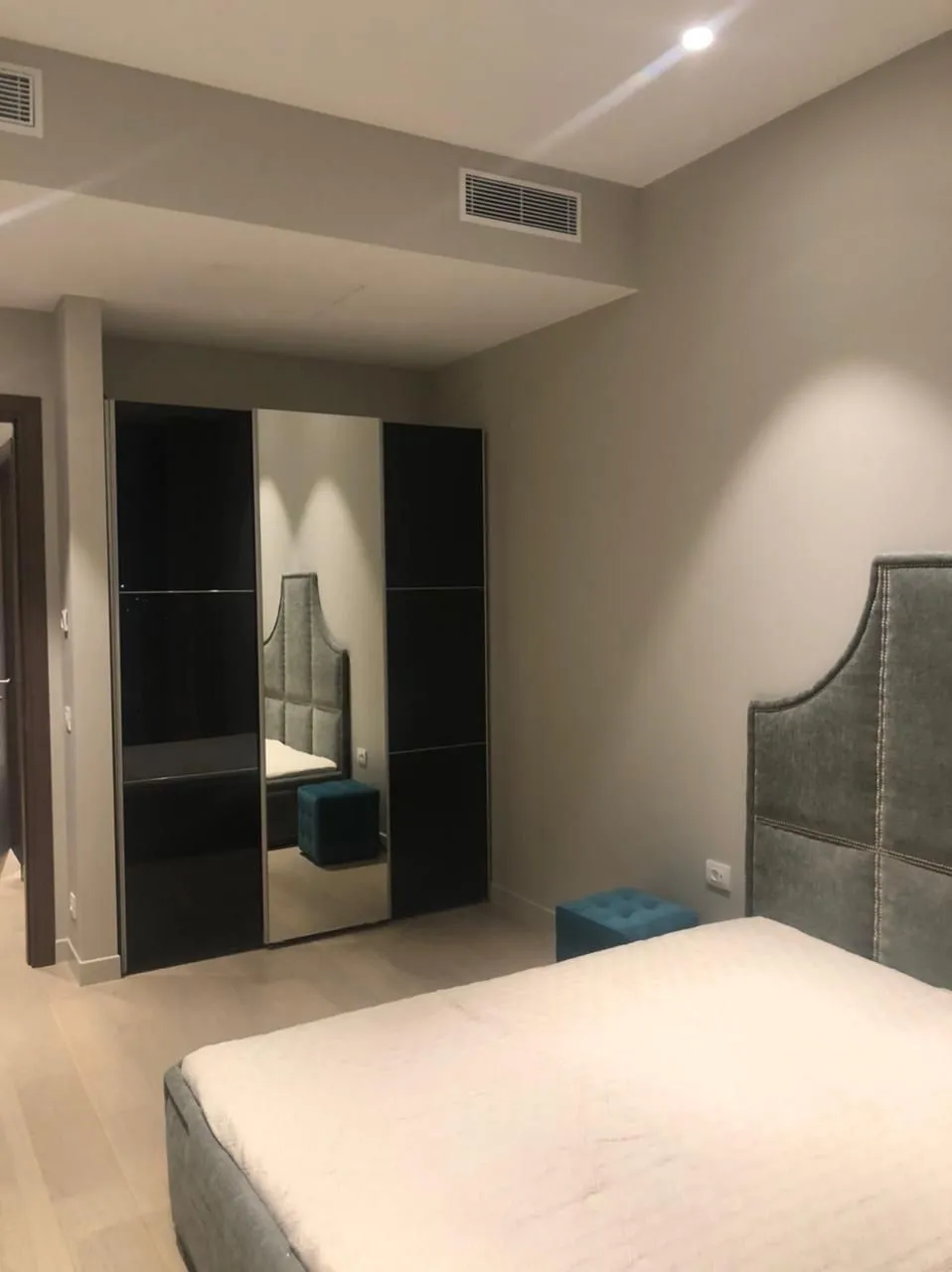
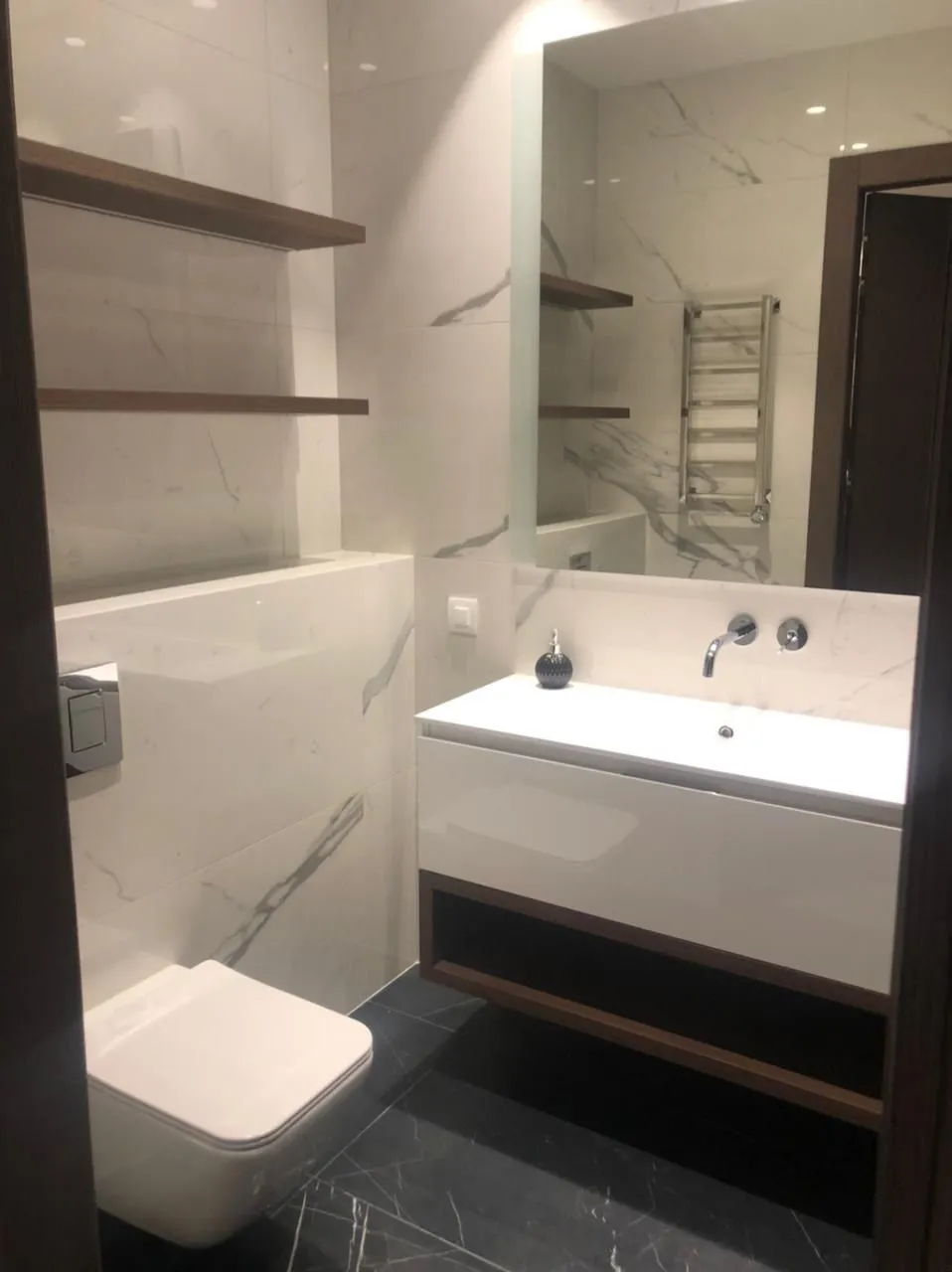
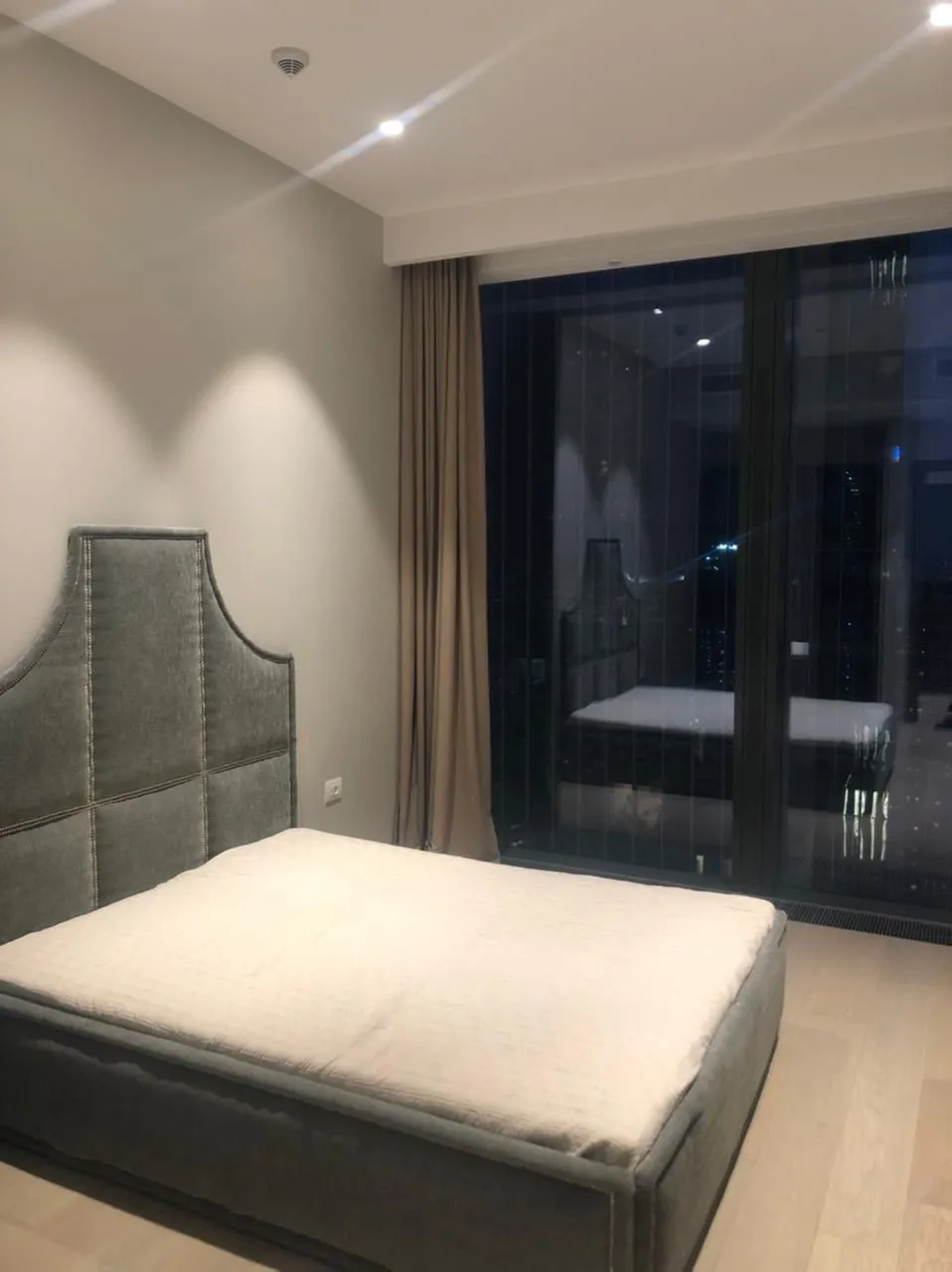
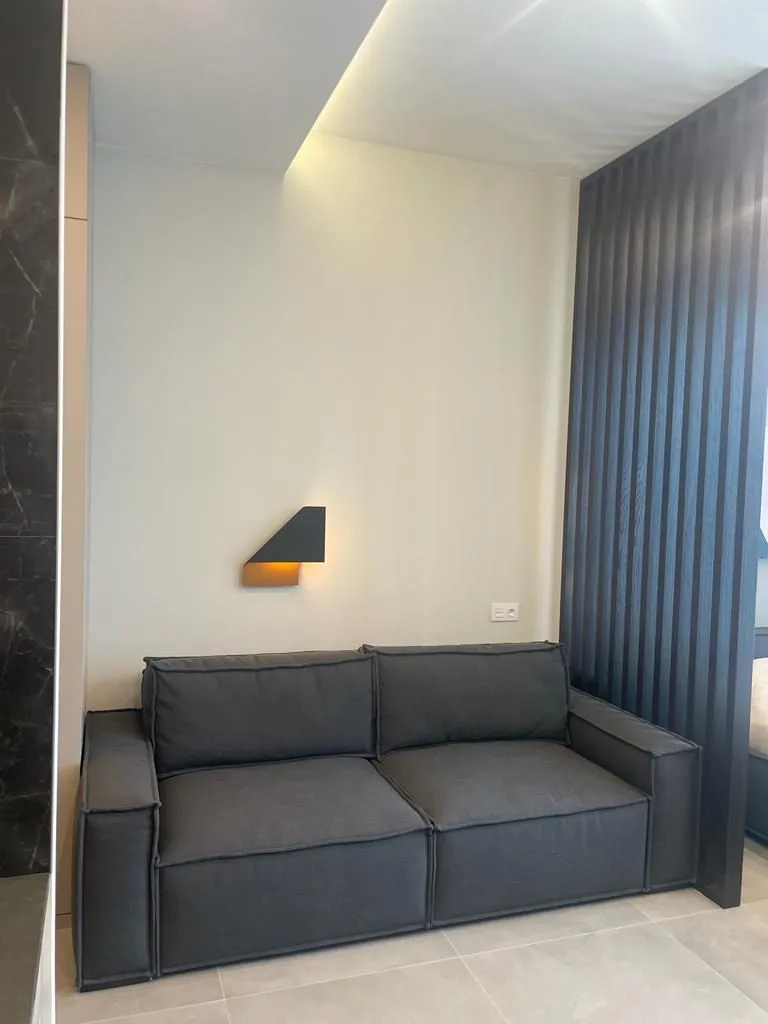
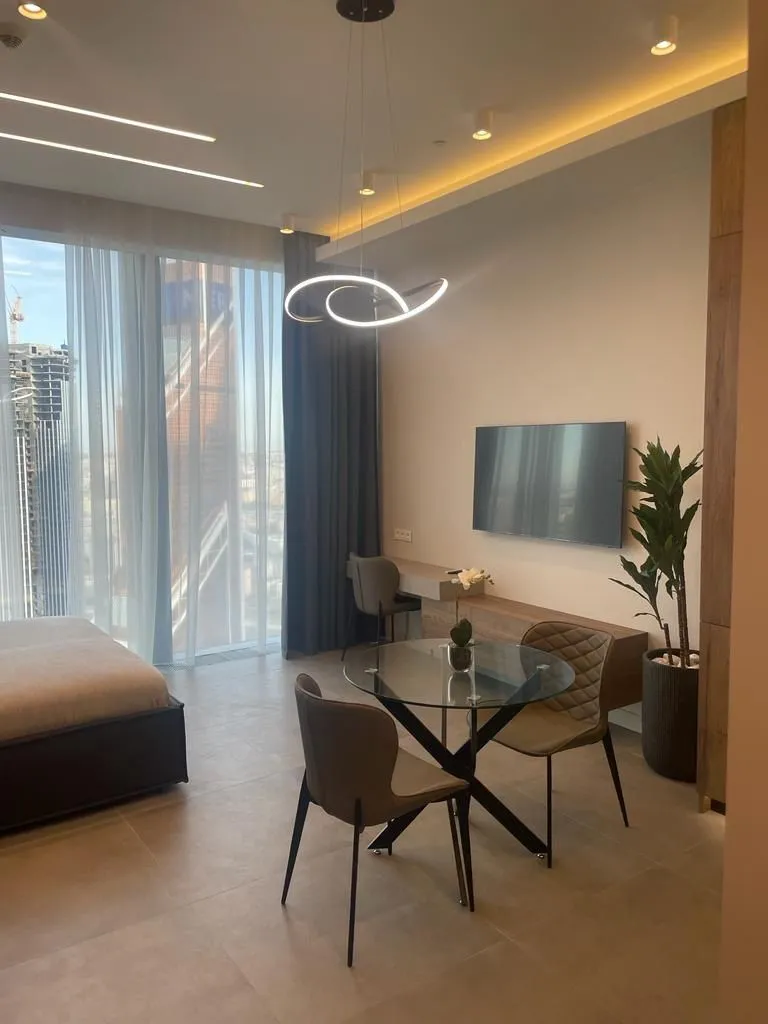
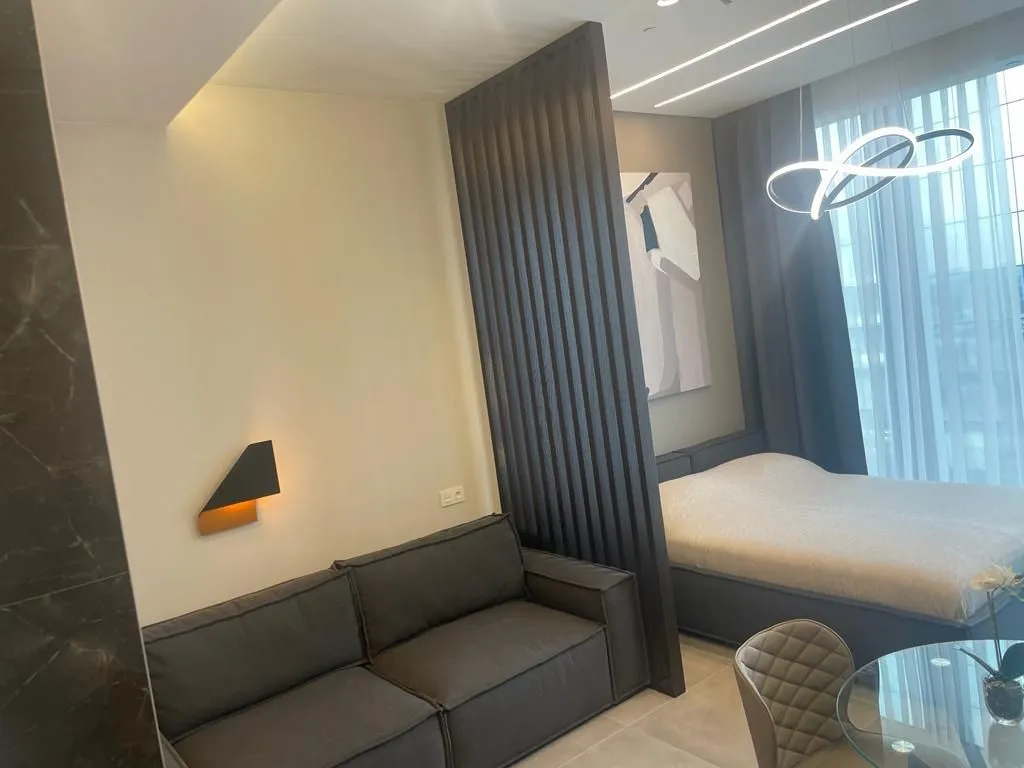
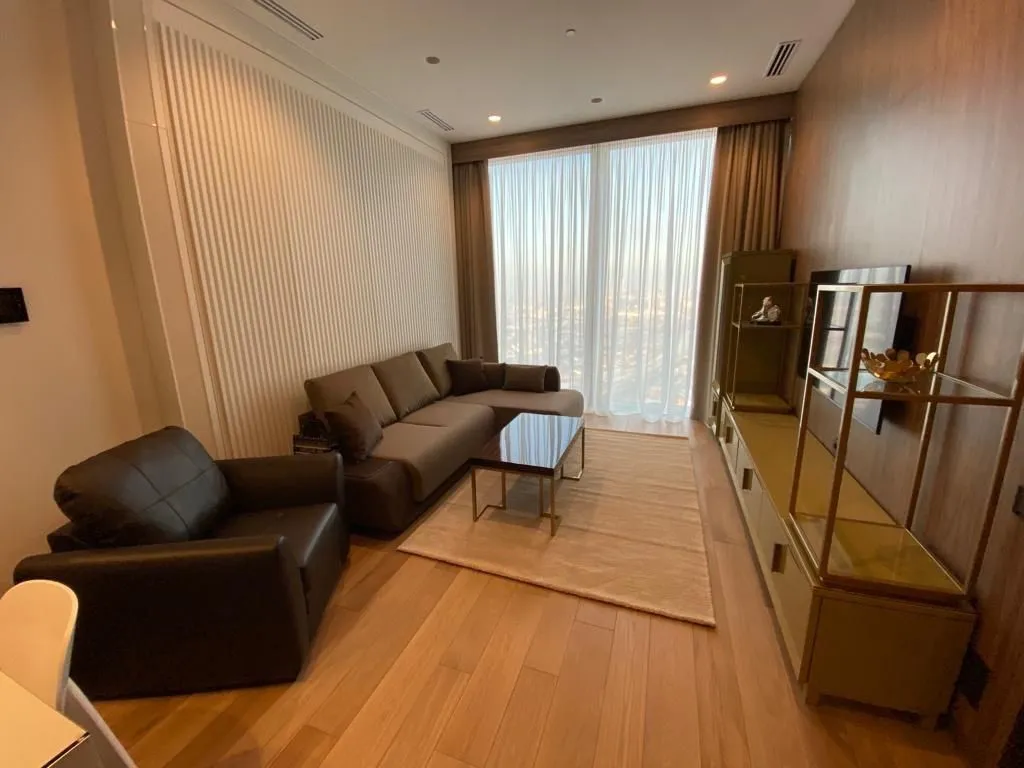
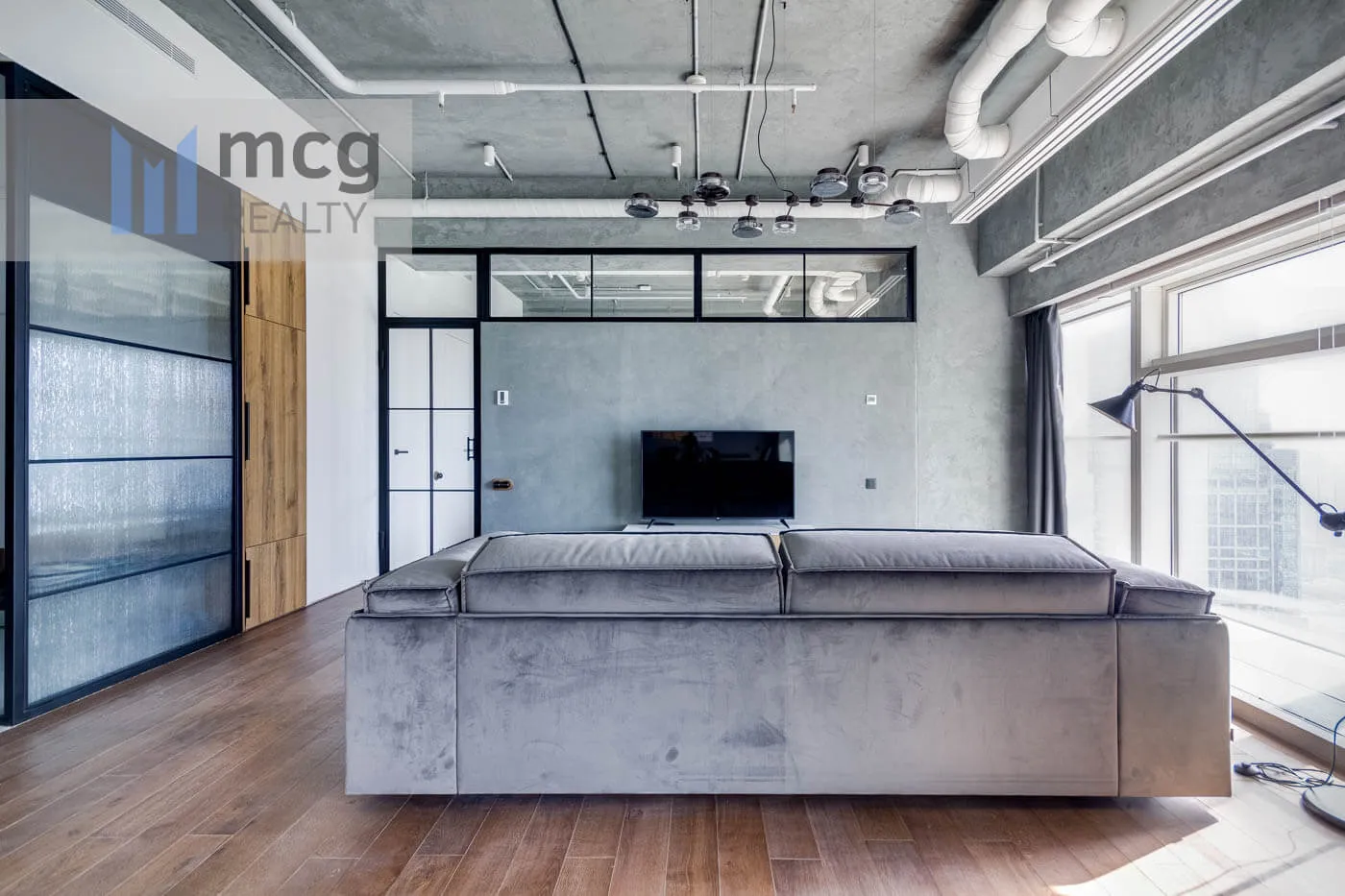
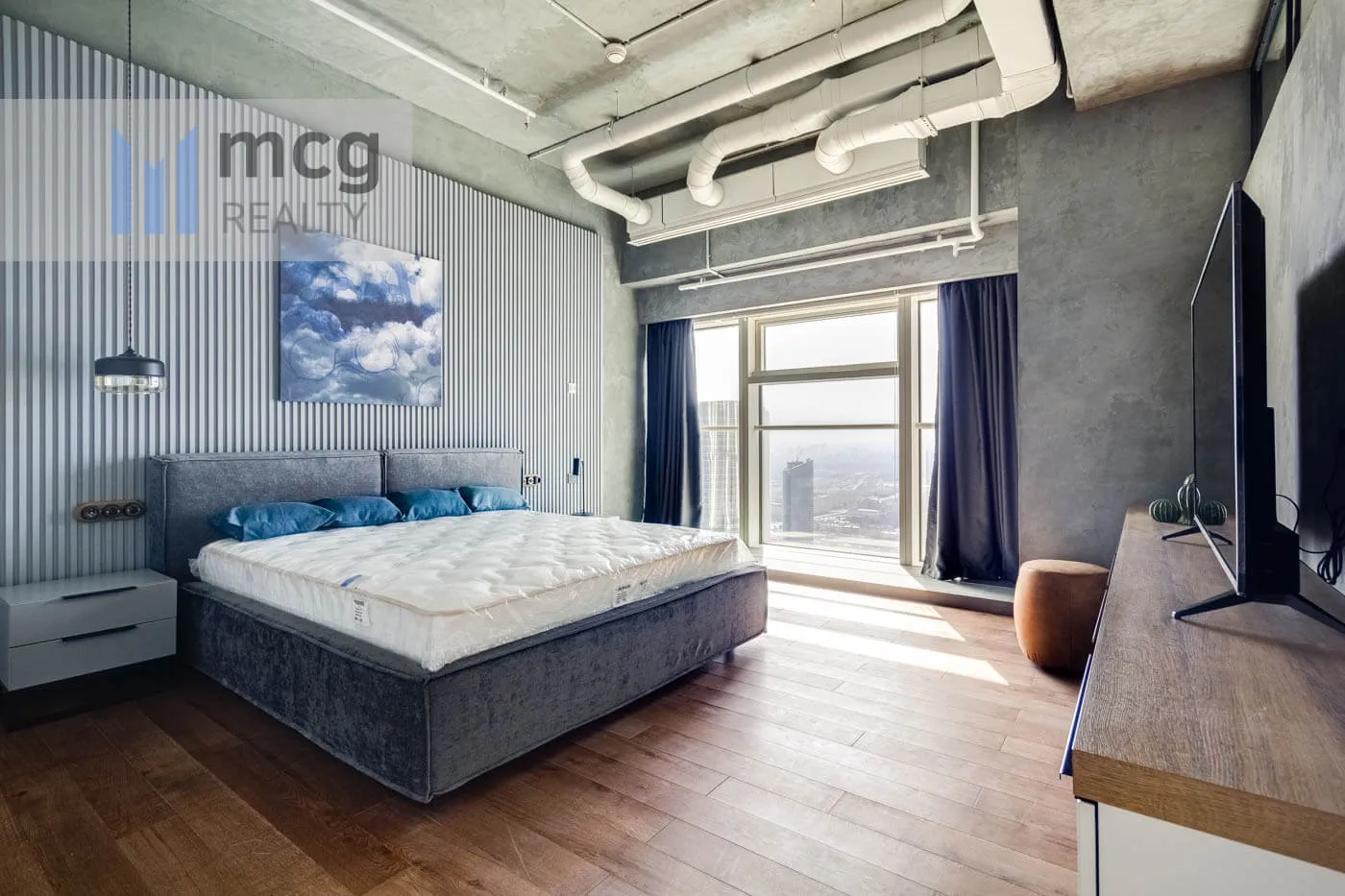
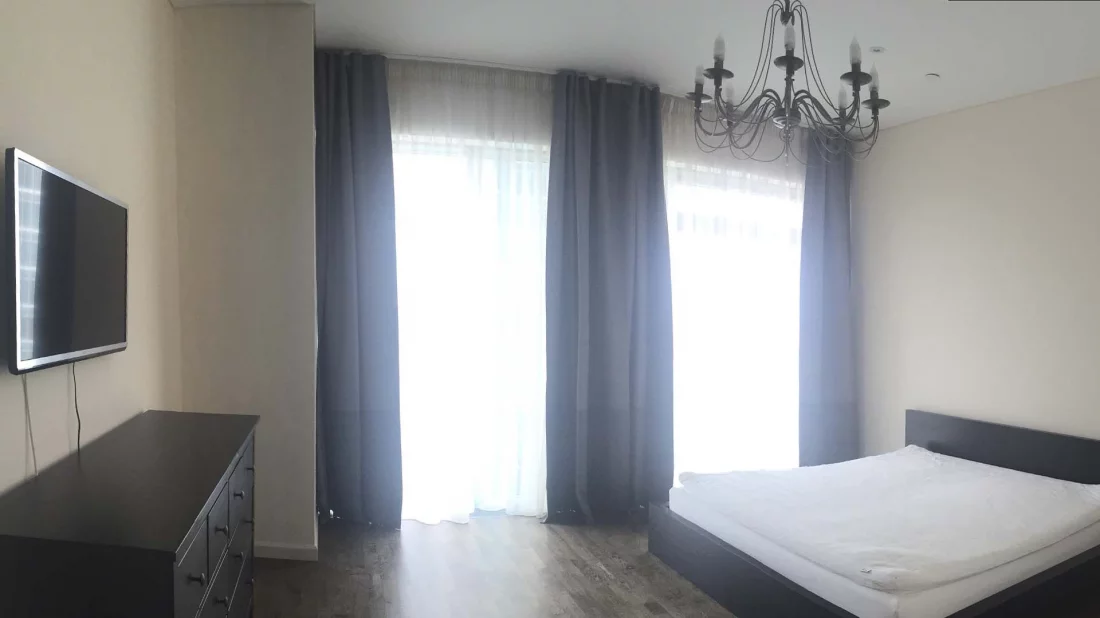
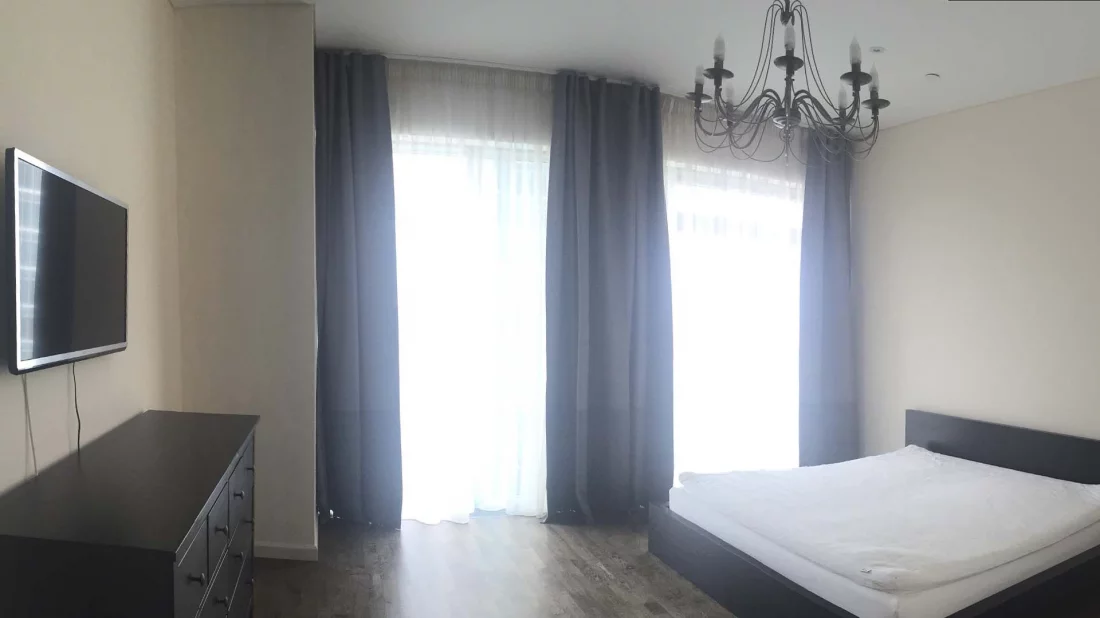
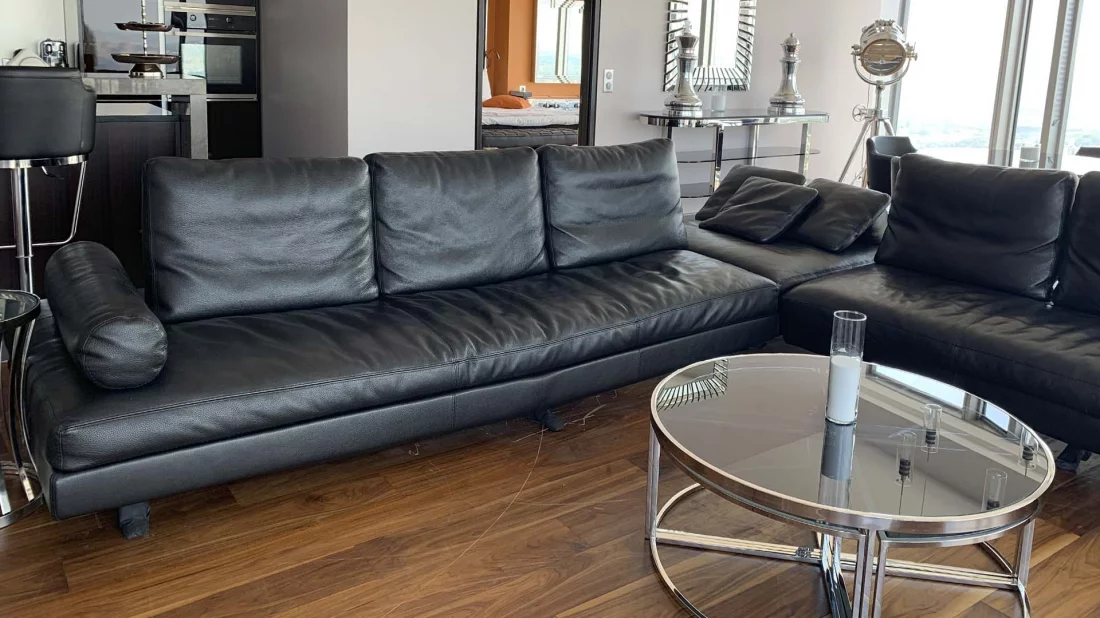
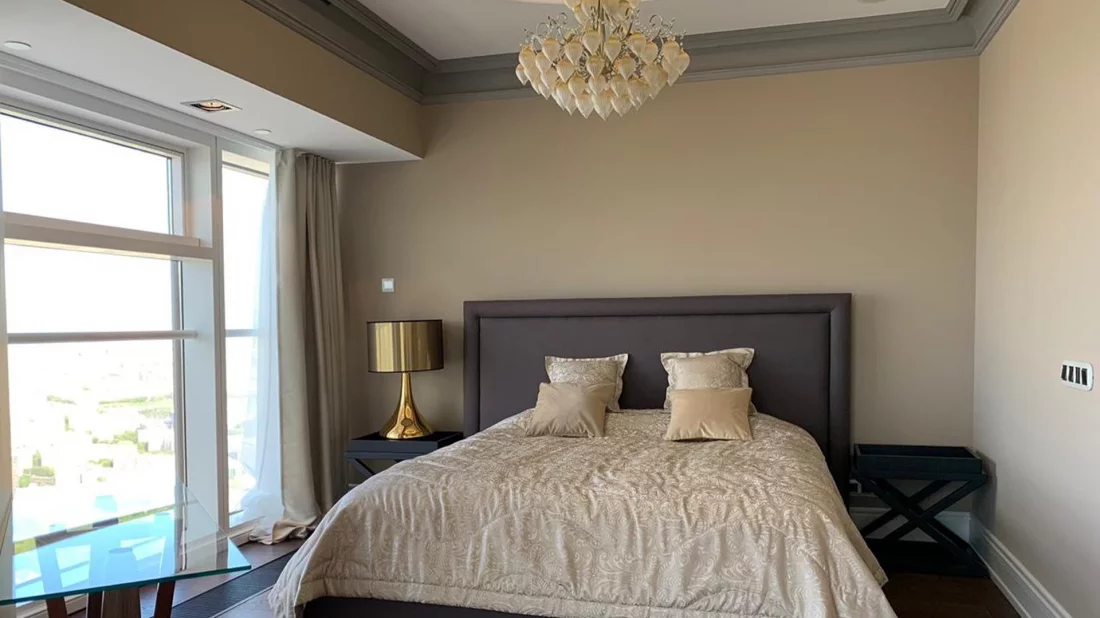
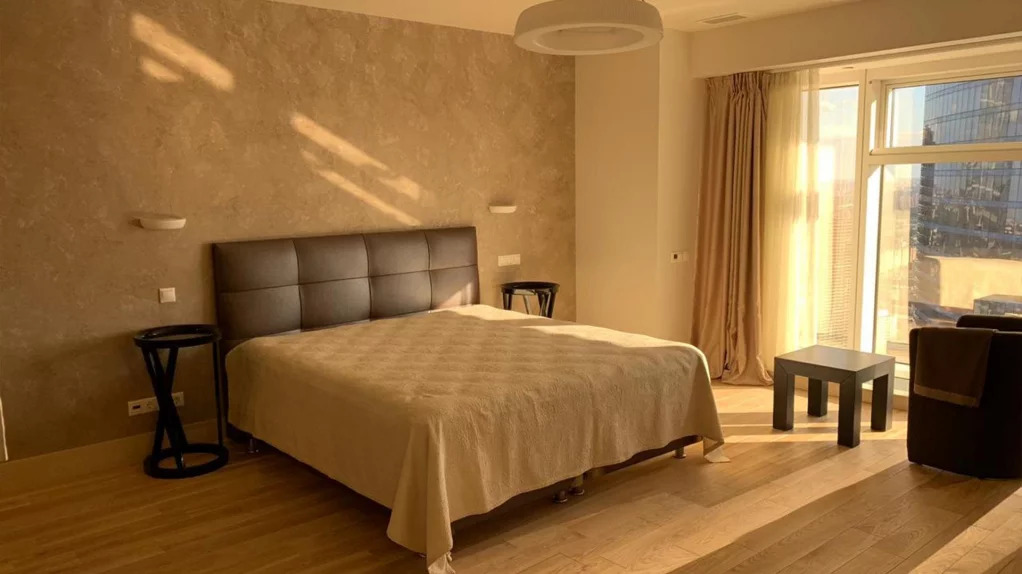
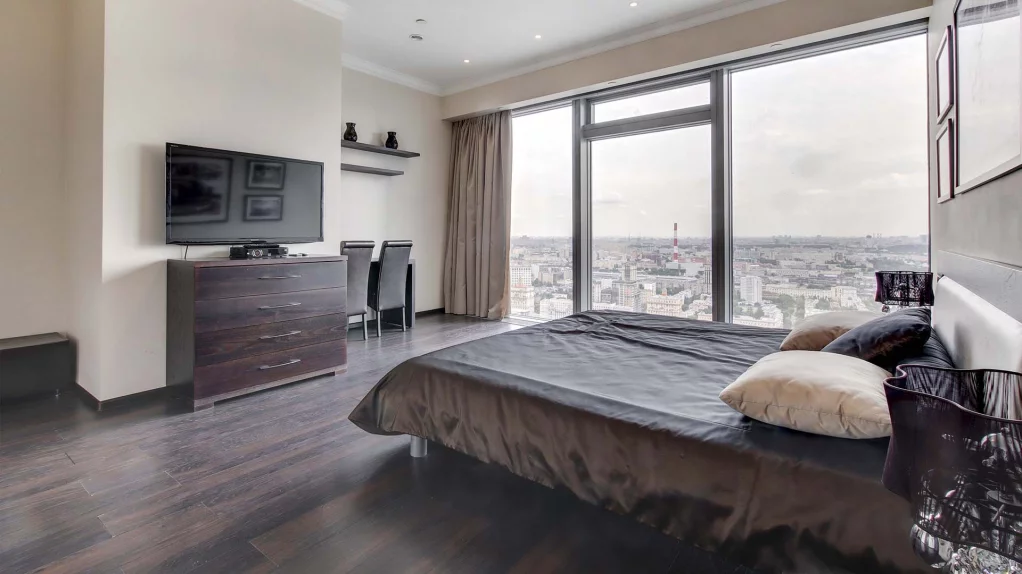
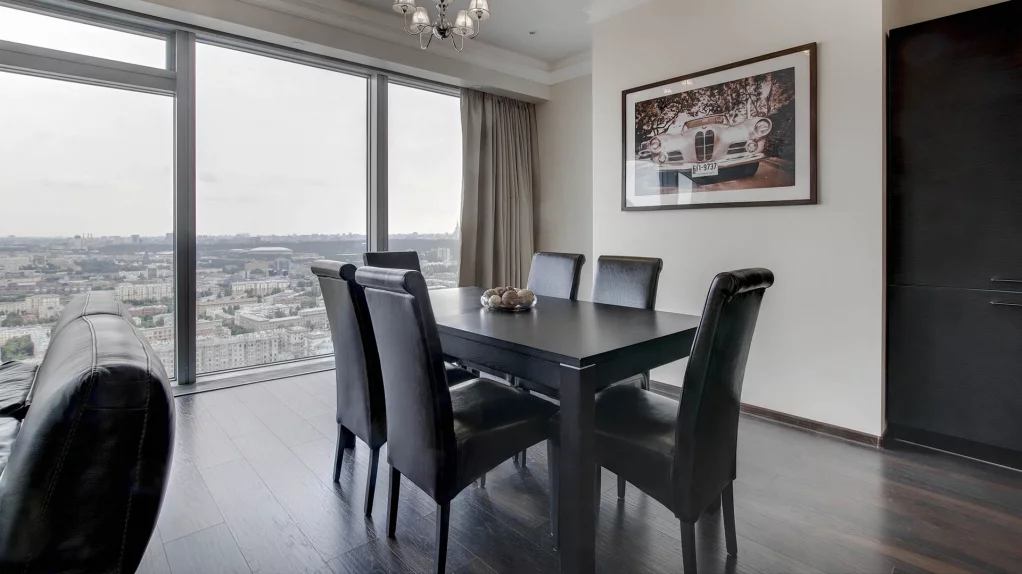
- whether the property is suitable for daily living;
- whether there is reliable internet access;
- whether a parking space is provided;
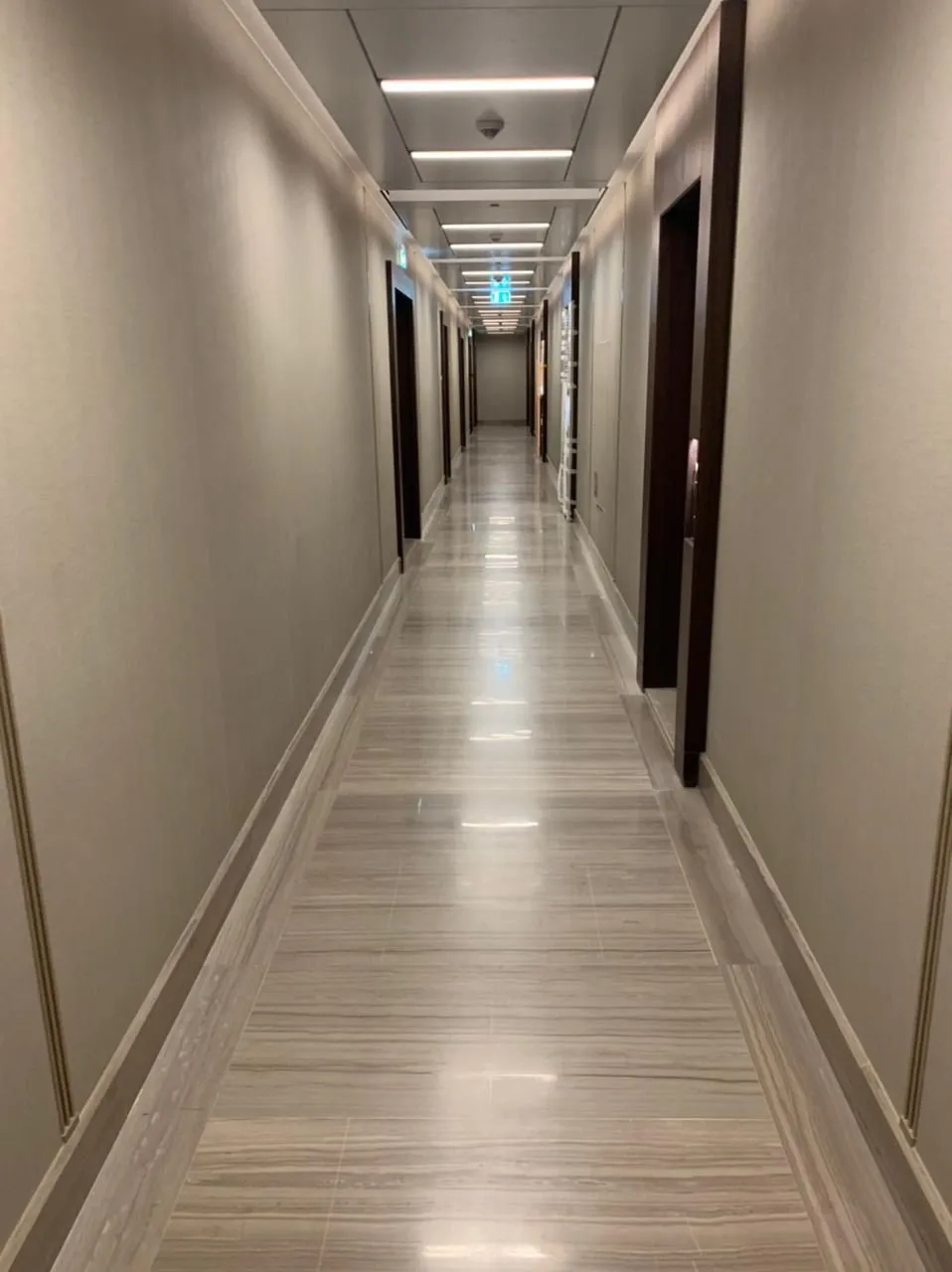
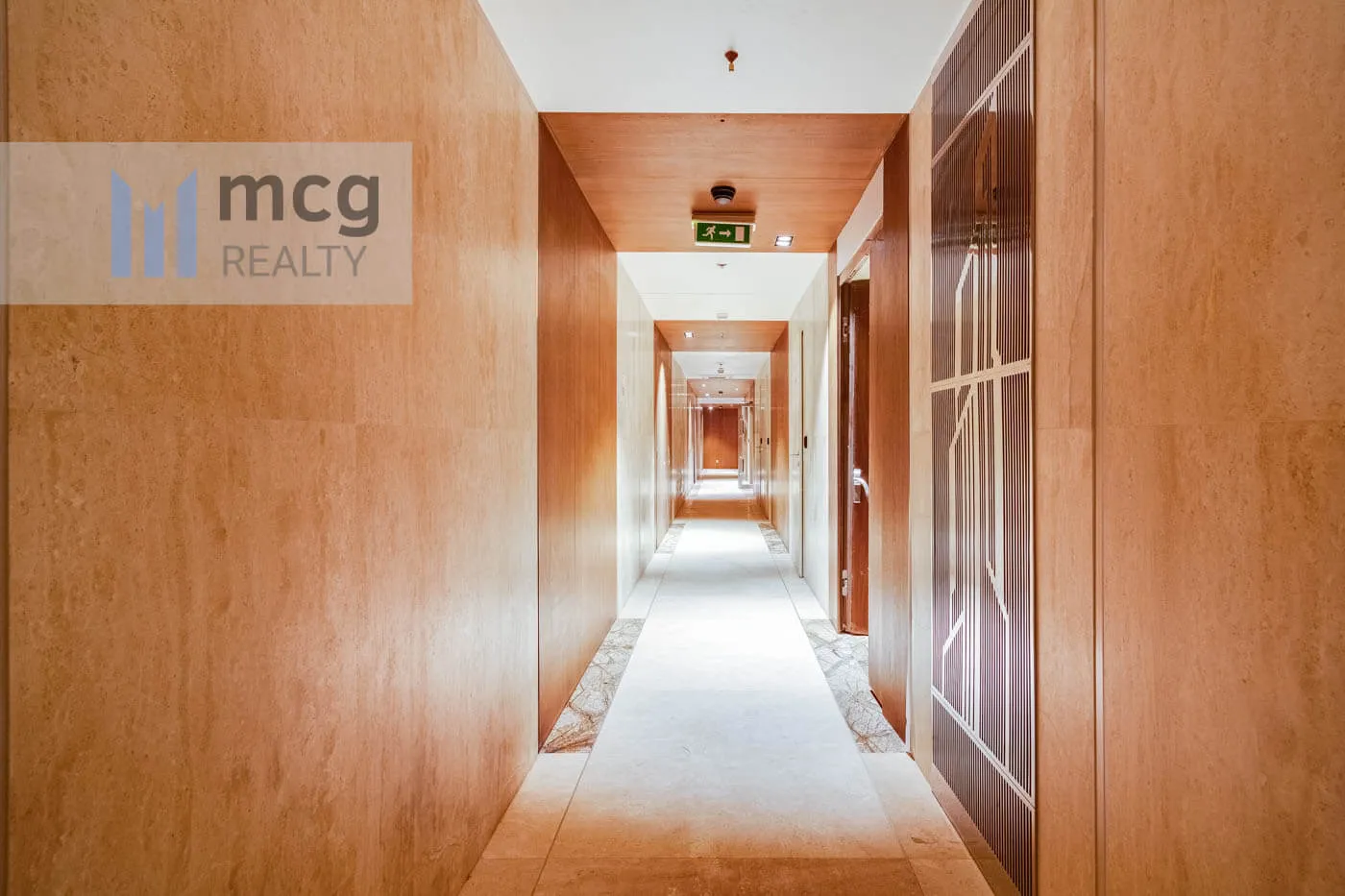
- how access is arranged for guests and delivery personnel;
- Are utilities included in the rent?
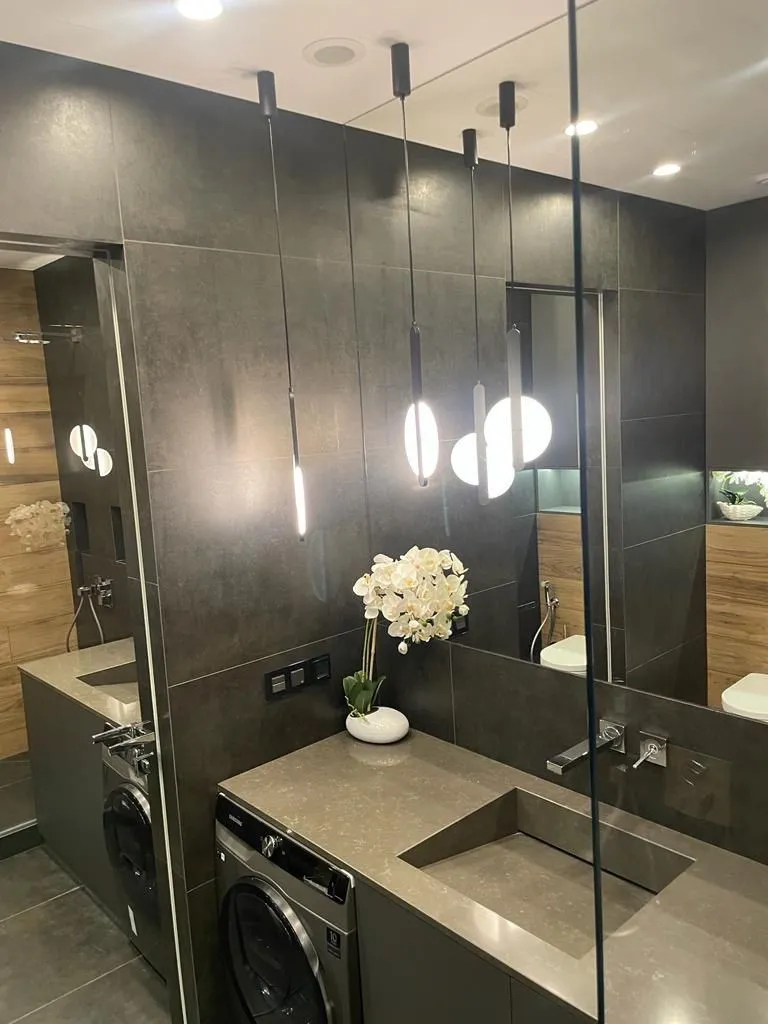
- Who is responsible for repairs to appliances and equipment?
Rental terms for monthly and annual leases may vary. For contracts lasting several months, the rent is sometimes higher. An annual lease allows you to determine the monthly payment, the procedure for adjusting it, and the terms for renewal in advance.
Before moving in, agree on the security deposit, brokerage fee, notice period for moving out, and the rules for early termination of the lease. Separately clarify the payment terms for parking, utilities, internet, and cleaning.
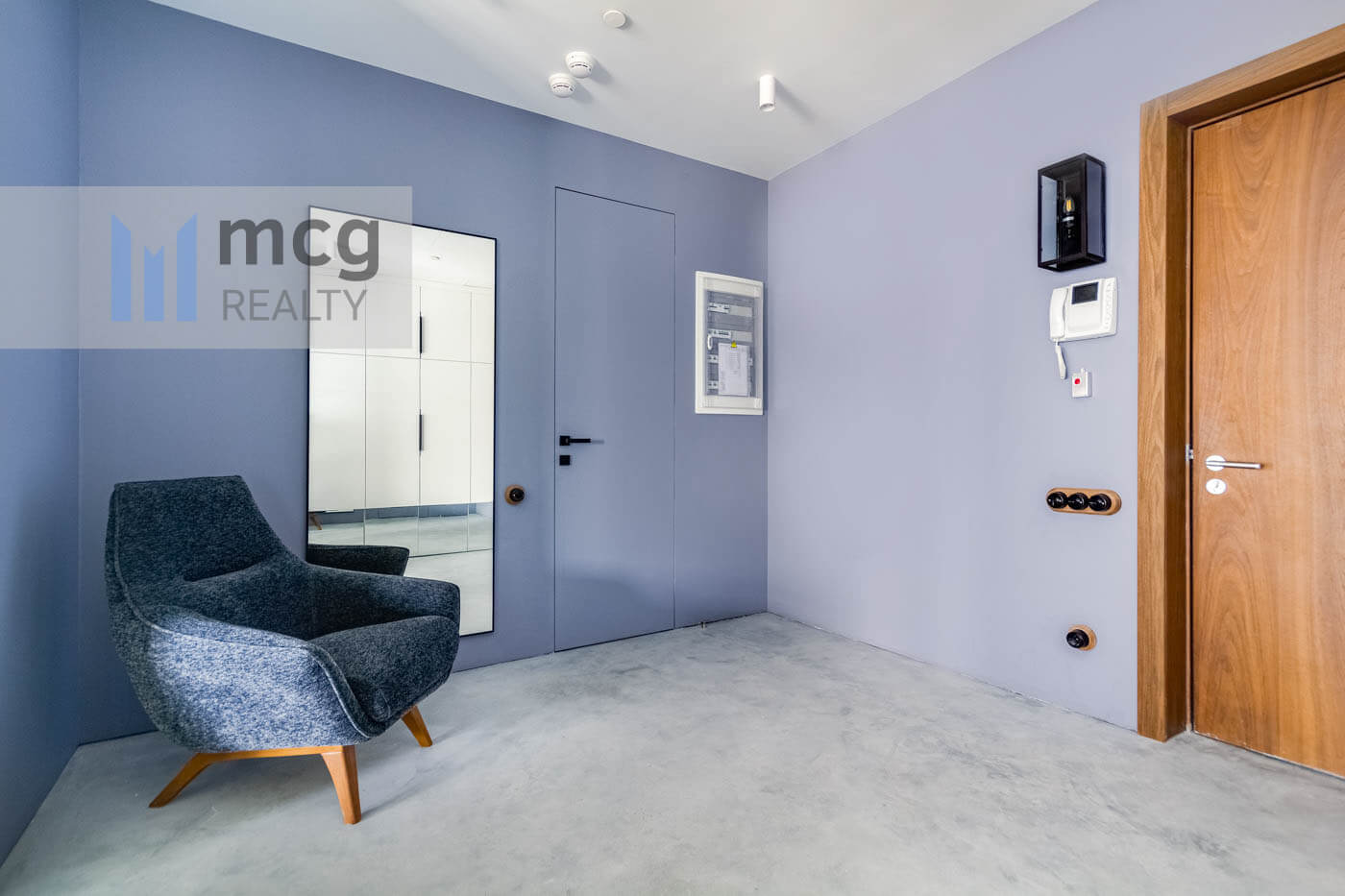
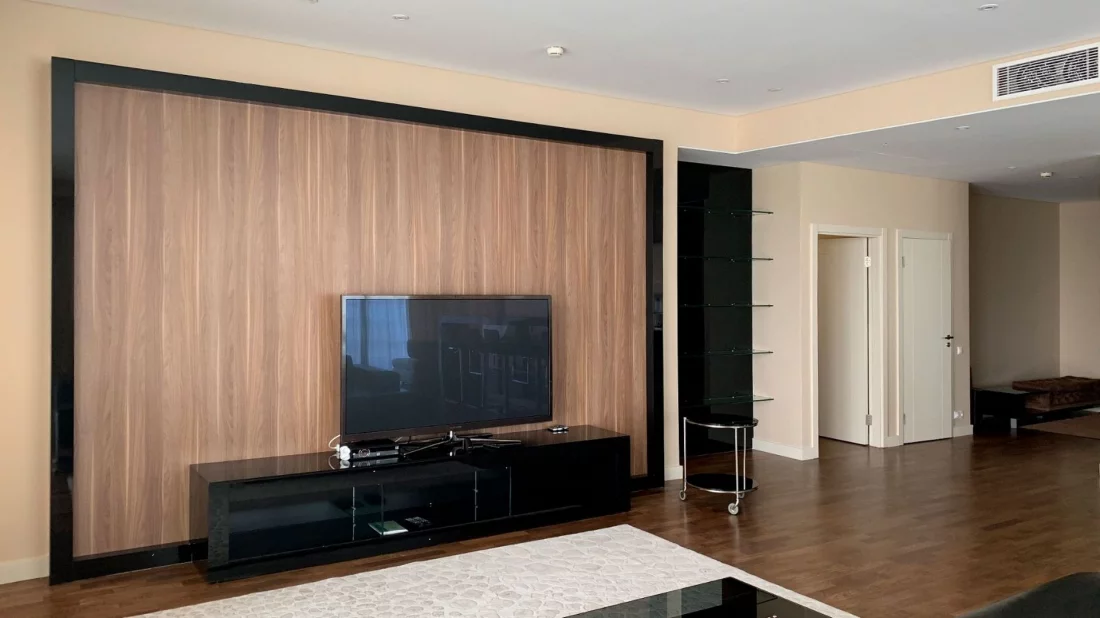
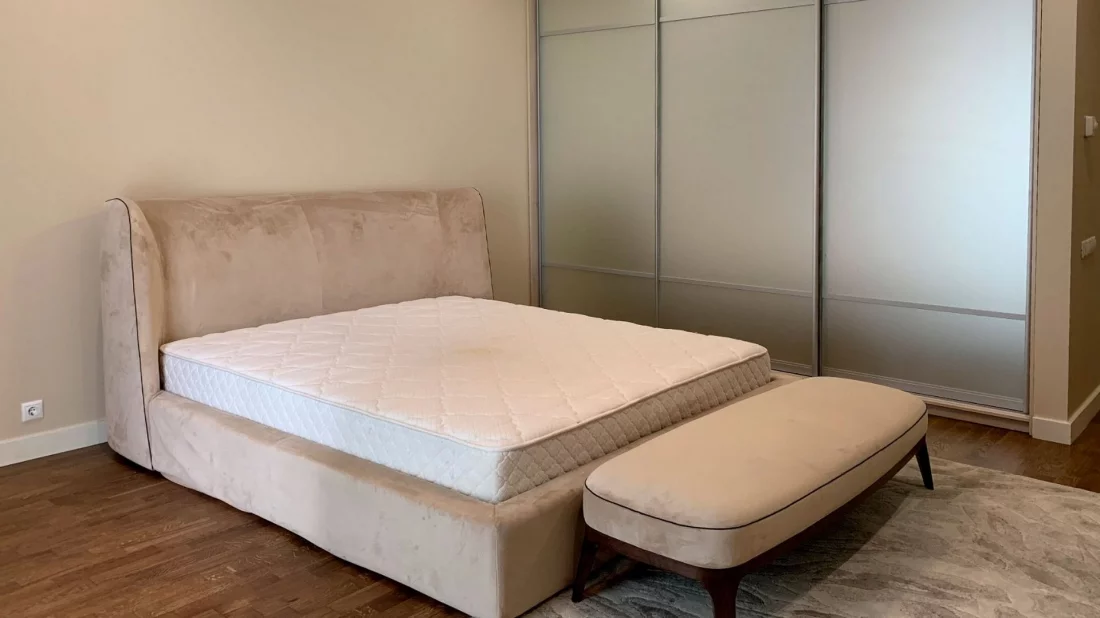
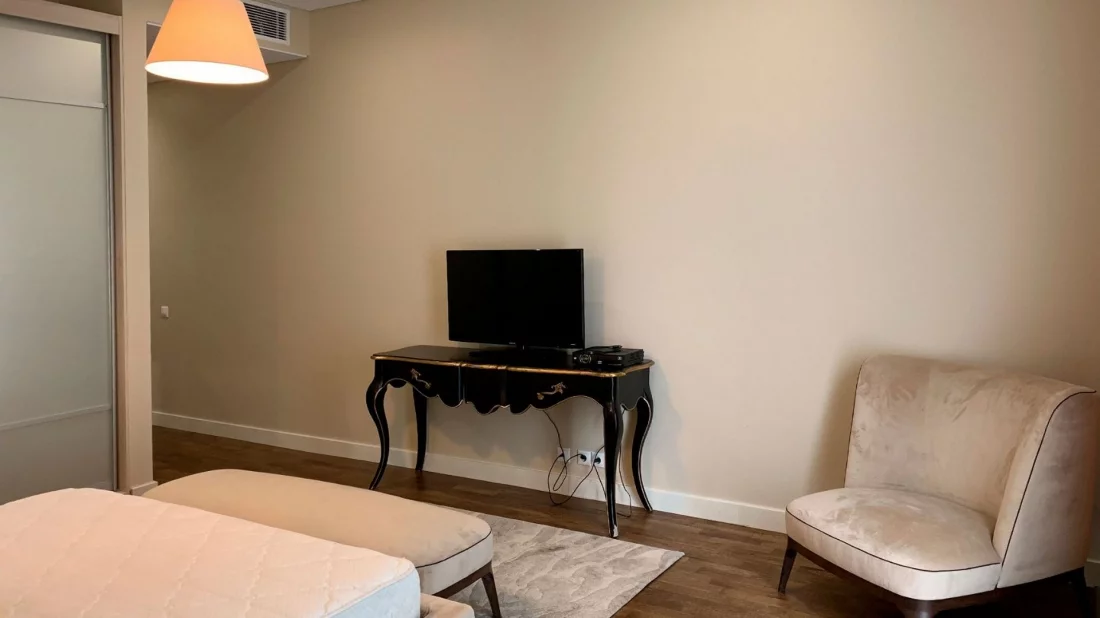
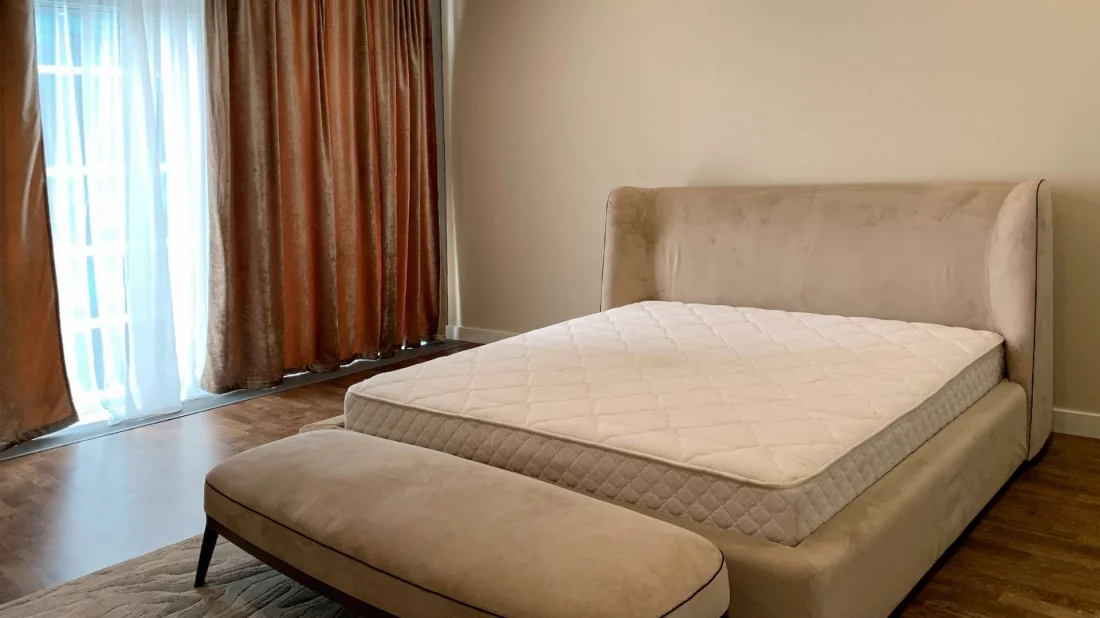
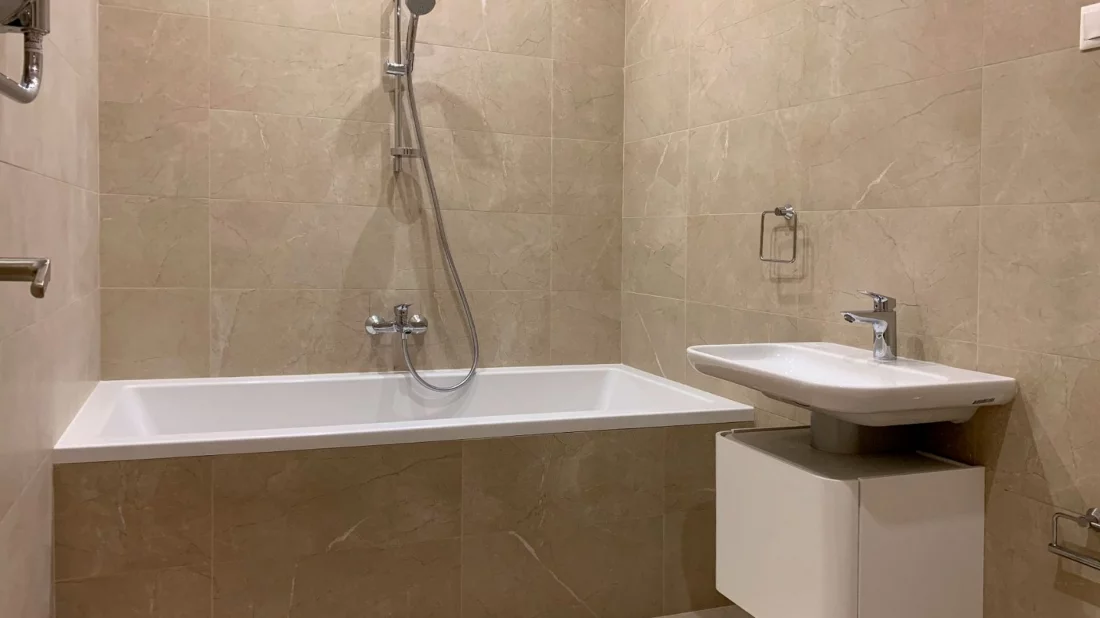
The apartment is handed over via a handover certificate. This document records the condition of the finishes, furniture, appliances, keys, access passes, and meter readings. You should compare offers based on the total monthly expenses, not just the rate listed in the ad.
Frequently Asked Questions About Long-Term Apartment Rentals
Is it cheaper to rent for a long term?
Typically, the monthly rate for a one-year lease is lower than for month-to-month renewals. The final price depends on the building, the condition of the property, the season, and the owner’s willingness to lock in the terms for the entire period. At this stage, you can try to negotiate a discount with the owner.
Can the rent be fixed for the entire term?
Yes, the monthly payment amount can be specified in the lease agreement. If the owner plans to increase the rate, the document must include the terms for rate adjustments and the procedure for notifying the tenant.
Can a legal entity rent the property?
Yes, if the landlord is willing to enter into a contract with the organization and accept non-cash payments. Before finalizing the contract, you must agree on the parties’ account details, the purpose of the payments, and the list of closing documents.
Are pets allowed?
This depends on the owner’s decision and the rules of the specific property. It is best to specify the type of pet, living conditions, and any potential additional security deposit in the lease agreement right away.
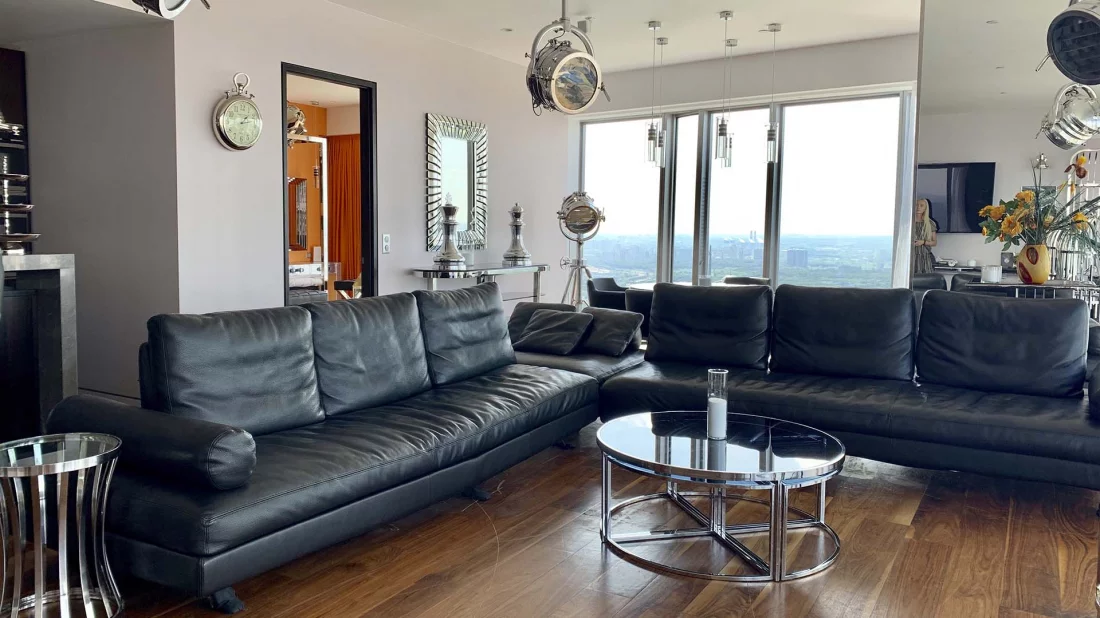
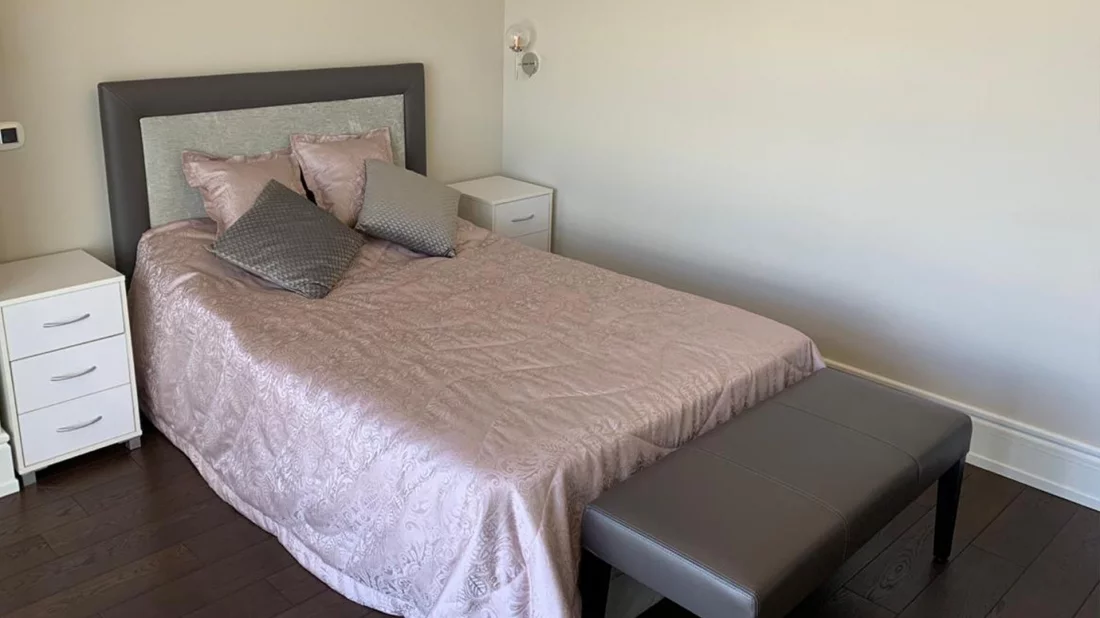
Can I replace or remove the furniture?
Any changes must be agreed upon with the owner in writing. The contract or agreement should specify who is responsible for paying for transportation, where the furniture will be stored, and in what condition it must be returned.