
About Moscow City
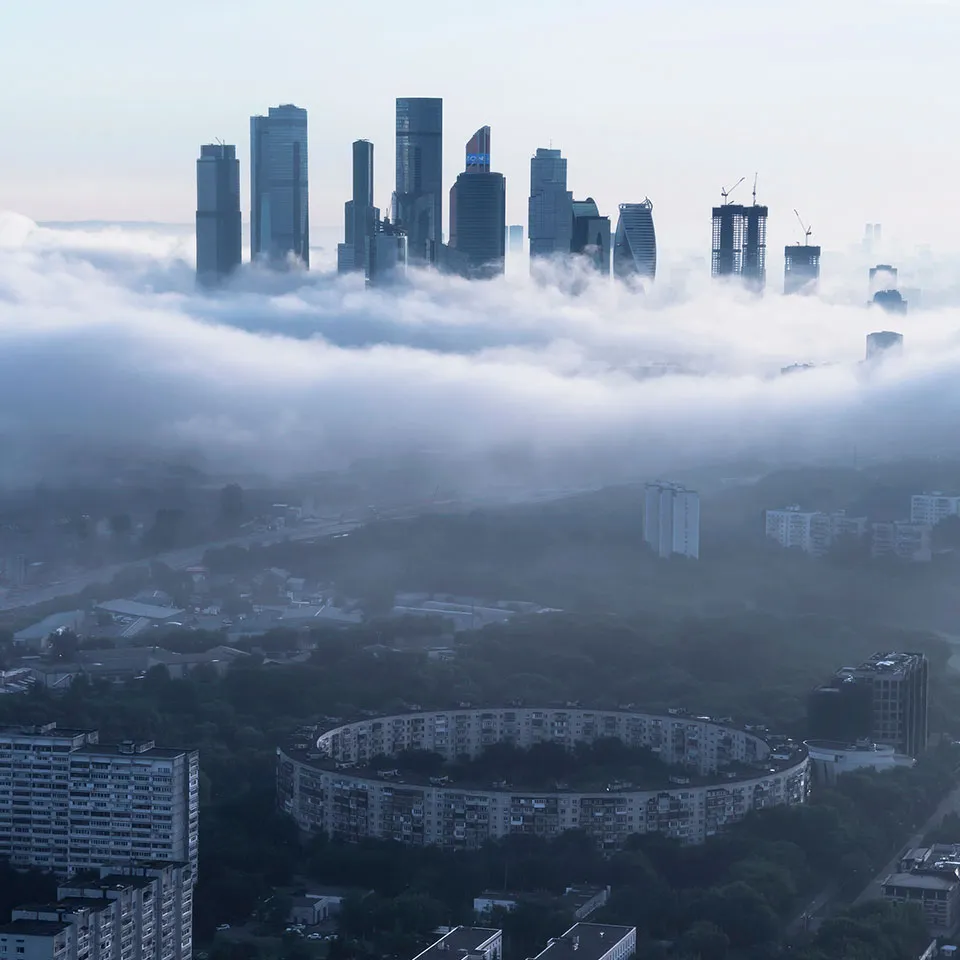
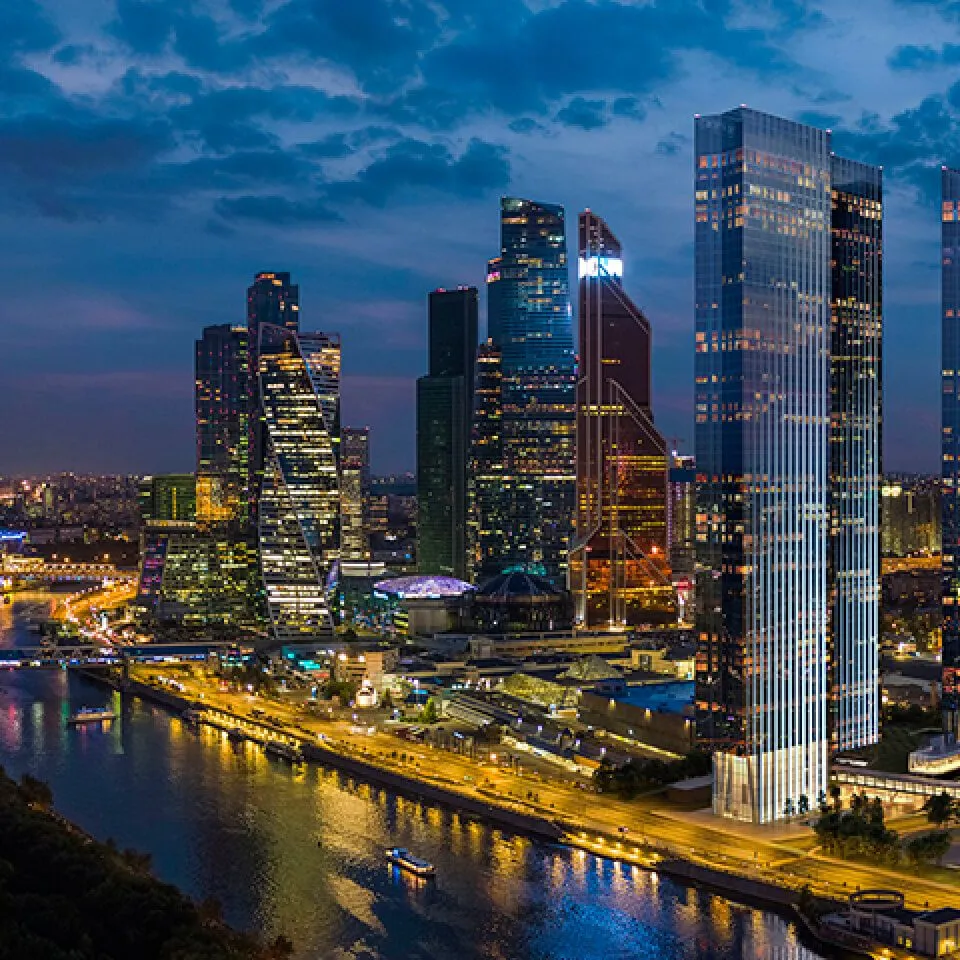
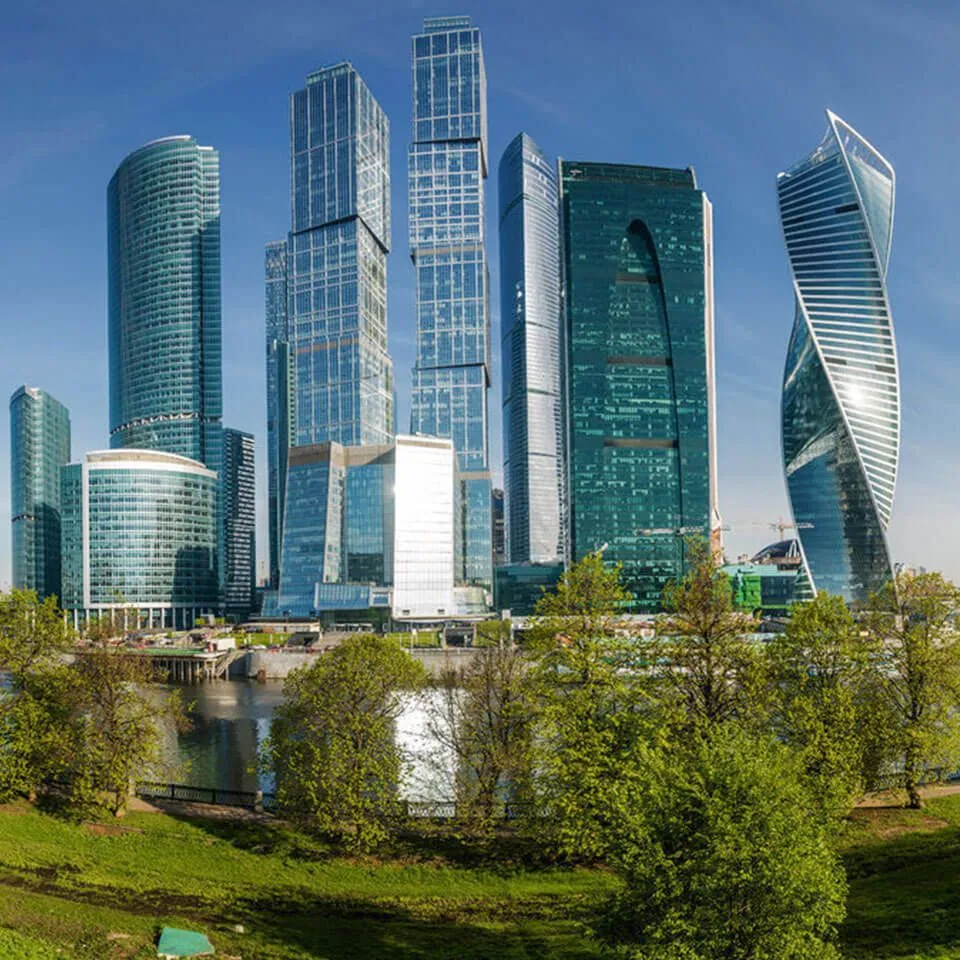
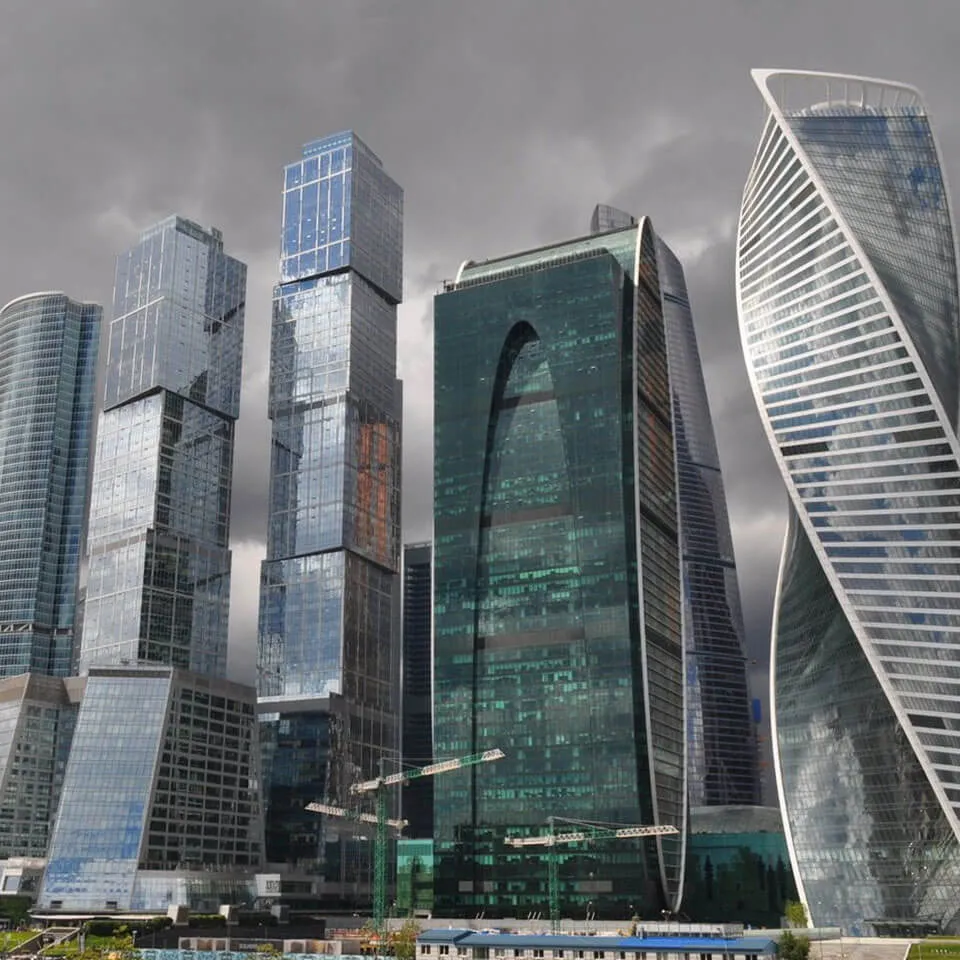
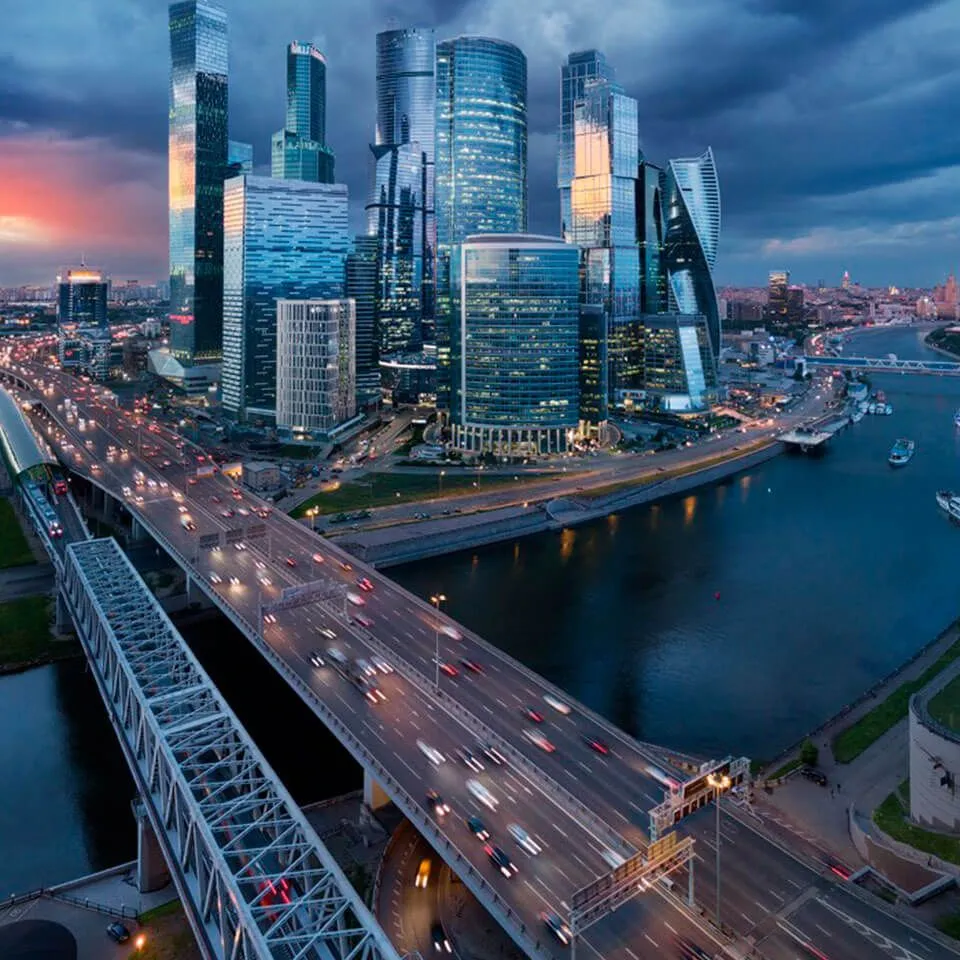
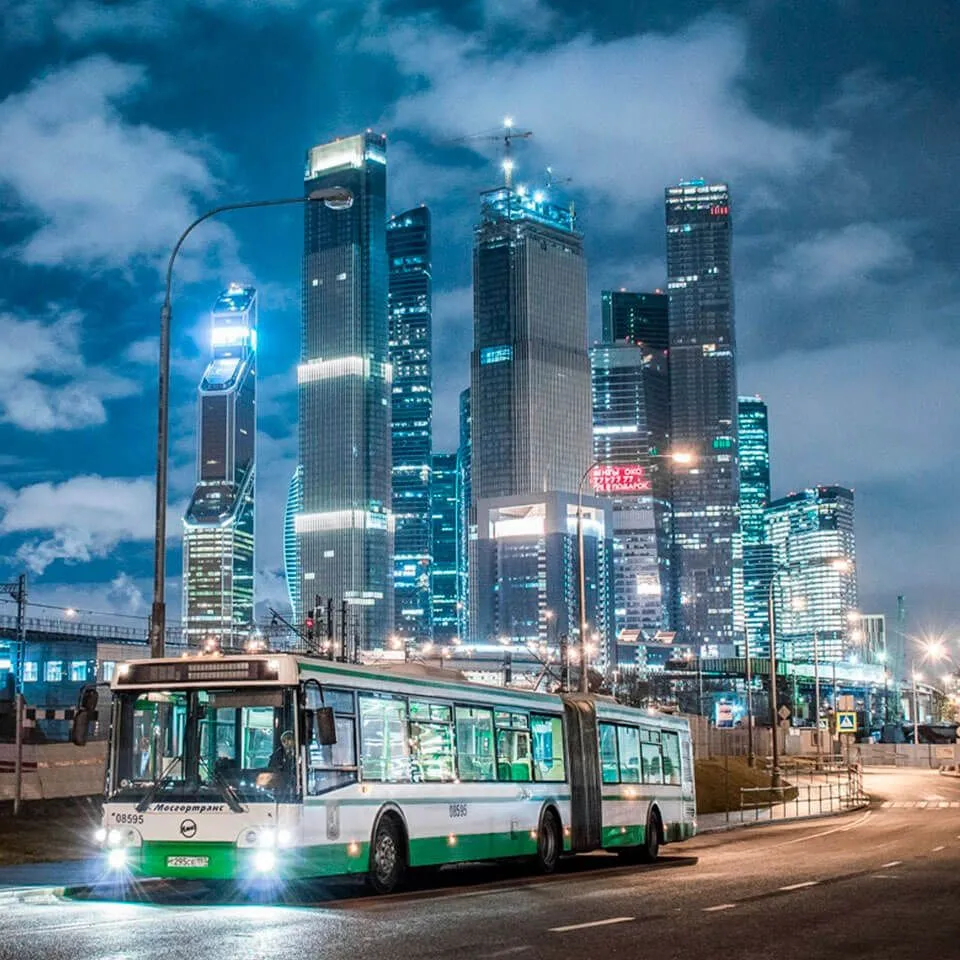
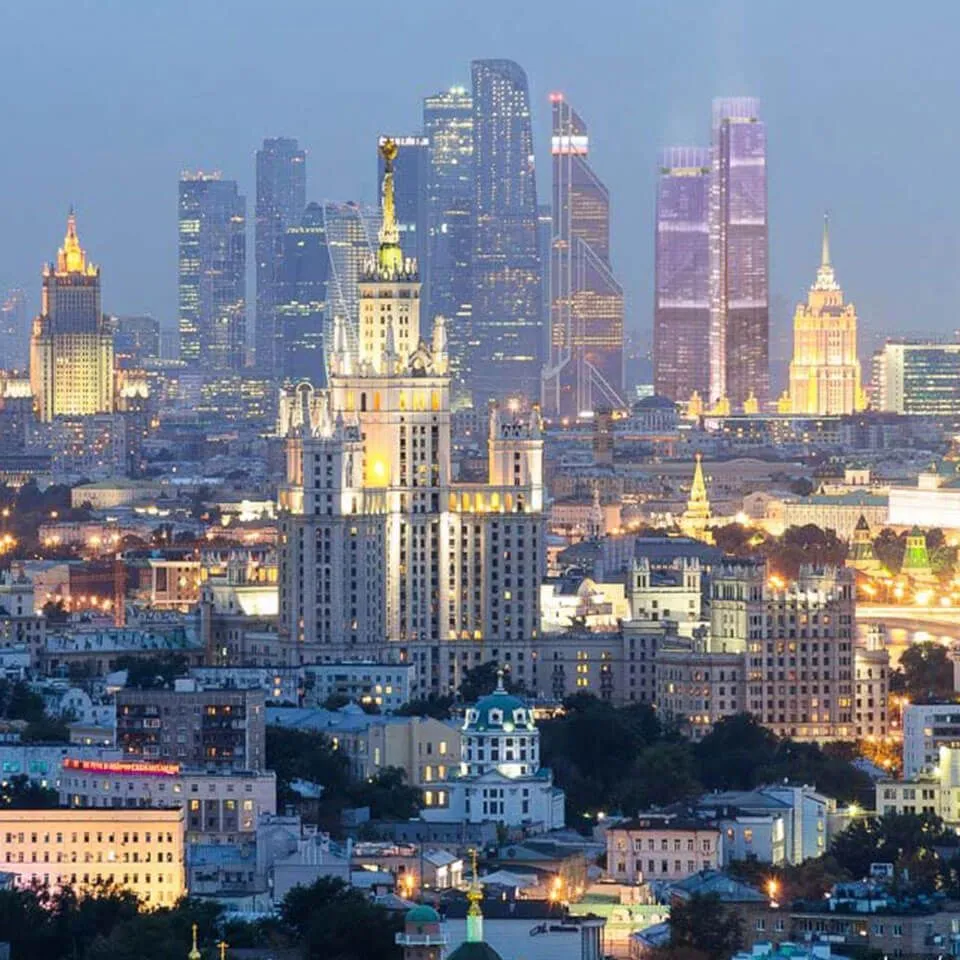
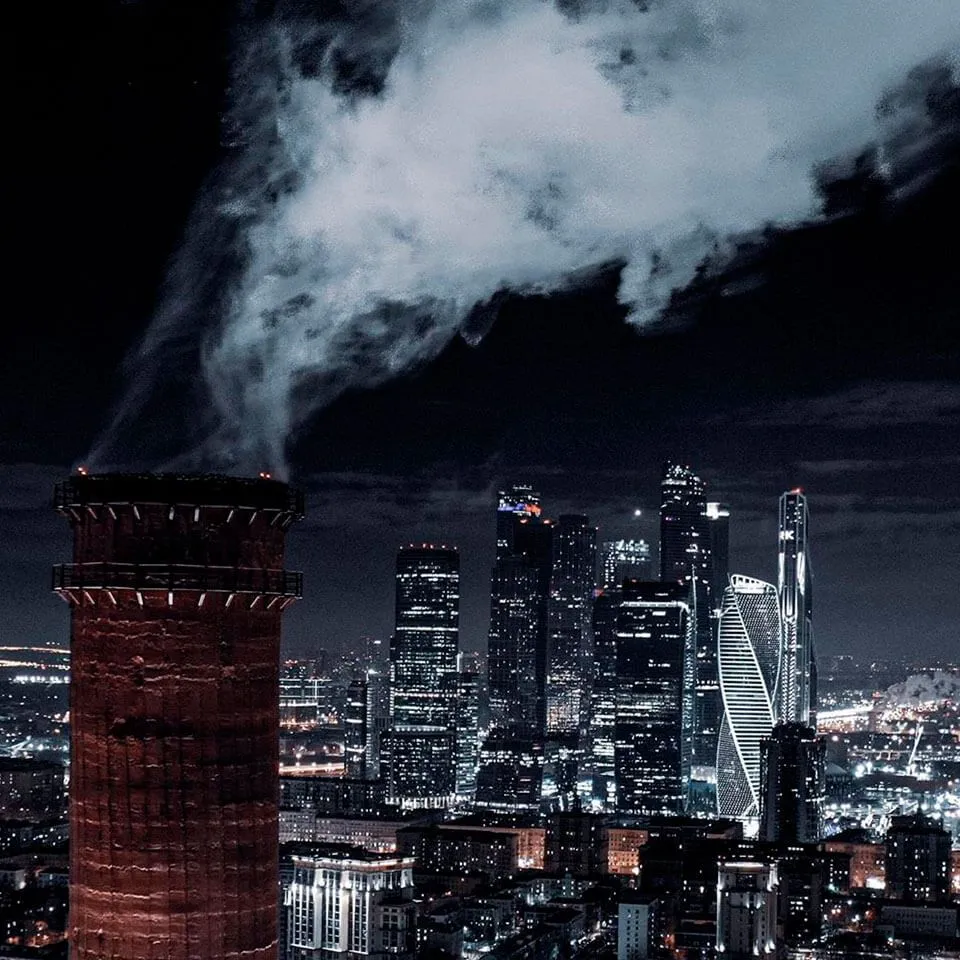
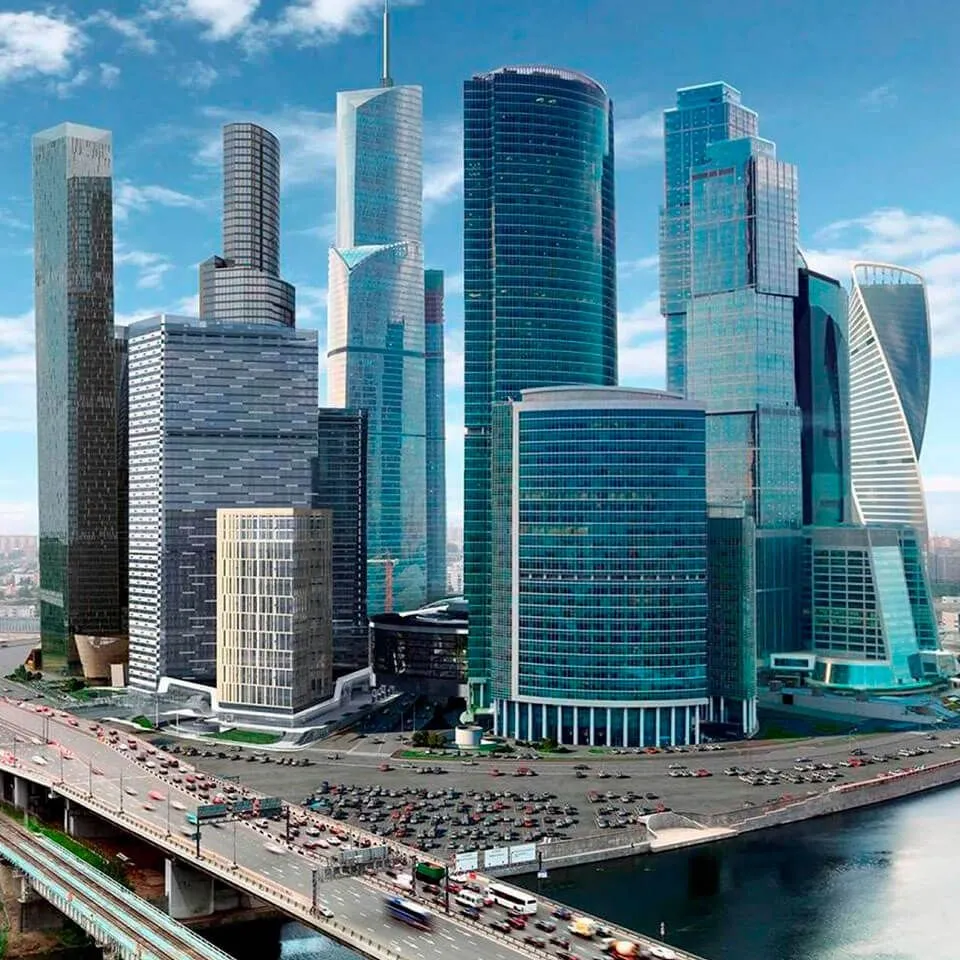
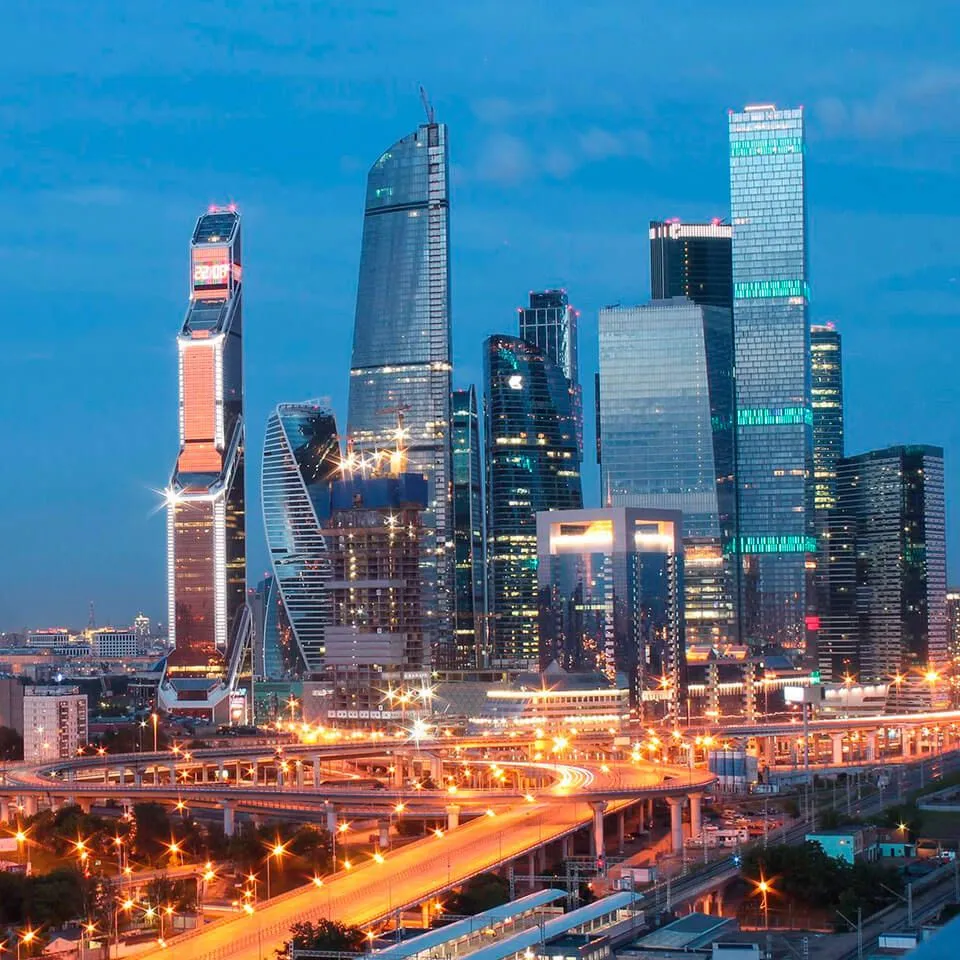
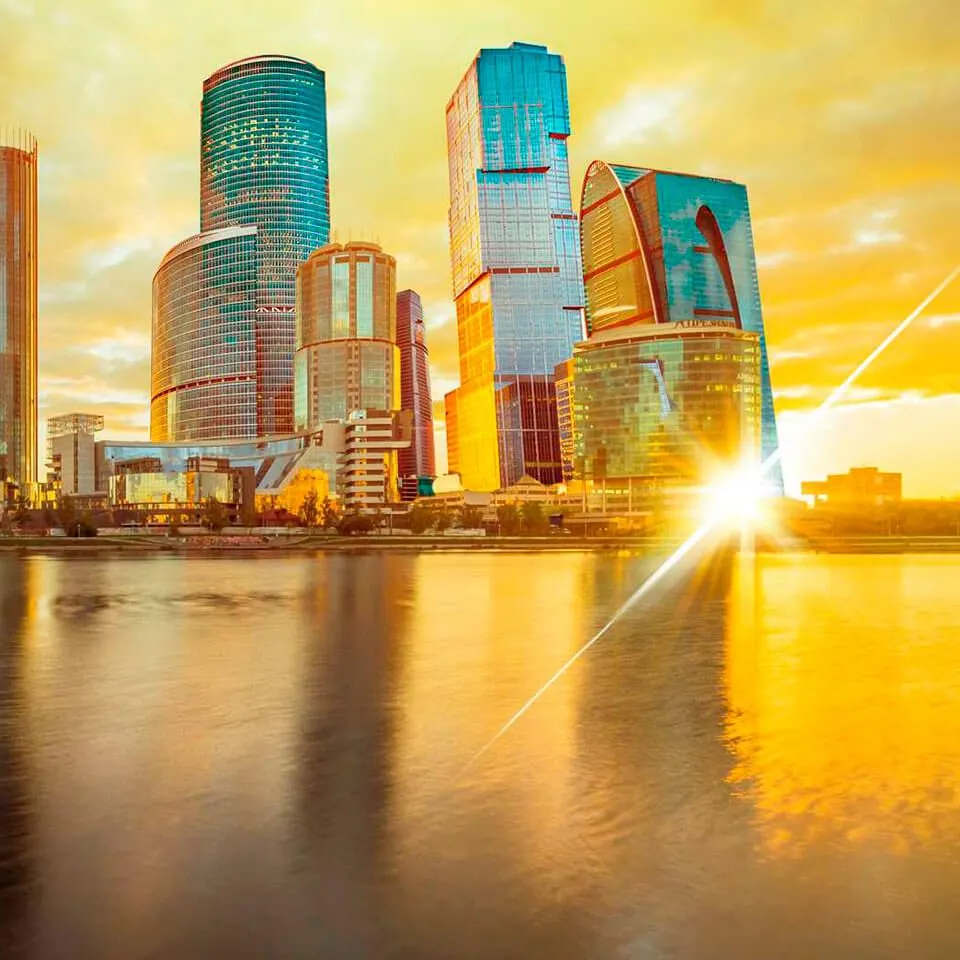
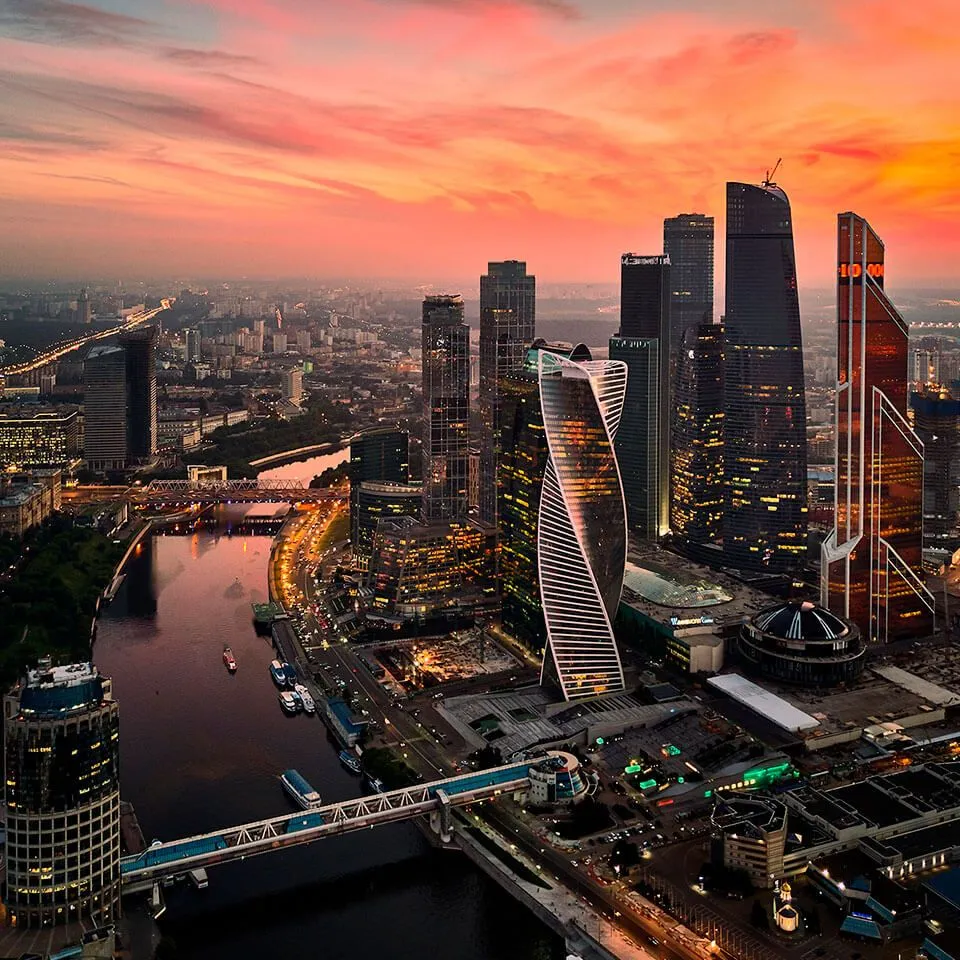
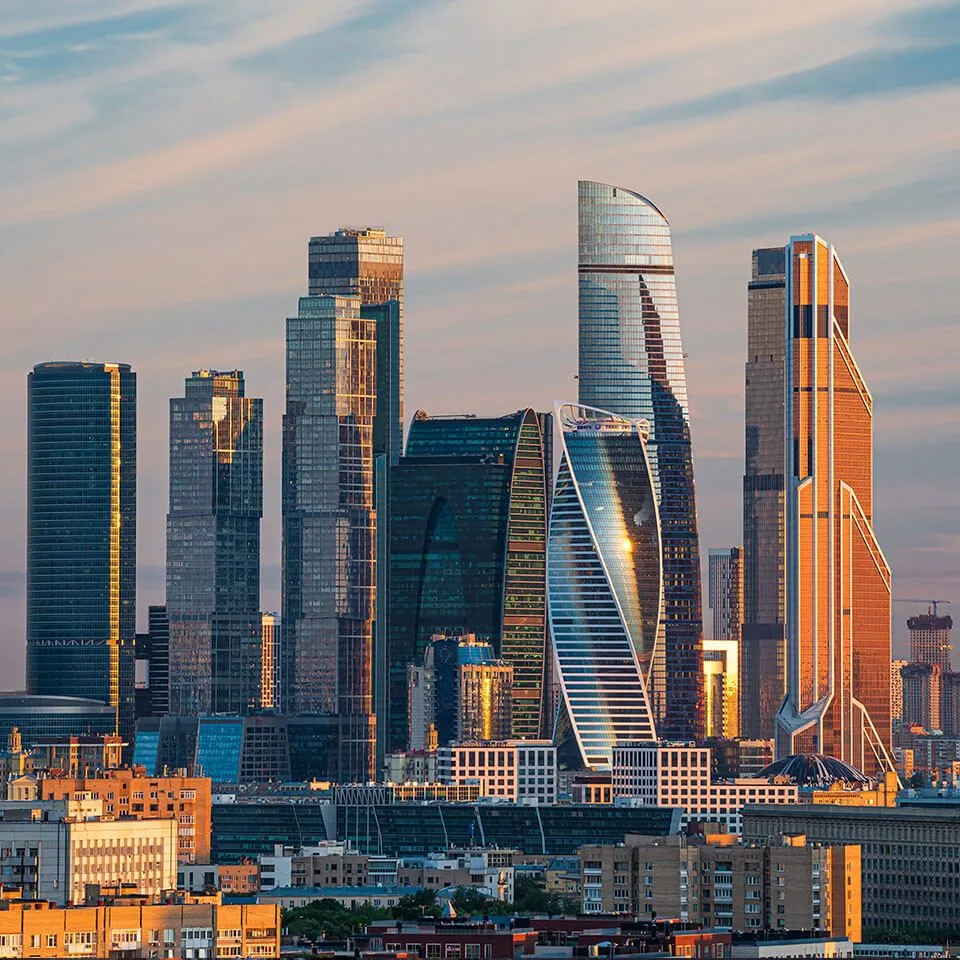
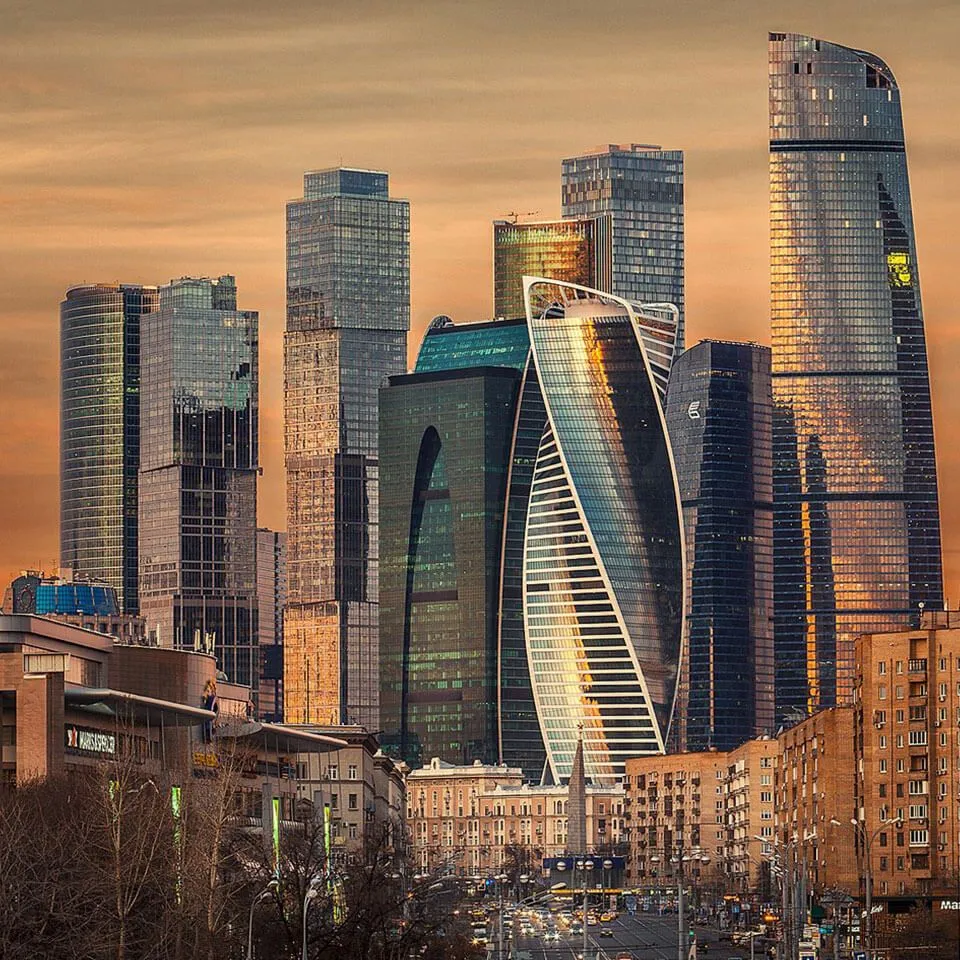
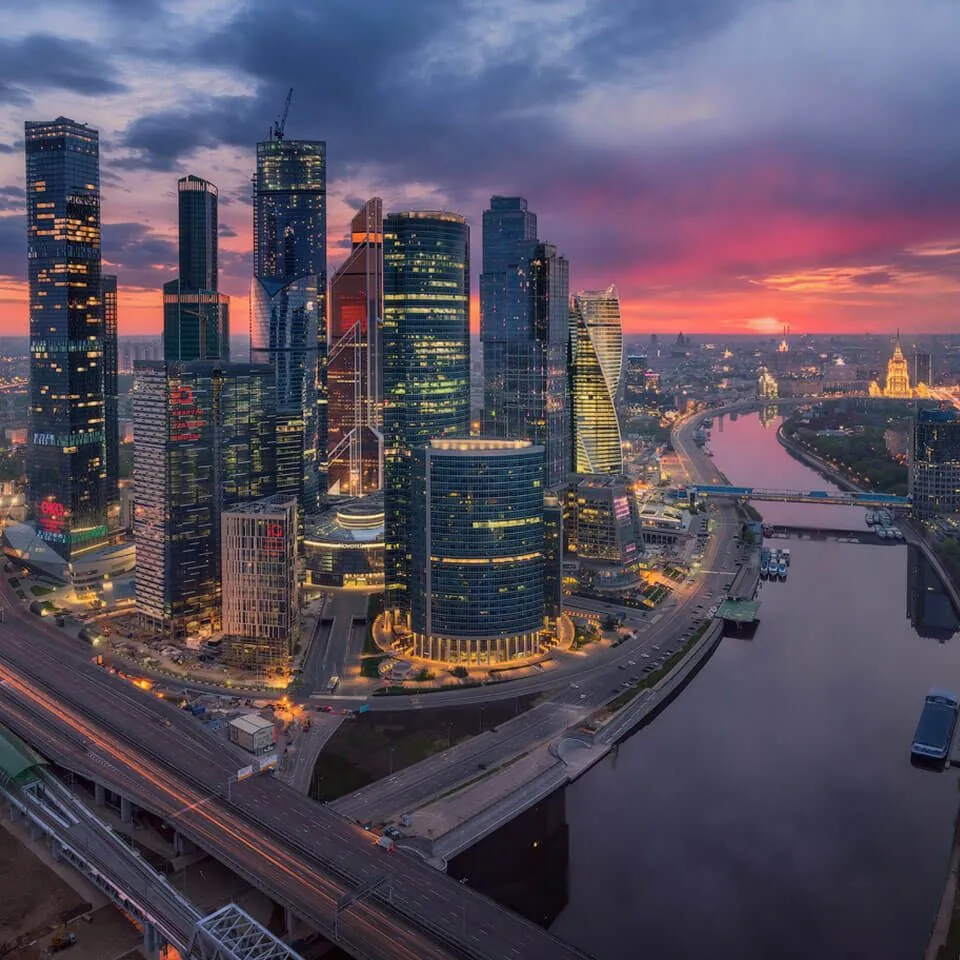
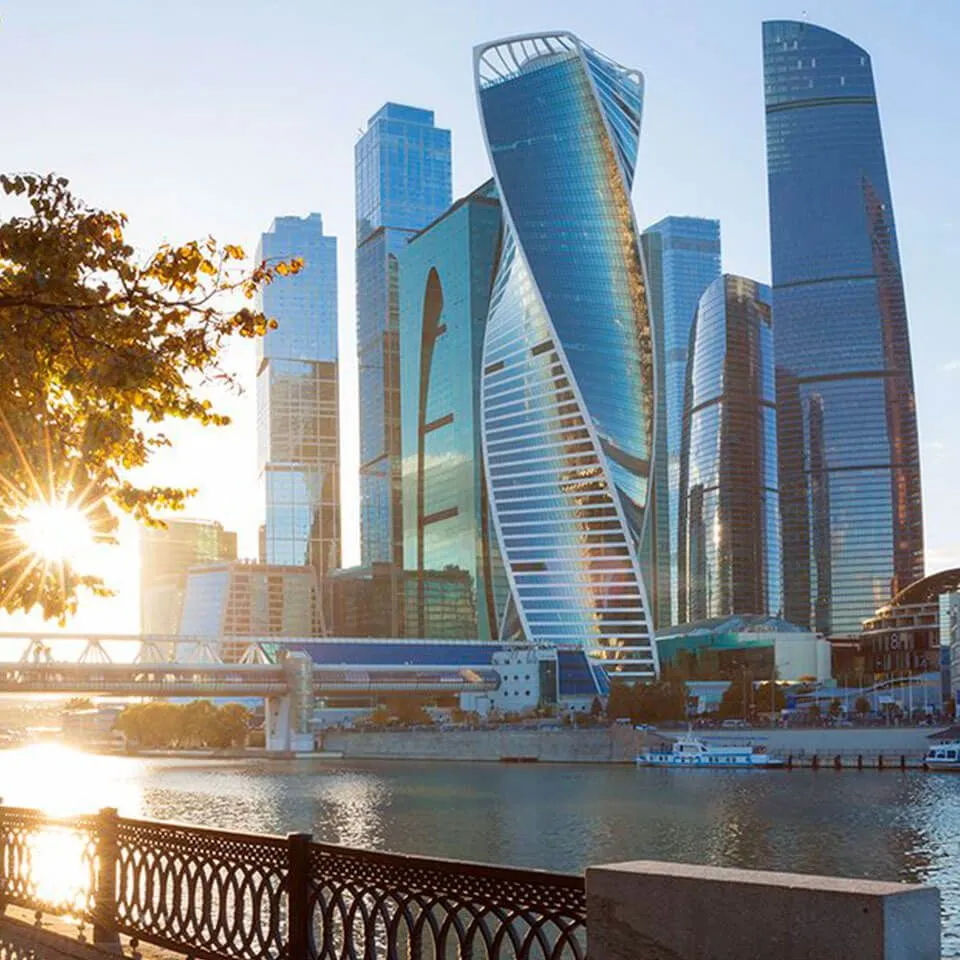
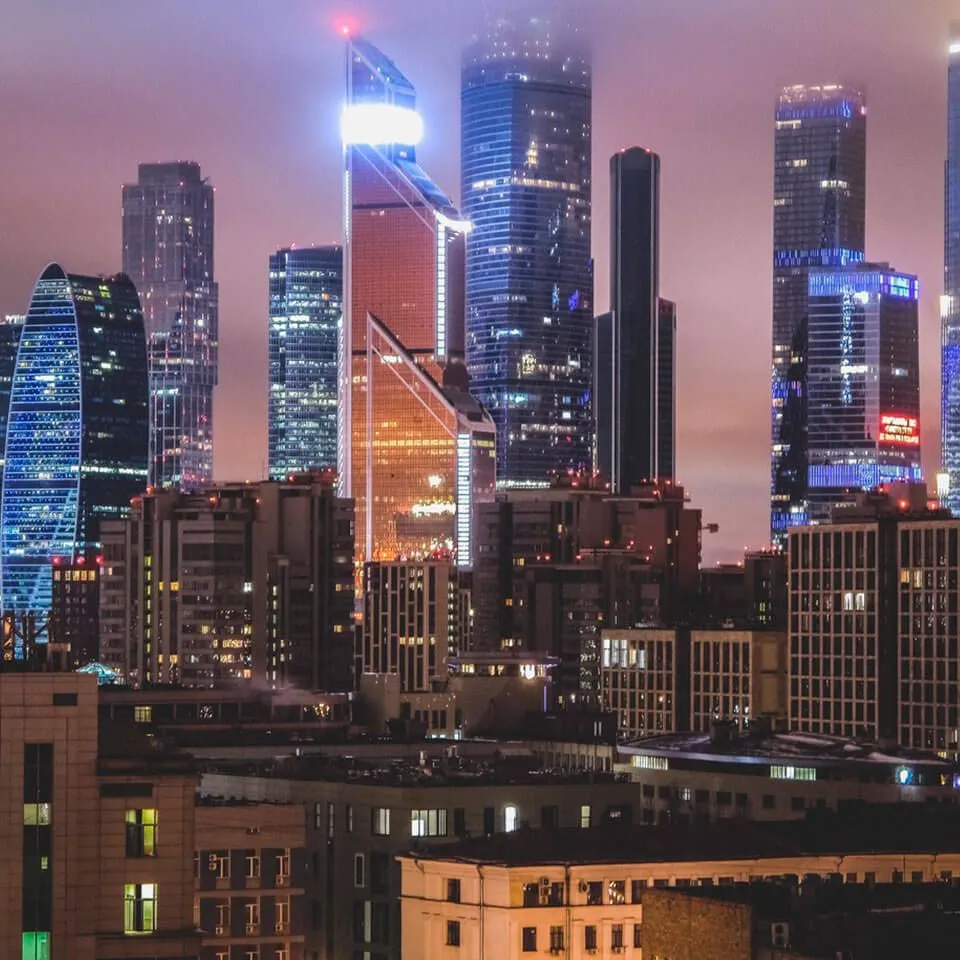
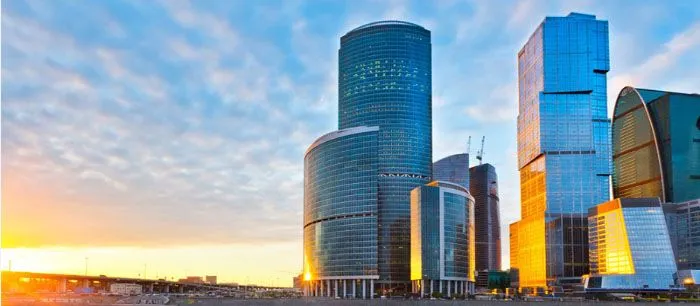
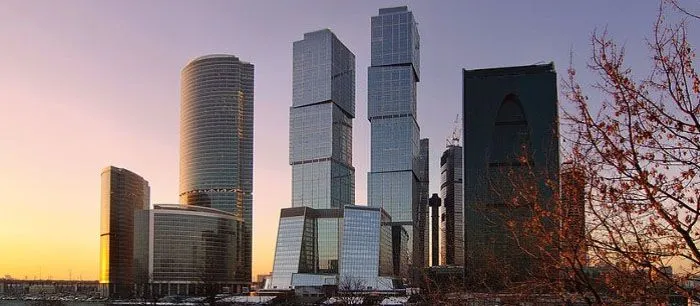
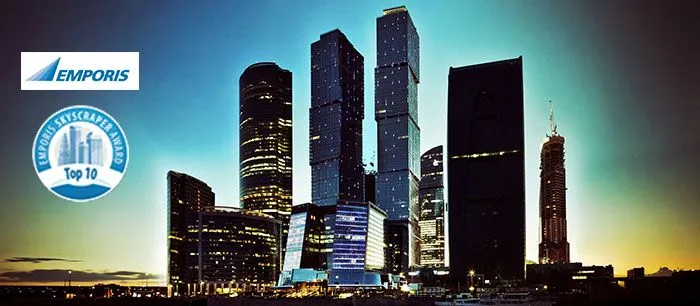
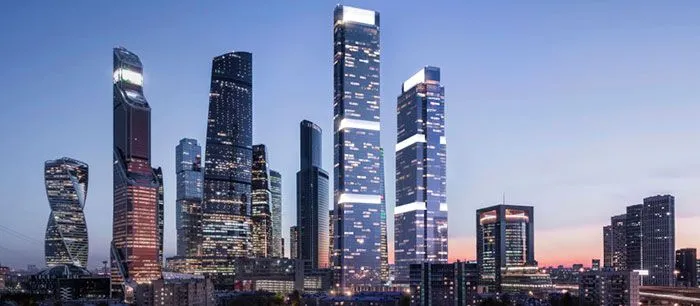
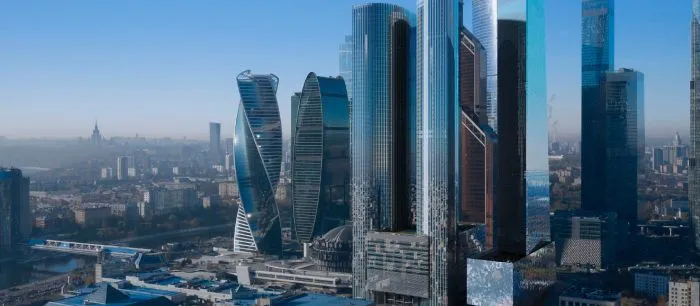
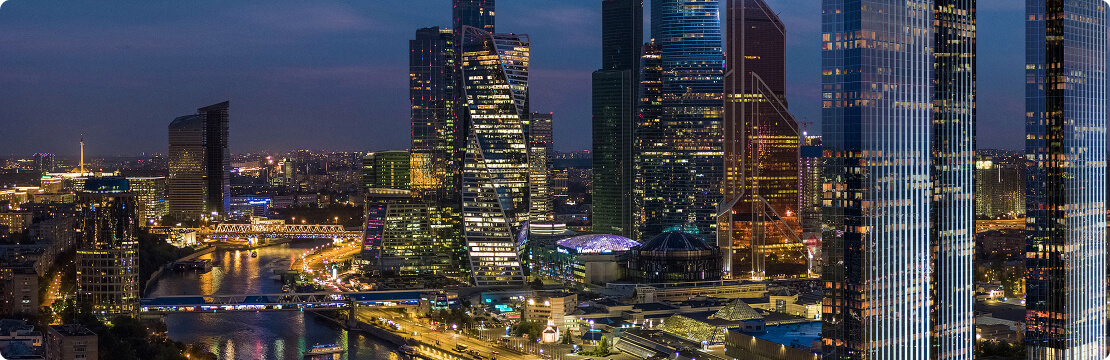
The most controversial, yet undoubtedly the most ambitious architectural project of the Moscow International Business Center, Moscow City, has towered above the left bank of the Moskva River for more than 25 years. Over that time, it has become known as the “Russian Manhattan,” although its story began at the dawn of capitalism in modern Russia...
History of Moscow City
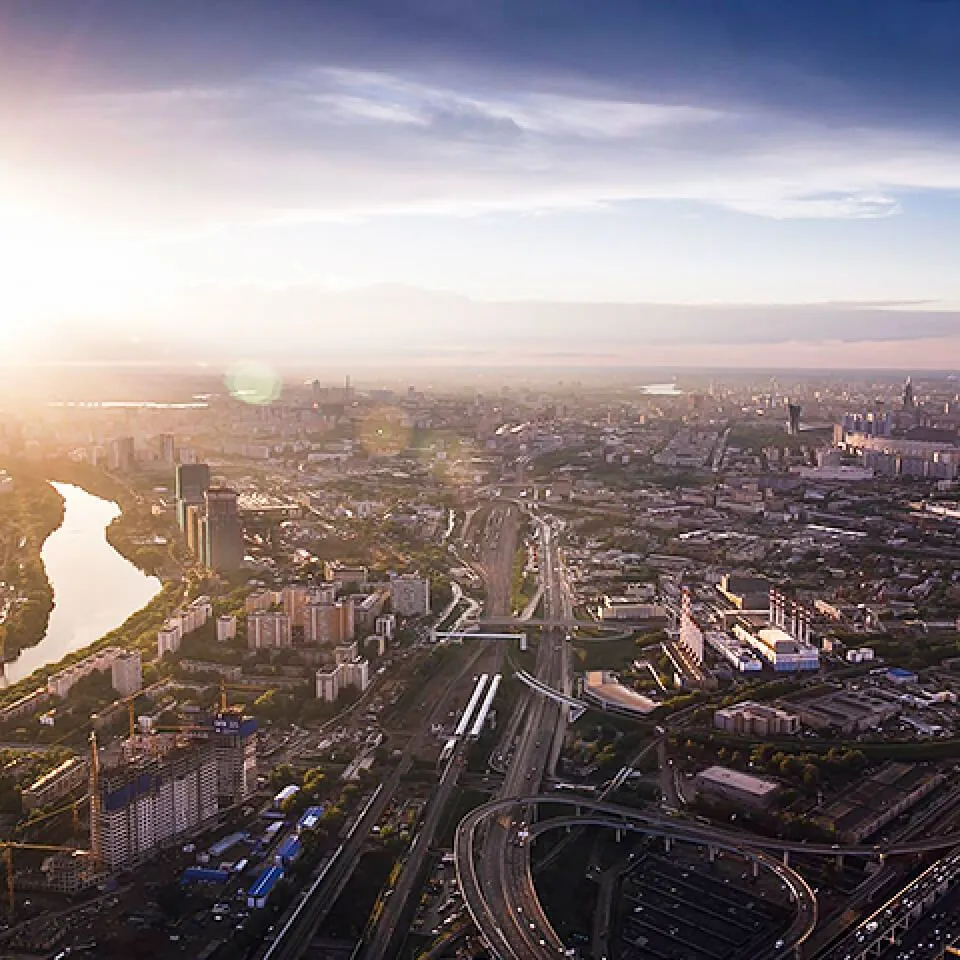
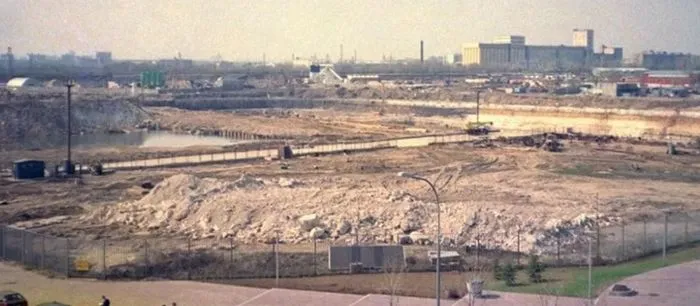
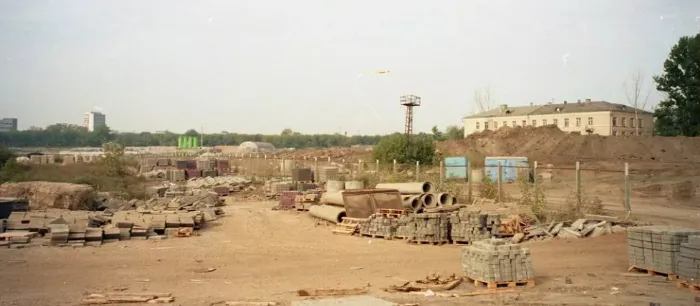
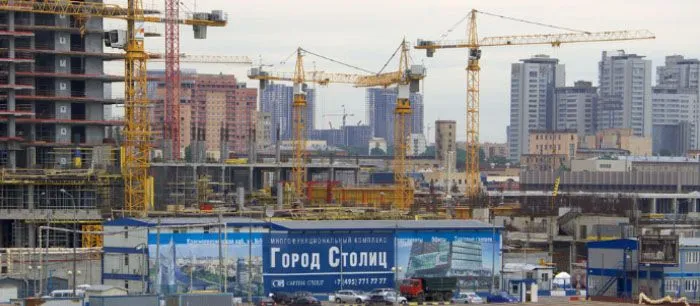
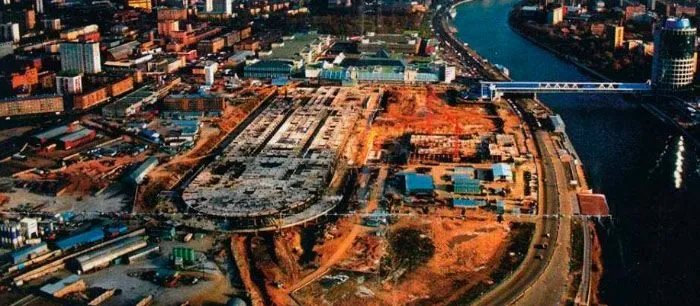
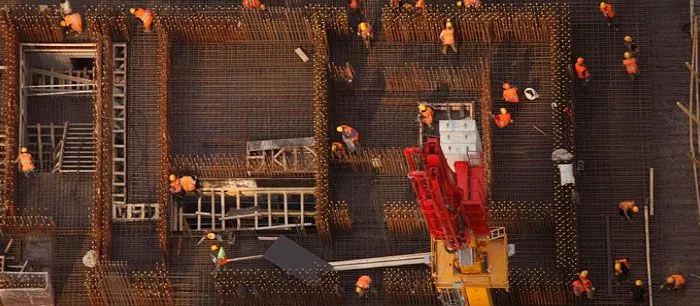
The construction project of the century began in the mid-1990s on the site of a former stone quarry and excavation pits near Presnenskaya Embankment. It became the first stage of the large-scale Big City development programme, which was originally scheduled for completion in 2020 but has continued beyond that date.
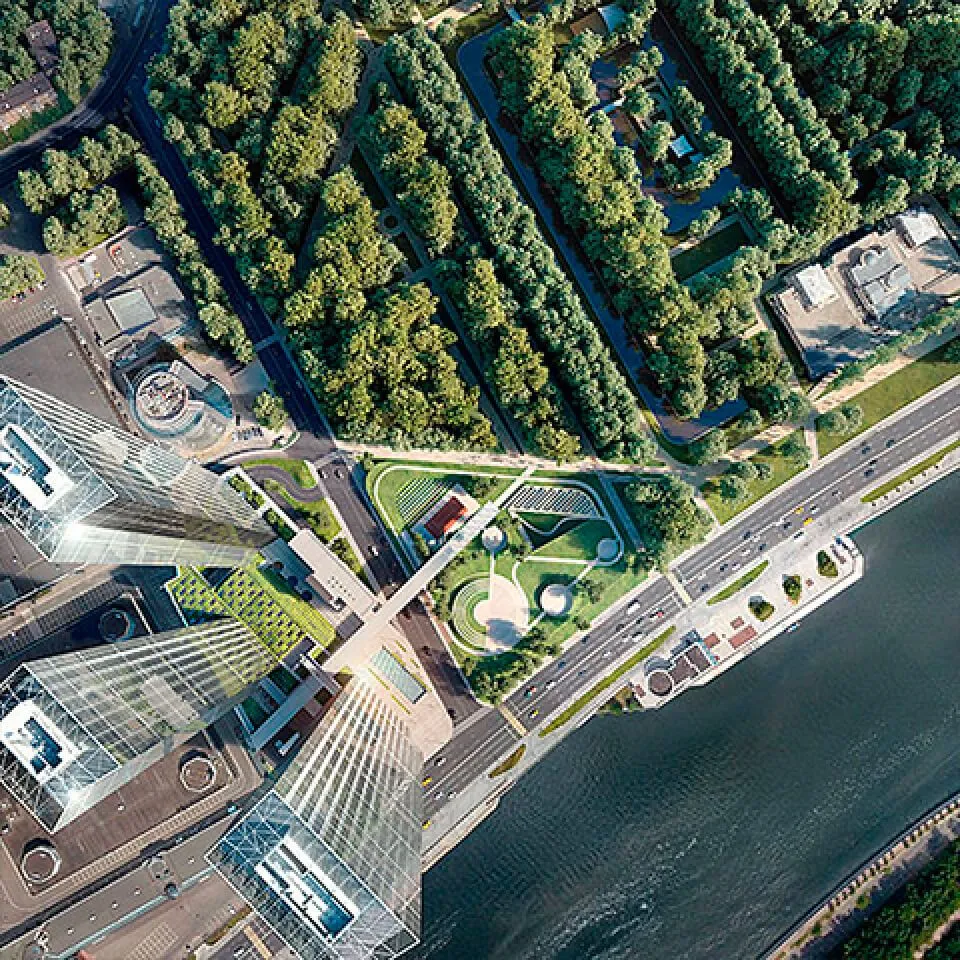
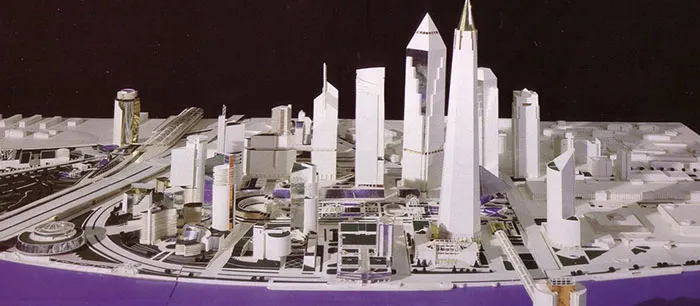
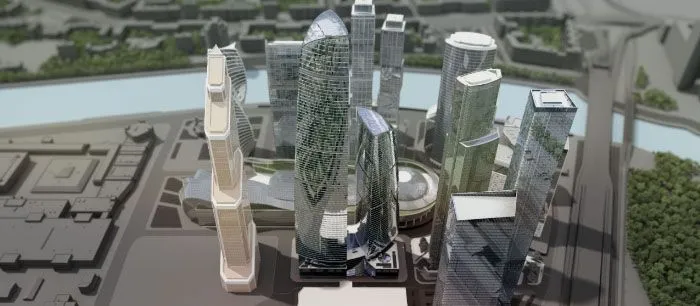
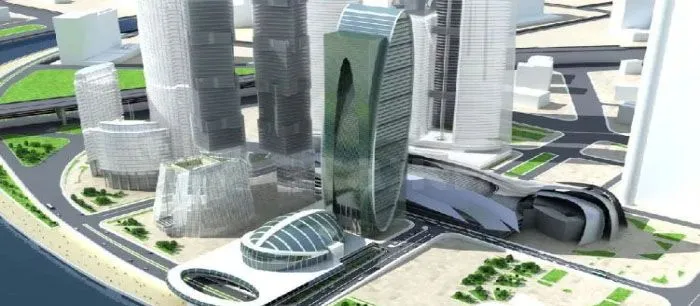
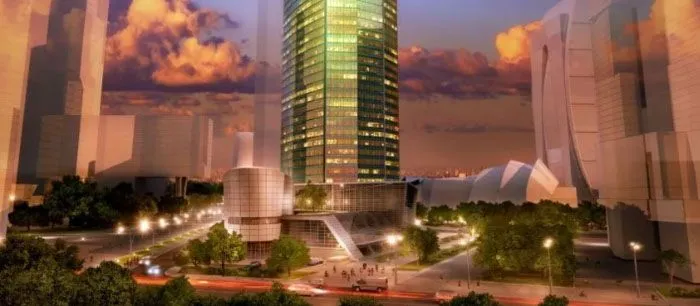
The entire development area was divided into 20 plots. The original plan called for a green zone in the centre, with an underground car park and transport interchange beneath it. The buildings were to be arranged around the park in a horseshoe shape, with their heights increasing in a spiral.
In practice, the project developed differently. Afimall shopping centre was built on the planned park site, while several other facilities were abandoned.
Developers’ interest in Moscow City continued to grow. This increasingly encouraged architects to focus less on their own ideas about modern real estate and more on future investment. As a result, the planned floor area of the buildings almost doubled, while the utilities installed at the outset proved unable to meet the needs of the emerging city within a city.
In 1995, insufficient funding caused the project to be suspended for just over ten years. In 2003, however, investors renewed their interest in the site, providing the main impetus for the further development of the MIBC, whose momentum continues to this day.
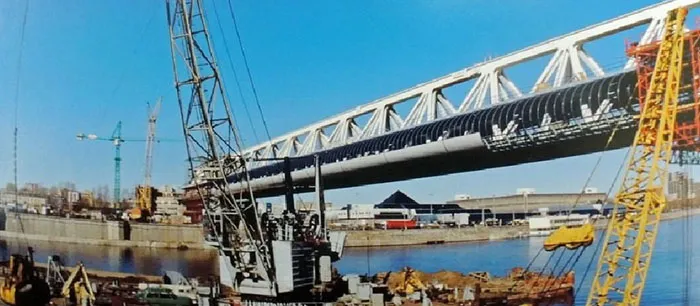
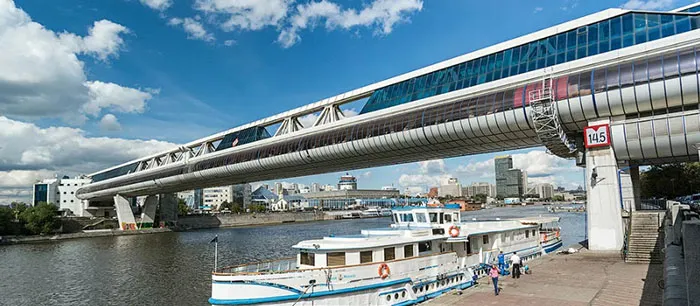
The first completed Moscow City facility was not a skyscraper but Bagration Bridge. It connected the two banks of the Moskva River, and its opening formed part of the celebrations marking the 850th anniversary of the Russian capital.
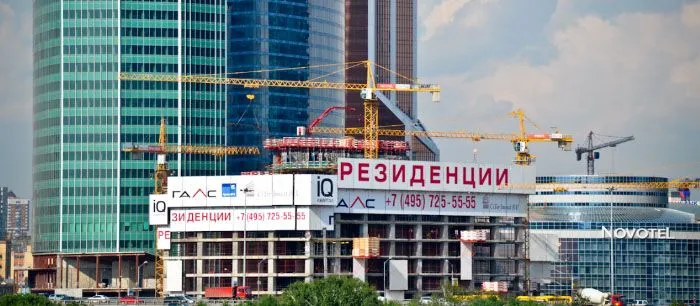
The first building in the Moscow City complex was Tower 2000, completed in 2001 and connected to the lobby of Bagration Bridge. It is the only building in the complex located on the right bank of the Moskva River and does not qualify as a skyscraper. Other towers were gradually completed after it, including Naberezhnaya Tower A, B and C, Eurasia, Evolution, Imperia, IQ-quarter and others.
Tower 2000 is the only high-rise building constructed precisely in accordance with the original design.
New records were set throughout the construction period, some of which received worldwide recognition and were entered in the Guinness World Records. Each skyscraper took approximately four to five years to build. High-strength, fire-resistant materials were and continue to be used in their construction.
Total investment in Moscow City exceeded USD 12 billion. Today, the nearly completed skyscraper complex is either admired or criticised, but it leaves few people indifferent. It has a distinctive atmosphere of wealth and success, created by breathtaking panoramic views and the thousands of people with above-average incomes who work and live here.
Construction and Management of the Complex
The principal visionary behind the Moscow City MIBC was architect Boris Tkhor. Together with five specialists, he developed the concept for the future business district in 1991 and proposed that the Moscow authorities transform the industrial area near Expocentre into a modern business centre. Some of the world’s best-known architects and leading architectural practices later contributed to the development:
- NBBJ;
- Enka;
- Mikhail Posokhin;
- Speech;
- Gennady Sirota;
- Peter Schweger;
- Frank Williams;
- Sergei Tchoban;
- Skidmore, Owings and Merrill;
- Tony Kettle and others.
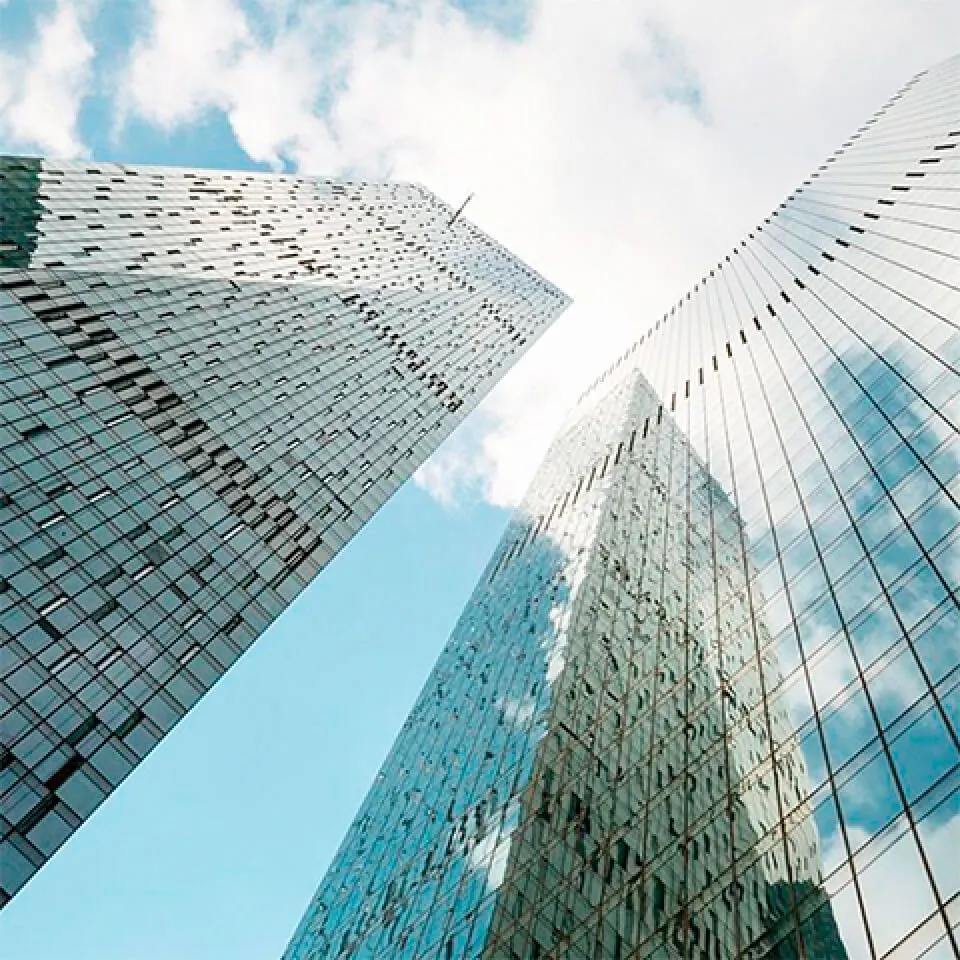
As a result, the futuristic complex has no single architectural style. Its buildings display elements of neo-constructivism, high-tech architecture and several other styles.
The state unitary enterprise Centre-City was appointed as the technical client and the public authority’s representative responsible for state property management. It oversees the effective management, maintenance, servicing and operation of the Central Core of the complex.
Companies involved in the construction of the MIBC included:
- Capital Group;
- Tekhinvest CJSC;
- AFI Development;
- Ant Yapı Sanayi ve Ticaret Anonim Şirketi;
- Strabag.
In 1992, the management company City OJSC was established, later changing its legal form to City PJSC. It continues to manage and develop the MIBC and leases the land beneath the complex. The company is owned by Solvers Group.
City Property Management was established to manage office premises commercially in the Imperia, City of Capitals and Federation towers. Its portfolio includes more than 10,000 square metres of office space. Federation Group Management Company LLC and Capex are also involved in management and operations.
Composition of Moscow City
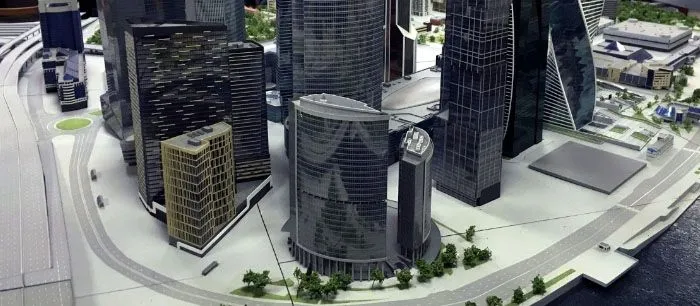
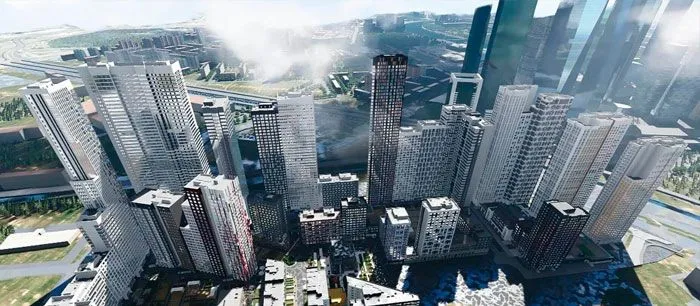
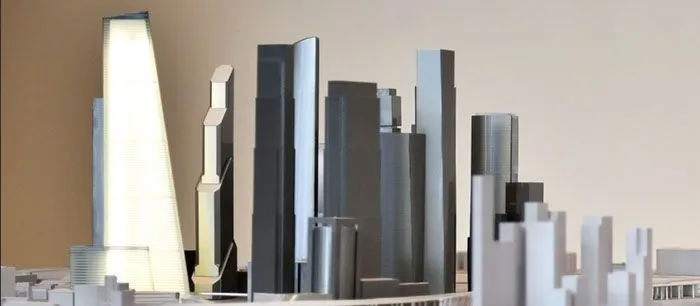
The Moscow City MIBC covers more than 100 hectares and includes not only skyscrapers but also landscaped areas, car parks, road interchanges, metro stations and helicopter landing pads. Today, it comprises more than 23 major facilities with a combined area exceeding 60 hectares. The following facilities have been completed and commissioned.
Bagration Bridge
The pedestrian bridge was completed in 1997. It is 214 metres long, 16 metres wide and 14 metres high, with a total area of 13,655 square metres. The bridge has two levels connected by numerous staircases and escalators. Its glazed lower level contains one of the city’s largest shopping galleries, covering 2,572 square metres. The upper level features an observation deck offering impressive views of the entire business district, Hotel Ukraina and the river. The bridge is also used for various exhibitions. In terms of functionality, Bagration Bridge has no equivalent in Moscow or elsewhere in Russia.
Tower 2000
This business centre was completed in 2001. It is 130 metres high and has 34 floors, all of which are used as offices.
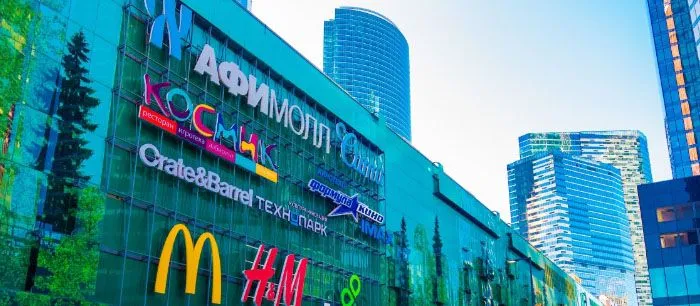
Afimall City
The shopping and entertainment centre opened in 2011. Today, it contains around 500 shops, restaurants, cafés and entertainment venues. It also includes exhibition areas, a park, an ice rink and other facilities. The complex is divided into four zones representing the distinctive features of each season.
- height: 53 m;
- floors: 6;
- total area: 316,832 sq m;
- developer and contractor: AFI Development;
- architect: Mosproekt-2, a state unitary enterprise of the City of Moscow;
- cost: USD 300 million.
Federation Towers: West and East
Federation Tower has held the title of Europe’s tallest skyscraper. It was designed by Sergei Tchoban and Peter Schweger of the SPEECH architectural practice. The complex consists of two skyscrapers, West and East, with the latter completed in 2016.
- height: 374 m (East) and 242 m (West);
- floors: 95 and 63;
- total area: 443,000 sq m;
- developer: AEON Development;
- contractor: Federation Tower CJSC;
- cost: USD 1.2 billion.
The complex includes offices, commercial premises, apartments and entertainment venues. The East Tower is home to one of Europe’s highest observation decks. The building also has its own car park with 74 spaces.
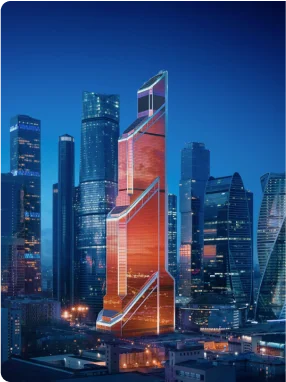
Mercury City
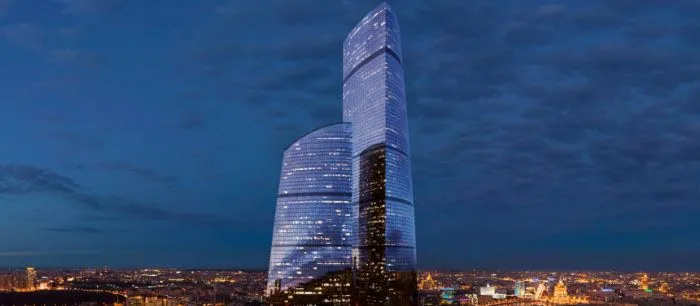
Completed in 2013, this multifunctional supertall skyscraper combines commercial, cultural, office and residential space. Its three underground levels contain a 437-space car park, retail premises and technical facilities. The building was designed by a team that included Mikhail Posokhin, Frank Williams and Gennady Sirota.
- height: 338.8 m;
- floors: 75;
- total area: 173,960 sq m;
- developer: Mercury Development;
- cost: USD 650 million–1 billion.
OKO
OKO, a multifunctional complex with one of Europe’s largest underground car parks, providing 3,400 spaces, was designed by Skidmore, Owings & Merrill LLP and commissioned in 2016. It occupies two plots. One contains an office and administrative building together with a residential tower, while the other contains a public 16-level car park.
- height: 352 m (South Tower) and 245 m (North Tower);
- floors: 85;
- total area: 249,610 sq m;
- developer: Capital Group;
- contractor: Ant Yapı Sanayi ve Ticaret Anonim Şirketi.
Eurasia
The Eurasia office and leisure complex, combining offices, restaurants, gyms, shops, a hotel, parking facilities and luxury apartments, was completed in 2014.
- height: 308.9 m;
- floors: 72 plus 5 underground levels;
- total area: 207,542 sq m;
- developer: MosCityGroup;
- architect: Swanke Hayden Connell Architects;
- contractor: Tekhinvest CJSC;
- cost: USD 250 million.
Naberezhnaya Tower
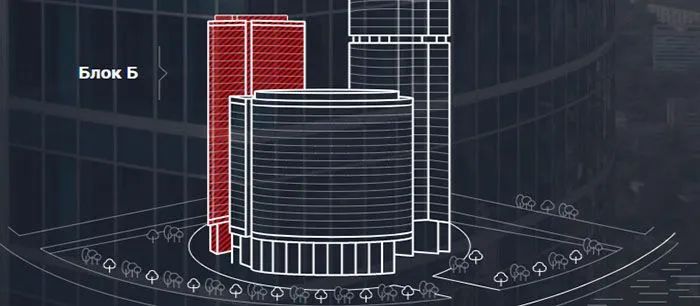
Completed in 2007, the complex is a prestigious international-class office development. It consists of three buildings of different heights with underground levels, connected by a shared retail atrium.
- height: 268 m;
- floors: 17, 27 and 59;
- total area: 265,602 sq m;
- developer and architect: Enka;
- contractor: City Center Investment B.V.;
- cost: USD 200 million.
City of Capitals
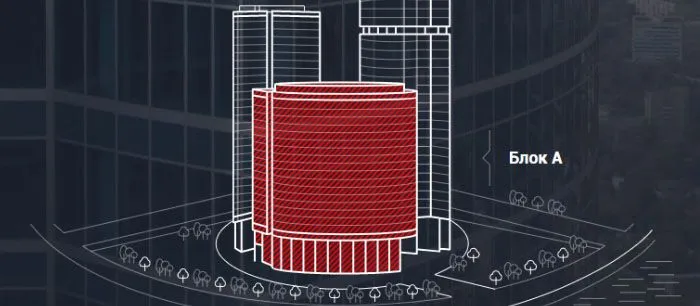
This imposing complex consists of two skyscrapers symbolising Saint Petersburg and Moscow. They are connected by a 17-storey podium and a domed building with an atrium. The complex includes a large car park, offices, gyms, restaurants, cinemas, shops, entertainment venues, presentation halls and luxury apartments. The apartments occupy at least half of the upper floors. The complex was built by the Turkish company Ant Yapı Sanayi ve Ticaret Anonim Şirketi to a design by NBBJ and was completed in 2009.
- height: 302 m (Moscow) and 257 m (Saint Petersburg);
- floors: 76 (Moscow), 65 (Saint Petersburg) and 17 (domed building);
- total area: 288,680 sq m;
- developer: Capital Group;
- cost: USD 450 million.
Northern Tower
This business centre received BREEAM certification for its landscaping. It contains offices, cafés, a concert hall, a fitness centre, a medical facility and parking. Northern Tower was completed in 2008.
- height: 108 m;
- floors: 27;
- total area: 135,000 sq m;
- developer: Northern Tower;
- architect: Design Institute No. 2;
- contractor: Strabag.
IQ-quarter
This is Moscow City’s main transport interchange, designed to connect the district with Sheremetyevo and Vnukovo airports by rail. The complex was commissioned in 2016. It combines a hotel, parking facilities, an office building, residential premises and retail space.
- height: 172.8 m;
- floors: 22 (hotel), 34 and 43;
- total area: 228,000 sq m;
- developer: Hals-Development;
- architect: NBBJ;
- contractor: Ant Yapı Sanayi ve Ticaret Anonim Şirketi.
Imperia
The complex is known as a vertical city because it efficiently combines commercial, office and residential space. It was completed in 2011.
- height: 238.6 m;
- floors: 60;
- total area: 203,191 sq m;
- developer: Solvers;
- architect: NBBJ;
- contractor: Enka.
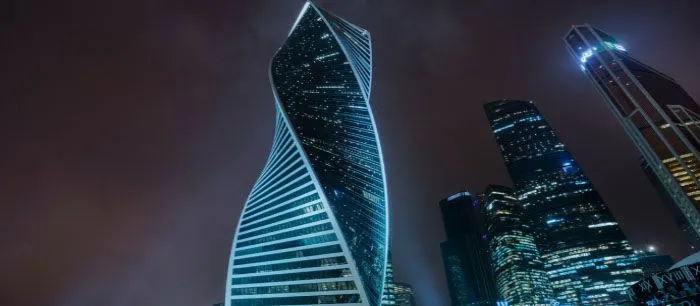
Evolution
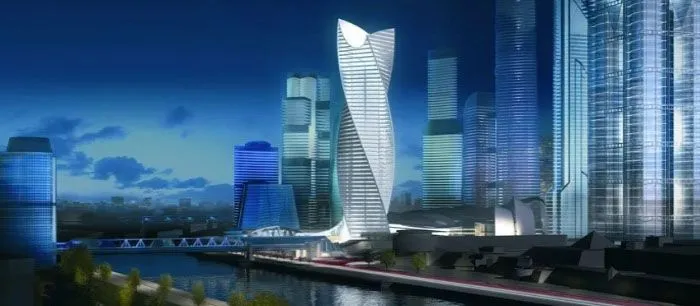
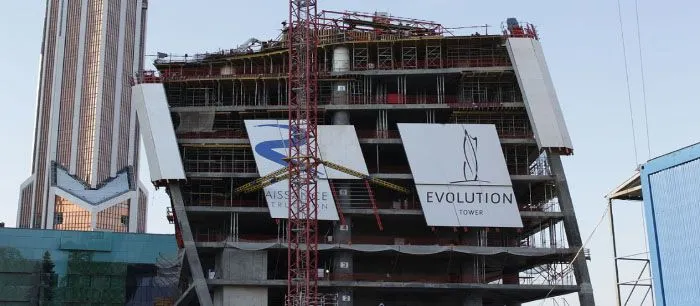
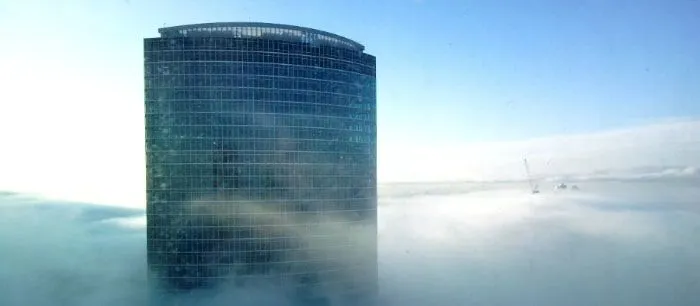
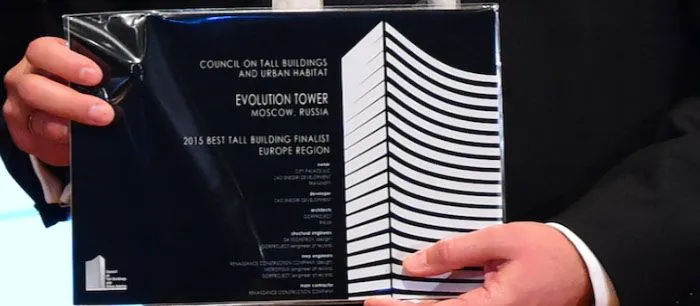
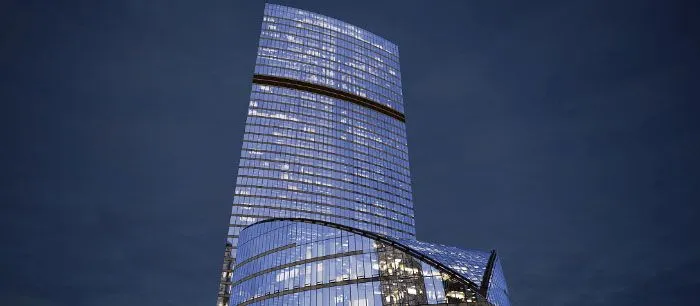
The strikingly twisted Evolution Tower was completed in 2015. It contains offices, retail premises and restaurants.
- height: 255 m;
- floors: 54;
- total area: 169,000 sq m;
- developer: Snegiri;
- architect: Tony Kettle;
- contractor: City-Palace LLC.
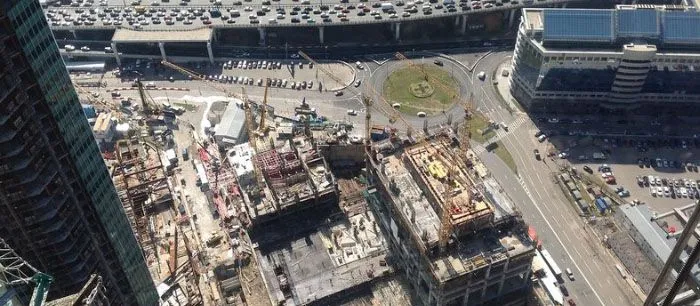
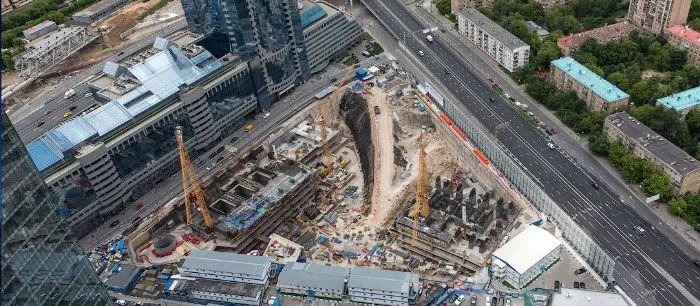
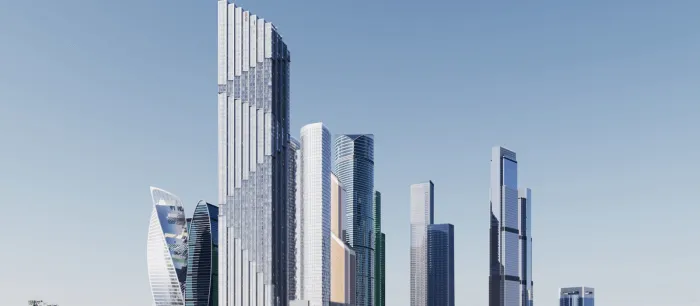
Projects Under Construction
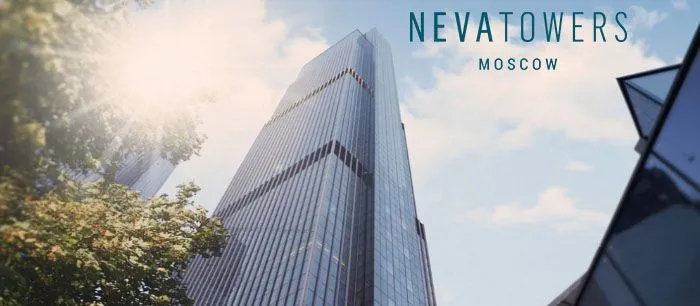
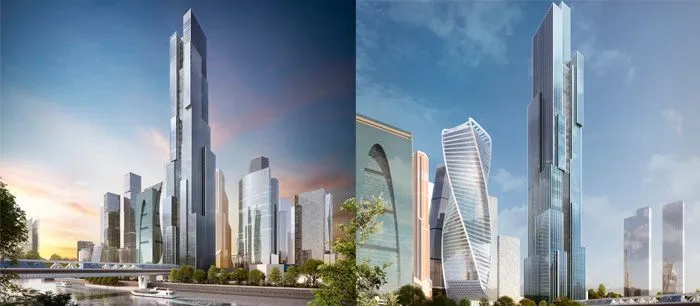
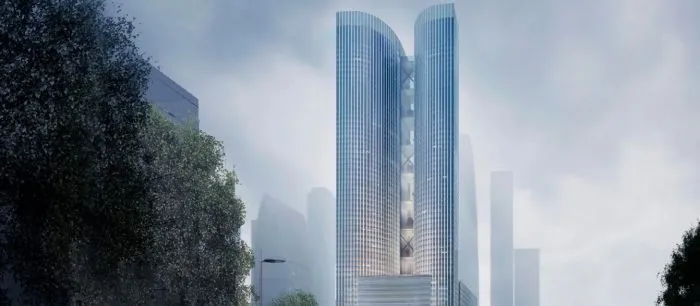
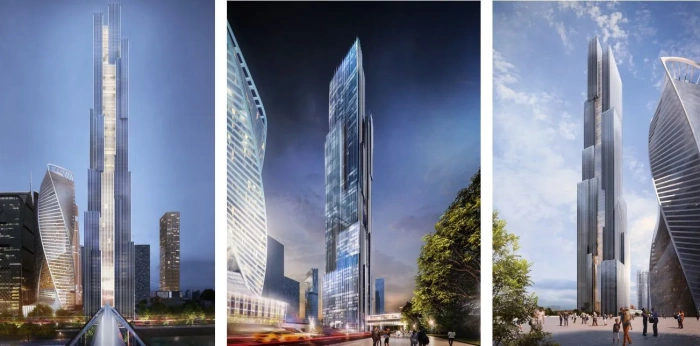
Five projects were still under construction. These included the two Neva Towers, planned at 337 metres for the 79-storey residential building and 290 metres for the 65-storey office building.
Other projects included:
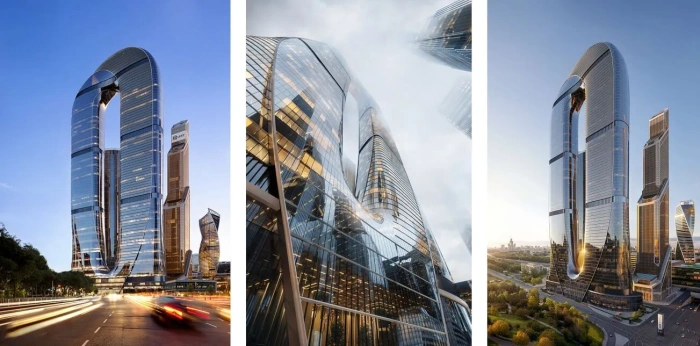
- a multifunctional complex on Plot No. 15 containing offices and apartments;
- a multifunctional complex on Plot No. 4 with 71 floors of apartments and offices;
- a multifunctional complex on Plot No. 20 with 54 floors of offices, apartments and infrastructure facilities;
- the 10-storey City Point business centre;
- One Tower.
Transport Accessibility
The Moscow City MIBC was conceived as a way to reduce pressure on the historic centre of the capital. It therefore benefits from good transport connections. The following roads are located nearby:
- the Third Ring Road;
- Zvenigorodskoye Highway;
- Kutuzovsky Avenue;
- Krasnogvardeysky Passage;
- Presnenskaya Embankment.
All roads in the Moscow City area have been reconstructed. However, morning traffic congestion remains an issue and requires further solutions. New roads and multilane expressways are therefore planned to connect Moscow City with the capital’s main transport arteries. Both underground and surface car parks are available within the complex for private vehicles.
Moscow City can also be reached by metro. The following stations are located 300–500 metres from different skyscrapers:
- Vystavochnaya;
- Delovoy Tsentr;
- Mezhdunarodnaya.
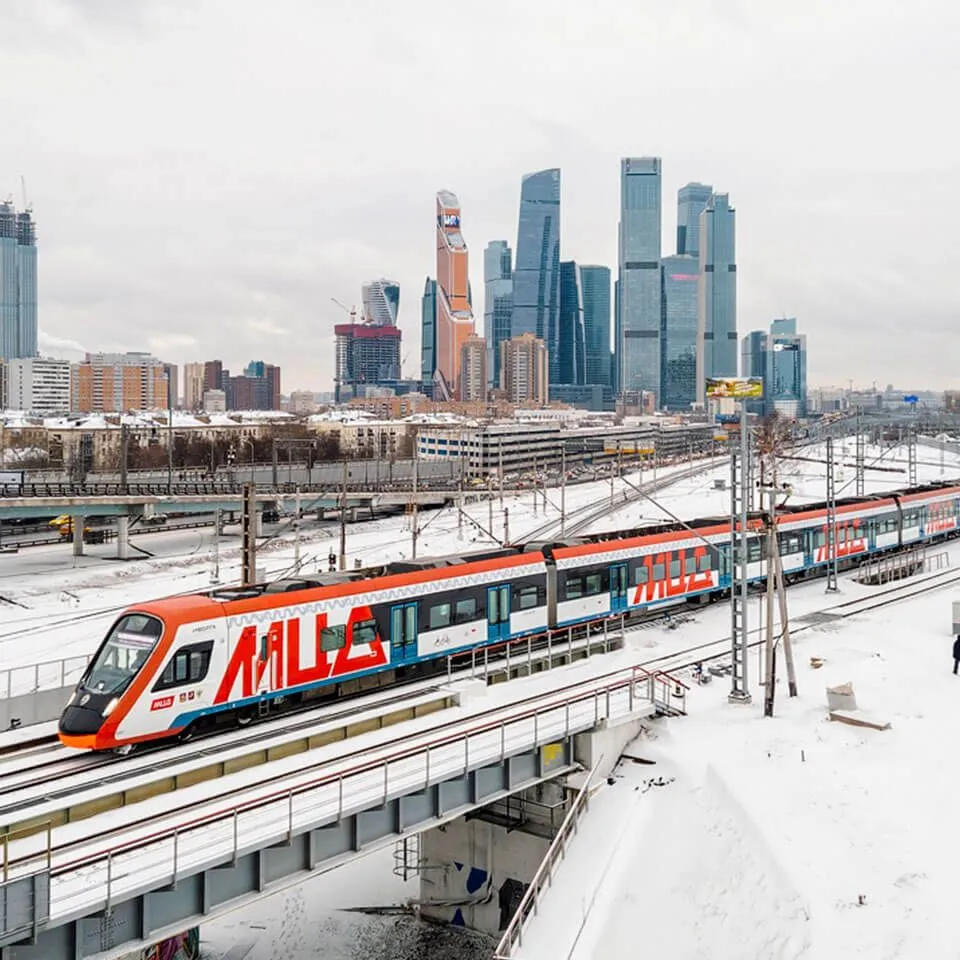
IQ-quarter contains a transport interchange intended to provide fast rail access to the wider Big City district from Sheremetyevo and Domodedovo airports.




History of Moscow-City










Any questions about the City?
Ask us. We know everything about Moscow-City.