


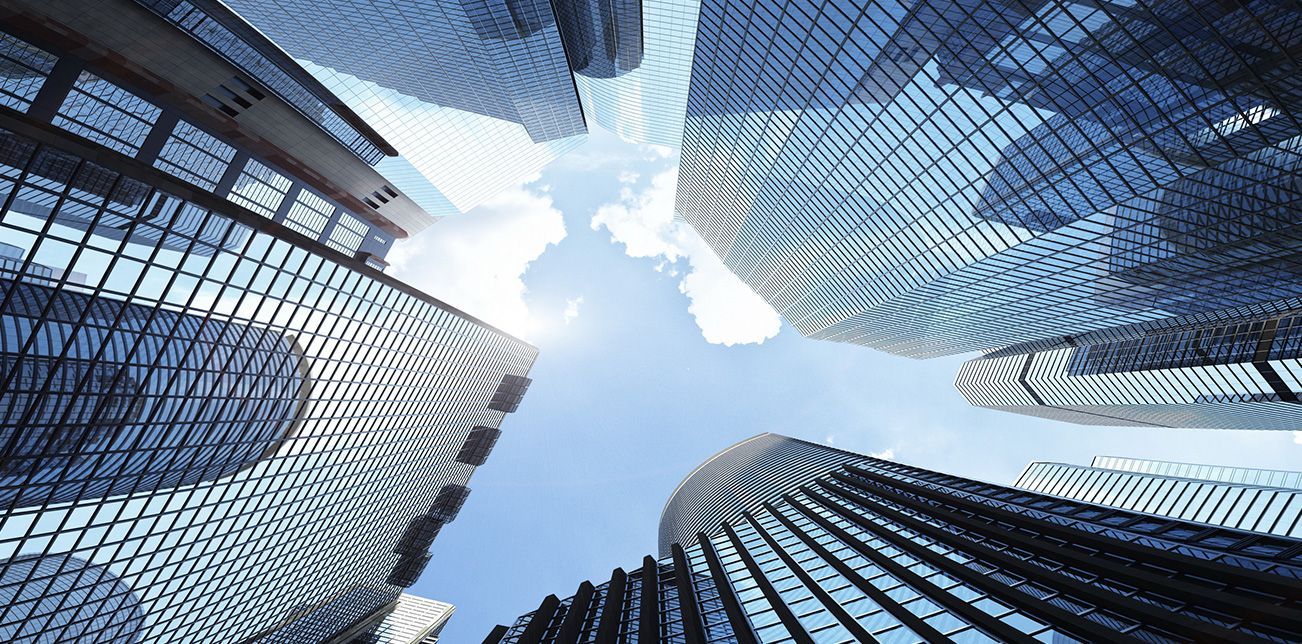
Over the past decade, the architectural landscape of many global cities has changed due to the rapid growth of supertall buildings. In 2010, there were 52 buildings exceeding 300 meters, and by 2020, there were 198. This growth, according to the company Summa Elements, indicates significant engineering innovation and changing trends in urban development.
In the construction of a skyscraper, the initial stage, known as groundwork, is crucial. Although at first glance, nothing much happens during the first 1.5 years, this stage is critical and technically challenging. The foundation of a building can be compared to the roots of a tree – it must be secure.
Sum of Elements experts claim that constructing a supertall building takes approximately 5.5 years, with 20-30% of that time spent preparing the foundation. This confirms its significance.
Construction Features in Moscow City
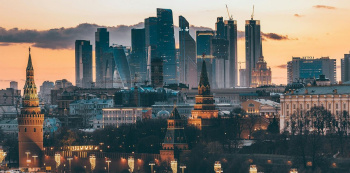
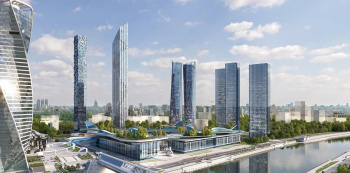
The Moscow City business district faced particular challenges due to the terrain's geology. Unlike cities like New York, where construction takes place on rock, Moscow's foundation is made up of less stable clays and limestones. However, thanks to new technologies and planning, construction is progressing successfully.
The Moscow City Center boasts one of the largest excavation pits in Europe. Constructed in the 2000s, it is 24 meters deep and has a perimeter of 1,725,000 meters. Such extensive work required construction workers to spend up to 1.5 years on site.
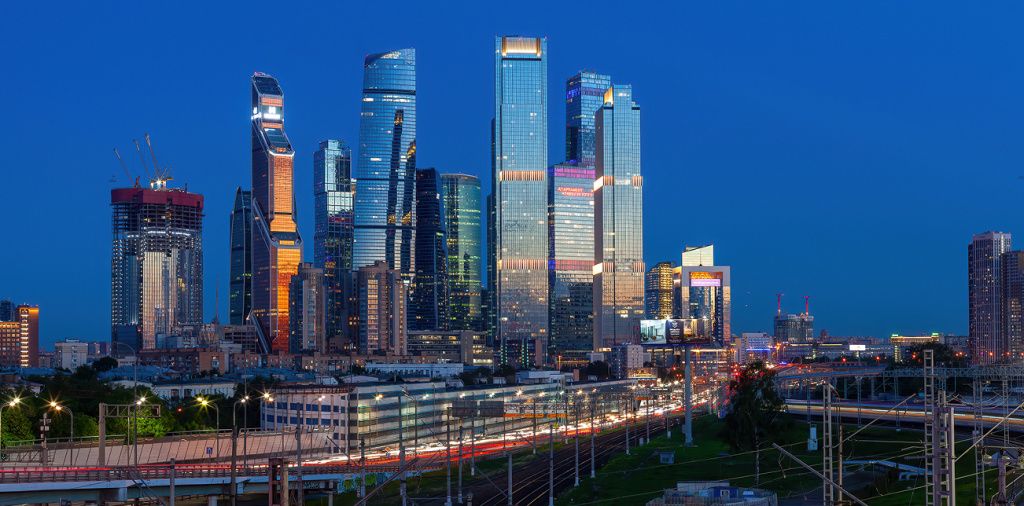
Dau House (Moscow City, Russia)
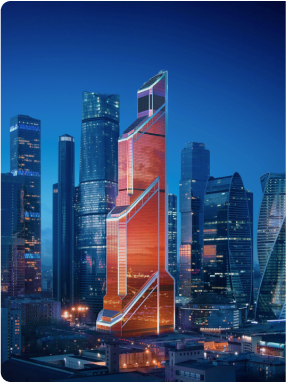
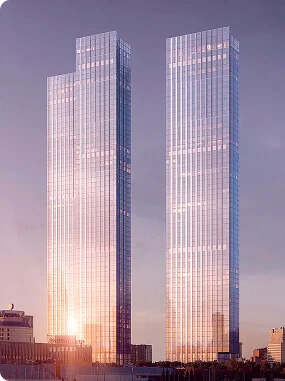
Moscow can be proud of its skyscrapers. The Dau House in Moscow City is one of them. Compared to other buildings in the area, it stands out for its distinctive design and architecture.
Construction in a region with low seismic activity allowed architects and engineers to express their creativity in the design, without focusing primarily on seismic resistance, as was the case with the Shanghai Tower. Despite this, the Dau House building meets all international safety and comfort standards.
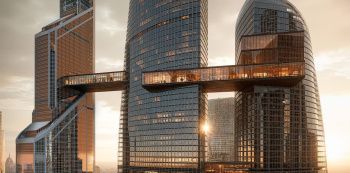
A distinctive feature of the Dau House is its glass façade, which plays with different colors depending on the time of day and lighting, creating a unique appearance. Inside, the building houses offices of global corporations, restaurants, and panoramic elevators offering stunning views of the city.
Engineering Giants: Secrets of Building the World's Supertall Structures
Every year, the boundaries of architectural possibilities continue to expand. Centuries of experience, advanced technologies, and humanity's inexhaustible desire to reach for the sky have given birth to incredible monuments of architectural art. Let's take a closer look at some of them.
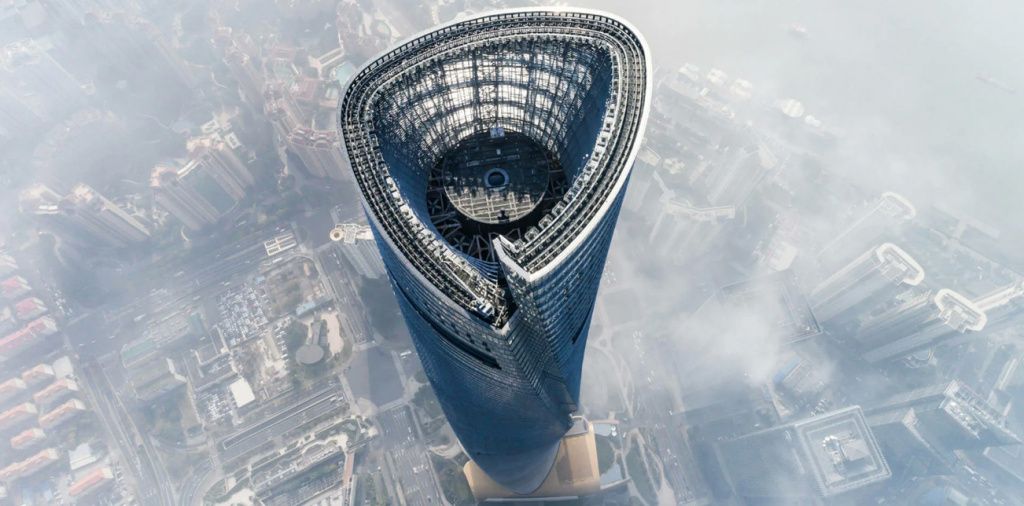
Shanghai Tower: A Sky Titan on the Edge of Seismic Activity
The Shanghai Tower, the second-tallest building in the world, is the result of the intensive work of many specialists. Situated in a region of high seismic activity, the builders faced the challenge of creating a stable and safe structure.
To ensure the tower's stability, a deep foundation pit with a capacity of 35,000 cubic meters was dug. Steel piles driven into the ground ensure that the building's 850,000-ton mass remains stable even during strong earthquakes.
But earthquake resistance is just the beginning. Thanks to advanced engineering solutions, the Shanghai Tower is also optimized for efficient use of energy, water, and other resources, making it a model for the sustainable building of the future.
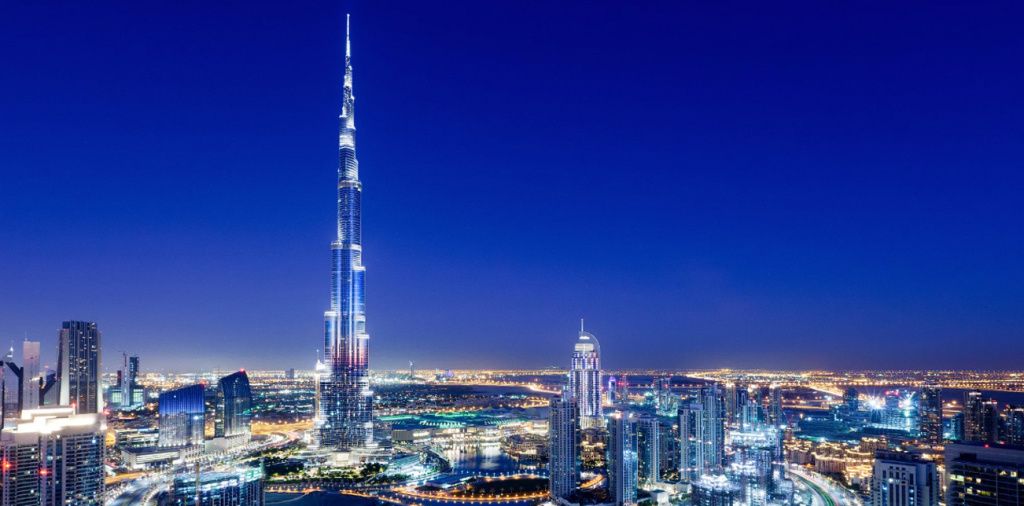
Burj Khalifa: Crown of the Desert
Construction in desert conditions presents its own unique set of challenges. However, Dubai's Burj Khalifa not only overcame these challenges but also rose to unprecedented heights, becoming the tallest building in the world.
The tower's foundations are built from a deep pit, 40 meters deep, and 192 giant steel piles extend 50 meters down, reaching solid rock beneath the sandy soil. This is essential to ensure the stability of the 828-meter-tall structure.
Beyond the engineering solutions employed in its foundation, the Burj Khalifa also serves as a remarkable example of design innovation and sustainability. Its unique spiral shape optimizes wind resistance, and its resource management systems make it one of the greenest skyscrapers in the world.
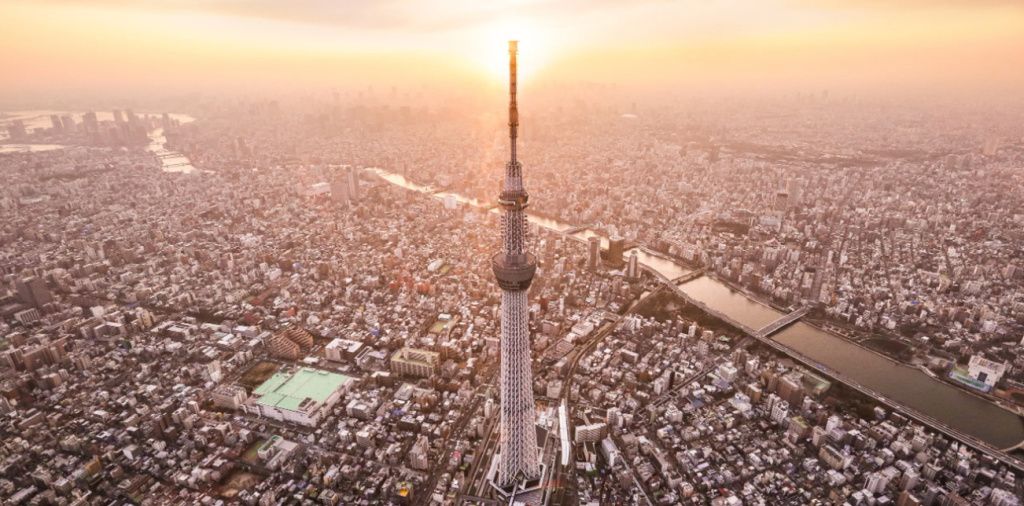
Tokyo Skytree: An Engineering Marvel in the Center of Seismic Activity
Japan is a country known for its earthquakes. Therefore, building the Tokyo Skytree was a real challenge.
This 634-meter television tower is based on a complex system of circular steel piles and concrete panels. These elements not only provide stability to the structure but also act as an earthquake absorber, enabling the tower to withstand even the strongest tremors.
Furthermore, Tokyo Skytree features cutting-edge security and evacuation systems, as well as innovative lighting and communications technologies, making it one of the most modern television structures in the world. Inside the tower are exhibition halls, restaurants, and, of course, observation decks offering incredible views of the Tokyo metropolis.
Innovations and Challenges in the Construction of Supertall Structures
The construction of skyscrapers and other supertall buildings is not just an architectural achievement but also an engineering marvel. Each skyscraper is the result of the intensive work of numerous specialists: from architects and designers to engineers and construction workers.
The primary challenge is building stability. As with the Shanghai Tower, seismic activity can have serious consequences for buildings. But thanks to innovative technologies and materials, today's skyscrapers are capable of withstanding extreme natural events.
Energy efficiency is another key aspect. Given global environmental challenges, modern buildings must not only be beautiful and sustainable, but also resource-efficient.
Conclusion
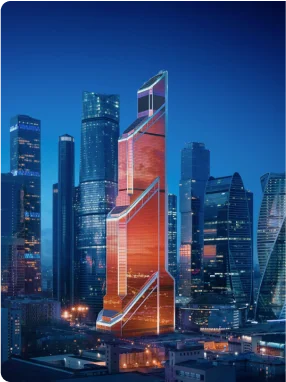
The age of high-rise buildings continues its majestic march across the planet. Skyscraper construction is not only a symbol of a country's economic might but also a testament to engineering mastery and architectural boldness. Projects such as the Lakhta Center, Dau House, Evolution, and OKO in Moscow City, as well as enormous high-rise structures around the world, underscore our aspiration to reach for the sky and our desire to redefine the horizons of what's possible.
However, these monumental structures involve much more than just steel and glass. They involve years of meticulous planning, scientific research, and even pre-construction work, which often goes unnoticed but plays a crucial role in the successful completion of such large-scale projects.
Advances in technology and construction methods, as well as the courage and innovation of engineers and architects, allow us to witness the birth of new architectural wonders that will undoubtedly inspire future generations to new achievements.
Additional material on the topic: Skyscrapers: An Inevitable Future or a Temporary Fad and Skyscrapers – The New Calling Cards of Megacities