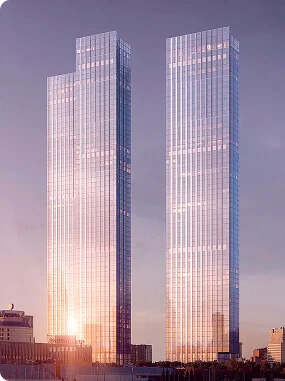




By 2030, Moscow will окончательно move away from a monocentric development model, where business activity had been concentrated around a single core for decades. It is being replaced by a polycentric structure — with several independent business hubs competing for tenants, investment and talent.
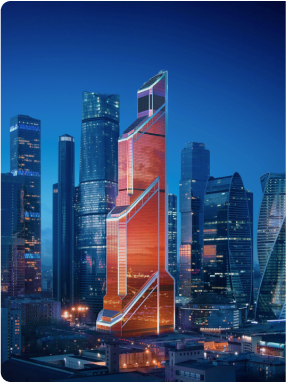
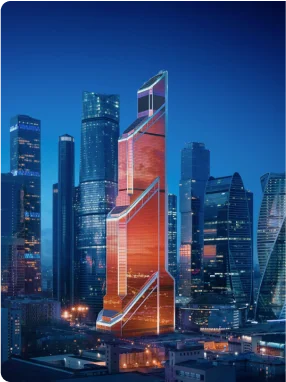
This transformation directly affects Moscow City — the country’s first and most recognizable CBD — as well as the emerging macro-cluster Bolshoy City, which is becoming the largest redevelopment area in the central part of the capital.
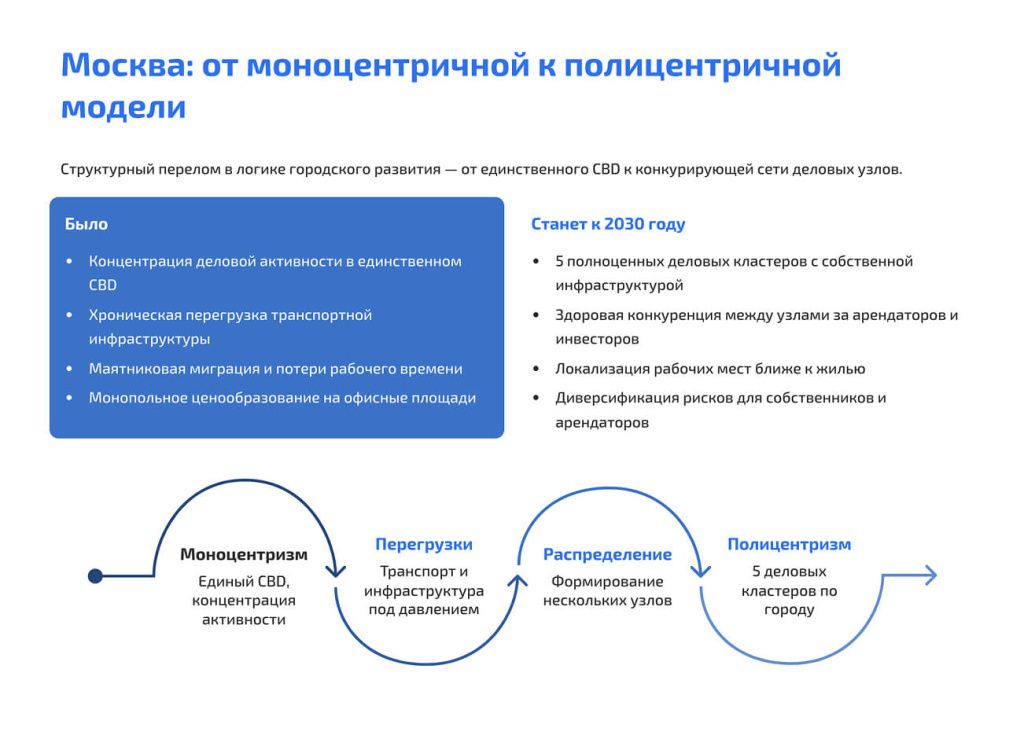
Five Business Clusters by 2030
According to market estimates, by 2030 Moscow will have at least five fully developed business clusters:
- Bolshoy City — 1.5 million sq m
- Moscow City — 0.8 million sq m
- Belorussko-Savyolovsky hub — 0.7 million sq m
- Western cluster — 0.68 million sq m
- Rizhsky Freight Yard — 0.5 million sq m
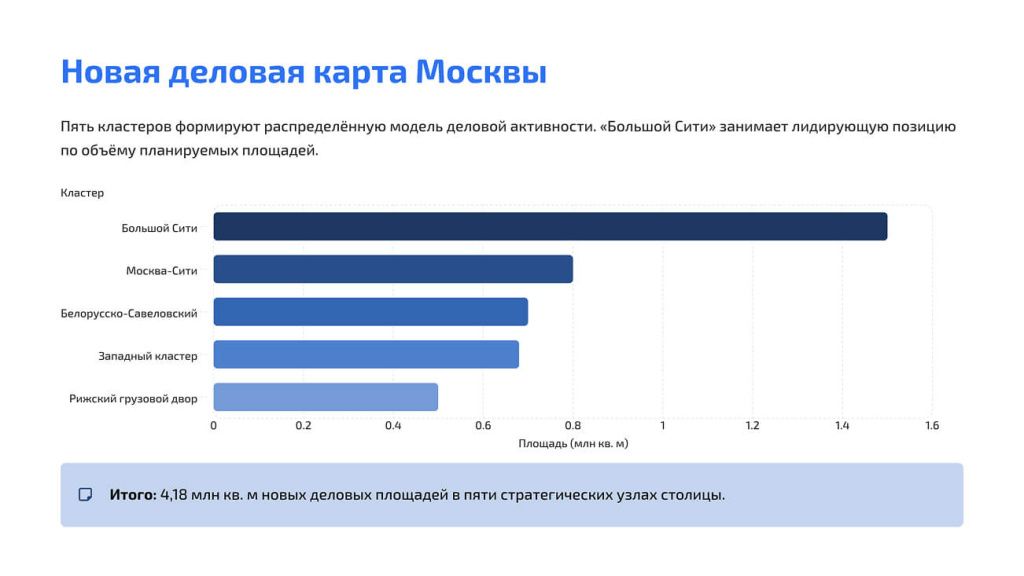
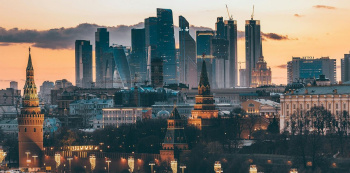
This is not about isolated construction projects, but about a systemic transformation of the capital’s economic geography. Business activity is shifting closer to transport hubs, MCD lines and new residential districts, reducing pressure on the historic center and creating new points of attraction.
57 Million sq m of CRT: The Largest Redevelopment Wave
Under Moscow’s Comprehensive Territory Development (CRT) programs, approximately 57 million sq m of real estate has been announced — the largest redevelopment volume in decades.
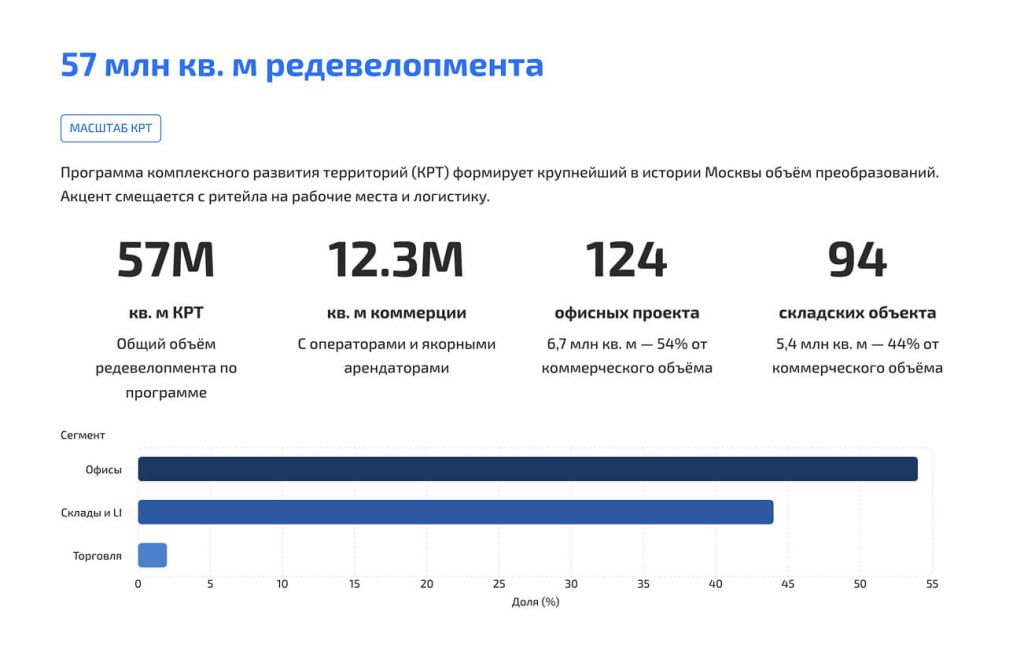
The structure of the announced projects demonstrates a clear shift in priorities:
- 54% — office real estate (6.7 million sq m, 124 projects)
- 44% — warehouses and light industrial (5.4 million sq m, 94 facilities)
- 2% — retail property
The minimal share of retail space reflects changing consumption patterns: traditional retail is уступing to e-commerce, while cities are focusing on job creation and logistics infrastructure development.
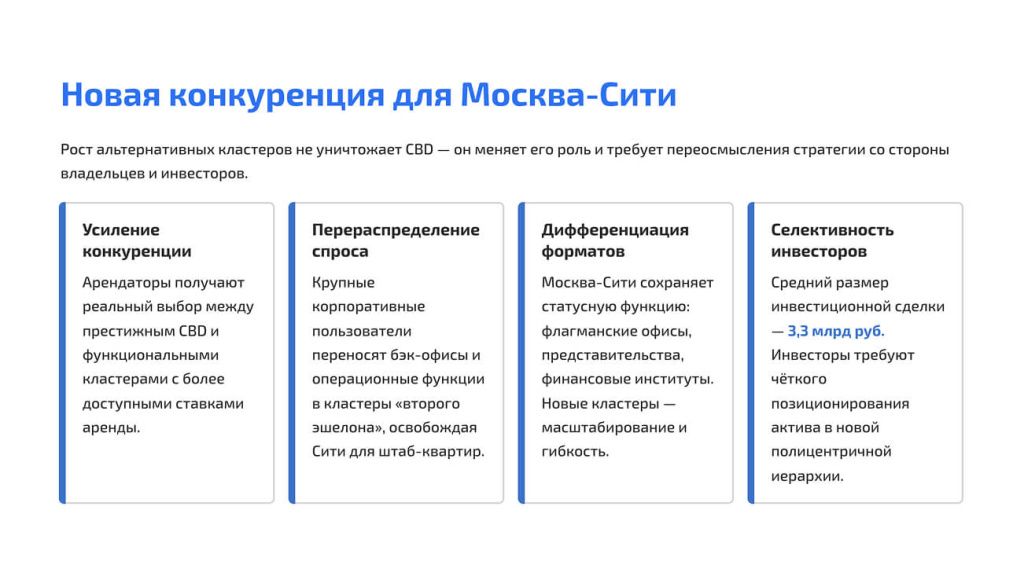
Against this backdrop, the average investment deal size has declined to RUB 3.3 billion, indicating a more fragmented and cautious investment landscape. Large-scale projects remain, but transactions are becoming more selective and structured.
Krasnoselsky District: The Historic Center in the Orbit of Bolshoy City
Special attention should be given to the inclusion of the Krasnoselsky District in the Bolshoy City redevelopment program.
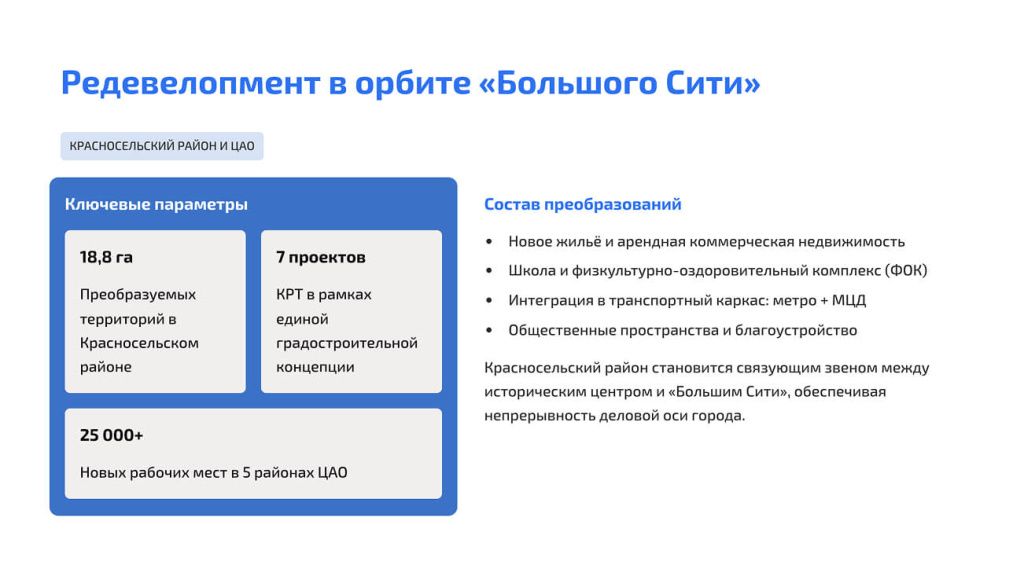
The program involves the transformation of approximately 18.8 hectares of underutilized and inefficient land in the Central Administrative District. Within the framework of seven approved CRT projects, the area will see:
- modern residential complexes
- commercial properties
- a new school
- a sports and fitness complex
The sites are located within walking distance of metro stations and MCD lines, aligning with the new development logic: business activity is shaped around the city’s transport framework.
In total, these projects across five districts of the Central Administrative District will create more than 25,000 new jobs.
Bolshoy City as the Second Phase of Moscow City’s Evolution
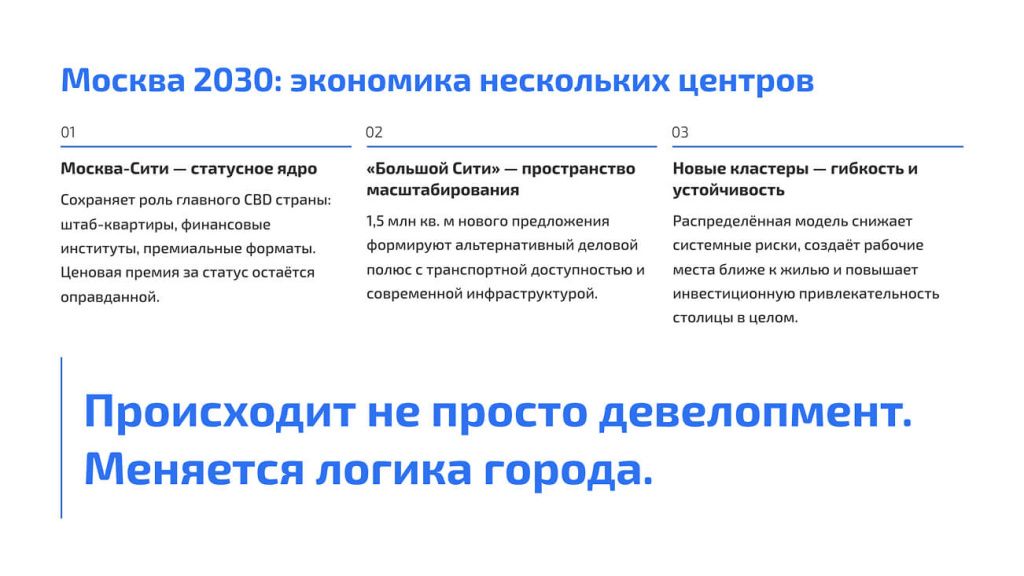
If Moscow City symbolized the vertical breakthrough of the 2000s–2010s, then Bolshoy City represents the horizontal expansion and institutional consolidation of the capital’s new business belt.
In effect, a multi-core system is emerging:
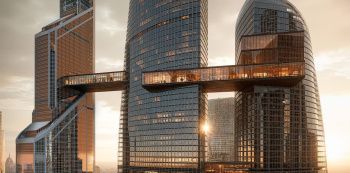
- Moscow City — a premium skyscraper segment with headquarters and high-end offices;
- Bolshoy City — a large-scale mixed-use territory combining residential, office, light industrial and public spaces;
- new hubs around the Belorussky, Savyolovsky and Rizhsky directions — flexible business zones with strong transport integration.
This format reduces commuter migration, redistributes transport flows and makes the city more resilient.
What Does This Mean for the Moscow City Market?
- Rising competition. New clusters will compete with the traditional CBD for tenants.
- Shift in the premium segment. Alternative locations for major companies will emerge outside the traditional tower environment.
- Format differentiation. Moscow City will remain a showcase and status address, while part of demand will shift to more flexible and large-scale Bolshoy City projects.
- Investment selectivity. Amid declining average deal sizes, investors will pay closer attention to project quality, location and concept.
Conclusion: A Change of Era
Moscow is entering a phase of structural transformation.
If the previous twenty years were defined by concentration and symbolic vertical growth, the next five years will become a period of spatial redistribution and competition between business zones.
Moscow City is no longer the only center of gravity — yet it remains the starting point of a new model around which the capital’s expanded business belt is taking shape.
The architecture of Moscow’s 2030 business landscape is being defined today.