



When it comes to living in a skyscraper, most people first look at the layout, the view, and the price. The floor level seems secondary— "the higher the better the view."
But in reality, the level at which you live affects the experience of your home no less than the square footage or architecture: noise, air, light, psychological comfort, social connections, and even lifestyle change.

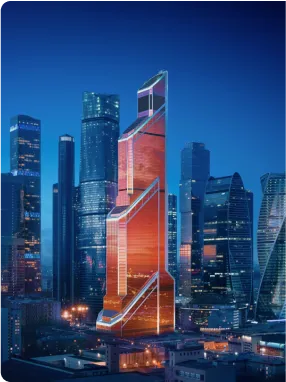
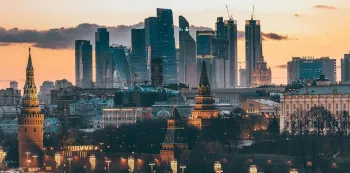
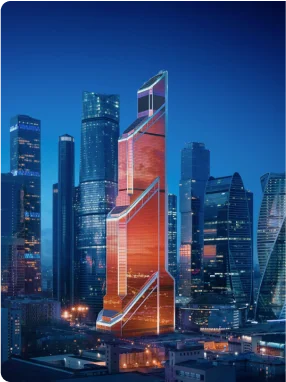
In business clusters like Moscow City , where apartments can be located on levels 10 and 70 in the same tower, choosing your floor becomes more strategic than decorative. And it's not just about "view of the Kremlin or the river," but about how you feel every day.

What research says about living at altitude
Research into high-rise housing over the past decades has provided a rather mixed picture, and it's important to keep this in mind to avoid falling into either the romantic notion of "living above the clouds" or the drama of "social isolation in towers."
-
A number of studies have noted that residents of high-rise buildings often rate their health worse than residents of low-rise buildings.
-
Some studies have linked living on upper floors with increased risks for mental well-being and a feeling of detachment from earthly life, especially when common spaces are poorly organized.
-
At the same time, there is evidence that higher floors can have greater social inclusion if the architecture and infrastructure support human interaction (high-quality common areas, club spaces, well-appointed lobbies).
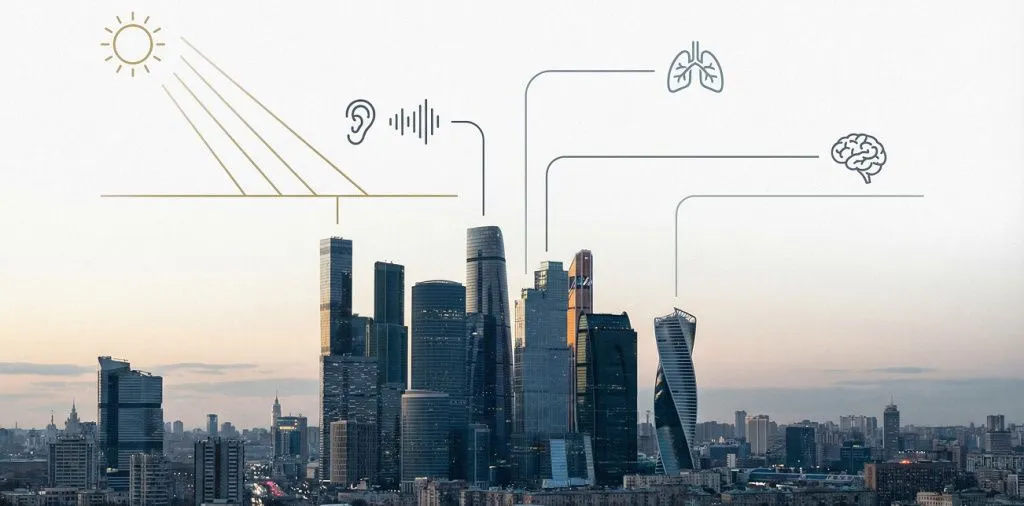
The key takeaway is that it's not just the height itself, but a combination of three factors:
-
Architecture and engineering (elevator shafts, layouts, glazing quality, ventilation).
-
Organisation of home life (communities of residents, management company, services).
-
Personal scenarios - the extent to which a person's lifestyle matches the format of the "vertical city."
Moscow City and other high-rise clusters around the world (New York, Hong Kong, Dubai, Singapore) are precisely an experiment in how to turn height into a resource, rather than a source of problems.
Low floors (1–5): maximum connection to the city, minimum “skyscraping”
Pros:
-
Quick access to the outdoors. For families with children, dog owners, or anyone who needs to run out for a minute ten times a day, this is a real advantage.
-
Shorter evacuation route. During any technical outages, emergency response drills, or high-rise fires, people on the ground floors feel safer—the path down is short and physically manageable.
-
Less pronounced "wow" factor, but also less stress. For people with a fear of heights or high anxiety, this level gives a sense of control: you can see the street, without the dizziness of seeing the abyss beneath your feet.
Cons:
-
Noise and dust. According to urban ecology data, it is the lower levels that suffer the most from traffic noise and street pollution.
-
Privacy. If windows face low and close to neighboring buildings, the feeling of "living in a fishbowl" can become a constant backdrop.
-
Light. In densely populated areas, lower floors often lack sunlight, especially in winter and in courtyards.
Where is this justified in the context of Moscow City?
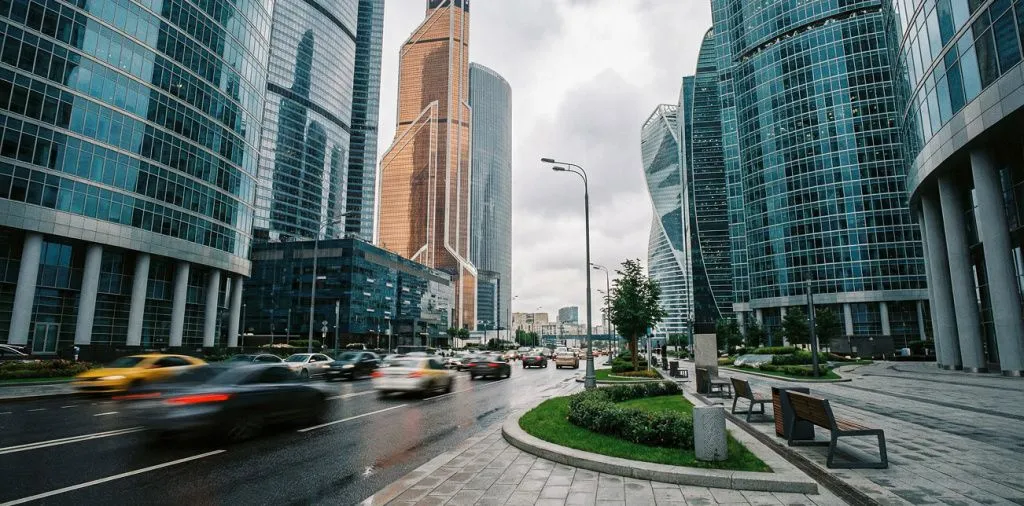
In the Moscow International Business Center (MIBC), the lower levels are often occupied by retail and public spaces. Residential and apartment blocks traditionally begin higher up, in part to avoid the feeling of "living in a shopping center" for future residents. Therefore, the classic "low floor" in Moscow City is the 10th to 20th level, not the second or third, as in a typical building.
Medium height (approximately 6–25 floors): a compromise chosen by rational people
Extreme heights aside, most experts agree that comfortable floors for everyday living are in the middle range.
The reasons are clear:
-
The noise level is noticeably lower than at ground level. Cars and pedestrian traffic no longer act as a constant "wall of sound," especially with modern soundproofing.
-
The air is cleaner than on the lower levels, but still not cut off from the urban environment. There's no sense of living "above the city," cut off from its rhythm.
-
A balance of privacy and inclusion. You're not overlooked by passersby, but the neighboring houses are still visible as part of a vibrant urban scene, not an abstract panorama.
-
A psychologically comfortable height. For most people, the view from the 10th to 20th floor is perceived as a pleasant prospect, not an extreme attraction.
For Moscow City, the conventional "middle" level is shifted higher due to the overall height of the complexes. For a tower rising 60–70 stories, the comfortable "middle" may fall between the 25th and 40th floors. In the cluster's residential complexes and apartments, it is precisely at these heights that the main pool of families often forms, seeking a balance of everyday comfort and views rather than maximum glamour.

High floors (above 25–30): panoramic views, status, and new mental demands
Life at level 50, 60 or 70 is already a separate mode of existence.
What does the height give:
-
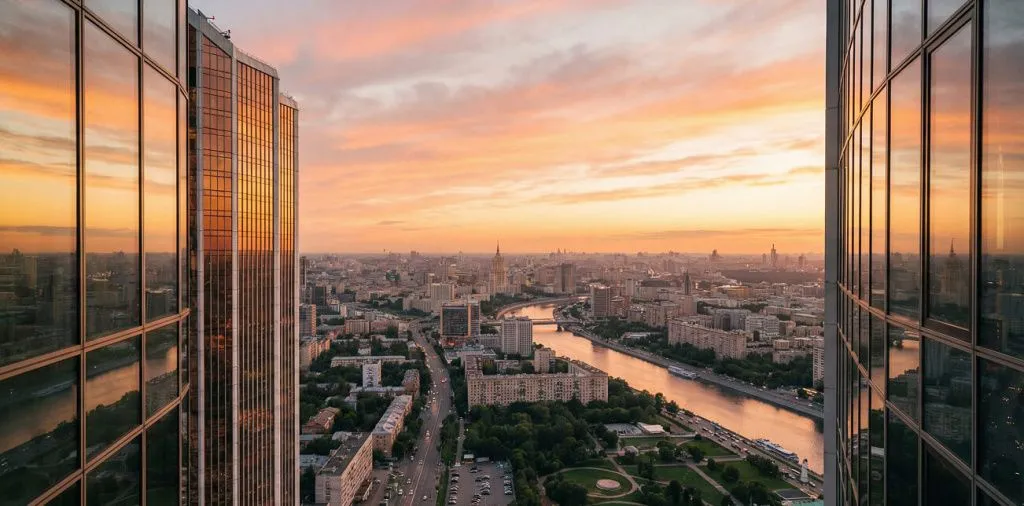
Panoramic views that are impossible to "buy" otherwise. Moscow-City is unique in this regard: some apartments and residences offer multiple views—the Moscow River, the historic center, the outbound highways, sunsets, and the city at night, all in a single frame.
-
Less street noise. The urban hum fades into the background, leaving only a subtle "city buzz"—many describe it as a lively, but less aggressive, background.
-
Separation from the chaos of everyday life. At high altitude, you feel like you're on a "superstructure" above the city: you see traffic jams, but aren't stuck in them; you watch a thunderstorm, but are in a safe glass cocoon.
But there is a price to pay for this:
-
Psychological stress. Research links extreme altitude to increased anxiety in some residents, especially children and those prone to phobias.
-
Evacuation issues. Modern Moscow City towers are designed with multiple safety margins, fire-resistant stairwells, smoke extraction systems, and high-speed elevators. Nevertheless, the subjective feeling of "being very high up" remains.
-
Dependence on engineering. On the 60th floor of a skyscraper, any prolonged power outage turns life into a logistical quest: elevators, water supply, ventilation—everything depends on the stability of the systems.
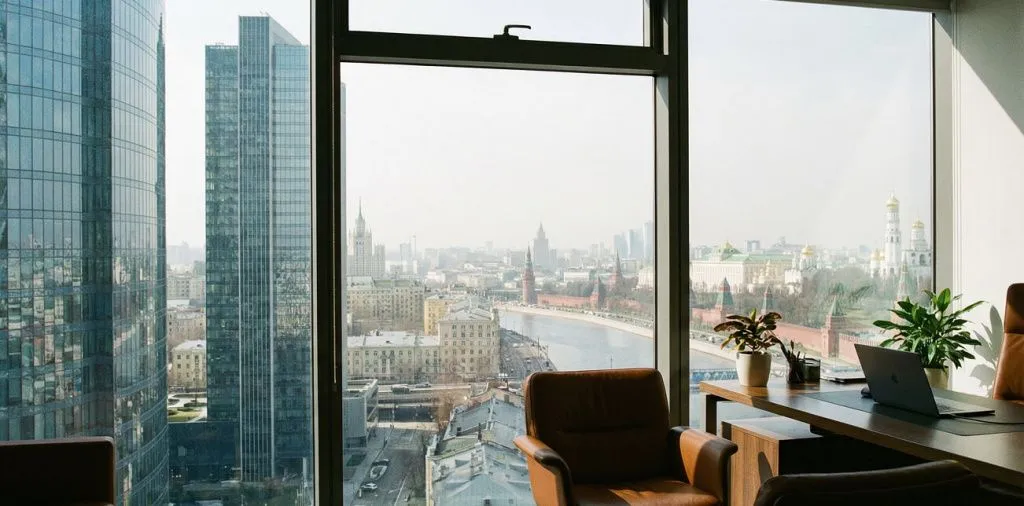
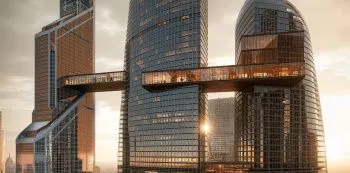
On the other hand, the elite segment of global high-rise real estate—from New York to Dubai—offers the highest level of service at its upper levels: private club floors, sky lobbies, restaurants, and swimming pools.
Moscow-City is gradually following a similar path: the upper floors are not just apartments, but also part of a unique vertical community, where access to services and common spaces is as important as square footage.
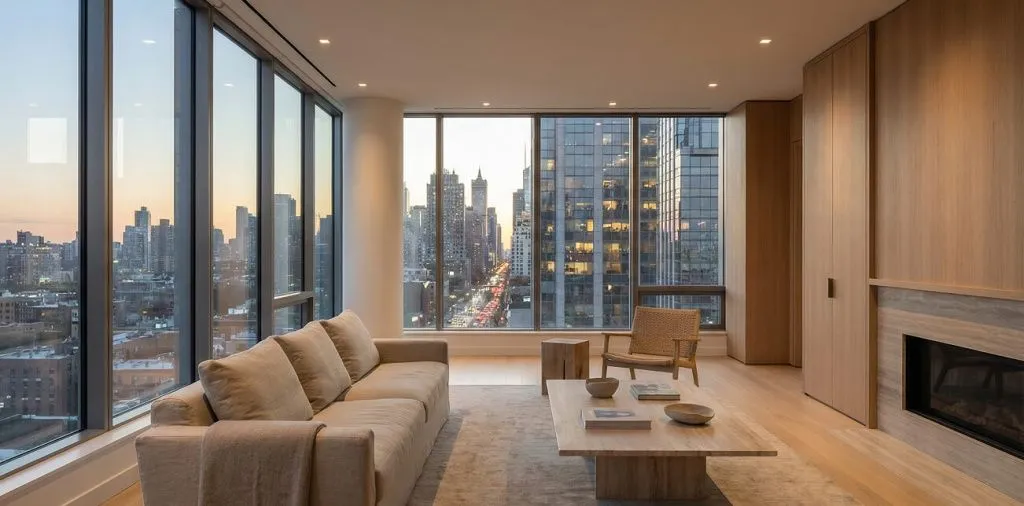
High-rise as a lifestyle: Moscow City and global megacities
Twenty-first-century high-rise clusters operate according to a similar logic: they bring together housing , offices , restaurants , fitness clubs , medical and educational services. This "vertical city" format has already become the norm in Hong Kong, Singapore, and Dubai; Moscow-City is gradually building its own version of this scenario.
What do these clusters have in common:
-
High density of valuable space. The price per square meter here is higher than the city average, which automatically filters the audience based on income level and environmental quality requirements.
-
The concept of "home" is shifting. The apartment is just part of the ecosystem. Life is distributed among lobbies, lounges, sky terraces, shopping galleries, and office floors.
-
Changed mobility patterns. People walk less on the street and more along internal routes: elevators, walkways, and underground parking.
This is especially noticeable in Moscow City:
A person can live in a tower, work in a neighboring building, work out in a fitness club on another level, and rarely venture outside in bad weather. For some, this is the height of comfort. For others, it's the risk of being "cut off from the real city" and locked into a sterile environment.
In Hong Kong and a number of Asian megacities, this “verticalization” has gone so far that the opposite extreme has emerged—micro-apartments and the famous “cubicles,” which turn tall buildings into de facto dormitories with minimal personal space.
Moscow-City, on the other hand, is developing in the premium and business segments: here, height works not as a forced saving of space, but as a tool for creating a special lifestyle.
How Altitude Affects Health and Comfort: Key Parameters
Noise and vibration
-
On the lower floors, the main source of discomfort is street noise: transport, special equipment, nightlife.
-
Aerodynamic effects also come into play: wind and possible microvibrations of façade structures. These aren't dangerous, but they may be noticeable to some people.
-
Modern Moscow City towers utilize multi-layered glass units, specialized façade systems, and vibration insulation, which reduces the strain on residents compared to older high-rise buildings.
Air and microclimate
The air quality in a skyscraper is determined not only by its height, but also by:
-
operation of central ventilation and air conditioning systems,
-
the state of engineering mines,
-
finishing materials.
When properly managed, high floors can benefit from reduced exposure to exhaust fumes and dust from the street, but when ventilation is poor, it's the upper levels that sometimes suffer from stagnant air.
Light and insolation
The higher the floor, the greater the chance of getting:
-
long lighting scenarios (sunrises, sunsets, panoramic natural lighting),
-
but also increased demands on sun protection and thermal control: if the façade is oriented to the south or southwest, without well-thought-out sun protection and engineering, you can end up with a “glass greenhouse” in the summer.
In Moscow City, this problem is solved by a combination of engineering systems and sophisticated glass; however, when choosing a specific apartment, it's important to take the time to view it at different times of day and year, rather than relying solely on renderings.

Social interaction
Several studies show that the key to the well-being of high-rise residents isn't the floor they're on, but the quality of common spaces: lobbies, elevator routes, common areas, children's rooms, and coworking spaces. It's there that people see each other, form personal connections, and cease being anonymous "residents of cell 52-17."
In recent years, Moscow-City has been actively moving toward forming club communities in residential towers: resident meetings, private events, public chats, and service platforms. Height, meanwhile, is no longer a factor of isolation; rather, it defines a distinctive community style.
Which floor is considered the most comfortable for living?
There is no single answer, but several working principles can be formulated that are relevant for the skyscrapers of Moscow City and other large metropolitan areas.
A rational range for everyday life
For most people, the optimal levels are the so-called “average” levels:
-
in ordinary high-rise buildings there are 6–16 floors;
-
Moscow-City-level towers have approximately 25–40 floors.
This is the height at which:
-
already noticeably quieter and cleaner than at ground level;
-
the view is quite impressive, but not yet “dizzying”;
-
there is no constant anxiety about evacuation;
-
The distance to public areas (lobbies, parking, playgrounds) remains comfortable.
Floor for tasks
-
A family with small children, a nanny, frequent trips outside.
It's better to focus on the lower part of the residential block: it's faster to go down, easier to walk a child or a dog, and less reliance on elevators for everyday needs. -
Couples and single professionals who work in a cluster and appreciate the view.
The balance point is the mid-to-high floors: levels 35–50 in Moscow City offer panoramic views, a sense of "being at your own height," and access to all the tower's services. -
Those for whom appearance is the main criterion.
Upper levels make sense if you're consciously buying not just the home but also the "scenography": evening panoramas, a river stretching into the distance, the lights of the Third Ring Road. The key is to be honest with yourself: are you ready to live in this every day, and not just occasionally "get lost in the clouds" for the weekend? -
Elderly people or people with health limitations.
It makes sense to choose a moderate altitude, where you won't feel isolated and where you can quickly get outside even in the event of technical problems.

The Psychology of Heights: Who's Suitable for a Skyscraper and Who's Not
Living in a high-rise isn't just about square footage and views. It's a special psychological contract you form with yourself:
-
You accept that your daily route begins not at the entrance, but at the lobby and elevator.
-
You live in an environment where the city's integration occurs through the panorama, not through street traffic.
-
Your privacy is higher, but your neighbors' anonymity may also be higher if the building doesn't work with the community.
For those who appreciate the dynamism of the metropolis, a busy schedule, and work in the financial and business sectors, the format of Moscow City and similar clusters often appeals: a skyscraper becomes a logical extension of their lifestyle.
For those who prioritize the courtyard, trees under the windows, and the habit of "going to the neighbor's across the hall" - the height often gives a feeling of isolation and fatigue from the vertical elevator.
It is important to honestly answer yourself a few questions:
-
How critical is it for you to be "on the ground" often—to walk along the street, rather than through a shopping mall gallery?
-
How tolerant are you to heights? Do you have any phobias or feelings of discomfort at high levels?
-
Are you ready to embrace technology at home as a part of your life: access apps, digital passes, automated services?
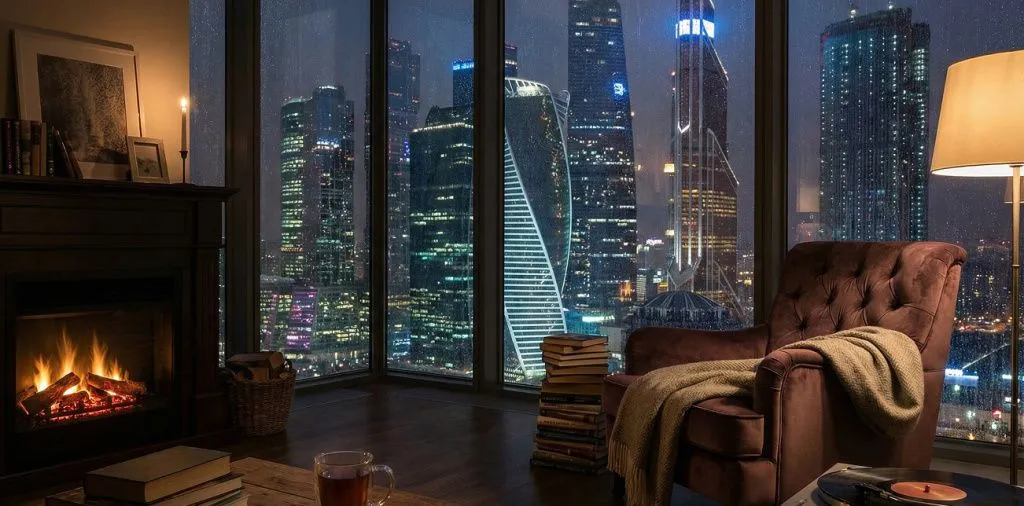
Moscow-City as a laboratory for high-rise living
For Moscow-City, choosing a floor is not a theoretical matter, but a purely practical one. The complex is becoming one of the main laboratories for high-rise living in Russia:
-
a pool of projects has already been formed here, where housing is located on dozens of levels;
-
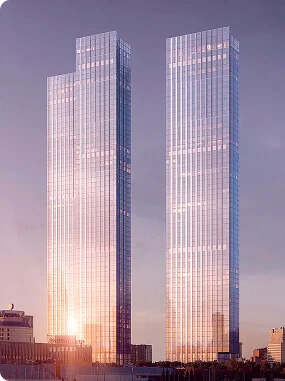
New residential towers are emerging, designed from the outset as spaces for comfortable permanent living, not just “apartments in an office center”
-
The culture of high-rise building management, service, security, and community formats are developing.
In the coming years, we can expect that choosing a floor in Moscow City will increasingly resemble choosing a city district: each level group will be associated with its own lifestyle, audience, and even interior style.

Summary: How to Choose a Floor in a Skyscraper Wisely
-
First the script, then the height.
Determine how you live: how much time you spend at home, how often you go outside, do you have children, is the view important to you. -
Medium height is the basic option for most.
In Moscow City, this is approximately the 25th–40th floor: comfort, balance of light, view, and sensations. -
High levels require a mature solution.
Buying a 60th-70th floor apartment is worth it if you truly want to live in the "cloud" mode and understand that the elevator and utilities are becoming a key part of everyday life. -
Don't rely on numbers alone.
The same floor in different towers and even different sections can feel different: due to orientation to the cardinal points, proximity to neighboring buildings, and the specific features of the lobby and elevator groups. -
Height is not only prestige, but also responsibility.
Before purchasing or renting long-term, it's worth spending at least a few full days in the tower: visiting in the morning, afternoon, and evening, getting a feel for how the building operates, how the lobby functions, and how long it takes to get around.
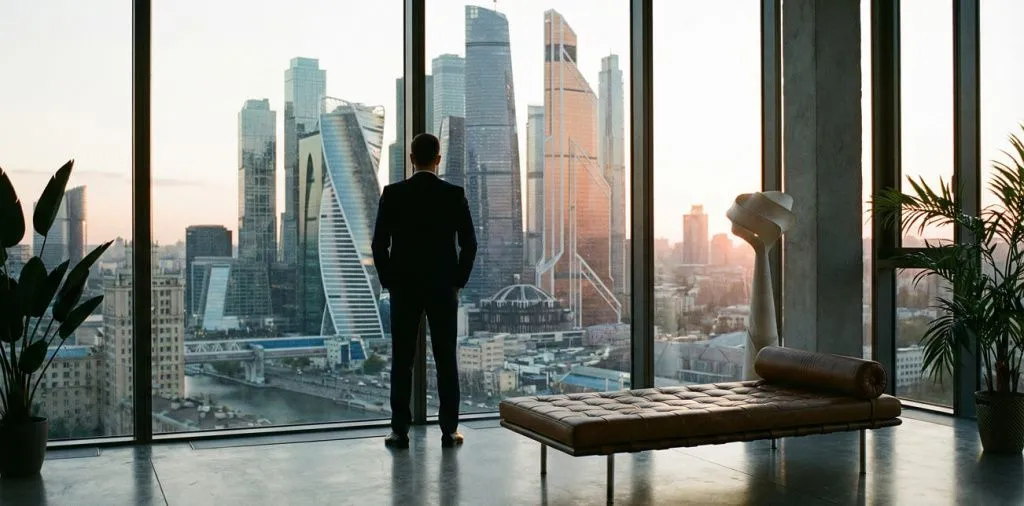
Living in a skyscraper is a unique form of urban culture. Moscow City and the world's largest business clusters demonstrate that height can be not only a striking backdrop but also a valuable tool for improving quality of life. The only question is at what level of this vertical city you want to place your personal horizon.