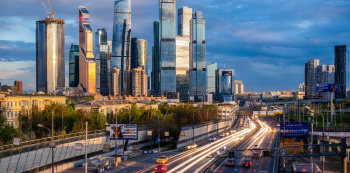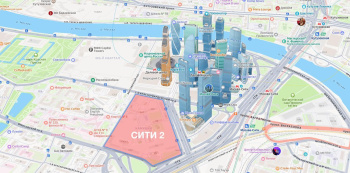



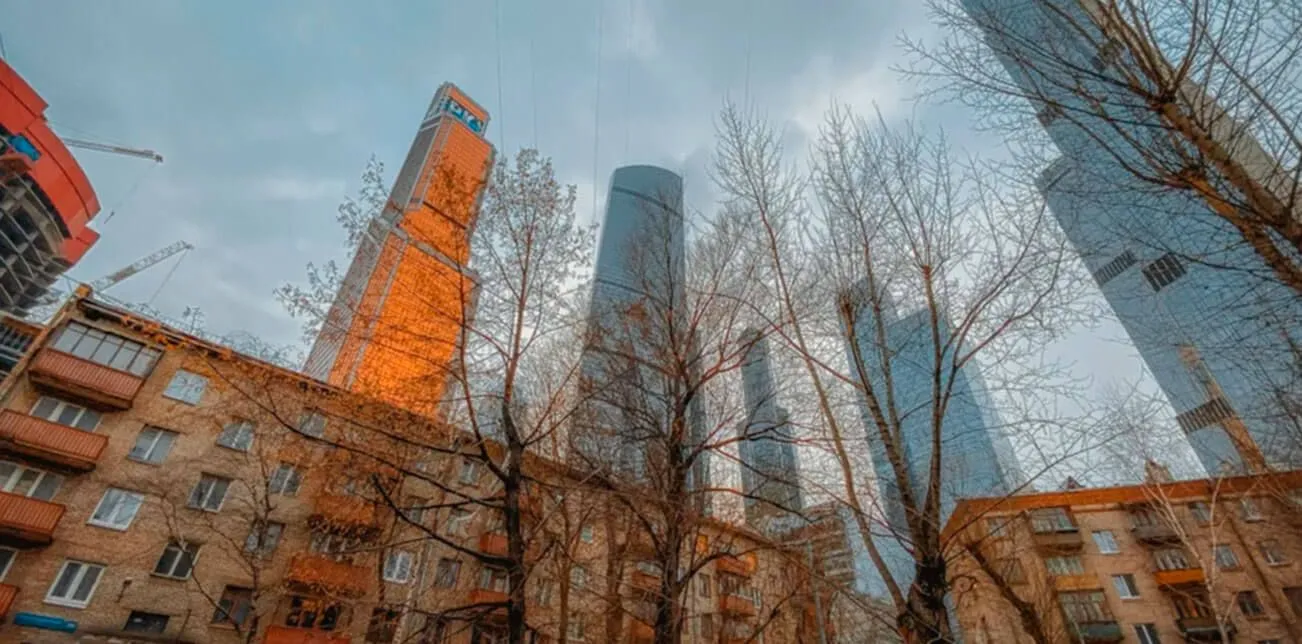
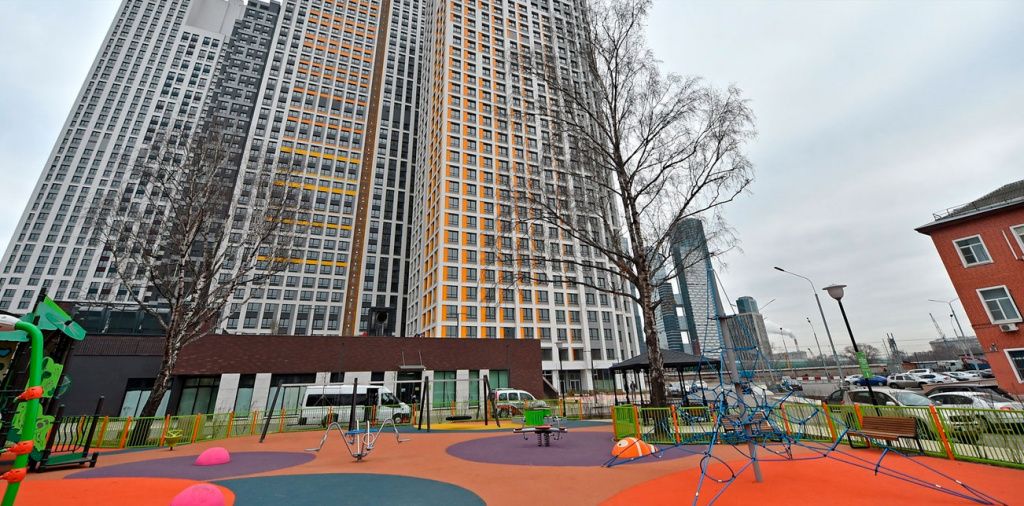
As part of the "Big City" project, the Kamushki microdistrict is planned for renovation, which involves relocating residents of five-story buildings located between Moscow-City and the Third Transport Ring to new buildings. Already, 170 families have agreed to move into the new comfort-class building, featuring modern playgrounds, landscaped recreation areas on the stylobate, and well-developed infrastructure.
How it was
The fate of the Kamushki microdistrict, located on the southwestern outskirts of the Presnensky District, has long been the subject of active discussion. The first plans for its resettlement emerged in the early 1990s, when the idea of building the dizzying Moscow City was conceived and adopted. In 2005, then-Moscow Mayor Yuri Luzhkov approved a resolution to create a resettlement plan for the buildings located within its boundaries, but a plan was not developed until 2008, with the approval of Moscow City Law No. 29, "On the City Targeted Development Program for the Built-up Area of Quarter No. 804 Kamushki for 2008-2014."
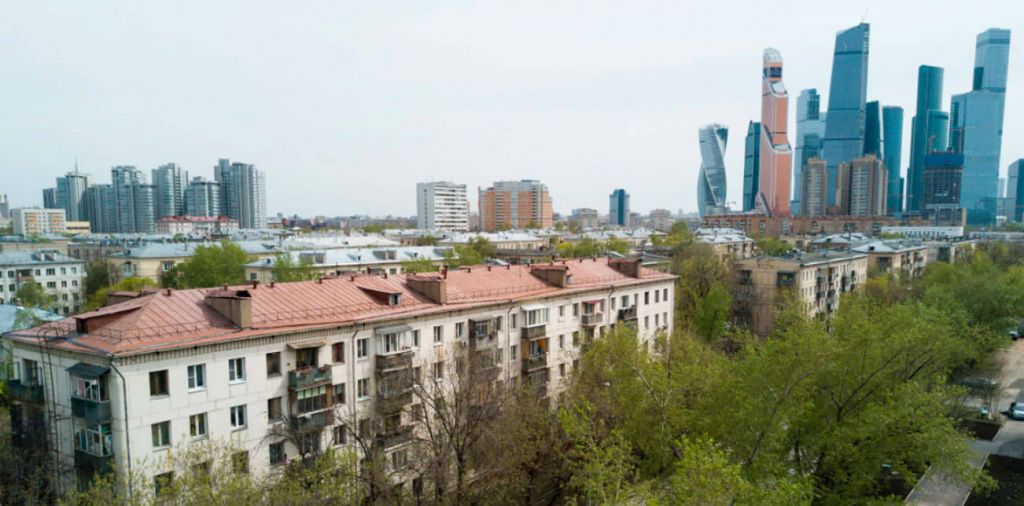
But the project stalled, fueled by the global financial crisis that erupted in 2008. Residents of the neighborhood were outraged, picketing because just 20 meters away ran a massive overpass, specifically built to meet the needs of Moscow City, while living conditions in the buildings themselves left much to be desired. The "Kamushki" issue was repeatedly raised for consideration by the mayor's office and the Moscow City Duma. But it wasn't until the fall of 2012 that a site was finally found for new housing for the neighborhood's residents. This site became the site of the former Krasnaya Presnya iron foundry, where construction began on the first new buildings for resettlement.
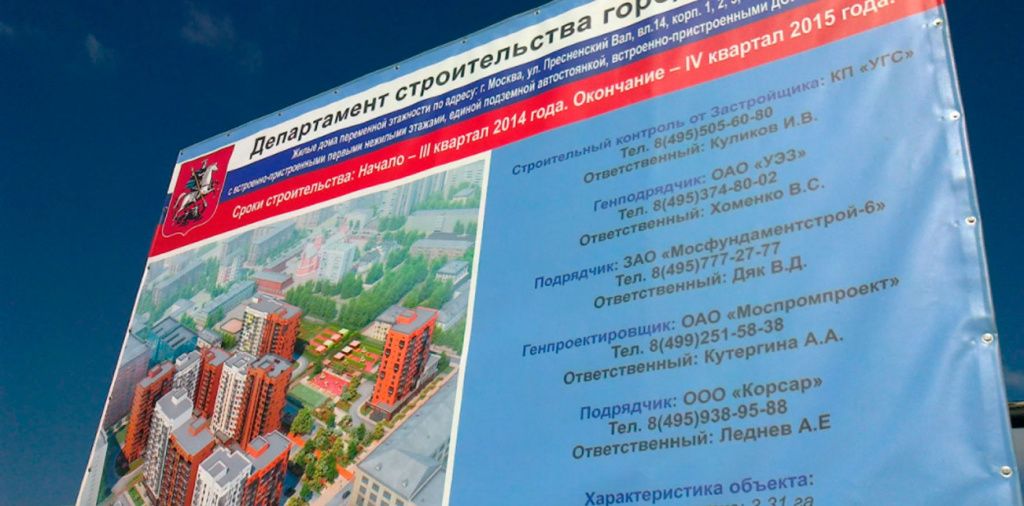
But these plans were not destined to be realized, or rather, not as planned. The factory buildings were demolished, and a brand-new residential complex quickly rose in their place. However, contrary to expectations, it turned out to be commercial, not municipal. Therefore, the apartments were put up for sale and gradually sold, while the residents of Kamushki were forced to wait until 2019, when their relocation to the new building on Mukomolny Proyezd finally began.
On August 1, 2017, Sergei Sobyanin, the current mayor of Moscow, ratified a housing renovation program that ultimately promises to impact one million Muscovites. It includes the relocation of more than 350,000 apartments from 5,173 buildings, while the number of starting sites for new buildings has increased from 351 to 361, with more to come.
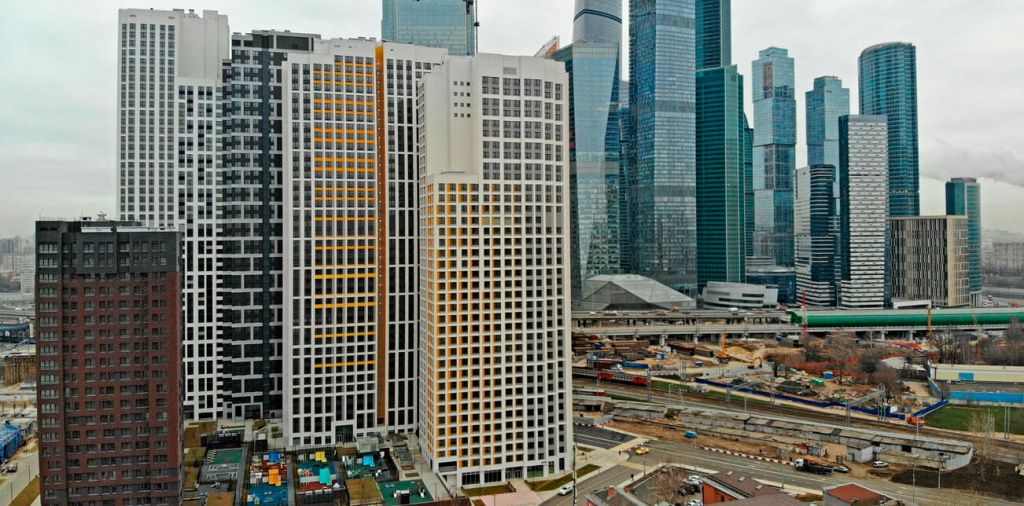
As a result, in 2017, the sites occupied by the five-story Kamushki buildings, built in the late 1950s, and the buildings under construction, were transferred to the renovation program. In 2019, the first high-rise building at 2 Mukomolny Proyezd, part of a residential complex consisting of five buildings of varying heights, was commissioned. Residents of buildings No. 20 and No. 10, located on 1st and 2nd Krasnogvardeisky Proyezd, respectively, are now moving into this building, as well as residents of buildings No. 7 and No. 9 on Antonova-Ovseenko Street. According to Alexander Potekhin, Head of the Renovation Department of the Moscow Department of Construction, all the necessary conditions have been created for the former Kamushki residents to celebrate the New Year in their new apartments, located in the same area, which has proven very important for many.
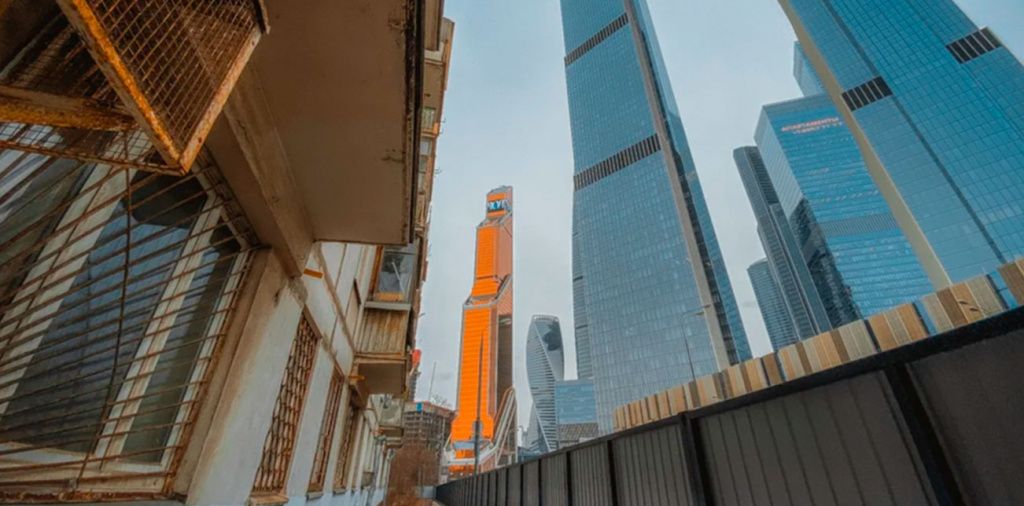
In November 2020, the neighborhood was almost completely surrounded by an iron fence, marking the start of preparatory work for demolition. Families from the five-story "Kamushki" buildings are finally moving into newly renovated apartments in the same neighborhood. 211 inspection orders had already been issued, of which 170 apartments received approval for registration. On November 27, another 242 families received their orders. To be fair, many were offered larger apartments than their previous ones. Those who resisted the offer were ultimately evicted through the courts. Nevertheless, the vast majority are quite satisfied with their new living conditions, although some find the comfort of quiet courtyards more pleasant than living in a high-rise building close to major highways.
Where are the residents of Kamushki being relocated?
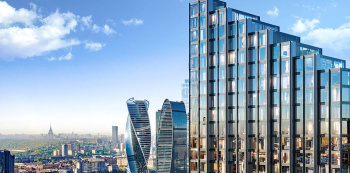
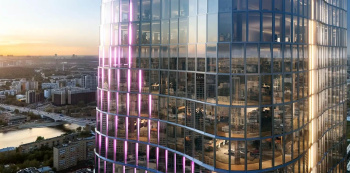
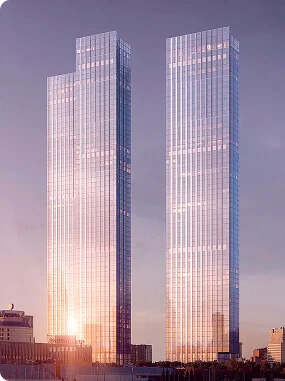
The new building, located at 2 Mukomolny Prospekt, was constructed using monolithic technology and consists of five sections. However, it is only one part of a large new residential complex. The building's facades are finished with materials with contrasting textures. Clinker brick, porcelain tiles, and natural stone were used. White was chosen as the primary color for the interior public spaces.
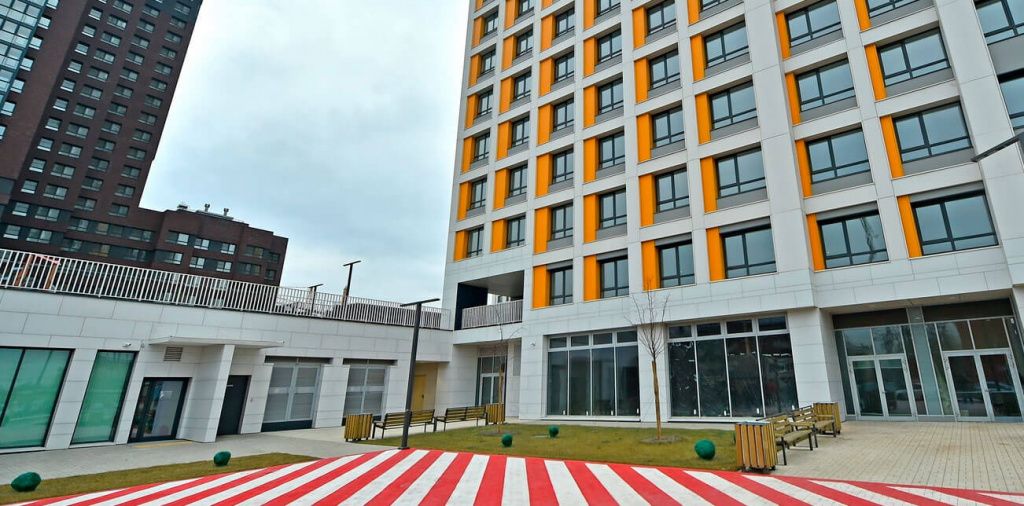
Fire safety was a key focus during the design of the residential complex being built on the site of a former factory. Therefore, automatic fire alarms have been installed, with signals sent directly to the Moscow Crisis Management Center of the Ministry of Emergency Situations of Russia. Additionally, the new buildings will feature:
-
internal fire-fighting water supply;
-
warning and evacuation control system;
-
diesel generator as a backup power source;
-
a landing pad for rescue helicopters on the roof of the building.
If necessary, even in an emergency, rescuers will be able to activate the building's elevators to quickly access the upper levels. Additionally, designated fire-safe zones have been created in the hallways on each floor, and automatic fire suppression systems have been installed.
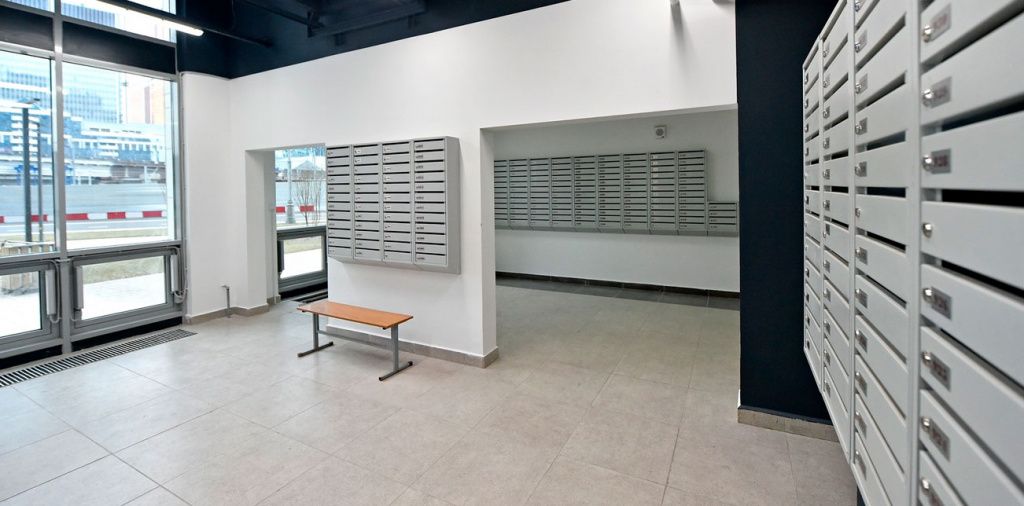
The building has 1,506 apartments with a total area of over 83,000 sq. m, of which:
-
1-room – 585;
-
2-room – 602;
-
3-room – 308;
-
4-room – 9;
- 5-room apartments – 2.
All apartments are handed over to owners who have received awards under the renovation program, with a complete comfort-class renovation. Furthermore, they are already equipped with all necessary appliances.
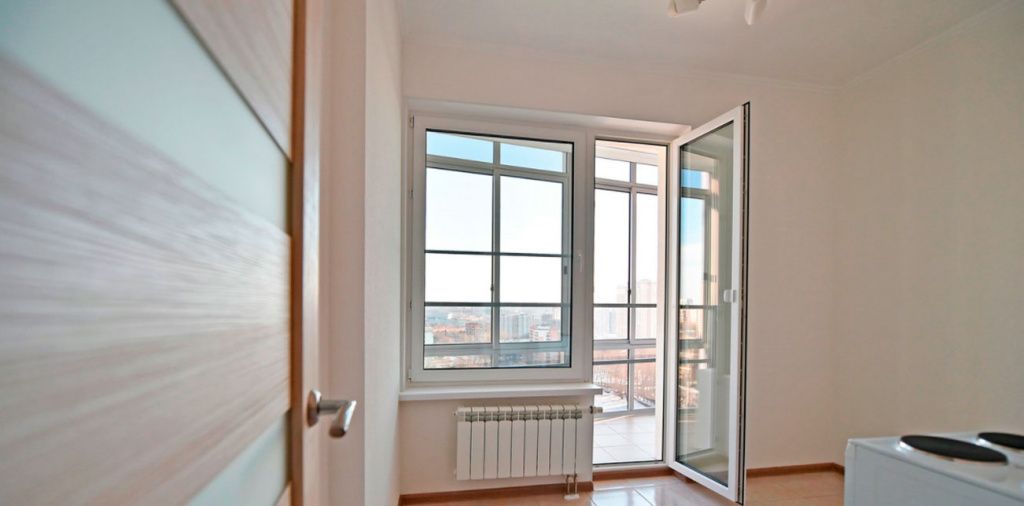
The complex will also boast its own well-developed infrastructure, enhancing residents' comfort and quality of life. The ground floors of the buildings are non-residential. They will house shops, beauty salons, a kindergarten with separate rooms for sports and music classes, creative studios, and sports clubs. A single-story parking garage is located beneath the building, and the outdoor parking lot offers additional spaces for people with disabilities.
The grounds surrounding the new complex have also been landscaped, adorned with trees and ornamental shrubs. The stylobate section is designated for a recreation area and a children's playground.
The complex also boasts excellent transportation links. The Shelepikha metro station, part of the Big Circle Line, is just 0.6 km away, as is the Shelepikha station on the Moscow Central Circle (MCC). The Testovskaya railway platform is also nearby, providing connections via the MCD to Tverskaya Zastava Square and Belorusskaya metro station in less than 10 minutes.
Meanwhile, in Kamushki...
Almost all of the Kamushki buildings have now been vacated, although some still have several apartments, and abandoned cars remain in the parking lot. Every day, the data center's tow truck delivers new tenants—more abandoned cars from other courtyards in the neighborhood. What awaits them next remains unknown.

In the near future, the five-story buildings that opened in the late 1950s will be slated for demolition. Meanwhile, homeless people and looters regularly attempt to break into the abandoned apartments, resulting in several fires. This has necessitated not only welding and sealing the entrance doors but also boarding up many of the ground-floor windows. The interiors of the old buildings are in disarray, although the condition of the entrance halls clearly reveals their age.
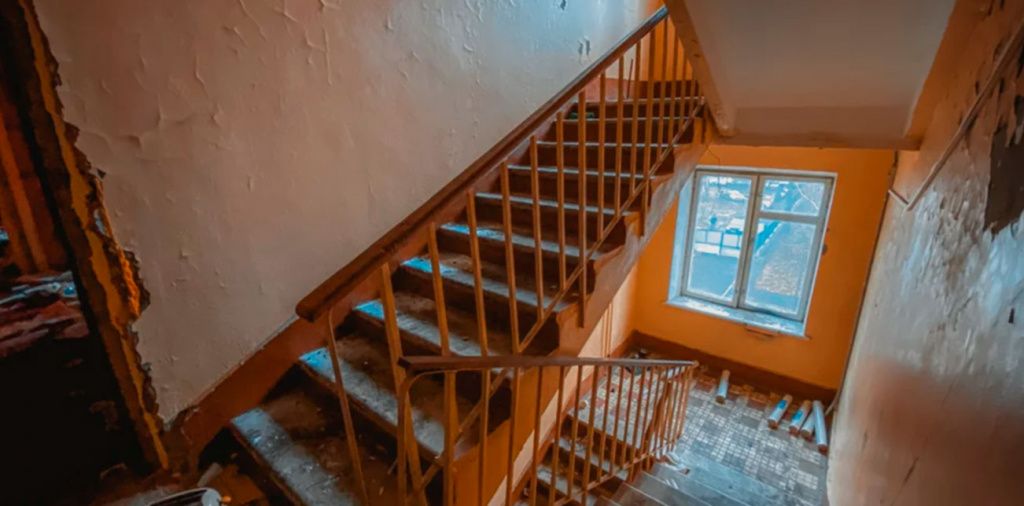
All the apartments have been opened by utility services, and their doors stand neatly side by side. Peering into the empty apartments, the difference in interiors is striking: some have undergone European-style renovations and modern remodeling, while others have barely even undergone cosmetic repairs. A particularly distinctive feature of the "Kamushki" apartment buildings is the gas water heater installed in almost every apartment, as they were never connected to hot water. These water heaters often look like dinosaurs, having seen much of their time, and, combined with abandoned iron mugs and Soviet-era lampshades, they create a striking contrast with the towering skyscrapers of the City visible outside the window, where apartments and offices cost tens or even hundreds of millions of rubles.
The lack of renovations and new appliances in many apartments is not surprising, as people waited a long time for the promised relocation and saw no reason to renovate the condemned buildings. But very soon, these five-story buildings will be replaced by pits for new, modern construction.
Personal history
One of the resettled residents of Kamushki was Rais Ramazanov, who had lived at 10 2nd Krasnogvardeisky Proezd from his earliest days. His children and grandchildren also lived there. He recalls that his family home was built back in 1962. It had wooden floors, and the apartments were too small for large families, not to mention the tiny kitchen and combined bathroom.
According to Rais Ramazanov himself, he eagerly awaited the completion of the paperwork and the move into his new home, although he initially didn't believe that this modern new building, whose construction he observed daily from his home, was intended for the residents of Kamushki. Rais recalls that they had previously been promised resettlement in different districts and neighborhoods, and there had been talk of building a residential complex near Kamushki on the site of a sugar factory. But there was no talk of relocation. Therefore, when the relocation notice arrived, his entire family was very surprised and ready to immediately drop everything and move into the new house, even unfurnished.
Going back
Since the Kamushki neighborhood, squeezed by the enormous Moscow-City interchange, will never be the same again, it's worth paying tribute to its quiet, cozy courtyards, solid brick buildings, and the calm, measured life with children playing soccer and pensioners strolling sedately. Such a scene is rare today in constantly evolving Moscow, and the Kamushki neighborhood was one of the last to preserve these fading traditions.
As early as 1915, the site of today's Moscow City was home to the Dorogomilovskie limestone quarries, and Dorogomilovo itself was located on the opposite bank of the Moskva River. However, there is a theory that the quarries were previously used as underground prisons. The site of today's Tower 2000 and the Bagration Bridge was once home to the Dorogomilovskoye Cemetery, whose destruction began in 1939. Burials there were transferred to the Novodevichy, Vagankovskoye, and Vostryakovskoye Cemeteries. Furthermore, until the 1990s, when construction of the Third Ring Road began, the Bryansk Transfer Line existed here, connecting today's Kyiv (former Bryansky) and Belorussky (former Brestsky) railway stations.
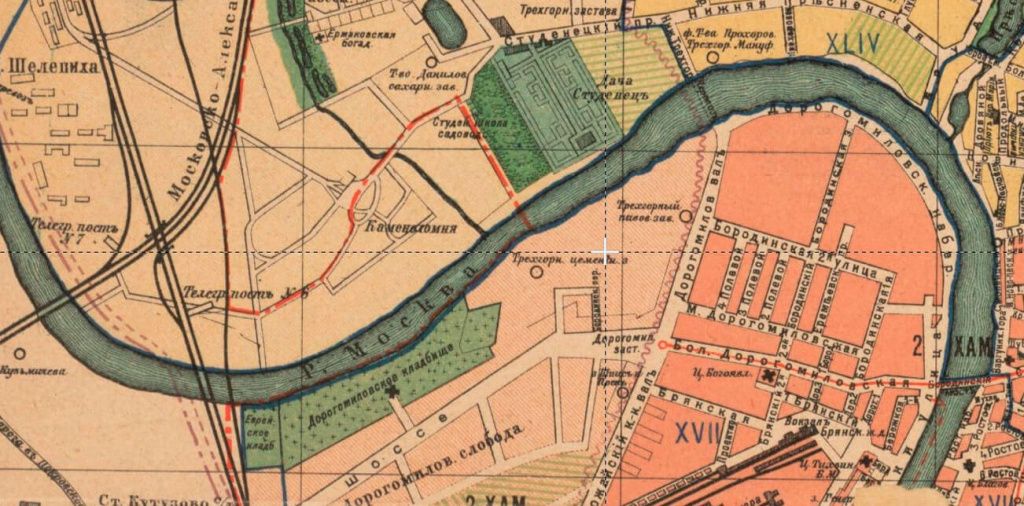
As early as 1925, the neighborhood was named "Kamushki," although at that time there were no residential areas. The first of these appeared only in 1968. Most likely, the neighborhood's name was taken from the "Kamushki" passenger car yard, which local railroad workers simply called "Post Kamushki" in memory of the quarries that once existed there. This yard was located at the site of five parallel railroad tracks running between the embankments of the Bryanka and Okruzhnaya highways. It was irrevocably lost, along with two railroad bridges of the Bryansk line, in 1998, when the decision was made to build the Third Transport Ring (TTR) here.
The well-built brick Kamushki apartment buildings had no elevators, although they were later installed in buildings that had already stood for several decades. They also lacked hot water, so residents had to arrange this individually, leading to the installation of gas water heaters in most apartments.
Nevertheless, Kamushki has always been famous for its charming, quiet courtyards. Today, the majority of the neighborhood's residents are pensioners, who, incidentally, have mixed feelings about Moscow City and the need to move. Some chatter enthusiastically about the towering skyscrapers rising outside their windows, built before their eyes, while others wistfully speak of the need to leave the familiar walls within which they've spent their entire lives.
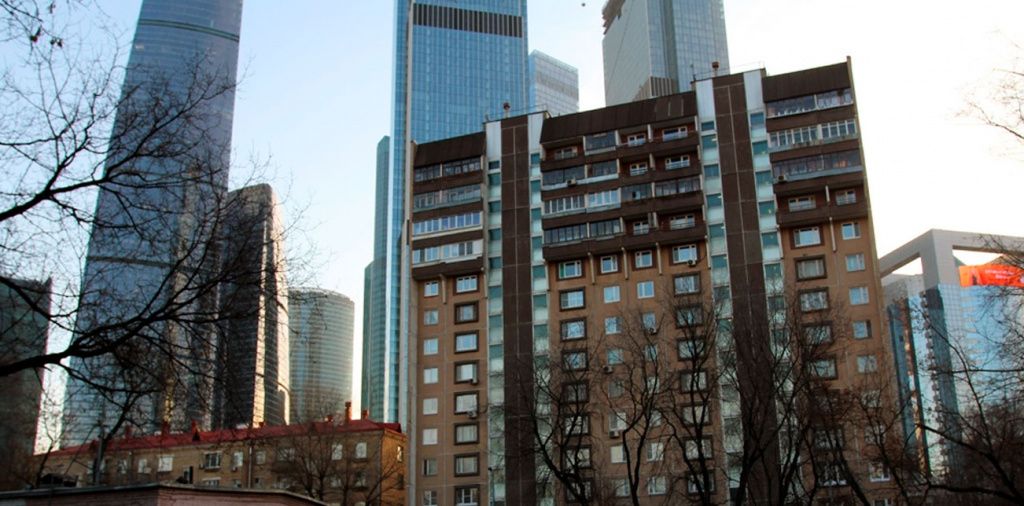
A little further away from the five-story brick buildings stands a more modern 14-story, two-entrance panel building of the I-1168 series, built in 1991. Some of the old-style windows still remain. It may not be affected by renovation, but the nearby 1967 block-type rarity—incidentally, the only residential building of the I-510 series in this neighborhood—is unlikely to be overlooked.
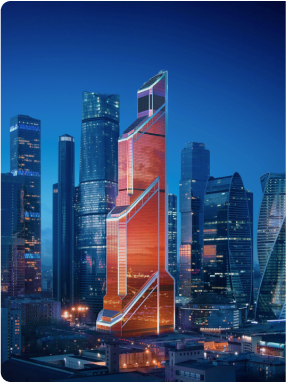
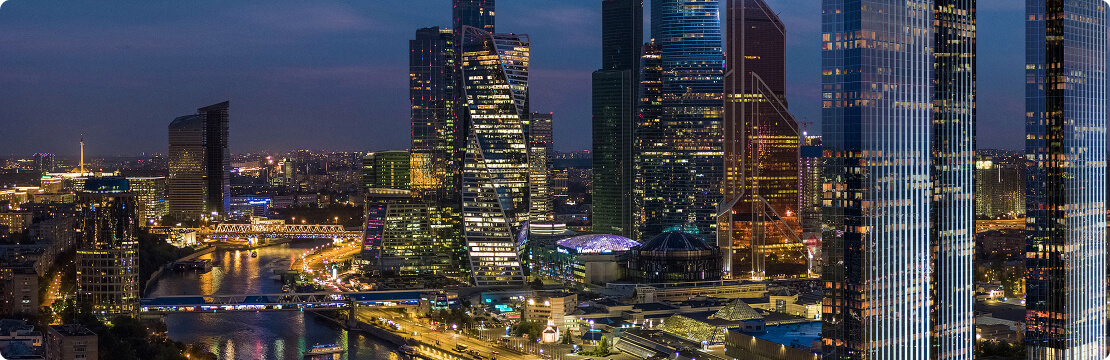
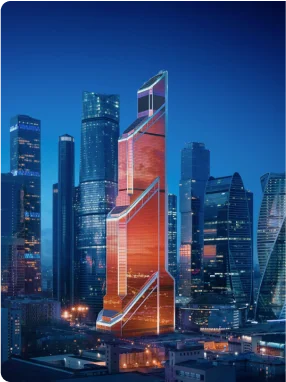
Thus, the Kamushki microdistrict in its current form will soon cease to exist. In place of the old buildings, which look like Lilliputians next to the grandiose Moscow-City, a modern high-rise complex will appear, which will fit seamlessly alongside the Mercury, Eurasia, Federation, OKO, and other towers.