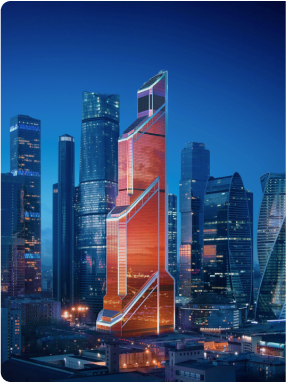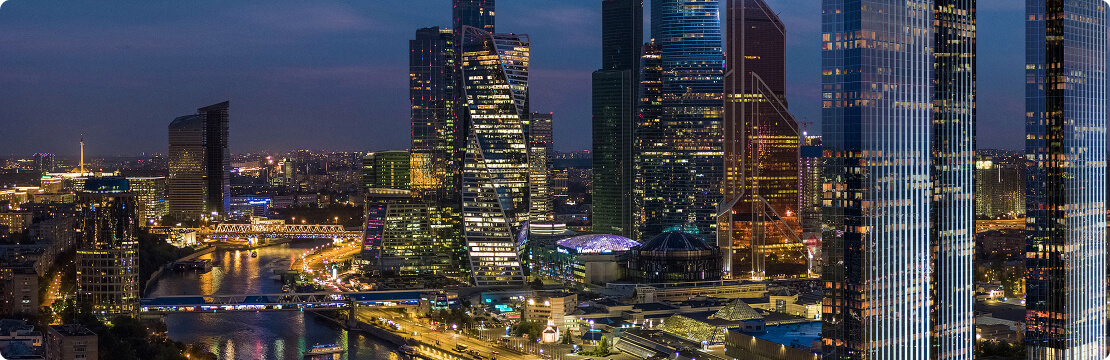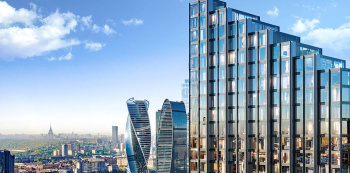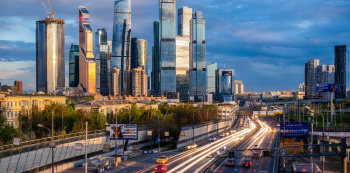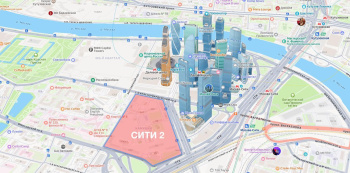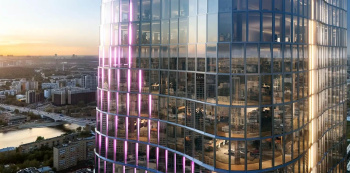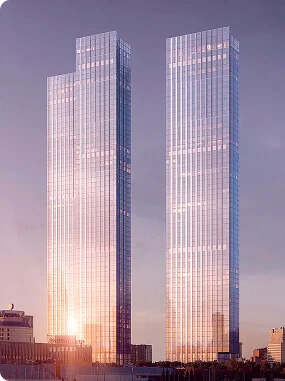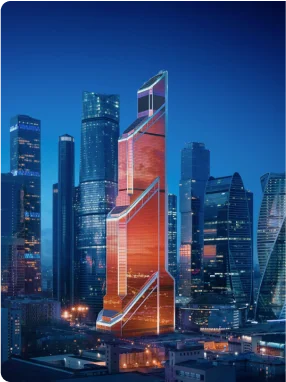



Construction of a new residential skyscraper, called "Dau House," will begin in the Moscow International Business Center "Moscow-City." The 340-meter-tall structure will be constructed of a combination of glass and metal. This information was disclosed by the press service of the Association for the Development of Steel Construction (ARCC), which also reported that the building's design was created by the SPICH architectural bureau.
The planned 85-story building will serve multiple functions: in addition to residential space, the complex will include a children's recreation center, office space, a café, retail space, and multi-level parking.
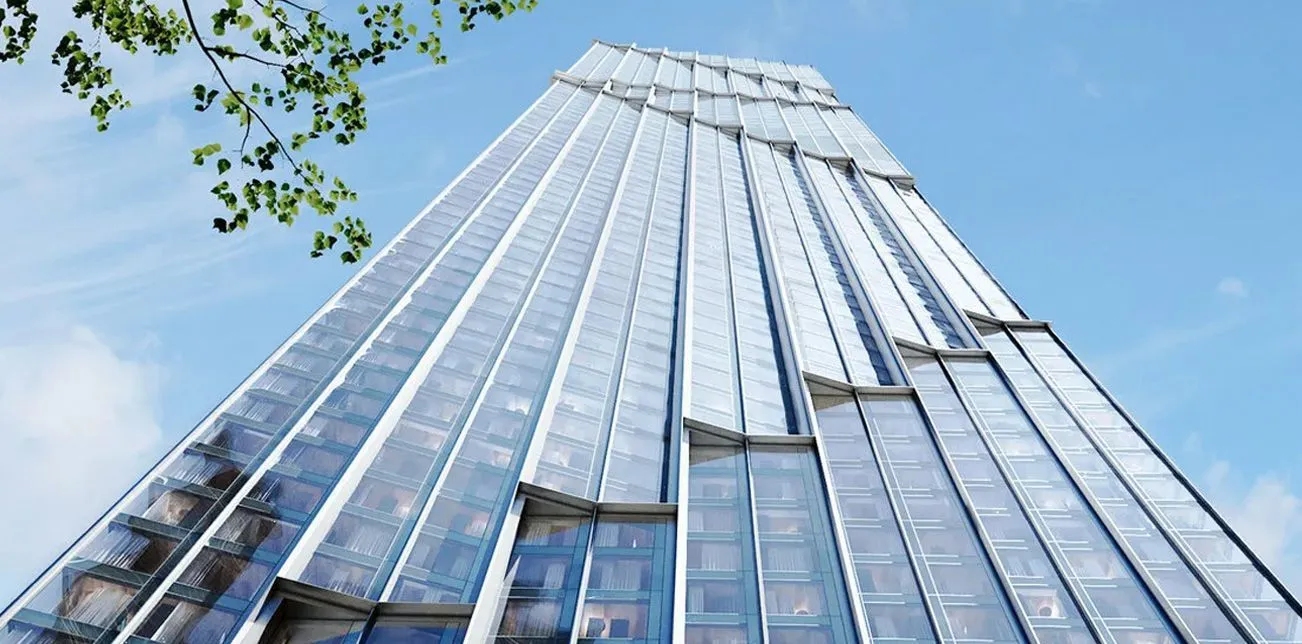
Sergey Tchoban, one of the founders of the SPICH bureau, emphasized that the project's goal was to create a tower that would align with modern high-rise construction trends, while also having a recognizable silhouette and a dynamic façade capable of adapting to changes in the environment and lighting. Therefore, glass and metal, traditionally used for high-rise construction, were chosen for the building's cladding.
Choban also noted that metal elements will add unique architectural features to the building. For example, numerous vertical bars, presented as metal mullions, will emphasize the building's striving for height, while decorative triangular consoles, positioned diagonally and forming a spiral, will give each façade its own unique character. As a result, the building will be perceived differently depending on the viewing angle.
ARSS press service representatives recalled that projects in the Moscow City district have already been completed where metal was used not only for cladding but also as the primary framework. Examples include the Naberezhnaya Tower complex and the Eurasia Business Center. The 309-meter Eurasia Tower is one of the tallest buildings in Europe with a metal frame, requiring over 29,000 tons of steel structures, including 2,300 columns and 9,000 beams.
The ARSS noted that the use of metal structures in the construction of high-rise buildings allows for more precise design and the creation of a variety of planning solutions.
ARSS CEO Alexander Danilov emphasized that steel-frame construction is gaining popularity among Russian developers, thanks to the Russian Ministry of Construction's new strategy and the advantages of metal structures. Key advantages include accelerating the construction process by 2-6 months and eliminating load-bearing walls, which allows for a variety of layouts and increases the building's marketable area by 10%. Furthermore, such buildings are more durable, environmentally friendly, and earthquake-resistant. Their construction is also cheaper due to the reduction in wet work, machinery, and the number of workers on site.
We previously wrote about the 85-story residential complex "Dom Dau" near Moscow City.