



The family of former Syrian President Bashar al-Assad purchased 19 luxury apartments in the Moscow City business district between 2013 and 2019. According to the Financial Times, the total value of the properties was approximately $40 million (approximately 4 billion rubles).
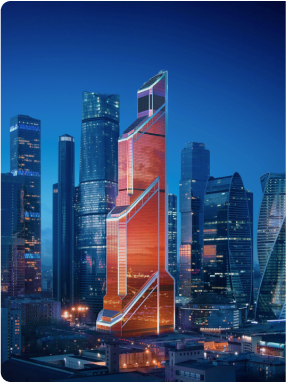
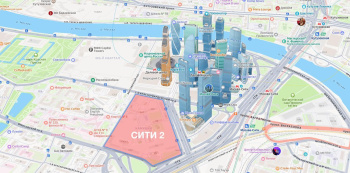
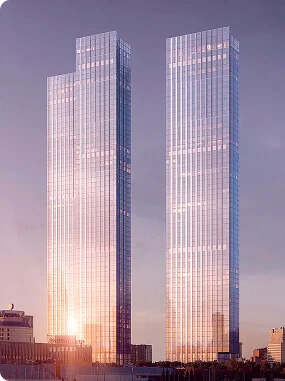
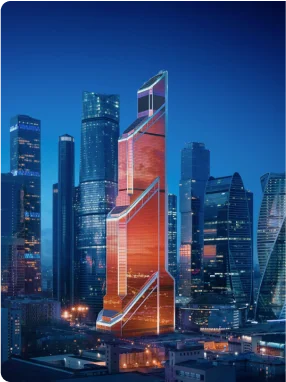
The majority of the properties—18 units—are located in the prestigious "City of Capitals" complex. Another apartment is in the "Federation" Tower. According to public records, most of the properties are registered to Bashar al-Assad's cousin, Hafez Makhlouf, or to companies under his control. In addition, the wife of another family relative, Rami Makhlouf, purchased two apartments.
Some of these premises are already used as residential space. For example, one of the apartments belongs to Assad's cousins, twin brothers Ihab and Iyad Makhlouf. In 2015, Hafiz Makhlouf purchased a three-room apartment near the business center.
Peculiarities of choosing a district
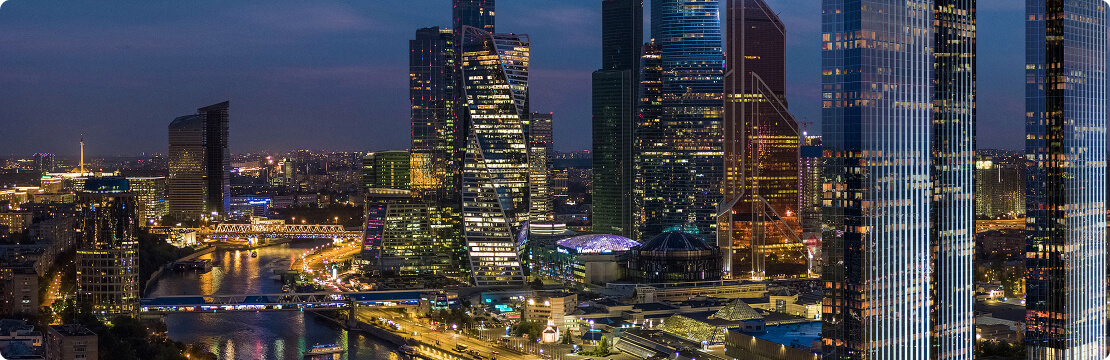
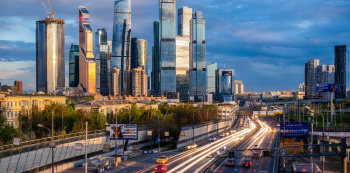
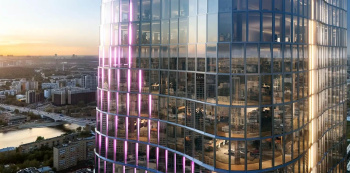
Moscow City is one of the capital's most prestigious residential and business districts, renowned for its modern architecture, high level of security, and developed infrastructure. The complexes include apartments with panoramic city views, offices, restaurants, shops, and fitness centers. This combination of amenities makes the area attractive to wealthy owners.
Acquisition context
Real estate experts note that the choice of a district may be driven not only by its prestige but also by the desire to ensure maximum privacy. Property owners in Moscow City enjoy a high level of privacy protection, which is especially important for clients with international status.
Information about these transactions became publicly available thanks to journalists studying data on international real estate purchases. According to them, interest in luxury apartments in Moscow has grown significantly among foreigners, making Moscow City an international magnet.
Thus, the acquisition of real estate in this area demonstrates the Assad family's commitment to choosing high-quality housing in a convenient location with modern infrastructure.
We previously wrote: