




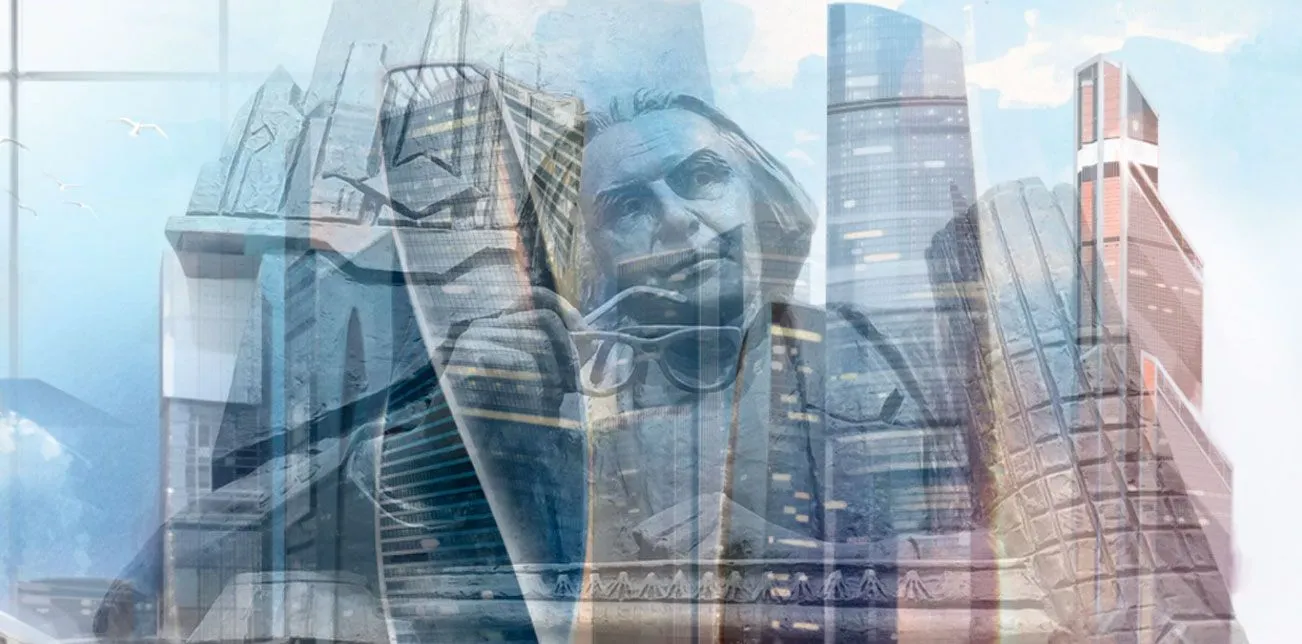
Today, Moscow City, which less than 20 years ago seemed like a pipe dream, is an objective reality. Its numerous skyscrapers are bustling with activity, billions of rubles are circulating, the most high-profile deals are being made, the most prestigious establishments are opening, and the country's wealthiest people are buying homes. Meanwhile, the towers, built across 60 hectares of a former industrial zone, impress not only with their scale but also with their extraordinary, creative architectural solutions.
Many dream of feeling part of these colossal structures, while others would rather not live and work in them, yet absolutely everyone can't help but gaze upon these truly magnificent buildings. Behind each one lies painstaking work, not only by the construction crews, but first and foremost by the architects who meticulously planned and meticulously calculated every detail of these future vertical cities. Therefore, we decided to highlight the people who helped make the dream of Moscow City a reality.
Tower 2000 and the Bagration Bridge are the first signs for which we owe Boris Thor
Boris Ivanovich Thor originated the idea of constructing a vast business center on the site of former quarries and an industrial zone, located practically in the very center of modern Moscow. He envisioned it as helping to alleviate the burden on the capital's historic center and becoming a hub of business activity and comfortable living.
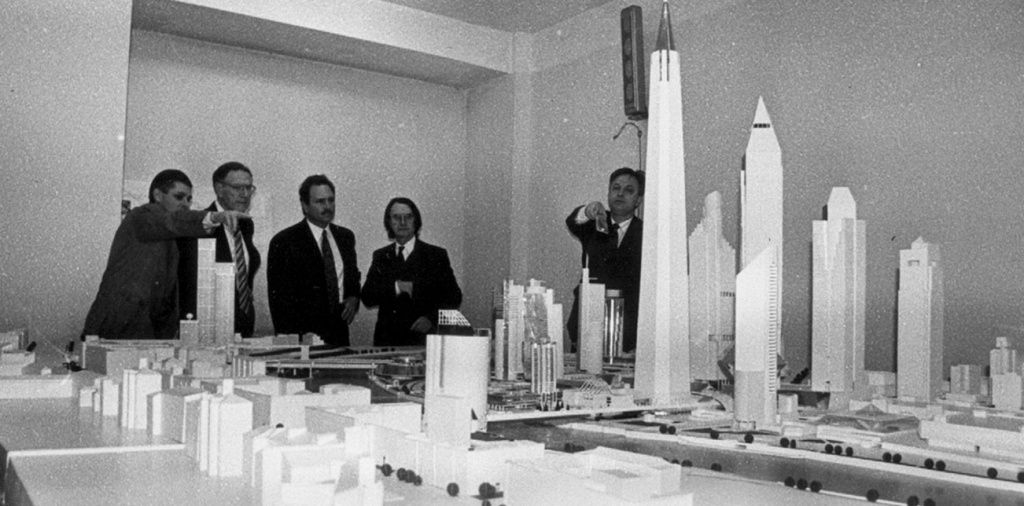
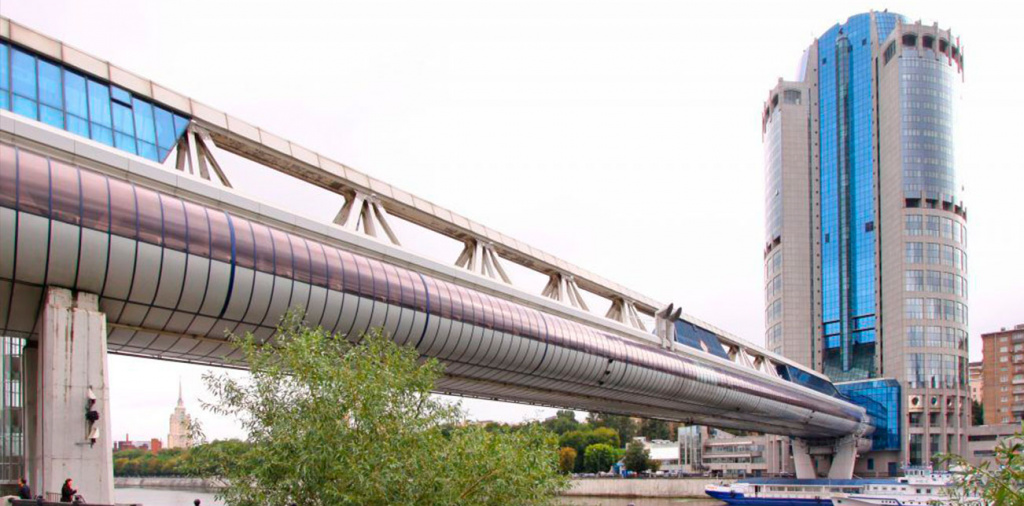
He created a design for the future Moscow City, arranging skyscrapers in a spiral, with the central portion designated for public space. The design was ultimately approved, and preparations for its implementation began in 1991. It wasn't until 1996 that construction began on Tower 2000 and the connected Bagration pedestrian bridge. Incidentally, these are the only projects realized according to B. Thor's vision.
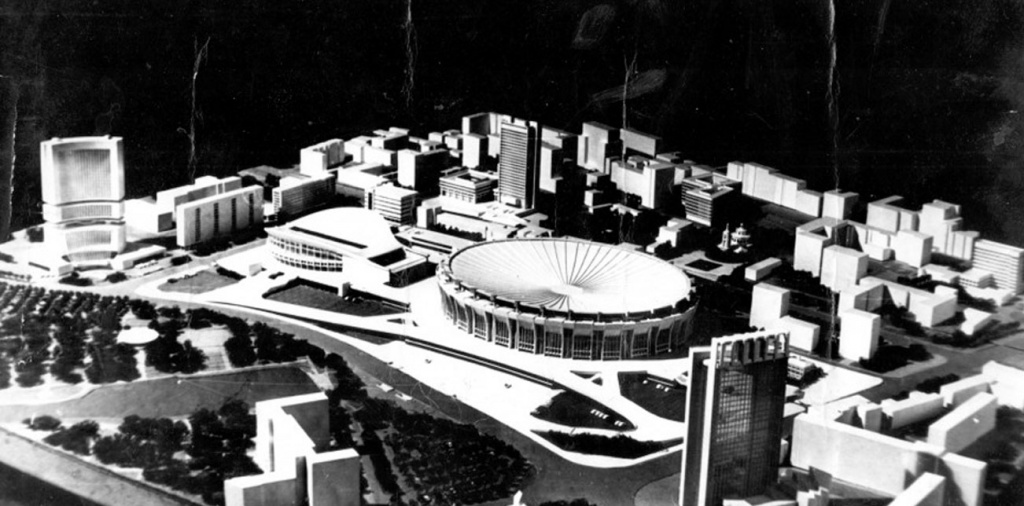
Boris Ivanovich himself was born on February 22, 1929, in the Krasnodar region, so he was 67 years old when his idea began to be realized. In 1946, he entered and successfully graduated from the Moscow Architectural Institute six years later. B. Thor worked extensively for the benefit of Moscow and authored designs for not only 12 monuments but also the Olympic Sports Complex, the modern Vorobyovy Gory and Tverskaya metro stations, and the Palace of Soviets.
He worked for several years at the leading design and survey company Metrogiprotrans, from where he transferred to the State Unitary Enterprise Mosproekt-2 and immediately became head of Workshop No. 6. He designed the State Kremlin Palace, Novy Arbat Street, and the Novy Arbat Bridge, and also participated in the design of a shopping center in the resort town of Pitsunda (Abkhazia), as well as pavilions representing countries at the World's Fair held in Montreal. By 1981, he had become an Honored Architect of the RSFSR, and a year later, a laureate of the Lenin Prize, the highest award for achievements in science, architecture, and art.
It was his designs that led to the reconstruction of the residential areas of Sretenka and Tsvetnoy Boulevard, the construction of the School of Dramatic Art theater, and much more. But the Moscow City project is perhaps the pinnacle of his professional achievements, which, despite the fact that only two buildings were built according to the original plan, will immortalize Boris Ivanovich Thor in the history of Russian architecture.
In 1998, he was removed from the project's management, offered a position he could not accept. In 1999, he was awarded the title of Honorary Builder of the City of Moscow. In 2002, he resigned from government service at his own request. Ten years later, on July 19, 2009, the architect died in his beloved capital. But by this time, the Bagration Bridge (1997) and Tower 2000 (2001), built to his designs, had already been commissioned, so he was able to see the results of his work firsthand. Today, a memorial plaque dedicated to the great architect hangs on the Bagration Bridge.
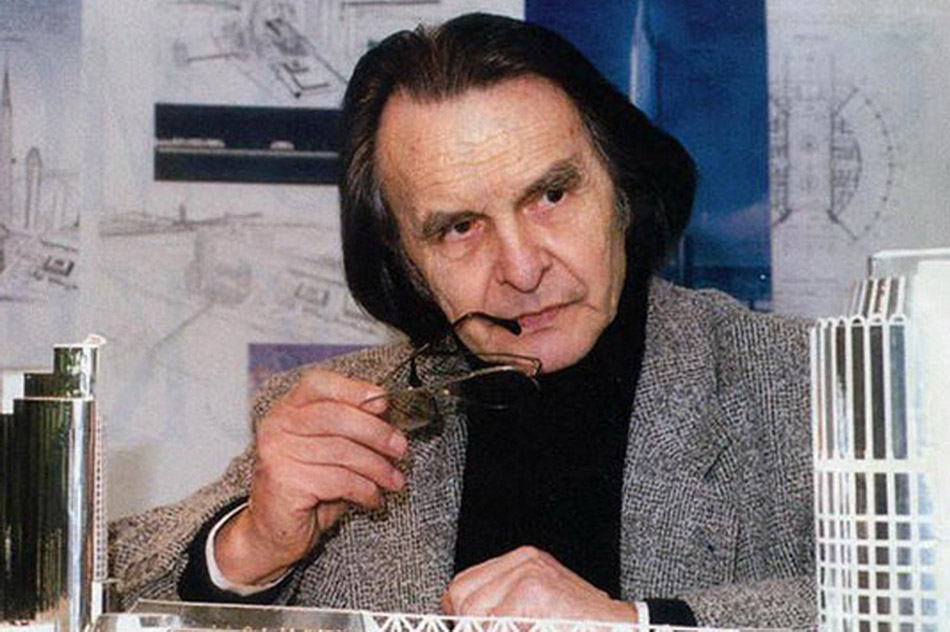
B. Thor planned to create skyscrapers of varying heights that would not overshadow but rather harmoniously complement each other. But with his passing, commercial interests prevailed, resulting in the abandonment of the public park plan, and the sites were developed by individual developers.
The Eurasia Tower and the architectural firm that designed it, Swanke Hayden Connell Architects
The next project in Moscow City's history was the Eurasia Tower . Construction began in 2002, and the skyscraper, with its elegant forms and green panoramic windows that stand out from the rest of the buildings, was designed by the international architectural firm Swanke Hayden Connell Architects (SHCA).
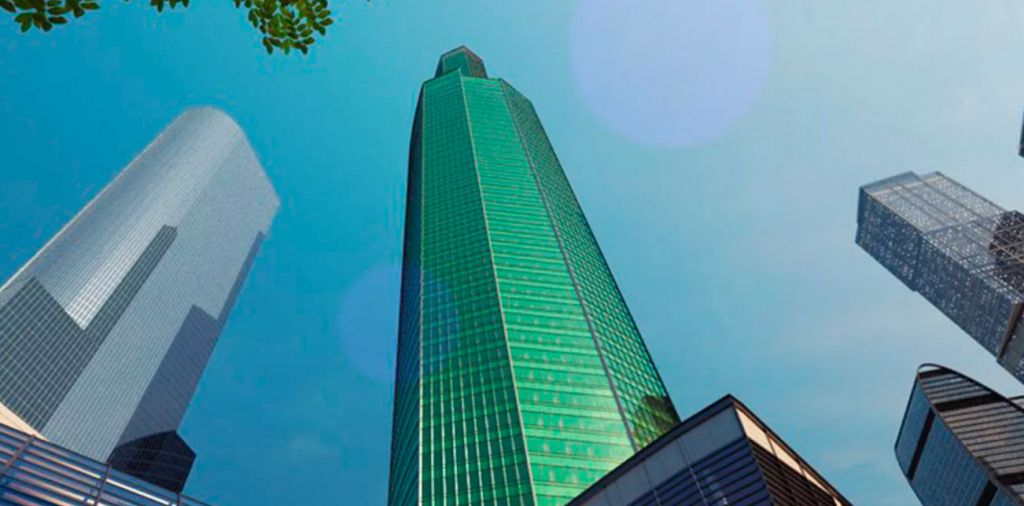
The project was completed by 2004, although construction began much later due to scandals and litigation. The architectural firm SHCA itself was founded in 1906 in New York City. Gradually, its offices began opening around the world, and by 2001, it was among the largest in the world and enjoyed an excellent reputation internationally.
SHCA participated in the design of the Trump Tower in New York, the restoration of the Statue of Liberty, and the Capitol dome in West Virginia. Its completed projects include the Americas Tower, the FDNY training center, Tower 45 in New York, Tekfen Tower in Istanbul, and many other projects. In Russia, in addition to the Eurasia Tower, SHCA designed the Slava mixed-use complex, the Crystal residential complex, the Novokosino shopping center, and the Paradise Living residential complex.
The company repeatedly won and won architectural competitions. However, in 2015, SHCA went bankrupt after its Russian client failed to pay its fee of over $2 million.
The Embankment Tower is the result of the work of Inan Vehbi and Ostürk Olcay (Ozce)
The Naberezhnaya Tower was the next project in Moscow City, with construction beginning in 2003. The complex's three slender, high-tech towers were designed by architects Vehbi Inan and Olcay (Özce). The former is an employee of the Turkish company Enka. He was born in 1975 in Istanbul but received his education at the Helsinki University of Technology, where he earned a Master's degree in architecture.
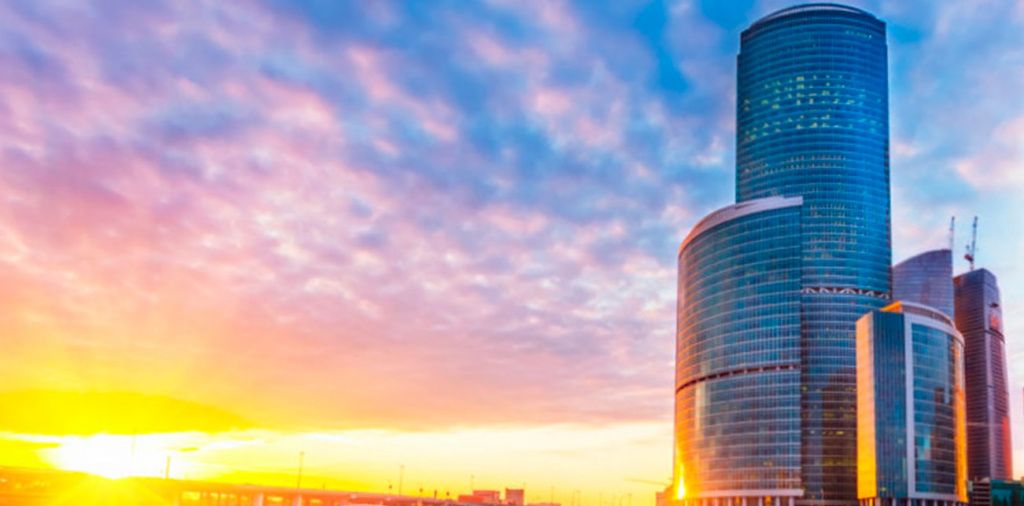
Özce Östürk studied and successfully completed her studies at Istanbul Technical University, including a master's degree. In developing her projects, she considers the psychology of human behavior in the city, as well as the impact of urban space on human behavior. Östürk Östürk has worked on projects for hotels, a hospital, a university campus, and private residences.
Capital City and IQ Quarter – NBBJ projects
The award-winning American global architectural firm NBBJ designed one of Moscow City's most striking multifunctional complexes, "City of Capitals." Founded in 1943, the firm now has offices in many of the world's largest cities. It has supported the "Architecture 2030" initiative and is already on track to create only carbon-neutral buildings by 2030. NBBJ was even named one of the most environmentally friendly architectural firms in the United States by Engineering News-Record magazine.
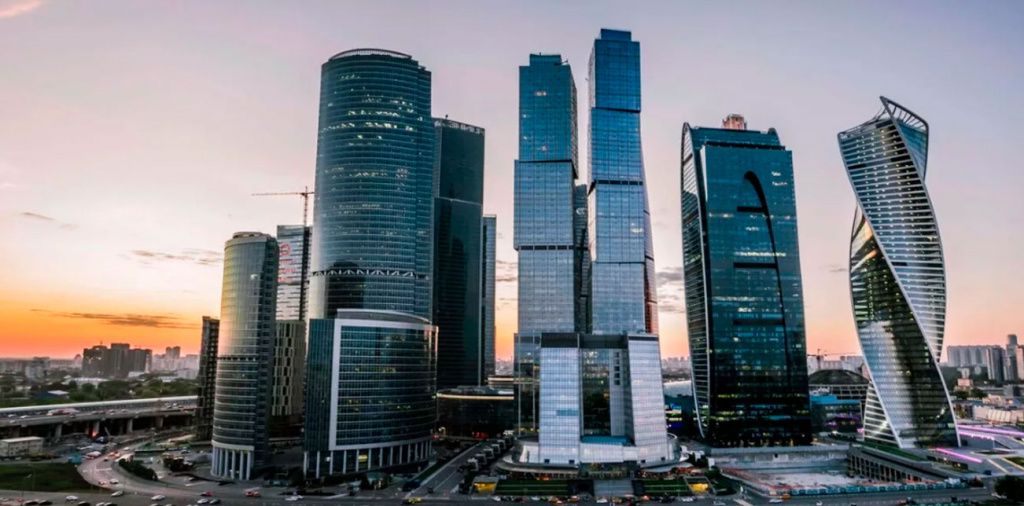
NBBJ, and specifically architect Giovanni Corradetti, also designed the Imperia multifunctional complex. Prior to that, the firm had developed numerous completed projects in various sectors, including healthcare, higher education, science, and Civic Center, not to mention corporate buildings. It designed projects for such buildings as Reebok, Boeing, Samsung, Banner Health, the Dubai Mall medical center, the US courthouses in Seattle and Bakersfield, and many others.
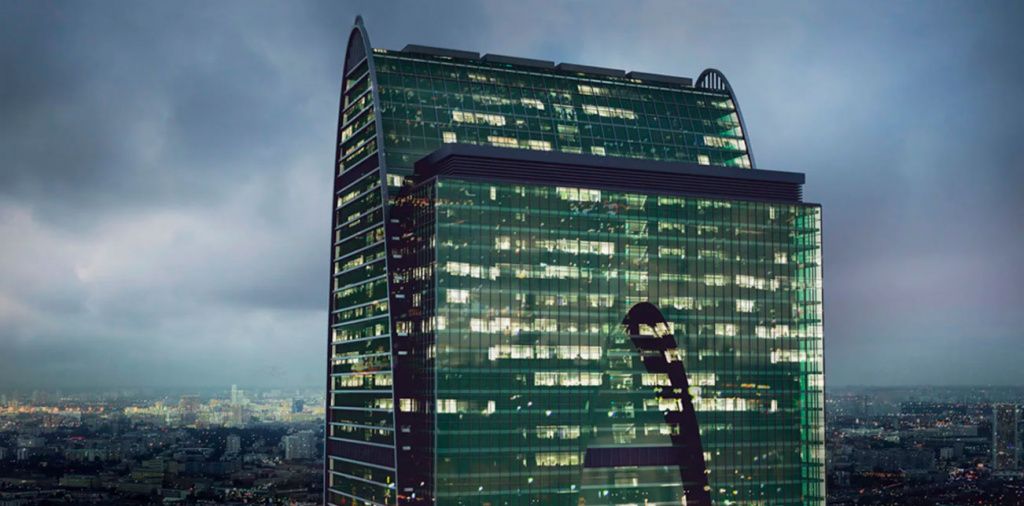
The Federation Tower is a grandiose project by Sergei Tchoban and Peter Schweger.
The next project to be launched was the Federation Tower . Its East Tower subsequently became the tallest of all Moscow City skyscrapers. The concrete slab forming the foundation is of unprecedented size, earning it a Guinness World Record.
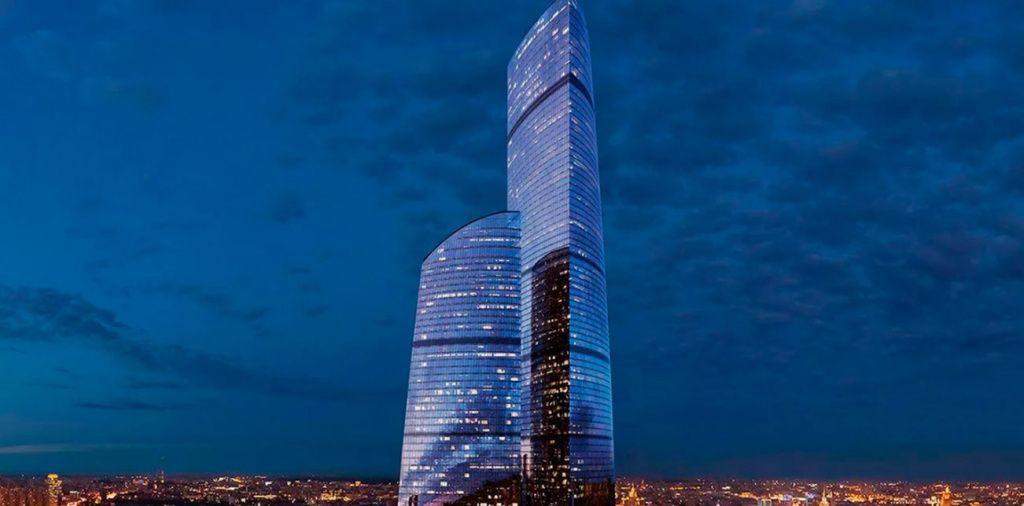
Sergei Tchoban and Peter Schweger worked on the design of the famous Federation Tower. Sergei Tchoban is a recognized master of precise facades. His name is known not only in Russia but also in Germany, where shortly after moving to Germany, he not only joined a successful architectural firm but also became a partner, and later headed its main branch. He is currently a member of the Association of German Architects (BDA). In Russia, he is also a member of the Union of Architects and Artists, an academician of the Moscow branch of the International Academy of Architecture, and an honorary academician of the Russian Academy of Arts, and the recipient of numerous awards. Today, the architect is the managing partner of the SPEECH studio. In 2018, Sergei Tchoban received Europe's premier architectural prize, the European Prize for Architecture, although he has previously received numerous other awards.
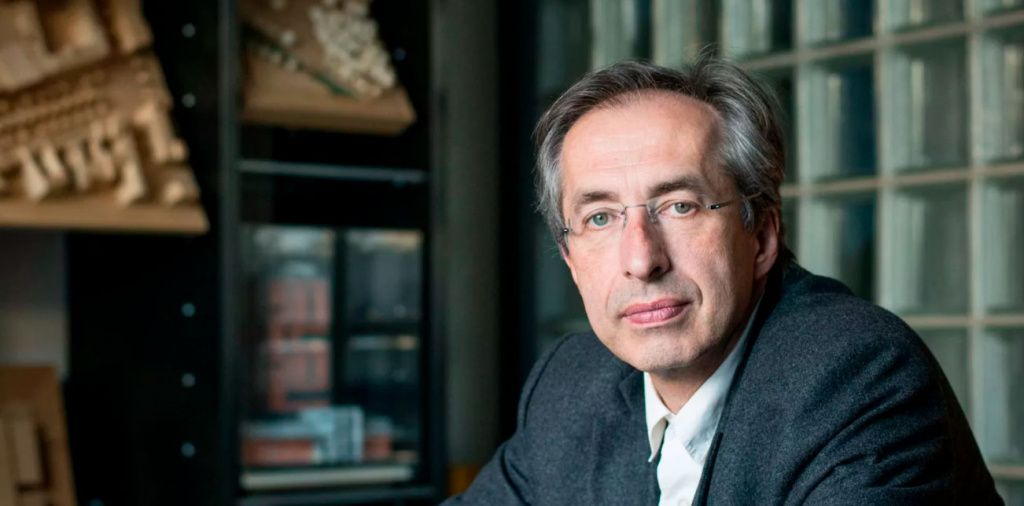
The second architect who worked on the Federation Tower project, Peter Schweger, is an equally renowned German architect with extensive experience in skyscraper construction. He not only won numerous architectural competitions but also founded his own architectural practice, later becoming the head of one of Germany's largest architectural firms, with branches in cities around the world. His designs have significantly transformed modern Berlin, Frankfurt, and many other cities.
The Northern Tower, designed by Design Institute No. 2
The Northern Tower mixed-use complex is one of the lowest-rise buildings in Moscow City. Its design was developed by Moscow's leading design firm, Design Institute No. 2, whose history began over 70 years ago. Today, it is a large organization with over 120 experienced specialists in various fields. The company specializes in comprehensive design for businesses across various industries, integrating both the best domestic and international technologies.
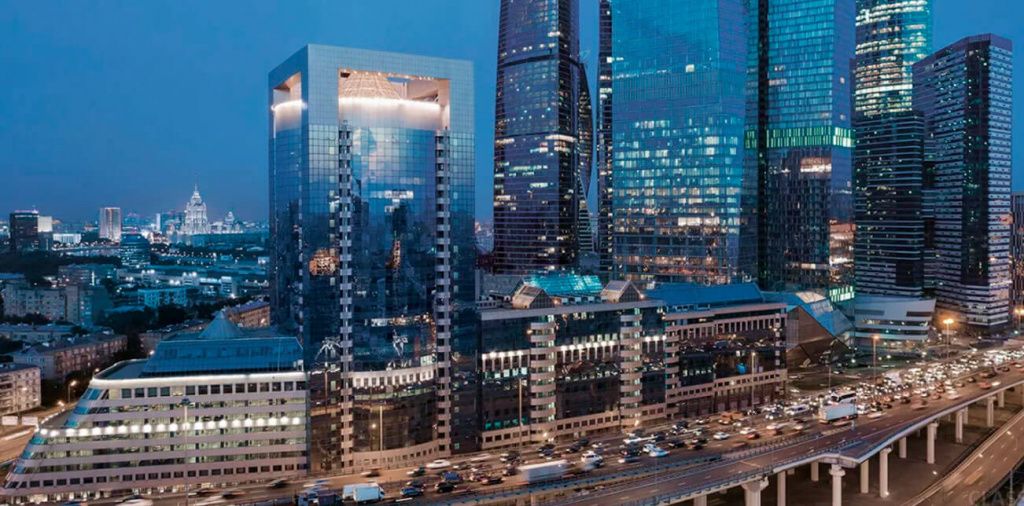
The Evolution Tower and the Sensorium Hall concert complex are the work of Filipp Valerievich Nikandrov.
One of the most striking and memorable skyscrapers in Moscow City, thanks to its spiral shape, is the Evolution Tower, designed by Philipp Valerievich Nikandrov, known for his extravagant ideas. The young and ambitious architect graduated with honors from the Faculty of Architecture at the Leningrad Institute of Civil Engineering in 1993. A year later, he joined the Union of Architects of Russia, and meanwhile participated in architectural competitions and projects for St. Petersburg under the direction of Yury Mityurev.
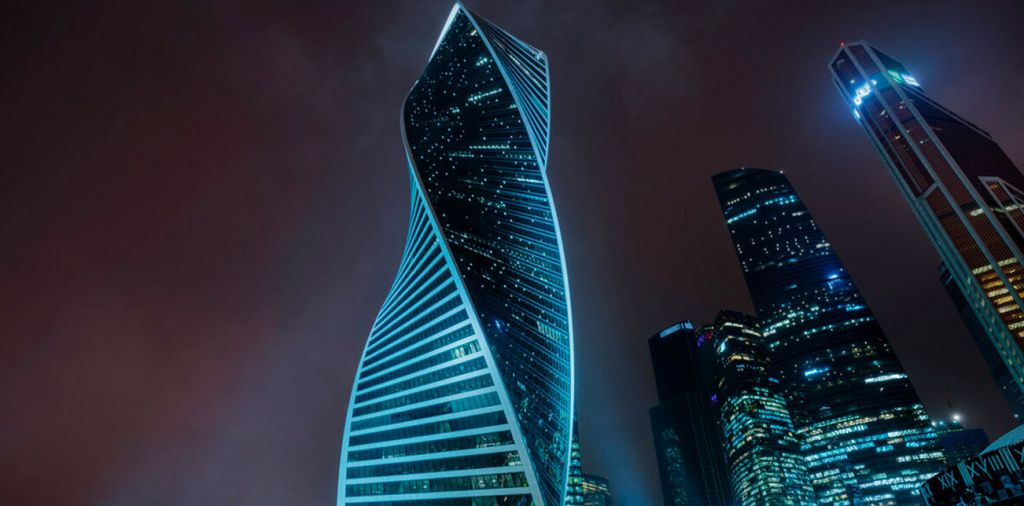
Nikandrov subsequently joined the Scottish architectural firm RMJM and won an international tender to design a project for Moscow City. He later became the head of the firm's design team and subsequently developed the concept for the Lakhta Center development in St. Petersburg. He also designed the extraordinary design for the city square in front of the Evolution Tower, as well as the Sensorium Hall concert complex, whose façade is adorned with the largest clock in the world.
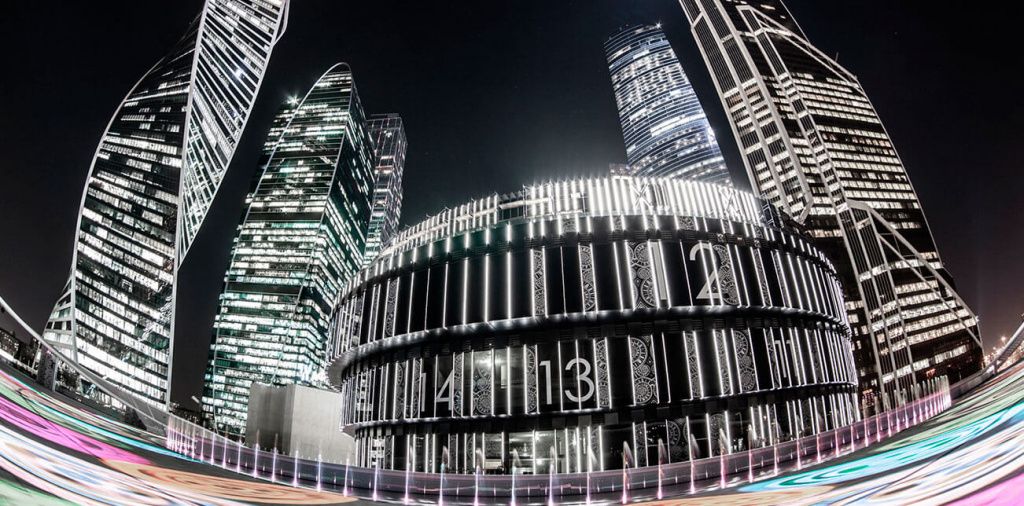
Today, he is one of Russia's leading specialists, and all of his projects are not only futuristic but also completely unique. Perhaps this is why F. Nikandrov was entrusted with the design of Gazprom's headquarters.
Mercury Tower, a project by Frank Williams, Mikhail Posokhin, and Gennady Sirota
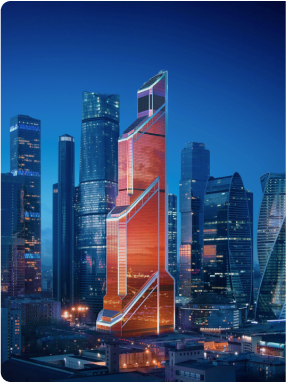
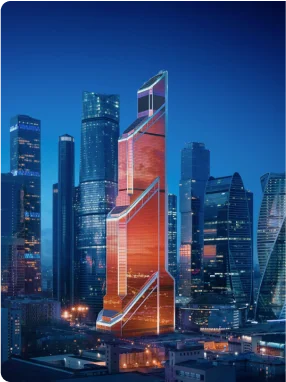
The Moscow-City Golden Tower, like the Afimall City shopping center, was designed by Mosproekt-2, a state-owned enterprise led by Mikhail Posokhin. Renowned architects such as Gennady Sirota and Frank Williams were also involved in the project. Posokhin himself, a recipient of numerous government and public awards, decorations, and medals, an academician of the Russian Academy of Arts, and a People's Architect of the Russian Federation, also participated in the Mercury Tower project.
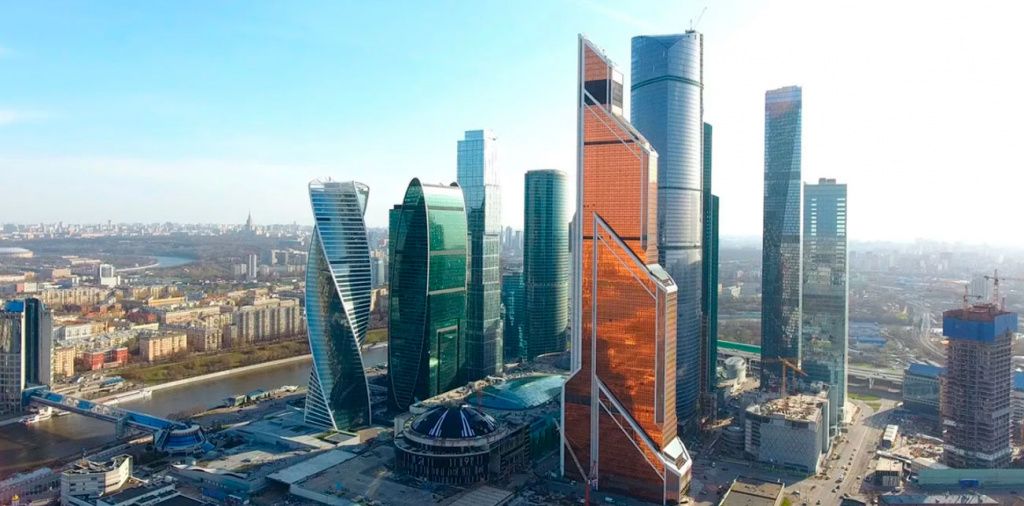
However, the project's chief architect was Gennady Lvovich Sirota. Before working on the Mercury Tower, he collaborated with B. Thor on the design of the Olympic Sports Complex, the embassies in Cambodia and Afghanistan, the TASS building, and others. Today, he has received numerous awards, the title of Honorary Builder of Moscow, and is the chief architect of the entire Moscow-City complex.
Frank Williams is also a leading American architect, having designed more than 20 buildings in Manhattan, including Trump Palace, the Four Seasons Hotel, the W Times Square Hotel, and other New York City landmarks.
Mixed-use complex "OKO" - project of Skidmore Owings and Merrill
Construction of the OKO multifunctional complex, which began in 2013, has become a shining example of the architectural excellence of the American firm Skidmore Owings & Merrill, which has been designing skyscrapers worldwide for over 70 years. Today, the SOM architectural firm has completed over 10,000 projects and won over 800 awards.
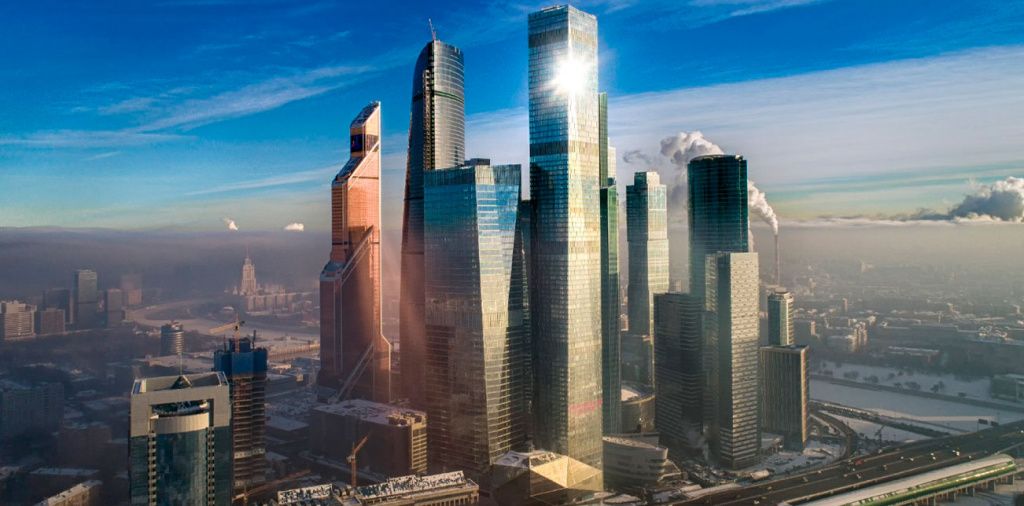
This company was unafraid to embrace innovative ideas and solutions, which is why, back in the 1970s, it created the world's tallest buildings – the John Hancock Center and the Willis Tower. Its many other world-famous projects are too numerous to list. These include the Freedom Tower in New York, Ben Gurion Airport, 7 World Trade Center in New York, the new NATO headquarters in Brussels, the Sears Tower, and, of course, the 828-meter Burj Khalifa in Dubai, which remains the tallest building.
Skidmore Owings and Merrill's staff included such renowned figures in world architecture as engineer Fazlur Khan, who developed a new technology for high-rise construction, and Gordon Bunshaft, the latter of whom, incidentally, became a Pritzker Prize laureate.
Werner Sobek, who designed the Grand Tower
That same year, 2013, construction began on the Grand Tower complex, destined to last for many years. Its glass-clad towers with their distinctive shapes were designed by renowned German architect Werner Sobek. Born and raised in Germany, he earned a doctorate in structural design there and subsequently founded his own architectural firm, which now has offices not only in Moscow but also in Dubai, New York, and other cities around the world.
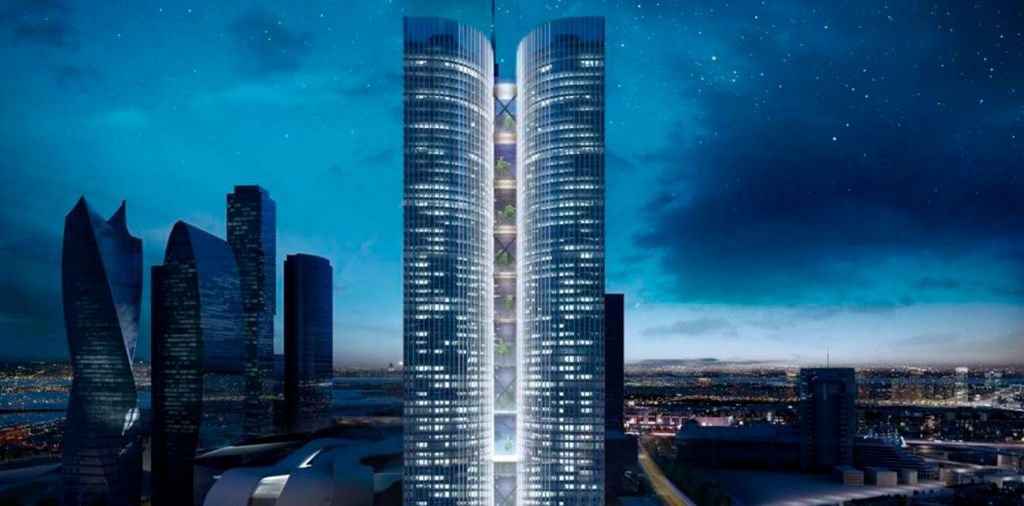
Werner Sobek is not afraid to experiment, and with each of his buildings he seeks to address what he believes is humanity's most pressing problem: loneliness. Therefore, one of his favorite materials is glass, which can be seen in the Grand Tower project. Sobek is a fan of cutting-edge technology. He is constantly searching for new materials and engineering solutions that make buildings not only lightweight and functional, but also environmentally friendly by implementing the "three zeros" concept: zero energy consumption, zero emissions, and zero waste.
Neva Towers – the acclaimed project of Hellmuth Obata & Kassabaum
The Neva Tower multifunctional complex began rising in 2013 on the site that, according to B. Thor's design, was to be occupied by the Rossiya Tower, the dominant feature of Moscow-City. The design was handled by the American architectural firm Hellmuth Obata & Kassabaum, now known as HOK.
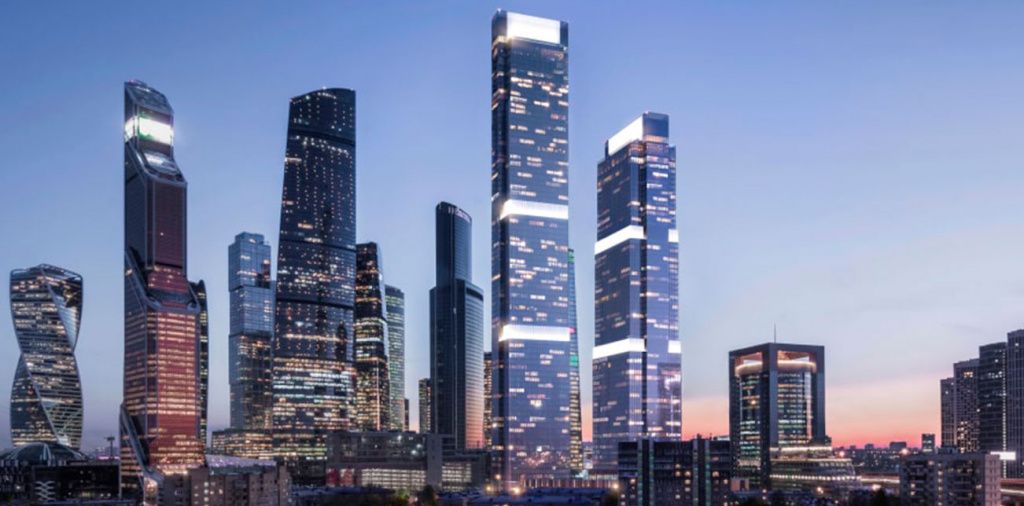
Founded in 1955, it became the largest architectural and engineering firm in the United States in 2018. It employs over 1,700 professionals and has offices in many cities worldwide. Today, the company is considered a leader in sustainable design, having designed over 750 buildings that have received LEED certification.
The still-unrealized "Empire 2" is a project by Tsimailo, Lyashenko & Partners.
The "Empire 2" tower, whose construction was first discussed back in 2013, is still unbuilt. The design for the building, which includes a parking garage, was developed by the architectural firm "Tsimailo, Lyashenko & Partners," founded in 2011. Today, this young firm is actively developing and participates not only in the design of new buildings but also in international competitions. In its relatively short existence, it won second place in the 4th All-Russian BIM Technology Competition 2019/2020 for its "Empire 2" project, as well as numerous other prestigious awards and prizes.
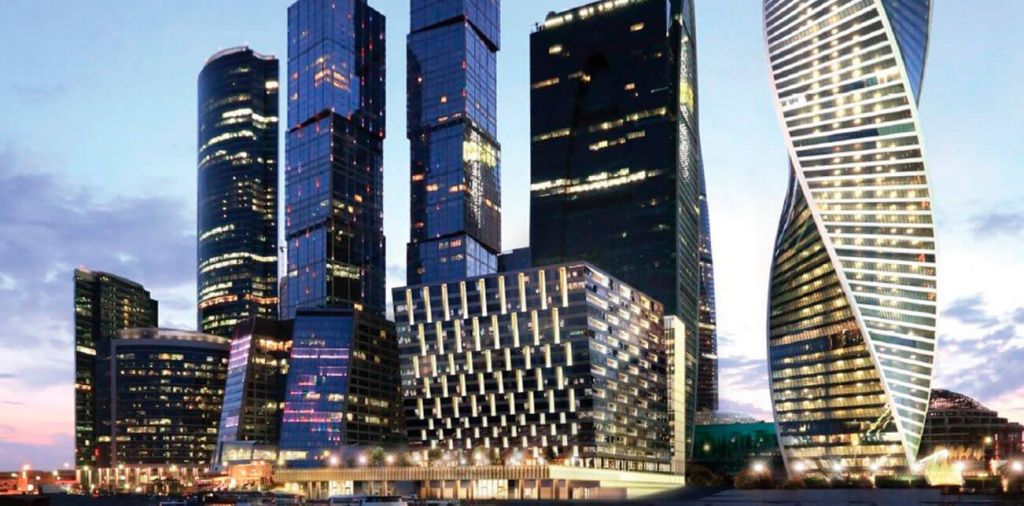
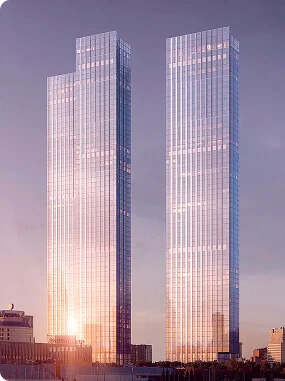
The future tallest residential tower in Europe, One Tower, and the Capital Tower residential complex are the fruits of the efforts of Sergey Skuratov Architects.
The One Tower and Capital Tower residential complexes are striking in their slenderness, harmony, and laconic beauty. These skyscrapers owe their beauty to the work of Honored Builder of Moscow Sergey Skuratov, who worked on their designs. The architect himself has received numerous prizes and awards, won numerous Russian and international competitions, and also became a professor at the International Academy of Architecture and won four Grand Prix awards at UNESCO competitions.
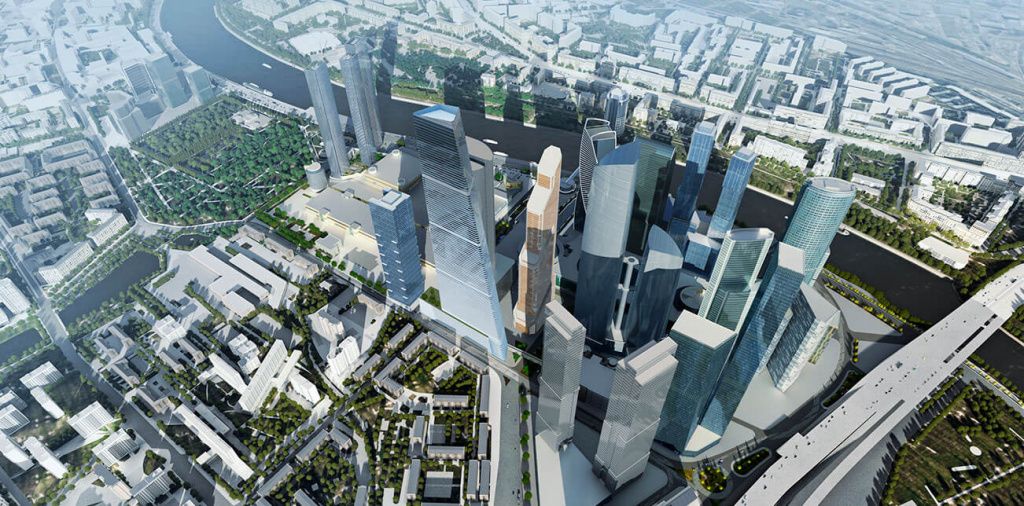
For many years, he served as chief architect for several major Moscow architectural firms, but it was only in 2002 that he decided to found his own architectural studio, Sergei Skuratov Architects. Over the years, buildings designed by him have appeared in virtually every district of Moscow, and his projects have always been distinguished by their freshness of thought and passion for strict geometric forms.
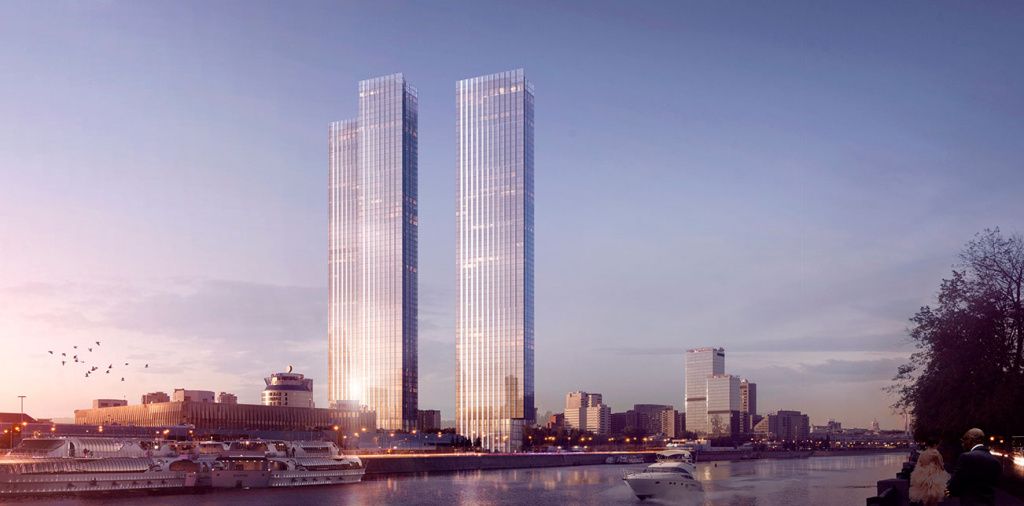
Helmut Jahn, who designed the iCity digital building
The iCity complex, currently under construction outside the Moscow International Business Center, will be the largest digital building, where every visitor will be able to receive personalized recommendations and actively interact with a unified system. The strict forms of the iCity towers will be adorned with distinctive red "waists," lending them a distinctive elegance.
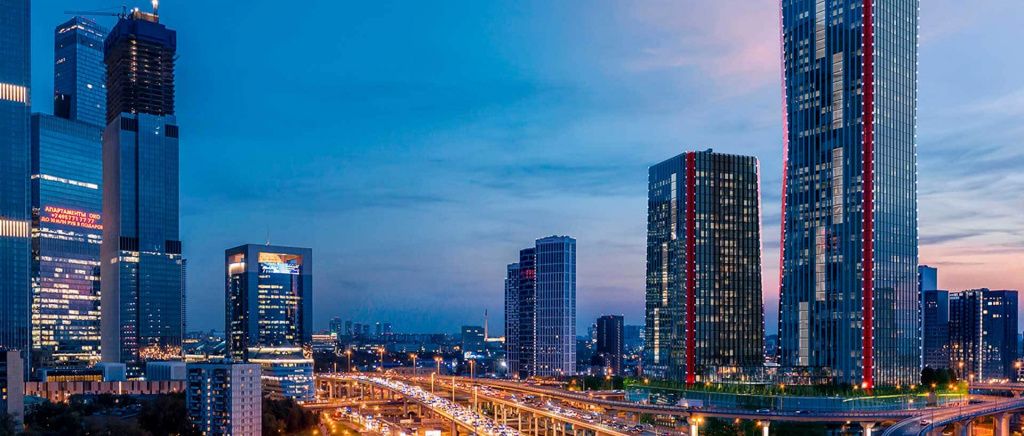
The building was designed by German-American architect Helmut Jahn, whose style was significantly influenced by the work of Mies van der Rohe. As a result, his buildings are distinguished not only by their functionality but also by their beauty. Helmut Jahn has designed not only skyscrapers, but also airports, stadiums, and numerous other structures. He adheres to a postmodernist style, and one of his most acclaimed works was the Sony Center in Berlin, but iCity has the potential to become his next major achievement.
Skyscrapers near Moscow City
When discussing Moscow City, we can't forget the surrounding areas, which are also undergoing rapid development, including skyscrapers. For example, the Headliner residential complex , construction of which began in 2019, is already seeing active occupancy of the completed buildings. Its distinctive feature is the seamless blend of new buildings, including the 54-story landmark, with the existing older structures on Shmitovsky Proyezd.
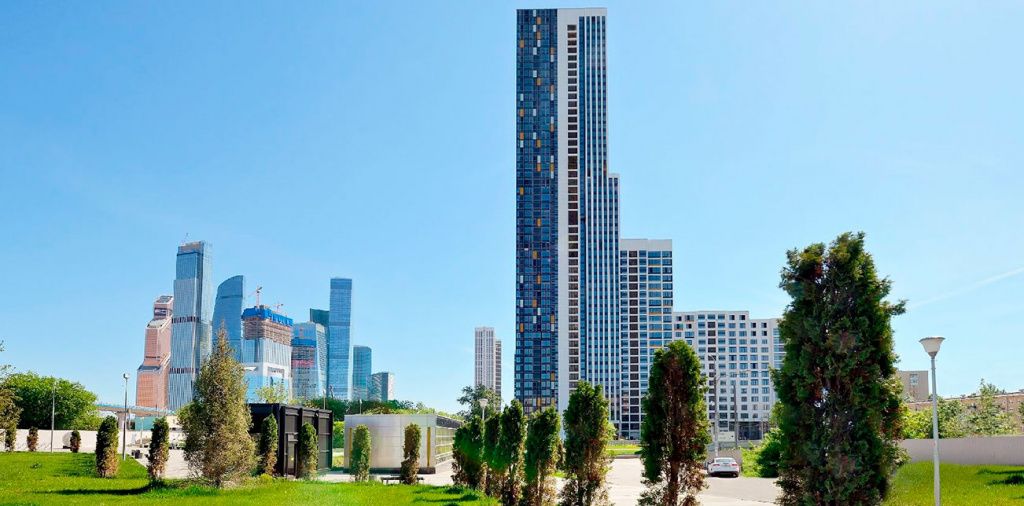
Also under construction in close proximity to Moscow City is the massive residential complex "Heart of the Capital." Its buildings will be arranged almost in a circle, with a central area of approximately 2 hectares dedicated to a cozy and modern park. The complex was designed by the young company Wowhaus, which has created a record number of landmark projects for Moscow in recent years. Founded in 2007 by Dmitry Likin and Oleg Shapiro, Wowhaus designed the VDNKh Green Theatre and the Stanislavsky Electrotheatre, and is also participating in a number of tenders.
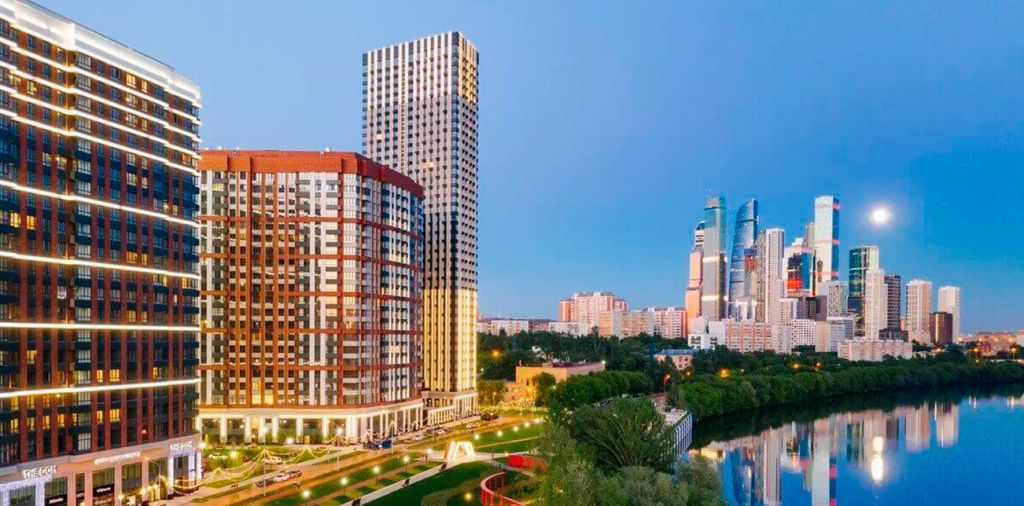
Also noteworthy is the project by Evolution Design and T+T Architects, which is transforming the former Mirax Plaza complex, now Sberbank City . T+T Architects has been in business for over eight years and is led by Sergey Trukhanov. The firm typically undertakes renovation projects, while their partners on the Sberbank City project, the Swiss firm Evolution Design, prefer to work on concept development.
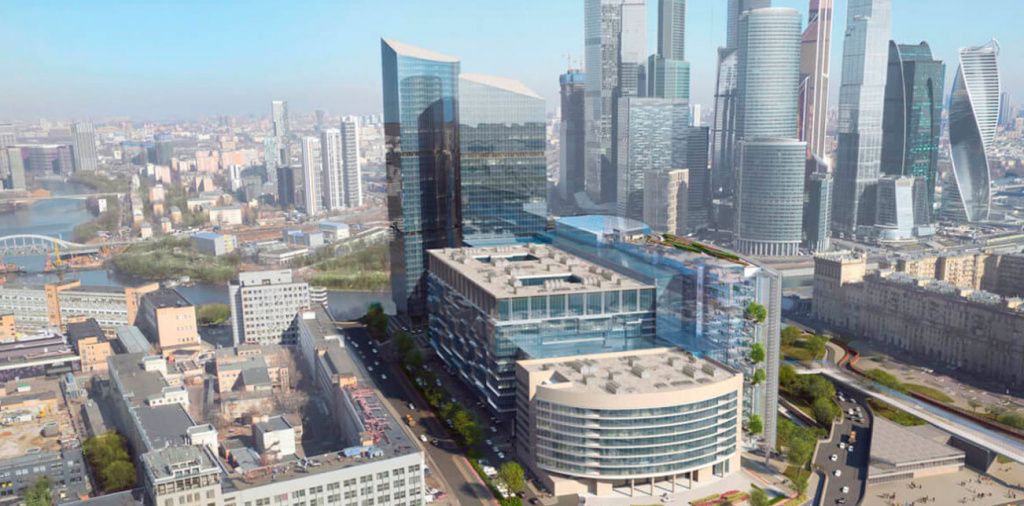
Thus, although Boris Thor most often comes to mind when mentioning Moscow City and its famous skyscrapers, in reality, many other equally famous and worthy contemporary architects had a hand in the implementation of this grandiose urban development project.




Any questions or comments?
Thank you for the memory of Boris Ivanovich Thor. It is a pity that only the Bagration Bridge and Tower 2000 were built from the Moscow-City complex conceived by Boris Ivanovich.
Comment