


The modern real estate market is characterized by a fairly high level of conservatism, especially in the premium segment. Therefore, the emergence of new real estate formats is extremely rare. At the same time, any construction project, especially one as major as a high-rise building, inevitably involves the creation of spaces with significant limitations, such as the inability to install windows.
Previously, they were primarily used as storage rooms or cellars, or even classified as common areas. In skyscrapers, such unused space accounts for an average of 5-10% of the total area of the ground and basement floors. Therefore, developers risk losing approximately 1.5 billion rubles on such unused spaces, but only without some creativity.
Recently, a new restaurant format known as dark kitchens has been rapidly developing in Russia. These are unique restaurant-kitchens that offer food delivery only to homes, offices, and other locations. Dark kitchens do not offer a fully furnished, equipped dining room for customers.
They have minimal space requirements, primarily focused on engineering and logistics, such as a freight elevator. A "dark kitchen" doesn't require high traffic or design services, making it an ideal option for utilizing various spaces with limited space. Dark kitchens enjoy significantly lower rental and fit-out costs. This, coupled with the ever-increasing demand for food and beverage delivery services, is the key to the success of these types of establishments.
The first "dark kitchen" opened in a residential area of St. Petersburg. It was aimed at serving residents of areas far from the city center, where restaurant infrastructure was significantly lacking. Convenient ordering and affordable prices allowed dark kitchen owners to profit from this new service format.
As for Moscow, "dark kitchens" are primarily concentrated in areas near the center and serve employees of numerous offices. For example, recently, many large companies have opened their own offices just two or three stations from the metro's Circle Line.
Many restaurateurs believe that orders from residents in residential areas account for significantly less revenue. These orders most often come in the evenings and on weekends. Meanwhile, revenue from office workers, who place orders daily throughout the workweek, is significant. Therefore, "dark kitchens" face development limitations not only in terms of location but also in price.
The opening of a premium dark kitchen in Moscow City skyscrapers could turn the tide. Collaborations between developers and private entrepreneurs often result in the emergence of unexpected, unique real estate formats. For example, illiquid ground floors were once transformed into office-style apartments with private entrances, which have become highly sought after by representatives of emerging economic segments, including personal coaches, designers, and others.
Thus, it's possible that a new premium restaurant niche will emerge in the foreseeable future, with the greatest potential in locations featuring ultra-high-rise buildings. This will also be a lucrative development for MIBC developers, as the sale of dark kitchen-friendly spaces could generate revenues of approximately 4.5 billion rubles. These dark kitchen spaces can be as large as 15,000 square meters, with sales prices averaging 300,000 rubles per square meter.
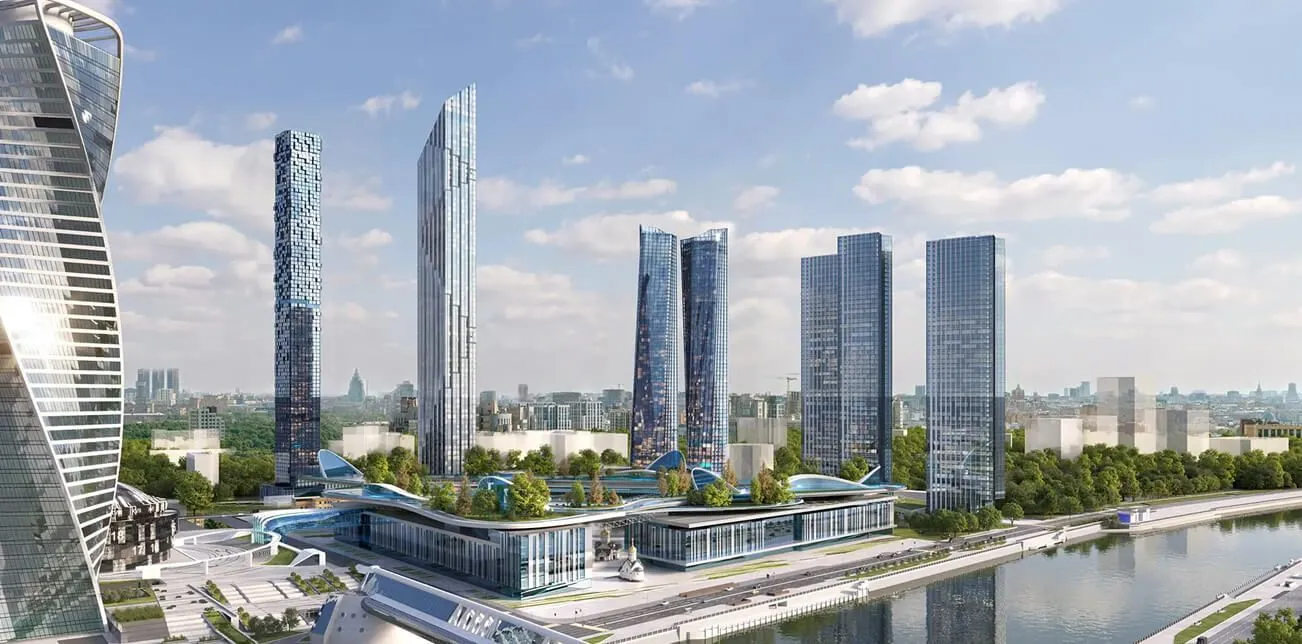
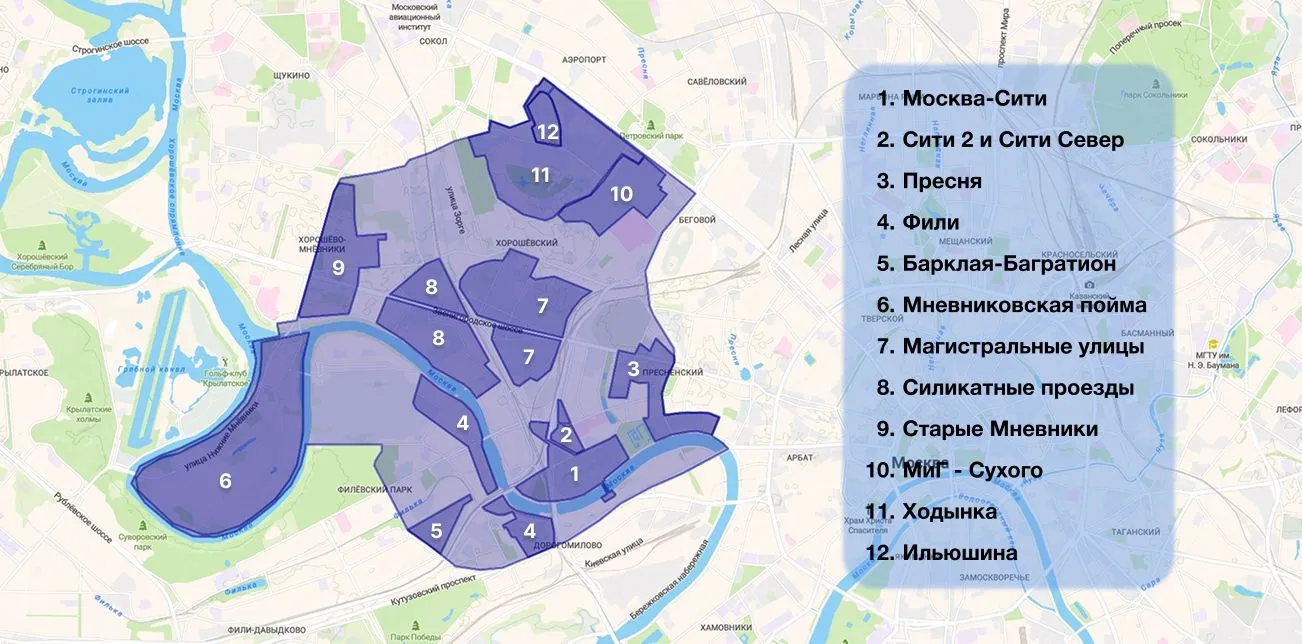
The dense development of skyscrapers in Moscow City has created a very saturated, affluent audience: approximately 55,000 people reside in the MIBC towers daily. Not every district can boast such a population. For example, a similar number of people live in the Sokol district, which is many times larger than Moscow City. Therefore, demand for delivery services could increase tenfold.
But not every entrepreneur can afford to open a dark kitchen in Moscow City and expect immediate profits. Premium dark kitchens, which have already established a strong reputation in the market and earned a large base of loyal customers, have the best chances.
An alternative business model could be to open a dark kitchen to deliver delicious, fresh food to corners and small cafes in Moscow City, as well as nearby areas. This approach has long been in use. With this approach, cafes only need to install a coffee machine and create a serving area for dishes, which are delivered fully prepared from a dedicated kitchen. This is beneficial for both parties, as the cafe owner doesn't need to invest significant funds in a professional kitchen or menu development. The establishment simply needs a configurator, allowing them to order the desired menu items from the kitchen at the desired time.
The dark kitchen itself can operate with multiple cafes, significantly expanding its audience. Therefore, its clientele could grow from the 55,000 residents of the Moscow City skyscrapers to the 200,000 people who frequent them daily.