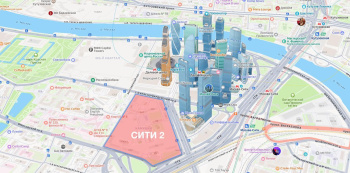




Transparency International Russia recently published a report finding that cryptocurrency platforms in the Moscow City business district provide the ability to make anonymous transfers abroad, including to the UK. The area is home to 21 cryptocurrency companies, 14 of which exchange rubles for USDT, and eight exchange stablecoins for British pounds, with the option to receive cash in London.
However, unregistered crypto exchanges exist in the UK that cash out cryptocurrencies, circumventing the law. Clients can send cash from Russia anonymously with minimal AML checks, creating a vulnerability in the financial system and facilitating the financing of criminal activity and corruption.
In February 2023, Sberbank reported record volumes of illegal asset transfers to foreign cryptocurrency wallets using Russian Bitcoin exchanges. This underscores the need for stronger oversight of cryptocurrency platforms and exchanges, as well as the introduction of additional measures to prevent money laundering and terrorist financing through cryptocurrencies.
The Elliptic analytics system reports links between dozens of Moscow-based cryptocurrency companies and cybercriminal money laundering. Furthermore, the Suex crypto exchange continues to conduct exchange transactions through the company's Telegram chat operators, despite US sanctions imposed in September 2021 for its ties to ransomware creators.
Given the increased activity in the "black" segment of the cryptocurrency market following the ban on foreign exchange transactions in Russia in March 2022, Transparency International Russia experts believe it is important to monitor the activities of cryptocurrency platforms and exchanges to prevent the financing of criminal activities and corruption. Particular attention should be paid to exchangers that process transfers to the UK and can be used for cash withdrawals.
Additional measures are needed to combat money laundering and terrorist financing through cryptocurrencies. Regulators must tighten requirements for cryptocurrency platforms and exchanges, including verifying clients' compliance with AML/KYC requirements, as well as establishing mechanisms for monitoring transactions and reporting suspicious transactions.
It is also important to strengthen international cooperation in combating money laundering and terrorist financing through cryptocurrencies. This could include joint operations and information exchange between countries, as well as the establishment of international standards for regulating the cryptocurrency industry.
Serious measures must be taken to combat financial crimes involving cryptocurrencies to prevent potential risks to the stability of the financial system and the security of society as a whole. Cryptocurrencies represent a new and complex area of financial activity, and only strict oversight and regulation can help prevent their abuse. Overall, the problem of money laundering and terrorist financing through cryptocurrencies requires concerted efforts from governments, regulators, businesses, and the public to create a safe and stable cryptocurrency industry.
In our previous article on a similar topic, we reported that the US imposed sanctions against the Moscow-City-based crypto exchange Suex.
Additional materials on the topic: Bloomberg reported on a "cybercriminal ATM" in Moscow City.