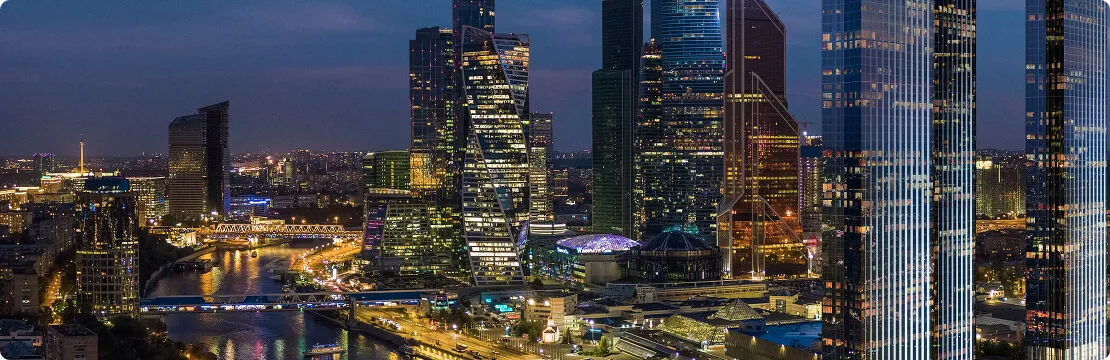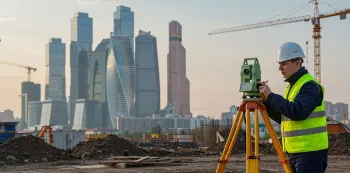




Due to the closure of the Bagration Bridge for reconstruction, public activists have proposed building a temporary pedestrian crossing between the two banks of the Moscow River. This new route would connect the Bagration City Pier on Presnenskaya Embankment with the city center, thus bridging the gap in access to Moscow's business district.
The initiative was put forward by Vladimir Sokolov, a representative of the interregional public movement "Pedestrian Union." He suggested that to ensure convenient public transportation, existing river transport routes could be utilized, and a new type of vessel—hovercraft—could be introduced to enable fast and regular cross-river transport.
"I have an idea: what if we introduced a small ferry that could travel the short distance between the two banks? This would greatly simplify travel for pedestrians, especially during rush hour," Sokolov noted.
Existing Alternatives to the Bagration Bridge
After the bridge's closure, the main surface route to the other side is to walk to Kutuzovskaya metro station (about 15 minutes), then transfer to the Filev line to Vestavokhnaya or Mezhduna Rodnaya stations in Moscow. The journey takes about 20 minutes.
There is also a regular river ferry service between the Bagration Pier and the city center pier. It departs every 25 minutes, and the journey takes only a few minutes. However, the existing timetable and passenger capacity limit passenger flow.
Bridge Reconstruction Integrates with Future Skyscrapers
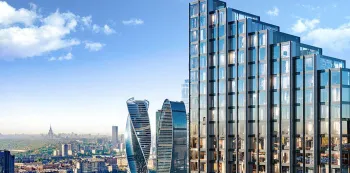
The Bagration pedestrian bridge has been closed for a major five-year renovation project. The project aims to integrate the bridge with the new 400-meter skyscraper being constructed as part of the Moscow-City development. The architectural design also includes an underground passage connecting the tower to nearby metro stations (Vystavochnaya and Delovoy Tsentr).
The Potential of Waterways as a Part of Urban Transportation
Introducing a ferry service could be not only a temporary solution but also part of Moscow's long-term transportation strategy. Given the dense development and limited opportunities for road network expansion, water transport is gaining renewed attention as an effective way to alleviate road congestion and improve connectivity between the city's districts.
If municipalities and transport agencies are proactive, the route could be implemented quickly, especially if existing infrastructure and mobility platforms such as hovercraft or electric ferries are used.
Information from VESTI.RU was used.
Supplementary material on this topic: