


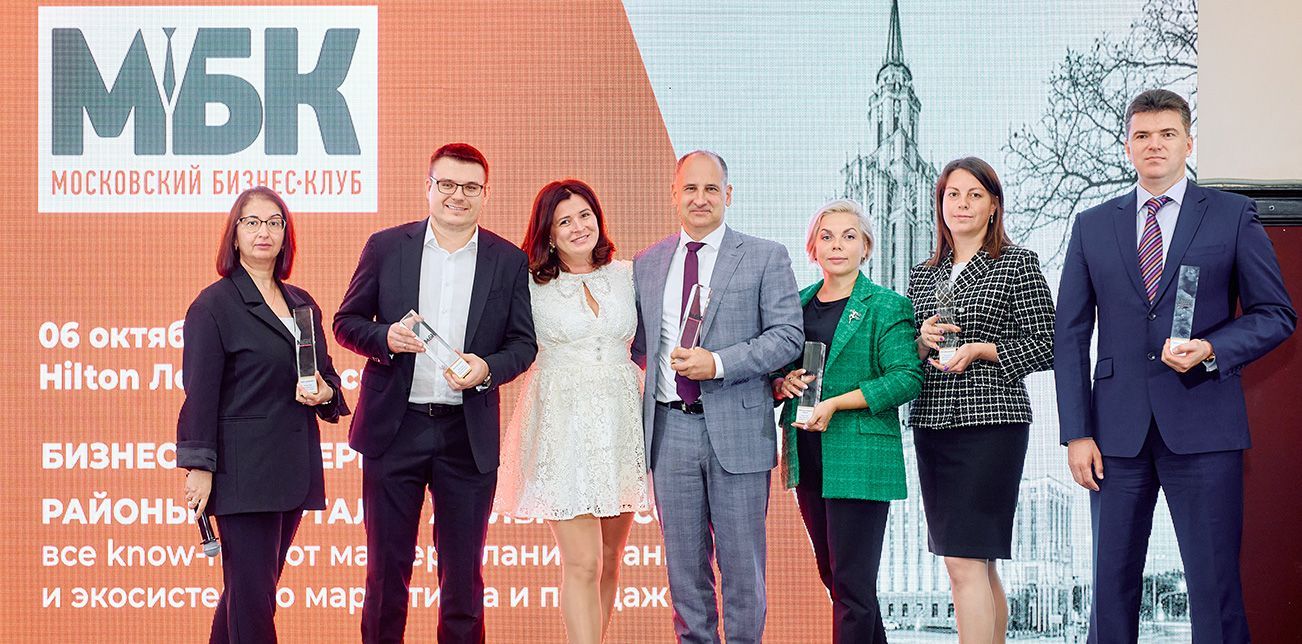
The Hilton Leningradskaya Hotel recently hosted a Moscow Business Club forum, attended by more than 150 executives from major Moscow real estate companies, as well as government officials and regional construction companies.
Speakers included experts from Rosreestr, the Moscow Research Institute of General Planning, KORTROS Group, AFI Development, Plus Residence, Rodina Group, FSK, Gals-Development Group, Filosoft, RICCI | RESIDENTIAL REAL ESTATE, DUGA Real Estate Branding, Petersburg Real Estate, and others. Rosreestr representative for Moscow, Daria Kudinova, discussed the dynamics of the housing market. According to her, small studio apartments and one-bedroom apartments up to 46 square meters continue to be in demand – their share reached 55% in August, up 1% from July.
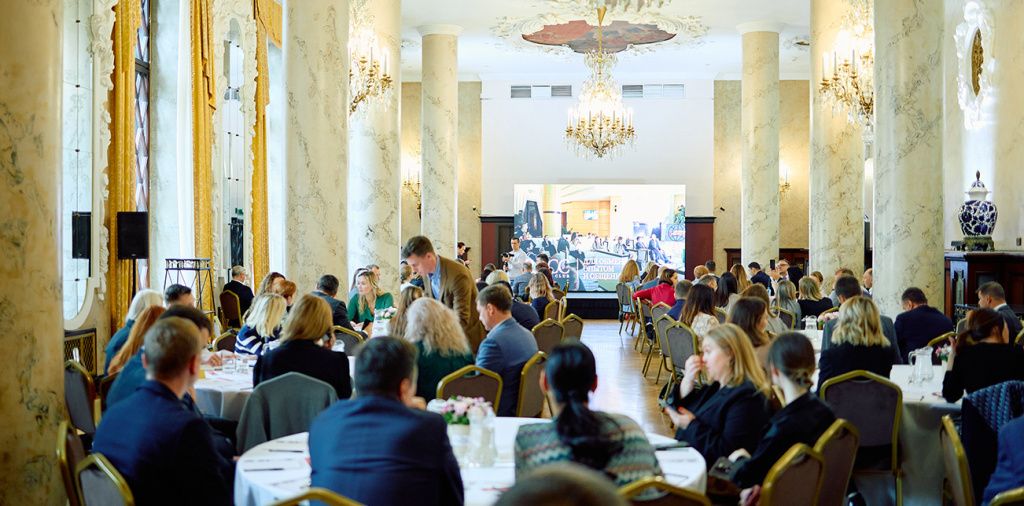
The number of developers, the legalization of construction projects, and the intensity of construction are increasing. However, housing prices have remained virtually unchanged over the last nine months of this year. It's worth noting that over half of all transactions are through family loan programs, which are among the most accessible for most borrowers," noted Dmitry Zheleznov, Commercial Director of KORTROS Group, at the forum.
Since the Central Bank introduced restrictions on low interest rates and mortgages with no down payment, alternative lending programs have become popular in the market. For example, step-down mortgages and mortgages with partial repayments have become popular. The main advantage for buyers is the minimal payments at the start of the program. When this program was first introduced, developers actively advertised down payments of just 100 rubles, with monthly payments as low as 1 ruble. This approach was dubbed "mortgages at the price of a ruble."
Until recently, discounts of up to 20% on new homes were quite common. However, due to rising demand and the Central Bank's key rate hike, offers have become less attractive. Currently, the biggest discounts are available on apartments, as there are no special lending programs for this category. Oleg Repchenko, head of the Real Estate Market Indicators analytical center, asserts that the good times for the market ended in September, and a period of calm awaits us from October. He believes that only those companies that adapted to these changes in advance will be able to successfully navigate this period.
The presented analysis showed a 28.7% year-on-year increase in demand for existing housing, while new buildings grew by 14.1%.
Despite strong demand in the summer and fall, there are affordable housing options for 7-8 million rubles. In central Moscow, for example, you can buy a studio apartment of approximately 20 square meters, while in the suburbs, you can find studio apartments of 30 square meters. In the Odintsovo district, according to irn.ru, fully furnished one-bedroom and two-bedroom apartments of approximately 45 square meters are available.
Contemporary trends in urban development
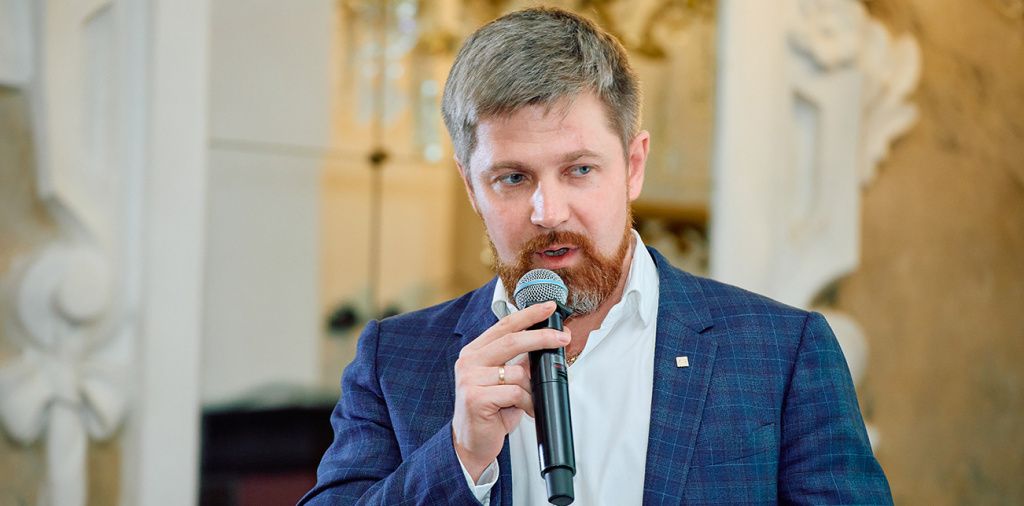
At a recent conference, experts shared their opinions on the future of urban spaces. Nikolai Kikava, Deputy Director of the Moscow Genplan Institute, outlined key aspects of project development, taking into account their economic efficiency and investor appeal. He emphasized: "The most important aspect when developing development strategies for various districts is ensuring a high level of comfort for city residents. After all, all plans are aimed at the benefit of residents. However, it is also important to consider the needs of local authorities, builders, and investors who bring the projects to life."
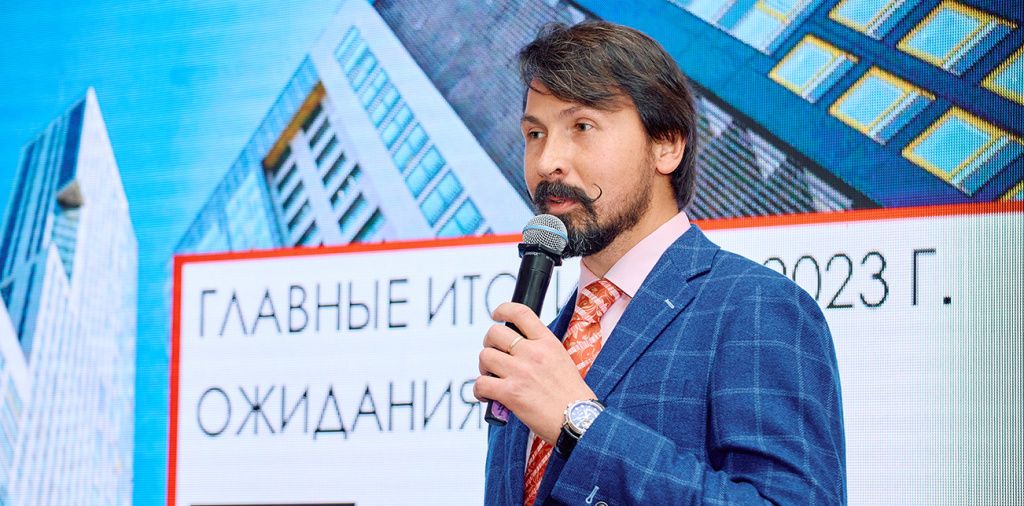
Plans to enhance the investment appeal of districts attracted the attention of those present. Modern developers strive to create places that transform the urban landscape. For example, the key focus of the social developer Rodina Group is developing the city's social aspects, stimulating the economy, and creating a comfortable environment. Zakhar Kalmykov, head of Rodina Group, presented the RDD project, the first designer district in Russia, which promises to become the hallmark of New Moscow. Each building in this district combines architectural excellence with superb infrastructure.
Development experts shared their perspectives on modern marketing strategies. Alexander Lebedev emphasized innovative promotion methods and the specifics of targeted advertising. Ekaterina Batynkova presented the "House 56" project: a next-generation residential complex with unique architecture. And soon, the "Bauman Technology Valley" will open on the Yauza River—a space featuring educational and scientific institutions, new pedestrian areas, and recreational spaces.
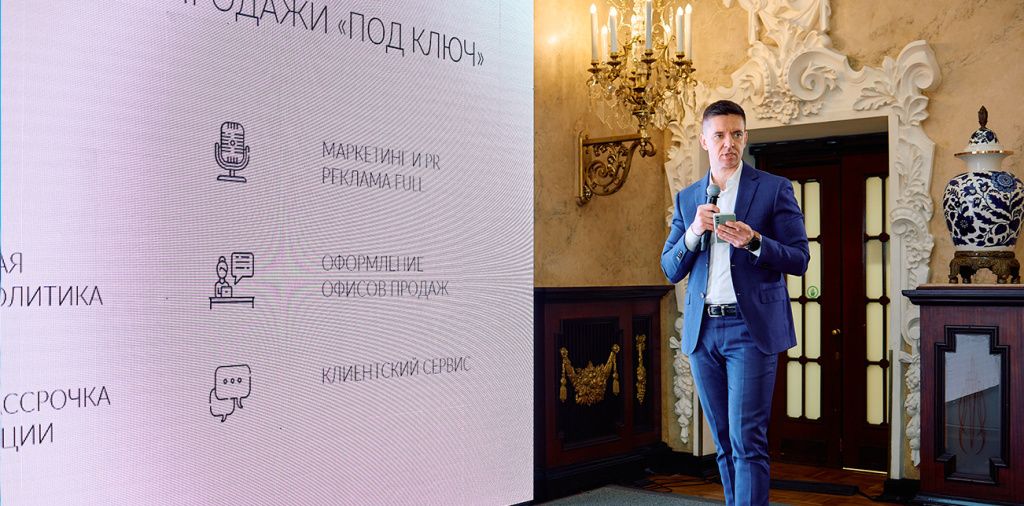
Denis Lozinsky of RICCI | RESIDENTIAL REAL ESTATE identified two key trends in new developments: carefully considered investments with an emphasis on uniqueness and long-term prospects, and projects with limited budgets aimed at quick results. Regardless of the chosen strategy, the key is creating a vibrant and unforgettable consumer experience.
Albina Lyaushiriyanova, Marketing Director at AFI Development, emphasized the importance of experimentation in the highly competitive housing market. "Testing various strategies and communication channels with clients gives us an understanding of which ones are most effective," she stated. "Monthly investment in experimentation has allowed us to improve our performance: visit conversion increased by 87%, booking conversion by 70%, and transaction costs decreased by 63%. The brand's contribution to the company's success is also worth considering. I believe a strong company image contributes to increased sales. An integrated approach to this issue helps us progress faster than our competitors."
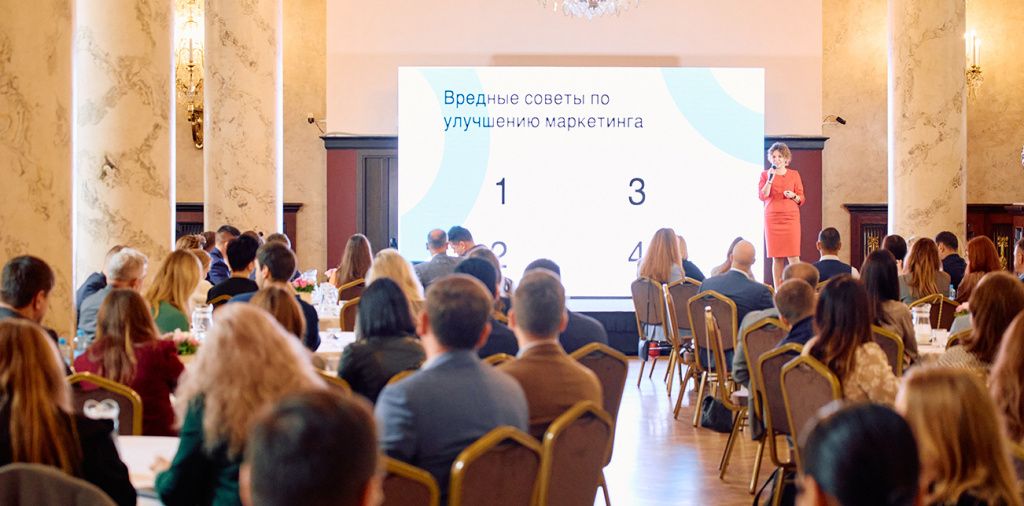
At the conference, Ivan Vlasov, head of Philosoft, emphasized: "Our main goal is convenience and time savings for our clients. The more time people spend at home, the better for us. Smart home technologies make everyday life easier and prevent domestic conflicts. In the coming years, thanks to smart technology, next-generation housing will offer the highest level of comfort. Those developers who are the first to offer clients innovative solutions will become market leaders."
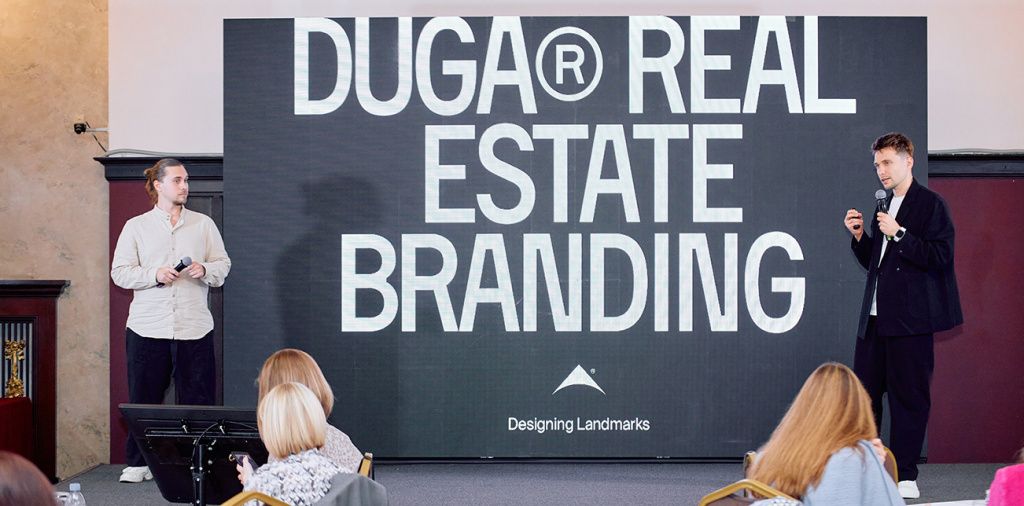
Yuri Narvin and Ivan Kozhin, co-founders of the real estate branding company DUGA, expressed their opinion on the importance of uniqueness in project implementation. "Every company and every residential project has its own unique identity. It could be called an idea, a spirit of place, a concept, etc. The key is not to blindly replicate the successes of others, but to focus on your unique offering and communicate it to your target audience. This is how unique and powerful residential projects and brands are created. We've been using this approach for many years and see its effectiveness even in unpredictable market conditions.
Latest Regional Development Trends
Regional developers such as Brusnika from Yekaterinburg, Strana Development from Tyumen, UDS from Voronezh, and DOGMA from Krasnodar are actively establishing themselves in the Moscow market.
Experts from across the country, including St. Petersburg and Sochi, participated in the discussions. Oleg Pashin, representing Petersburg Real Estate, discussed the nuances of the St. Petersburg and surrounding region markets. He noted that apartments measuring 32-36 square meters accounted for 42% of all transactions from January to September of this year. Unlike in Moscow, 70% of apartments in new buildings in St. Petersburg are sold finished. Furthermore, interest in apartment furnishing services is growing.
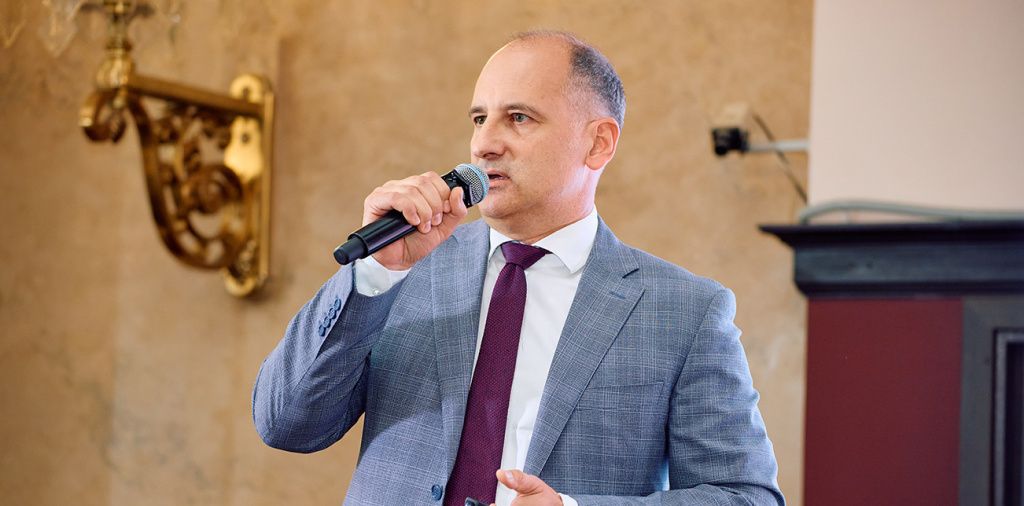
"The new-build market in the Northwest region remains stable," notes Pashin. "We expect demand to reach 3.2 million square meters in 2023. The market is attractive due to active construction in the suburbs, interest from regional clients, competitive prices, and strong buyer interest. New players in the market must take its specifics into account. Unfortunately, newcomers often make mistakes, such as choosing inexperienced consultants, launching projects without considering local conditions, or entering the market without an experienced agent. Meanwhile, statistics show that agency sales are becoming increasingly popular, accounting for 63% in the first half of the year.
In the first half of 2023, residents of the Moscow and Volgograd regions, as well as St. Petersburg and the Krasnodar Territory, showed the greatest interest in purchasing real estate in Moscow.
The Krasnodar Krai stands out as a promising destination for investors. Irina Kakosyan, Legal Director of Plus Residence, discussed the active revival of the spa and resort sector, particularly in Sochi. Sochi represents a springboard for innovative resort investments, Kakosyan emphasized. "We are witnessing a renaissance in the resort business, attracting attention to new construction projects and renovations of existing ones. More than half of the Krasnodar Krai's resort resources are located in Sochi. Of the 43 investment projects currently underway, 21 are related to hospitality—either renovations or the construction of new hotels. Only seven of these offer medical services, making this segment virtually untapped in Sochi." By 2035, according to local government plans, Sochi could become an eco-resort city, emphasizing health, innovation, creativity, and sustainable solutions.
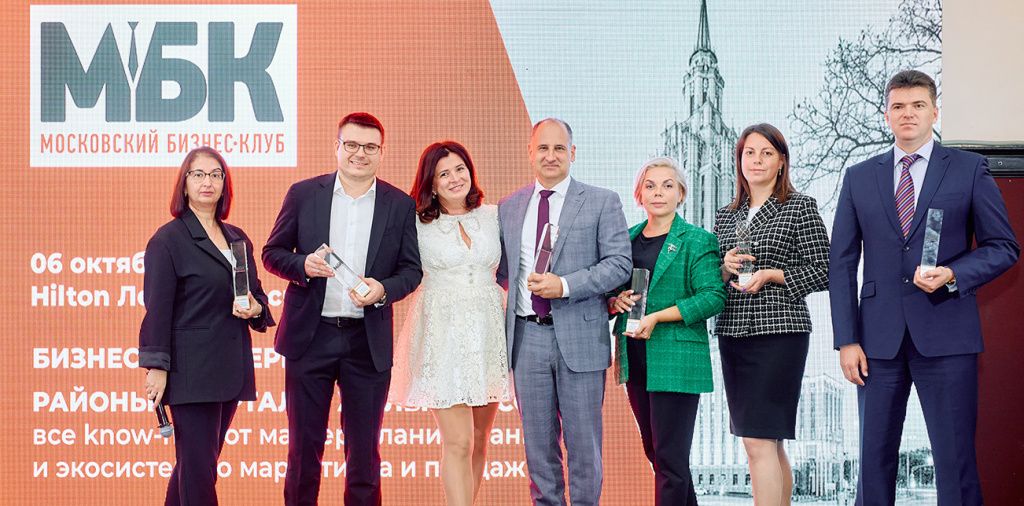
At one of the events, Anna Markina, head of the Moscow Business Club, presented new companies that had joined the business community. Notable among them were: Rodina Group, SAMOLET, Maria Furniture Manufacturer, Novostroy Comfort, Petersburg Real Estate, Legenda, and BEL Development.