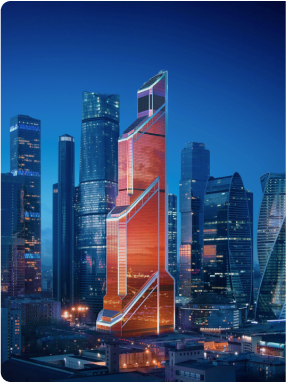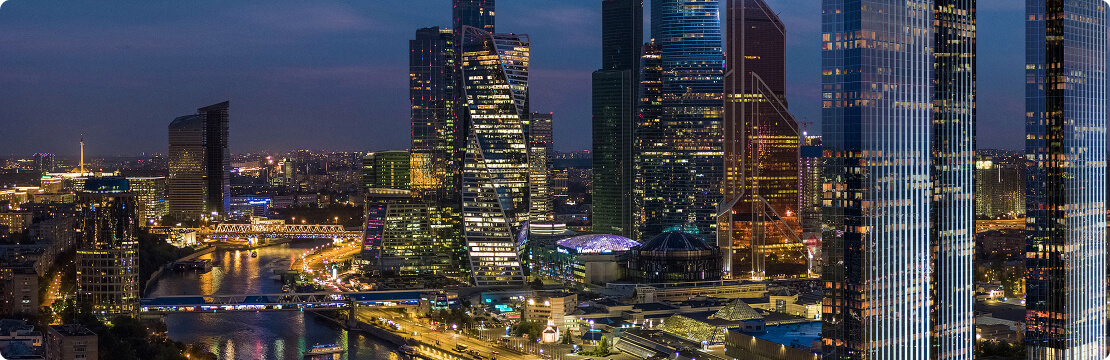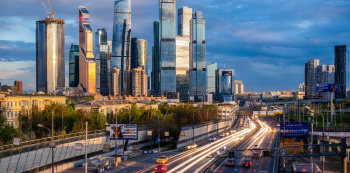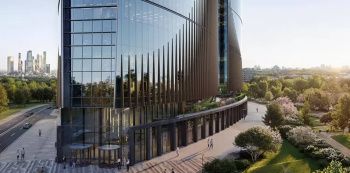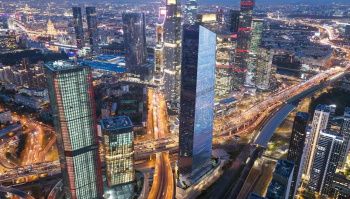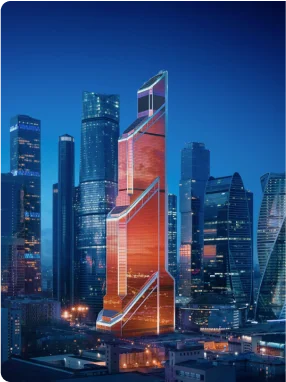



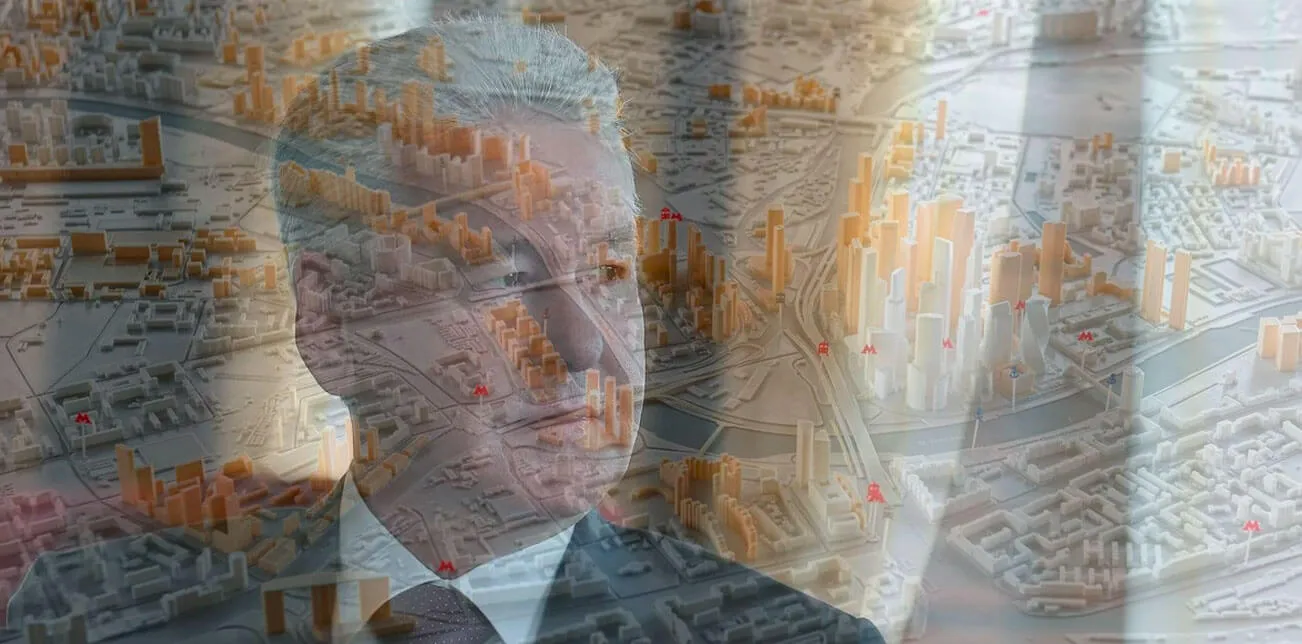
At the end of September, Moscow Mayor Sergei Sobyanin held a working meeting in Moscow City to discuss the further development and implementation of the "Big City" project, of which the Moscow International Business Center is a part. During the meeting, he noted that the Russian capital's business center will undoubtedly become one of the largest in Europe and will provide a significant boost to the development of Moscow itself.
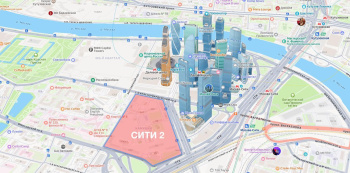
The "Big City" project encompasses the current Moscow International Business Center (MIBC) and adjacent lands housing industrial, warehouse, and residential buildings. All of these are subject to redevelopment. As of today, Moscow-City is almost completely completed, requiring 6-7 years to complete. Within the approximately 60-hectare area allocated for it, more than 3 million square meters of residential, office, and commercial space have already been commissioned in 15 multifunctional complexes of various types, with approximately 1 million square meters more under construction.
Sobyanin noted that Moscow City, being built on a small plot of land, brings profit not only to the skyscraper developers and the companies relocating to their ultra-modern offices, but also to the city itself. After all, Moscow City is Moscow's main taxpayer and one of the largest contributors to the Russian treasury. Therefore, he believes such projects are extremely important and should be implemented. Sergei Sobyanin reviewed the statistics and noted that at least 80,000 people currently work in Moscow City, and over 130,000 people visit the business center daily (this figure is expected to increase to 300,000 people per day).
A huge number of diverse commercial organizations, as well as government agencies, including several Moscow departments, have leased or purchased offices in the completed Moscow-City towers. Thus, over 1,500 businesses of varying sizes currently operate within the MIBC. Eight coworking spaces are also located there, and the infrastructure of each skyscraper is sure to impress even the most discerning critic. Each tower boasts numerous cafes, beauty salons, shops, pharmacies, dry cleaners, movie theaters, fitness clubs with swimming pools, and more. Some towers also house museums and observation decks. Residents with children have been delighted by the successive opening of five children's entertainment centers.
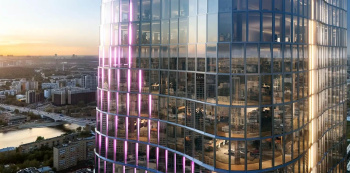
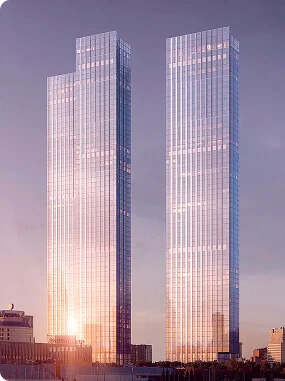
Meanwhile, Moscow-City continues to develop. Five more buildings will be built in the next few years, including a long-awaited modern concert hall with a transformable stage and two multifunctional complexes with breathtaking heights and capabilities. The Moscow mayor expressed hope that this is far from the limit. He acknowledged that the project's implementation required addressing a significant number of challenges, not so much in terms of the complexity of high-rise construction technology, but rather in terms of transport links.
He didn't forget that in 2010, the closest metro line to Moscow-City was the Filevskaya line, as well as the Testovskaya Moscow Railway station on the Belorusskaya line. But in the intervening years, a huge transport hub, even by Moscow standards, has been built on the MIBC grounds, connecting:
-
new metro stations "Vystavochnaya" and "Delovoy Tsentr" of the Filevskaya line;
-
Shelepikha and Delovoy Tsentr metro stations of the Big Circle and Solntsevskaya lines;
-
MCC stations of the same name;
-
Testovskaya platform of Moscow Central Diameter 1.
In addition, new highways were built connecting the Moscow International Business Center with the Third Ring Road and Zvenigorodskoye Highway. MCD-4 and the northern bypass of Kutuzovsky Prospekt are still under construction; their commissioning will further improve transport links between Moscow-City and the rest of the capital.
Meanwhile, public transportation is constantly being developed, with new underground and overground pedestrian crossings being built and opened. To further enhance the district's transportation infrastructure and improve access to Moscow City, several taxi stands are planned for the near future, along with a valet parking system, which has proven itself in the US. Additionally, measures are planned to improve the efficiency of transit traffic management.
According to Sergei Sobyanin, all of this will facilitate the implementation of the "Big City" project and the creation of a 2,000-hectare area around the business center, which will include not only a comprehensive renovation of residential buildings but also the reconstruction of industrial facilities, improved embankments, and the opening of modern green spaces. These plans are already being implemented.