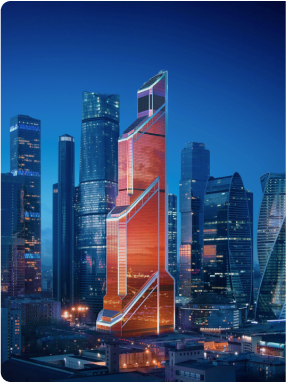

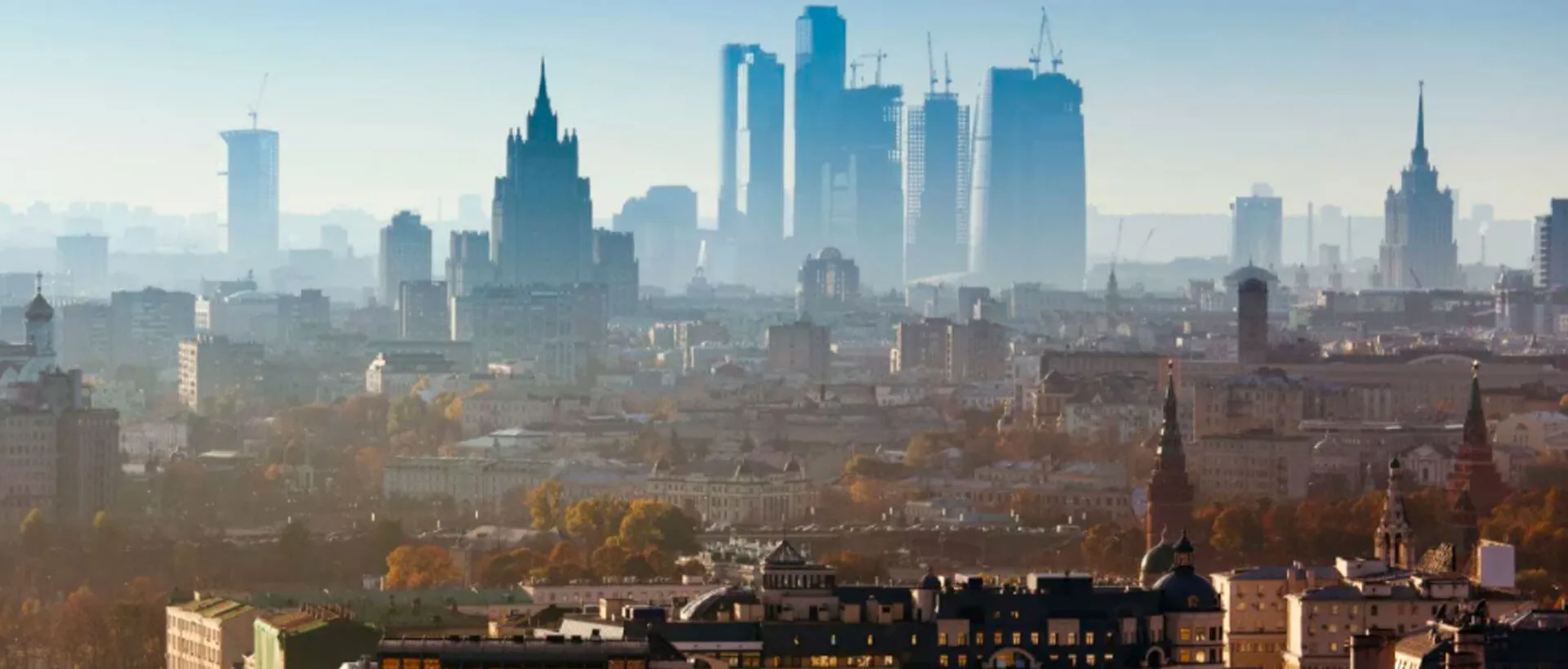
Overall, the "Big City" project conceived by B. Thor back in the 1990s can be considered a success, as its main component, the Moscow International Business Center, is expected to be completed within the next few years. The arrival of such a giant could not have gone unnoticed by Moscow residents, but does it have any impact on their lives beyond bringing significant changes to the city's architectural landscape?
Taxpayer No. 1
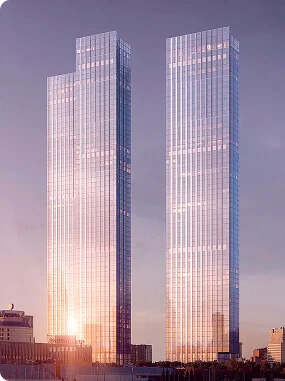
The relatively small 50-hectare Moscow City site, dominated by skyscrapers, currently houses approximately 3 million square meters of office and residential space, with approximately 1 million more expected to be commissioned in the near future. These figures were cited by Moscow Mayor Sergei Sobyanin during a working meeting on the further development and implementation of the "Big City" project.
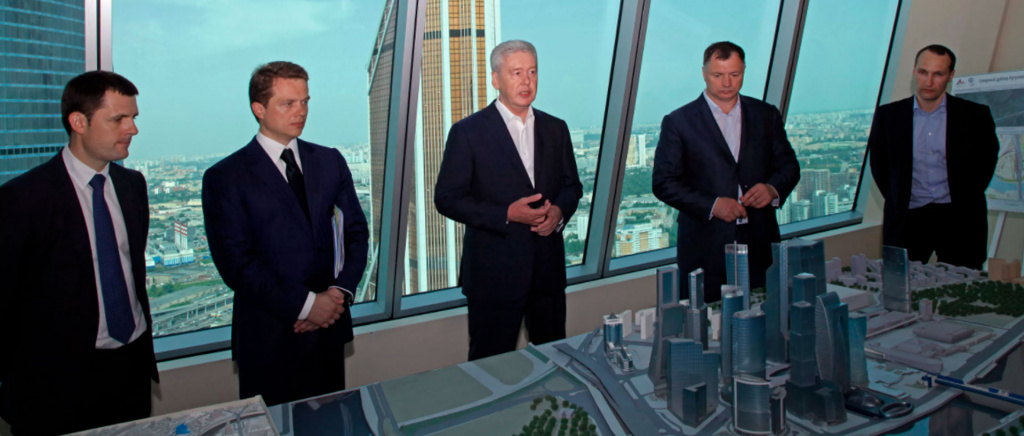
He emphasized that it would be completed within six to seven years, which would provide a significant boost to Moscow's economy. Moscow-City is a profitable project not only for developers and business owners operating there, but also for the entire capital and its residents. The mayor's words are not unfounded. After all, in 2020 alone, Moscow-City contributed 77 billion rubles to the city budget in personal income tax.
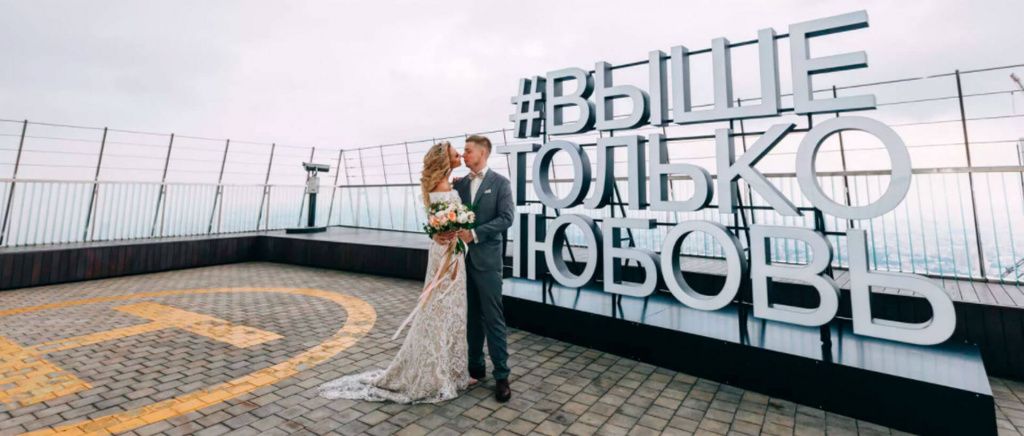
The majority of the Moscow City towers were built over the past nine years, and the business center now welcomes approximately 140,000 visitors daily. Most work in the offices located within the skyscrapers, some live in their own or rented apartments, and others come to the City for a tour. Here, you can attend a free lecture at the amazing Museum of High-Rise Construction, breathe in the fresh air, admire the Moscow panorama from the highest observation deck in Europe, and visit the "heavenly" chocolate factories. Couples also often come here to unite their hearts and destinies forever. After all, the Moscow City skyscrapers are one of the most popular unconventional locations for wedding ceremonies (more than 400 couples have tied the knot there this year alone).
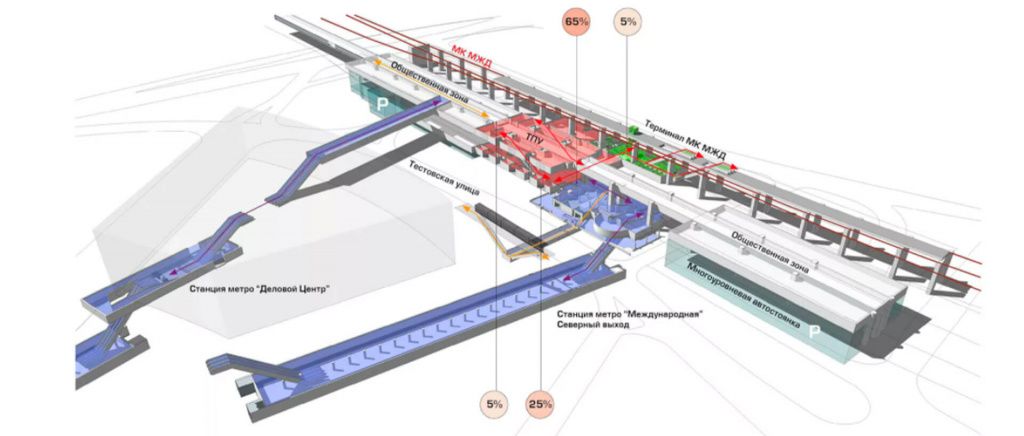
The steadily growing popularity of "Big City" is greatly facilitated by its excellent transport accessibility. Between 2011 and 2019, public transport capacity in the business district doubled. Sergei Sobyanin also noted that the district's current traffic levels are far from the limit.
Indeed, not only is the district itself actively developing, and numerous issues related to its transportation infrastructure have already been resolved, but work on creating new transportation arteries continues unabated. The largest transportation hub in Russia has been established here, comprising three metro lines with the Delovoy Tsentr and Mezhdunarodnaya stations, the Moscow Central Circle (MCC), the Moscow Central Diameter (MCD-1), and public transportation stops.
In the near future, construction of the MCD-4, a large-scale project, will be completed. It will create a connection between the Kyiv and Belorusskoye lines, enabling transit trains to operate. The Poklonnaya Gora, Kutuzovskaya, and Kamushki stations will open. Their opening is scheduled for 2024. A year later, the Big Circle Line stations will open: Ulitsa Narodnogo Opolcheniya, Karamyshevskaya, and Mnevniki.
Regarding highways, over the past few years, interchanges have been built connecting Moscow-City with the Third Ring Road and Zvenigorodskoye Highway, and pedestrian crossings have been installed. A northern bypass of Kutuzovsky Prospekt, which will operate on a toll basis, is also under construction. According to Sobyanin, all these developments have become important not only for Moscow-City residents but also for residents of nearby areas, as the new routes are used by millions of Muscovites.
There's more to come
Sergei Sobyanin also noted that the business center was built with the goal of facilitating the continued active development of the surrounding areas. It has become the catalyst for a comprehensive renovation of both residential and industrial zones, which contain dozens of abandoned buildings. Improvements to the embankments and green spaces are also on the agenda.
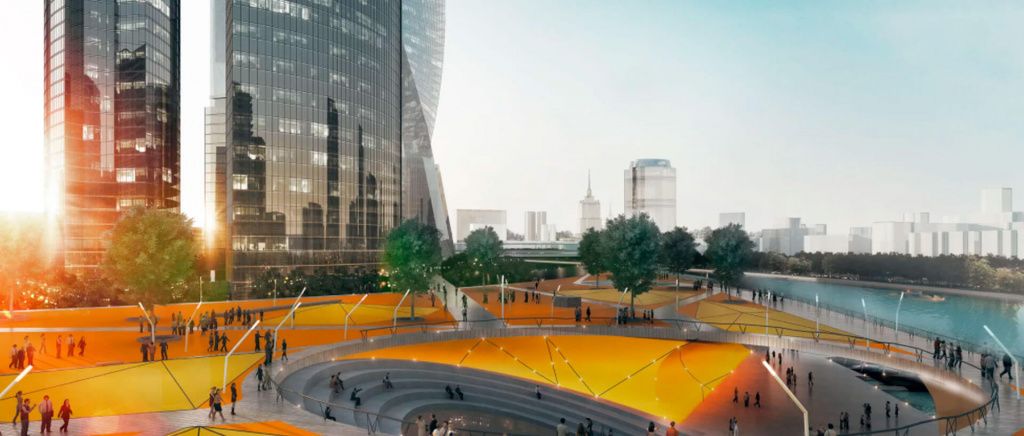
In total, the embankments in the "Big City" area cover 24 kilometers. All of them are due for renovation, with the first in line being the improvement of the Shelepikhinskaya Embankment, which stretches from the Third Ring Road to 3 Silikatny Proezd. In a few years, efforts will shift to renovating the Moscow-City pier, which will become one of the main stops for the river tram connecting Fili Park with Kievsky Railway Station. Since this mode of transport attracts approximately one million passengers, boats depart every 4-10 minutes. Furthermore, the embankment modernization promises to attract even more people to stroll along the Moskva River, Neskuchny Garden, Vorobyovy Gory, and, of course, Moscow-City itself.
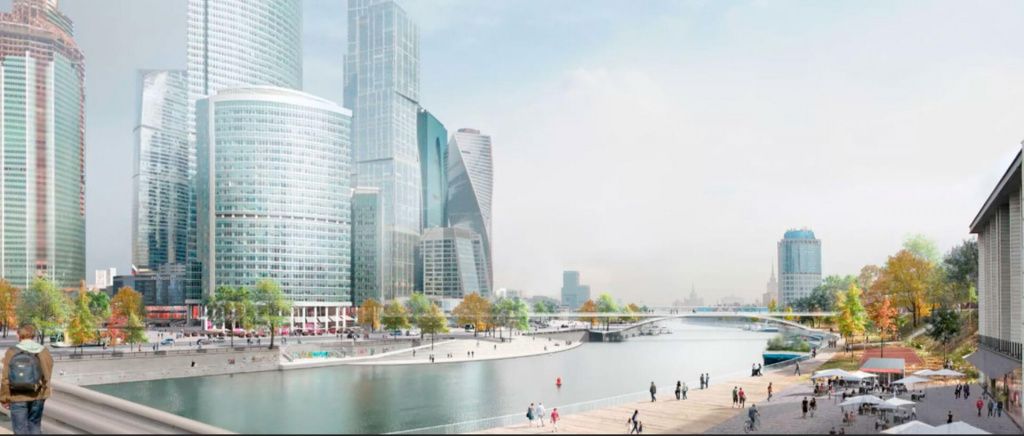
A housing renovation program is already underway in the Presnensky District, and 52 buildings are already being resettled. Residents of the new building on Mukomolny Proyezd will be owners of apartments in 18 buildings in the Kamushki quarter, located in close proximity to Moscow City. Incidentally, 987 families have already celebrated their housewarming. As per tradition, the ground floors of the high-rise building are occupied by shops, pharmacies, as well as kindergartens, educational and sports clubs. The new complex boasts its own modern playgrounds and lounge areas, both in the grounds and on the rooftops. The residential complex, where residents are being relocated under the renovation program, was built on the site of the former Krasnaya Presnya iron foundry.
The Khrunichev Center's grounds are also planned for the foreseeable future, creating new jobs. The area will be landscaped, with a central boulevard and a pedestrian zone on Novozavodskaya Street. Over time, the entire area encompassed by the "Big City" project will be transformed into modern neighborhoods offering comfortable living and working conditions, as well as leisure.