Ledger - Nano, Flex, and Stax hardware crypto wallets
 Website
 Type
 Keys


Ledger
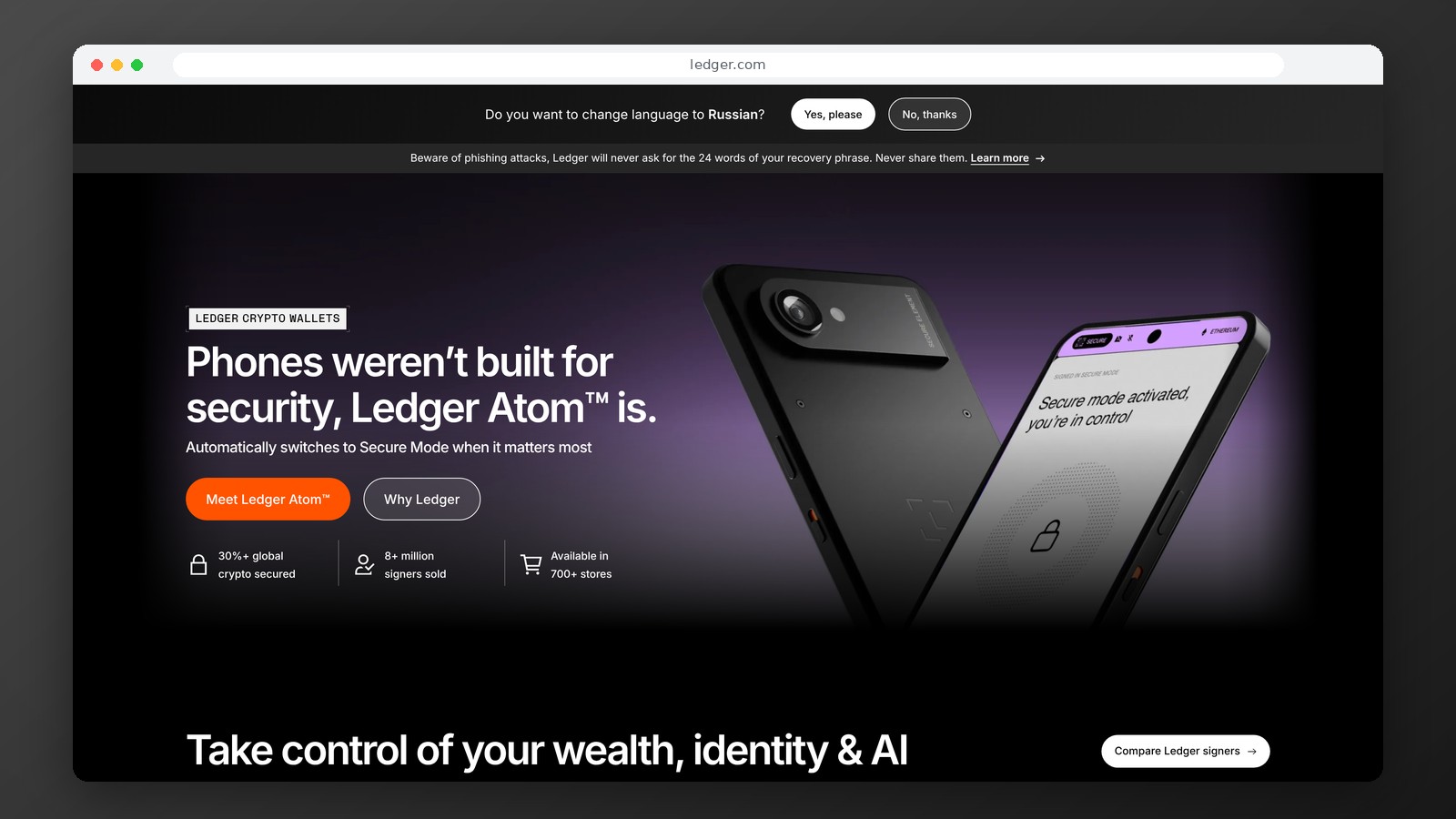
Ledger is a line of hardware crypto wallets designed to store private keys outside of a regular computer or smartphone. Keys are generated and stored within the device’s secure chip, and cryptocurrency transfers are confirmed physically. This approach reduces the risk of key theft via malicious browser extensions and infected apps, though it does not eliminate the need to verify the address and transaction details.
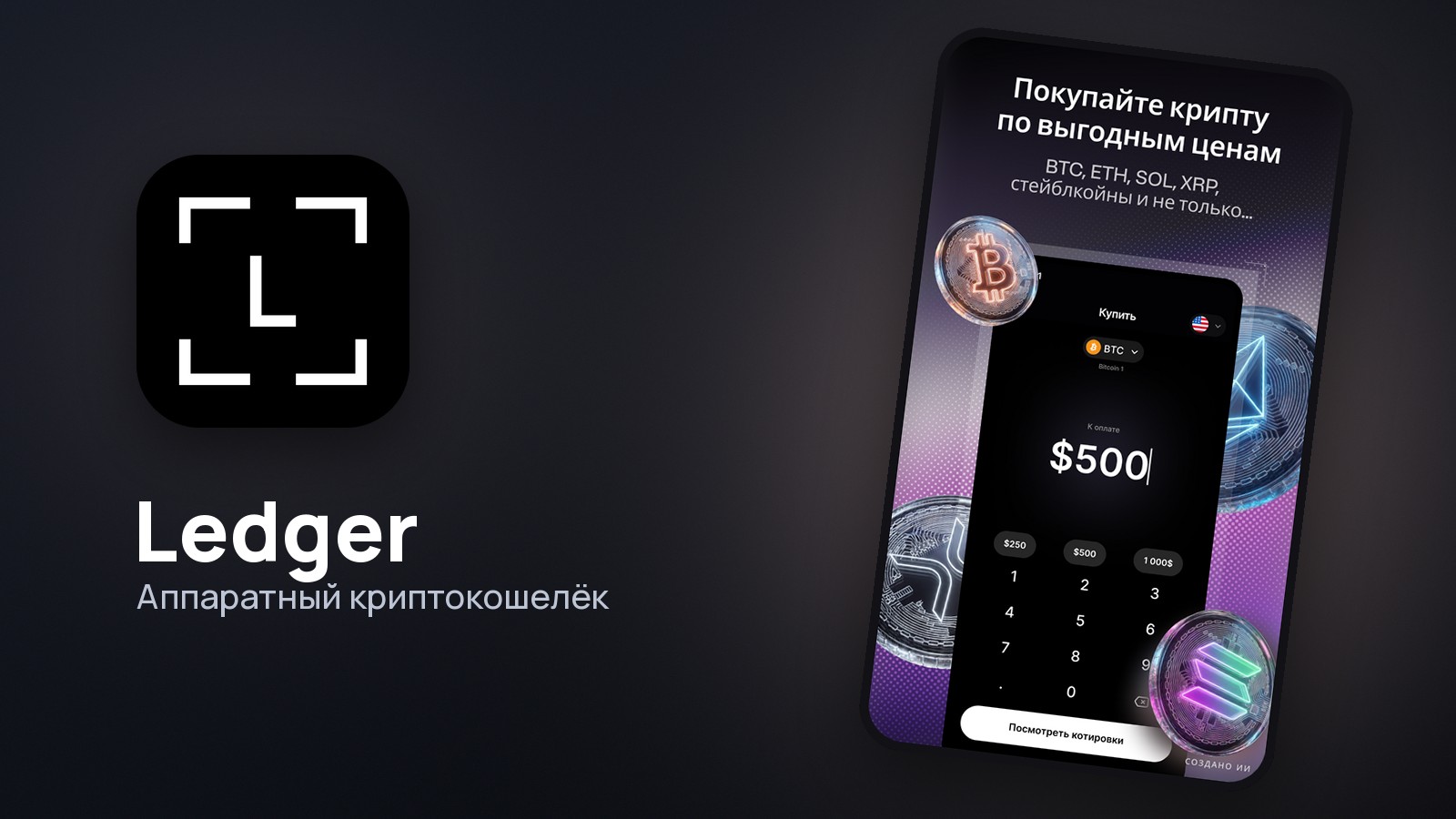
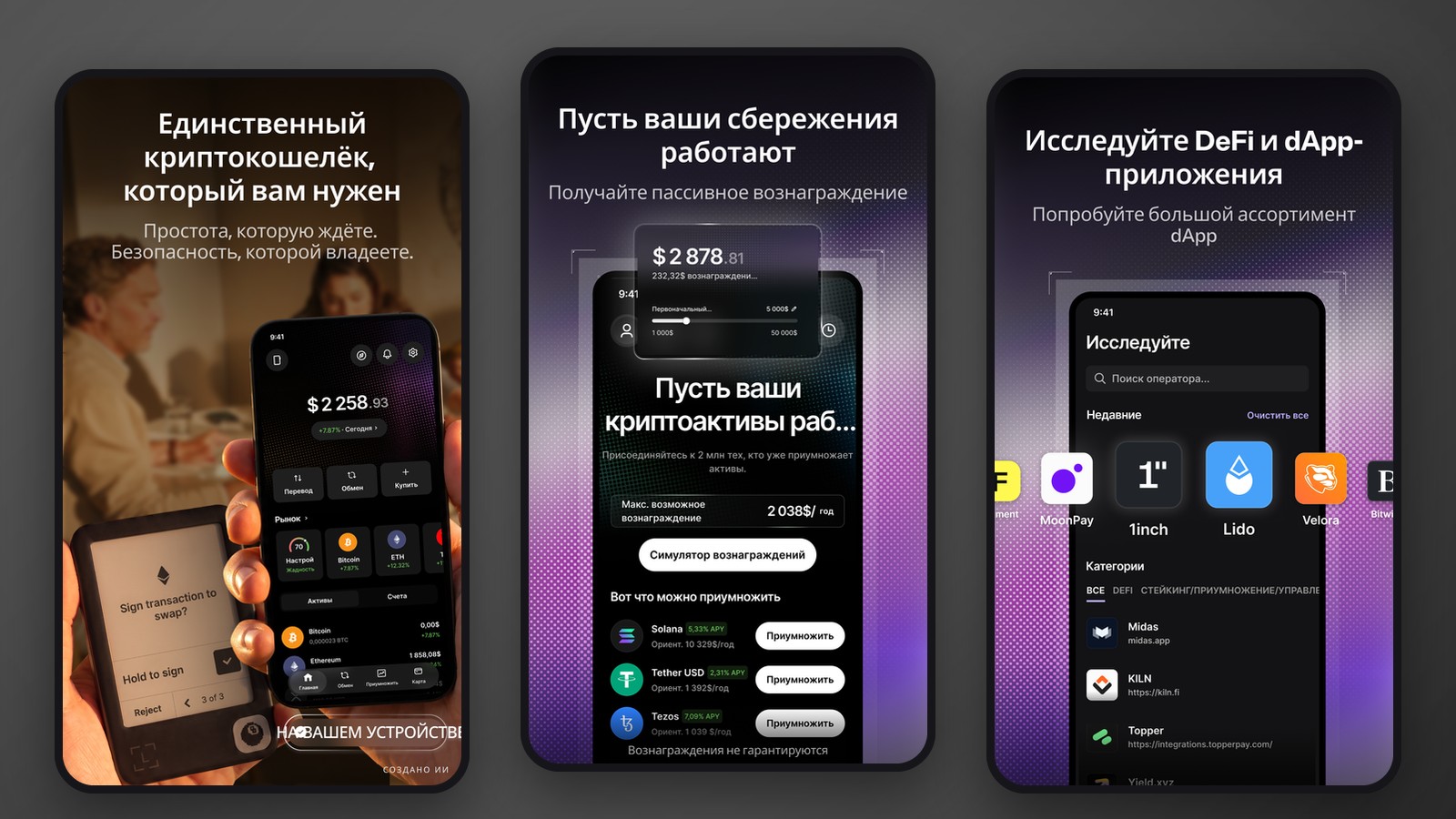
The devices work in conjunction with the Ledger Wallet app, formerly known as Ledger Live. The app displays balances, creates accounts for supported blockchains, and provides access to transfers, exchanges, and certain partner services. The cryptocurrency itself is not stored “on the device” but on the blockchain; the hardware wallet protects the keys needed to manage the assets.
Ledger Models and Differences
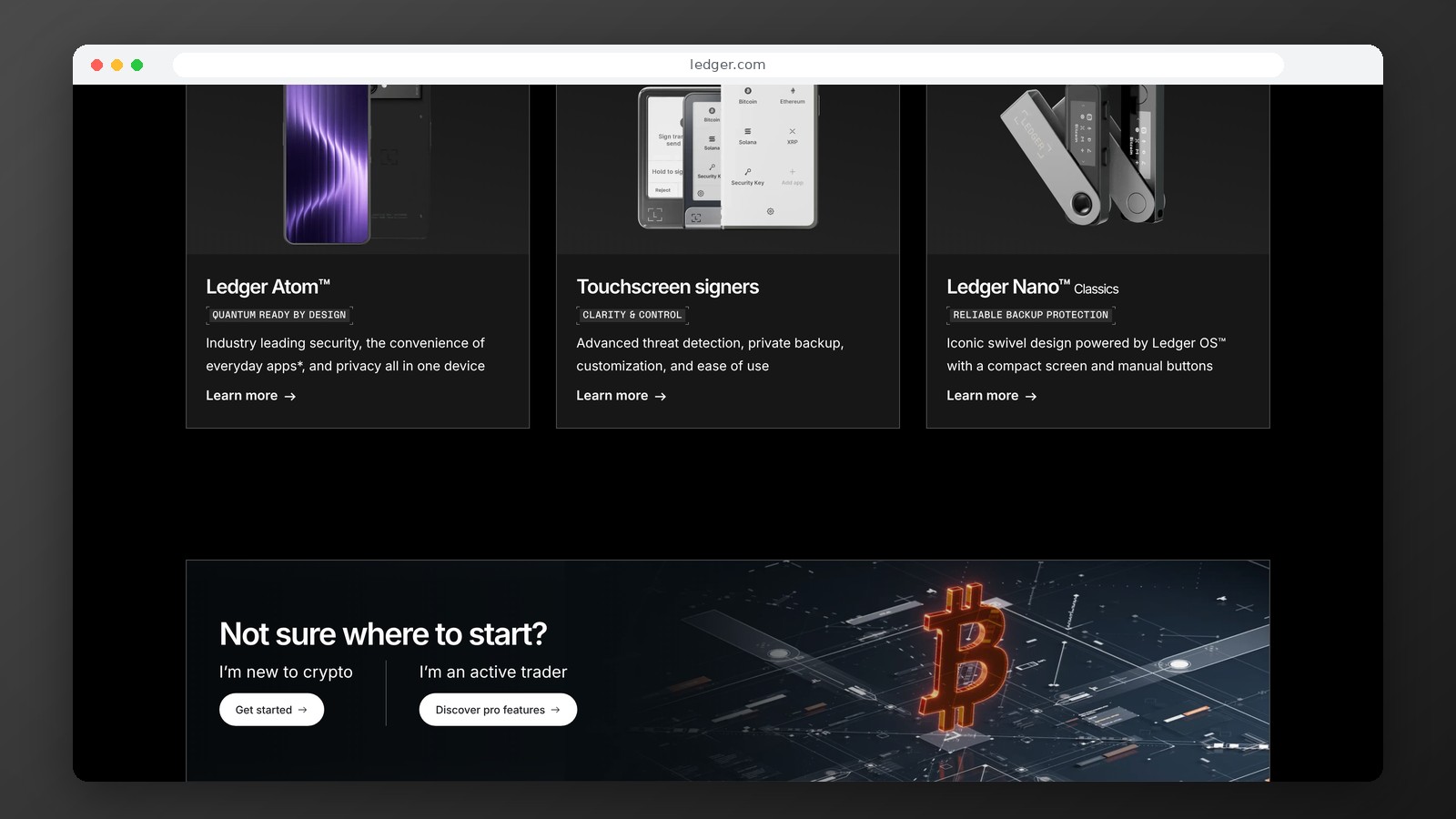
The lineup includes the Ledger Nano S Plus, Nano X, Nano Gen5, Flex, and Stax. The devices differ in their displays, connection methods, and ease of verifying transactions. The Nano S Plus is designed for wired use, the Nano X supports Bluetooth, and the Nano Gen5, Flex, and Stax are equipped with large, secure touchscreens. When choosing a model, compatibility with your specific phone and computer is important: not all models connect to an iPhone in the same way.
- The Nano S Plus is a compact USB device with physical buttons and no Bluetooth.
- The Nano X features USB and Bluetooth for use with compatible mobile devices.
- Nano Gen5—E Ink touchscreen, USB-C, Bluetooth, and NFC.
- Ledger Flex — a protected touchscreen and support for mobile use.
- Ledger Stax — a large curved E Ink screen and wireless charging.
Security and Backup
During initial setup, recovery data is generated, allowing you to regain access if your device is lost or damaged. For standard recovery, a recovery phrase is used; you must write it down and store it separately from the Ledger itself. You must not photograph it, send it via email, or enter it on websites. This device does not require you to enter the recovery phrase on a random web page to receive a transaction.
A hardware signature protects the key but does not automatically verify the counterparty’s good faith. When confirming a transaction, you must verify that the recipient’s address, the amount, and the network match what is displayed on the device’s trusted screen. Smart contract permissions should be checked especially carefully: granting access to tokens can be more risky than a regular transfer. For significant holdings, it is advisable to separate long-term storage from day-to-day transactions with dApps.
Cryptocurrencies, USDT, and Fees
Ledger supports Bitcoin, Ethereum, and a wide range of other assets through the Ledger Wallet and compatible apps. USDT is used on different blockchains, so the fact that a token appears on the list does not eliminate the need to verify network compatibility. You cannot send USDT from one network to an address on another network without confirmed compatibility. Certain assets can be managed through third-party compatible interfaces when connected to a hardware device.
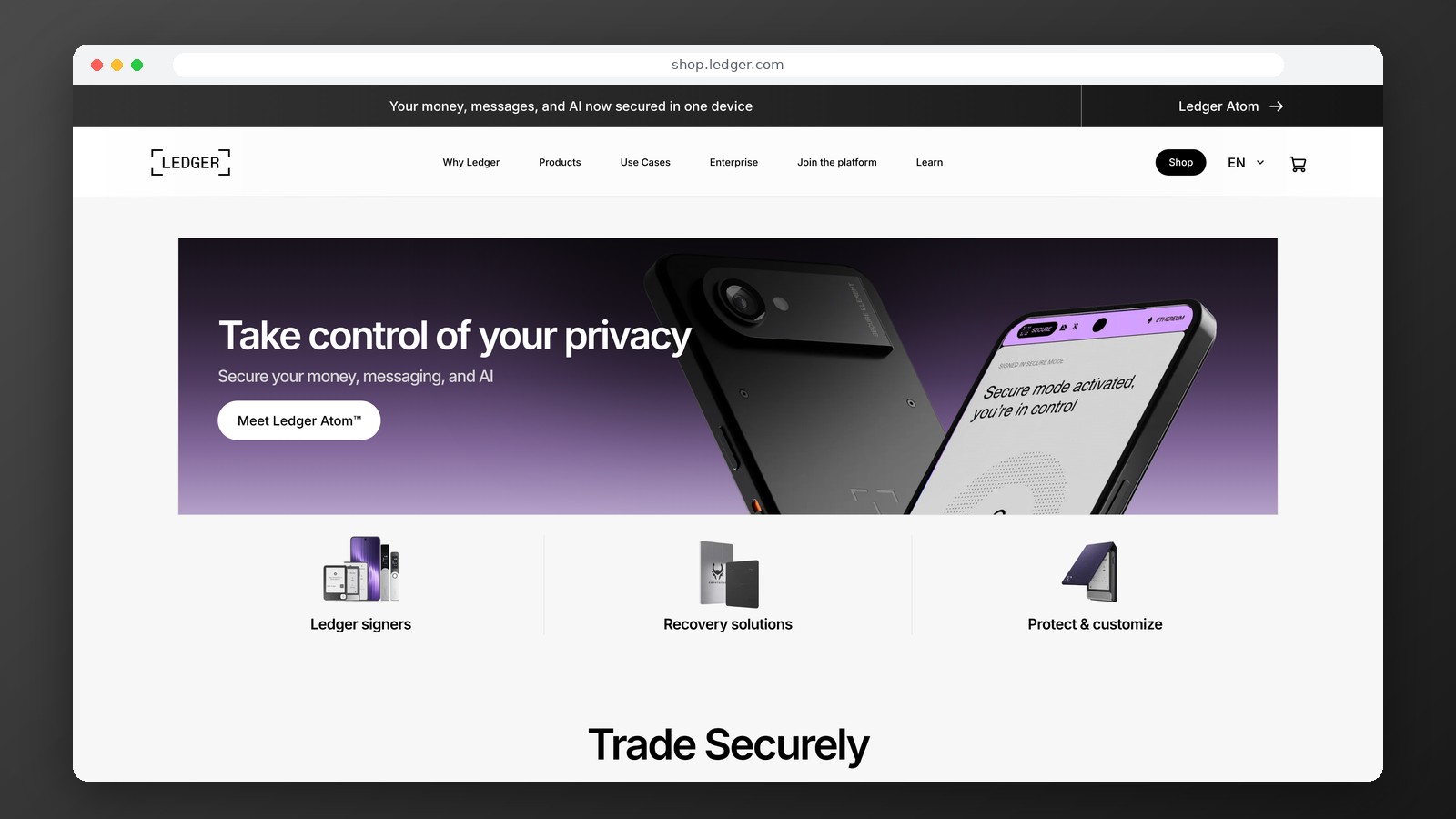
Purchasing a Ledger is the main one-time expense for standard storage. Storing coins at your own addresses does not require a monthly fee for the blockchain itself. A network fee is charged for sending cryptocurrency, and exchanges and purchases with fiat may include partner fees and exchange rate differences. The cost of the device depends on the model, country, and seller. Additional recovery services and other paid options are not required for basic use of a hardware wallet.
For Russia and using bank cards
Hardware cryptocurrency storage is not directly linked to having an account at a Russian bank. Users can sign blockchain transactions on a compatible device; however, fiat purchases, sales, and bank withdrawals depend on payment partners and jurisdiction. The Ledger Wallet app does not guarantee the withdrawal of rubles to a Russian bank card. When purchasing the device itself, it is important to choose a reliable seller, verify the integrity of the package, and complete the initial authenticity check via the official interface.
Frequently Asked Questions
What happens to your cryptocurrency if you lose your Ledger?
Your coins remain on the blockchain. If you have the correct recovery phrase, you can restore access on a compatible device. Without a backup, recovery may not be possible.
Is Ledger compatible with USDT and Bitcoin?
Yes. Ledger is used to store keys for BTC, ETH, USDT, and other supported assets. For USDT, you must select a compatible network.
Can I use a Ledger without the Ledger Wallet app?
Some coins and transactions are supported by third-party compatible interfaces, but the initial setup and device updates are performed according to the procedure specified for the model.
Do I have to pay a recurring fee to store my coins?
No, basic self-custody does not require a subscription fee. You pay for the device, network fees for transfers, and any optional services you choose.
Editor’s Opinion
Ledger is a practical choice for long-term cryptocurrency storage and for those who keep their core capital separate from funds used for daily transactions. The device’s main value lies in removing private keys from browsers and smartphones, requiring confirmation directly on the hardware wallet itself. When choosing a model, compatibility with the user’s devices and screen usability are more important than the maximum number of additional features. The Nano S Plus remains a viable option for desktop use, while the Nano X and touchscreen models are more convenient for mobile use. Ledger does not protect against fraud, malicious permissions, or the loss of your recovery phrase. It is a tool for protecting your keys, not a banking service with guaranteed fund recovery.
Ask a question to a company representative