OKX Wallet - A Web3 wallet for BTC, ETH, SOL, and USDT
 Website
 Type
 Keys


OKX Wallet
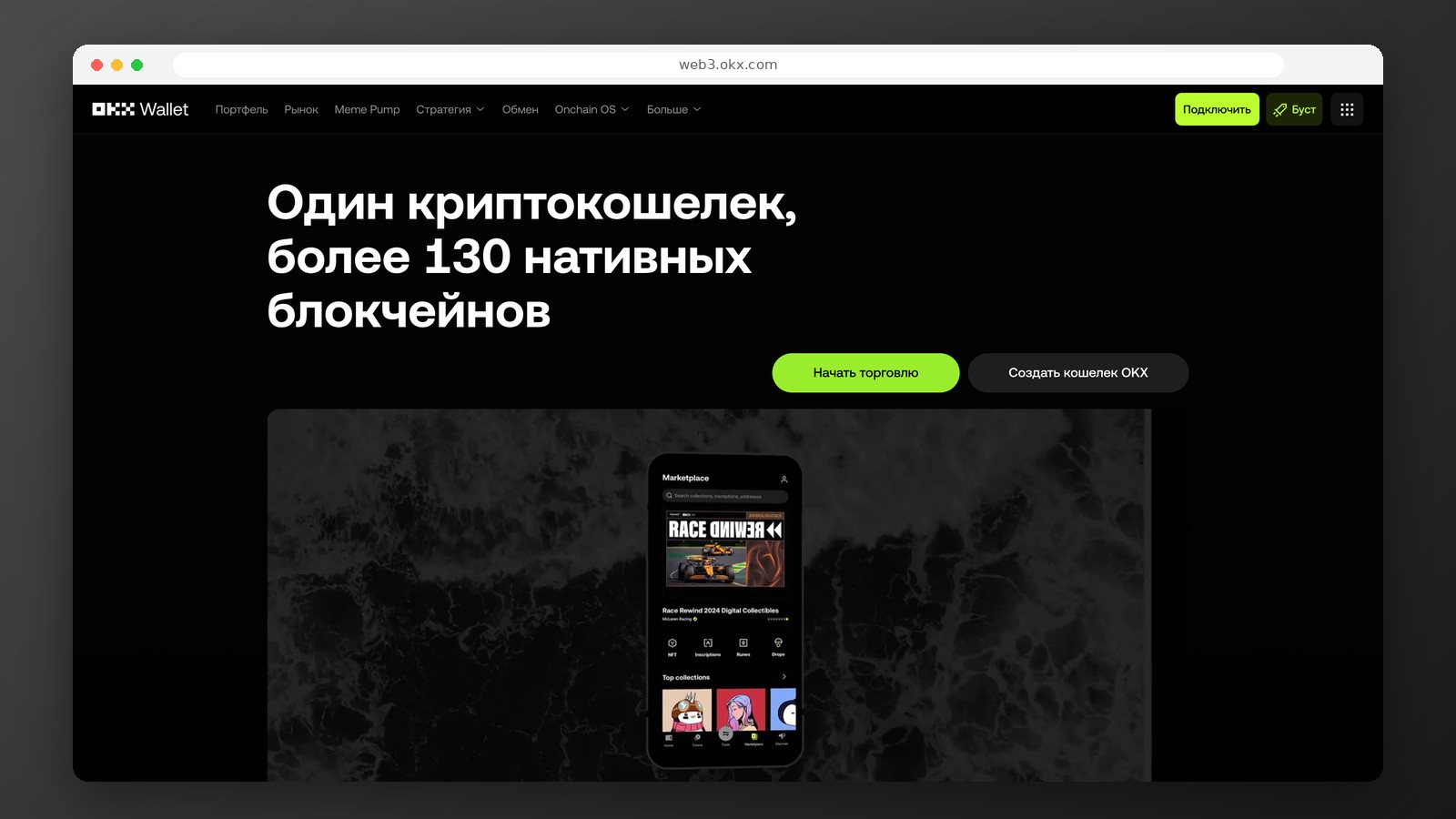
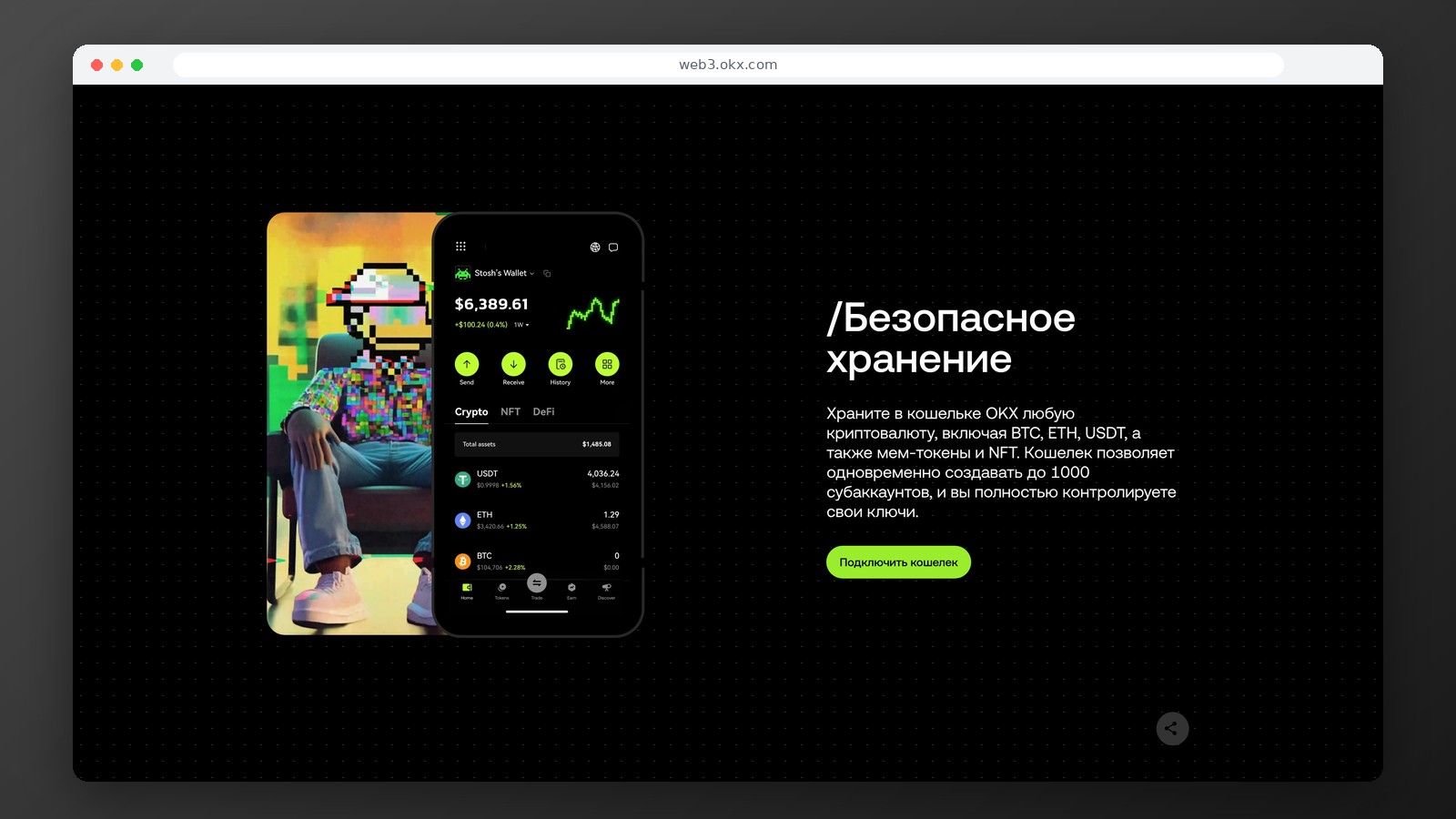
OKX Wallet is a non-custodial crypto wallet for Bitcoin, Ethereum, Solana, TRON, and other blockchains. It is part of the OKX ecosystem but manages assets separately from a centralized exchange account. The owner stores the recovery phrase and controls the private keys. Through a single interface, users can transfer tokens, connect to dApps, and interact with decentralized exchange protocols.
Blockchains, Tokens, and Use Cases
OKX Wallet supports over 80 networks, including Bitcoin, Ethereum, Solana, BNB Smart Chain, Polygon, Avalanche, TRON, and Arbitrum. Different tokens and applications are available on specific networks. For example, USDT ERC-20 is on Ethereum, USDT TRC-20 is on TRON, and USDT on other EVM networks follows the rules of the respective blockchain.
Networks are not interchangeable simply because an asset has the same name. When making a transfer, you must verify which specific token variant the recipient’s address accepts. Sending funds to an unsupported network may result in the loss of funds.
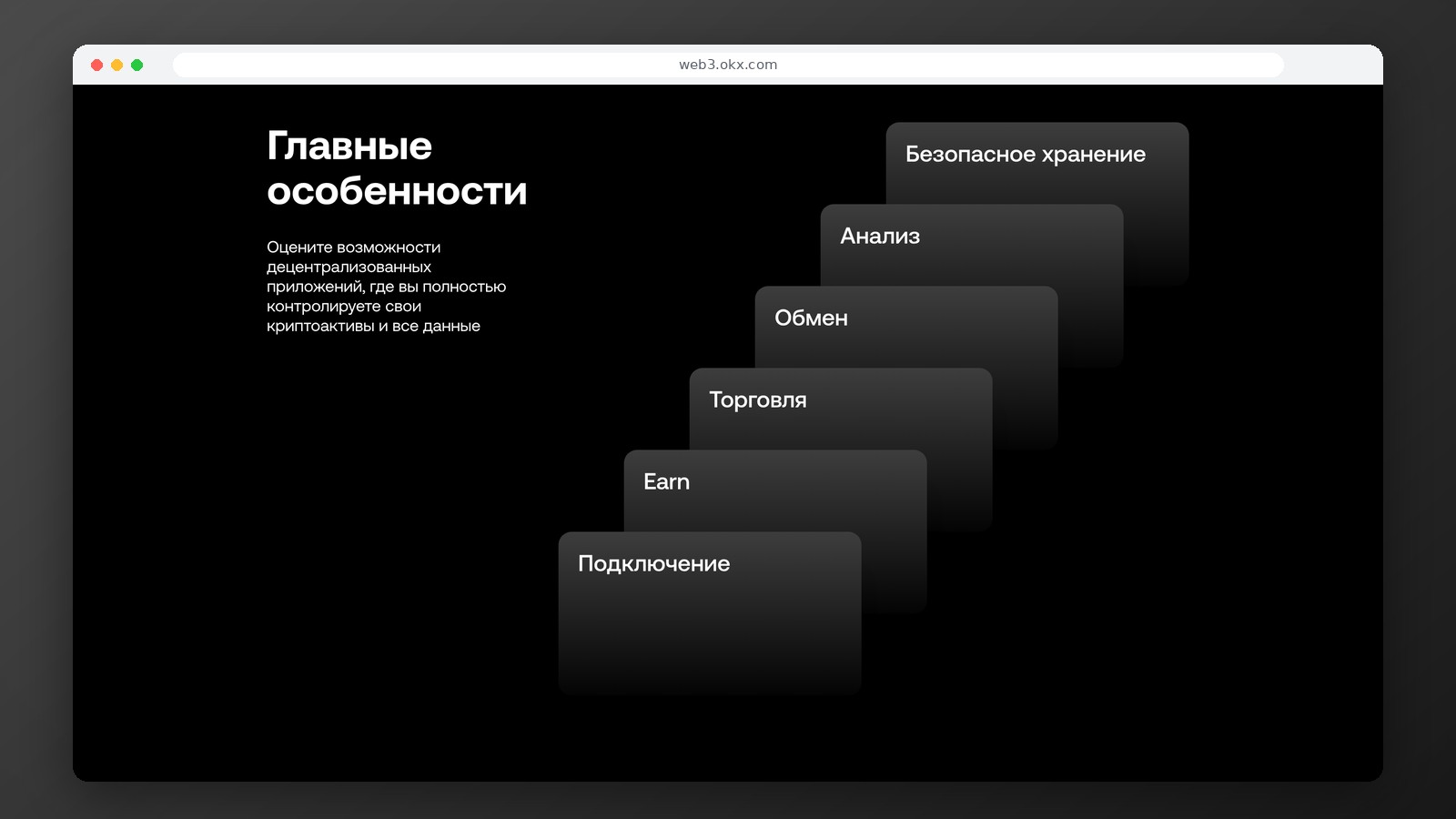
Key features of OKX Wallet:
- self-custody of BTC, ETH, SOL, TRX, and compatible tokens;
- managing addresses from multiple seed phrases;
- Connection to decentralized applications;
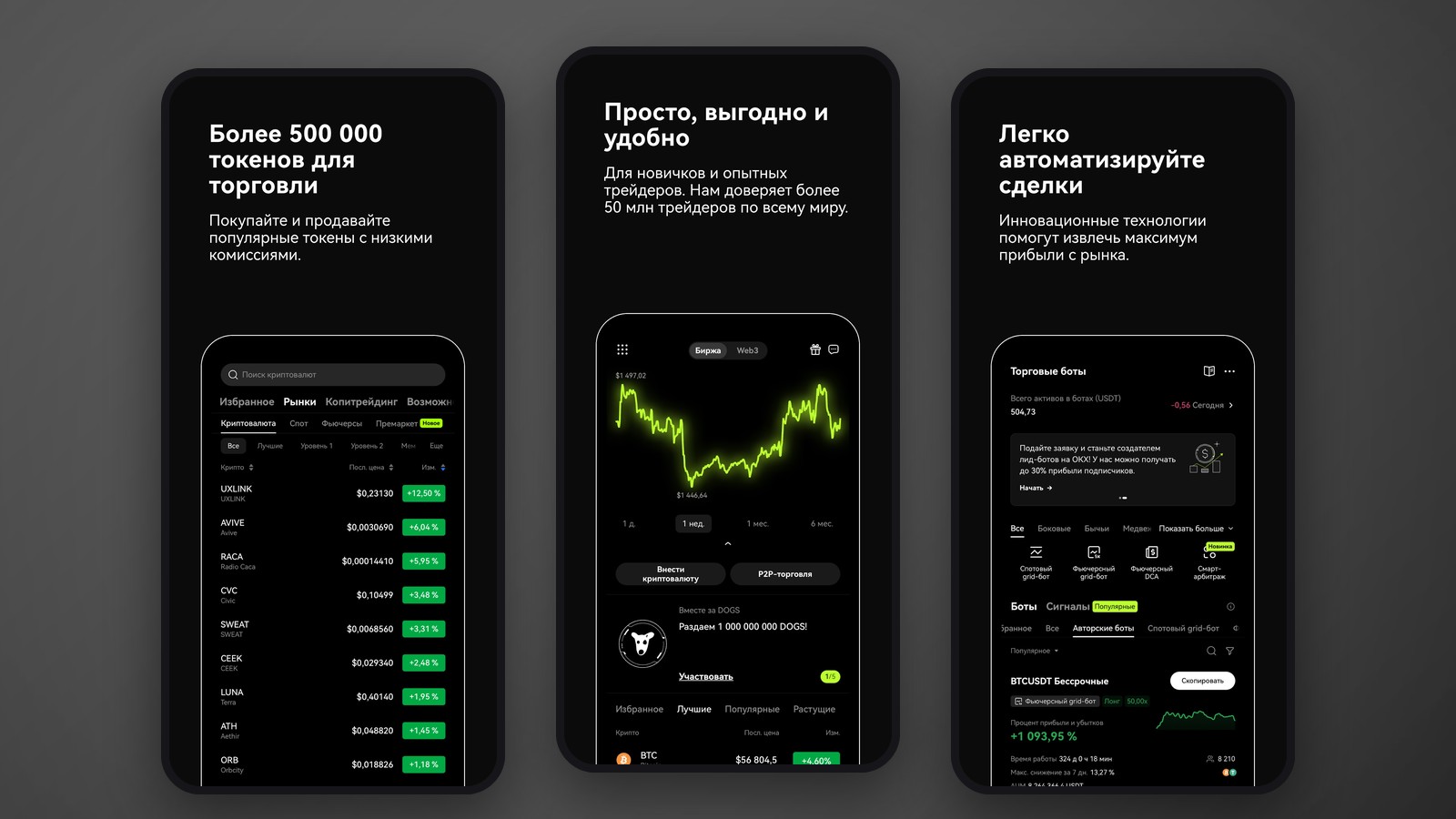
- searching for exchange routes via a DEX aggregator;
- support for NFTs and select DeFi protocols;
- transfers between supported blockchain addresses.
This is a Web3 tool, not a banking wallet. Having USDT in your address does not mean you can withdraw cash or rubles without selling your cryptocurrency through additional infrastructure.
Where OKX Wallet Works and Who Holds the Keys
The wallet is available on iOS, Android, and as a browser extension. There is no standalone, full-featured OKX Wallet desktop application for Windows or macOS; on a computer, a browser extension is used. You can create or import a wallet using a recovery phrase; a single interface supports multiple seed phrases.
OKX Wallet should not be equated with storing funds on an exchange. If a user has sent tokens to their own Web3 wallet address, control over them is determined by the private key. OKX Support cannot recover a lost seed phrase or reverse a confirmed transaction.
Different procedures apply to an OKX exchange account: access via a centralized account, KYC verification, trading products, and fiat transaction rules. Creating a Web3 address and fully using the exchange are separate processes.
Trading via a DEX and the actual transaction cost
OKX Wallet is integrated with decentralized exchange services. The aggregator compares routes and helps facilitate token swaps on supported networks. For certain pairs, DEX Aggregator+ is used, featuring routing through competing providers and Intent Swap mechanisms. The specific route depends on the asset pair, liquidity, and network.
When evaluating a swap, you should consider not only the visible commission rate but also slippage, pool fees, service fees (if applicable), and network gas fees. Transaction fees on Ethereum are paid in ETH; on TRON, TRX and network resources are used; and on Solana, SOL is used. These amounts vary depending on network congestion and transaction parameters. OKX Wallet does not have a universal fixed percentage for all transactions.
Users sign transactions themselves. Before confirming, you should carefully check the contract address, the number of tokens being sent, the expected receipt amount, and the maximum slippage. For unknown tokens and illiquid pools, the risk of receiving less than expected is higher.
Security and Web3 Connectivity
When creating a wallet, it is important to immediately store the seed phrase in a secure, offline location. App passwords and biometrics protect local access but cannot recover a lost private key. If the device containing the wallet is lost, the recovery phrase is what will allow you to regain access on another compatible device.
Smart contract permissions require special caution. Connecting to a dApp to view information is usually different from granting permission to spend tokens. Confirming an unrestricted permission could allow a smart contract to debit assets later. For large amounts, separate storage addresses are useful, and for active DeFi use, a separate address with a limited balance is recommended.
OKX Wallet for Russia and Withdrawals to a Card
This non-custodial Web3 wallet allows you to sign and send transactions on supported networks. However, the operation of the OKX exchange, the purchase of cryptocurrency with fiat currency, and withdrawals to a card depend on the country and specific payment providers. These features cannot be considered guaranteed to be available to users in Russia.
OKX Wallet is not a ruble-based banking app. To withdraw USDT to a card, you must exchange or sell cryptocurrency through a separate available channel with corresponding terms and verification requirements. Do not confuse transferring USDT to another crypto address with transferring rubles to a card.
Frequently Asked Questions
Are OKX Wallet and an OKX exchange account the same thing?
No. OKX Wallet is a non-custodial Web3 wallet with user-controlled private keys. The exchange account is managed by OKX’s centralized infrastructure.
Are TRC-20 USDT and the Solana network supported?
Yes. OKX Wallet supports TRON, Solana, and other networks. When transferring USDT, you must select the correct blockchain.
Is KYC required to create a Web3 wallet?
Creating a non-custodial address on your own is not the same as registering on an exchange. OKX’s exchange and fiat features may require mandatory identification.
Can I withdraw USDT directly to a Russian bank card?
There is no universal built-in withdrawal feature to Russian bank cards. To sell or make a fiat withdrawal, you’ll need a separate, accessible service.
Editor’s Opinion
OKX Wallet is suitable for those who value support for multiple blockchains, decentralized exchanges, and access to Web3 through a single interface. Support for Bitcoin, Solana, TRON, and EVM networks makes it more versatile than a highly specialized single-network wallet. However, the breadth of features does not replace an understanding of fees, smart contract permissions, and the differences between the exchange and your own addresses. The product is convenient for storage and on-chain transactions; however, to guarantee ruble withdrawals to a card and work with Russian banks, its capabilities are insufficient without third-party services.
Ask a question to a company representative