Rabby Wallet - a crypto wallet for Ethereum and EVM networks
 Website
 Type
 Keys


Rabby Wallet
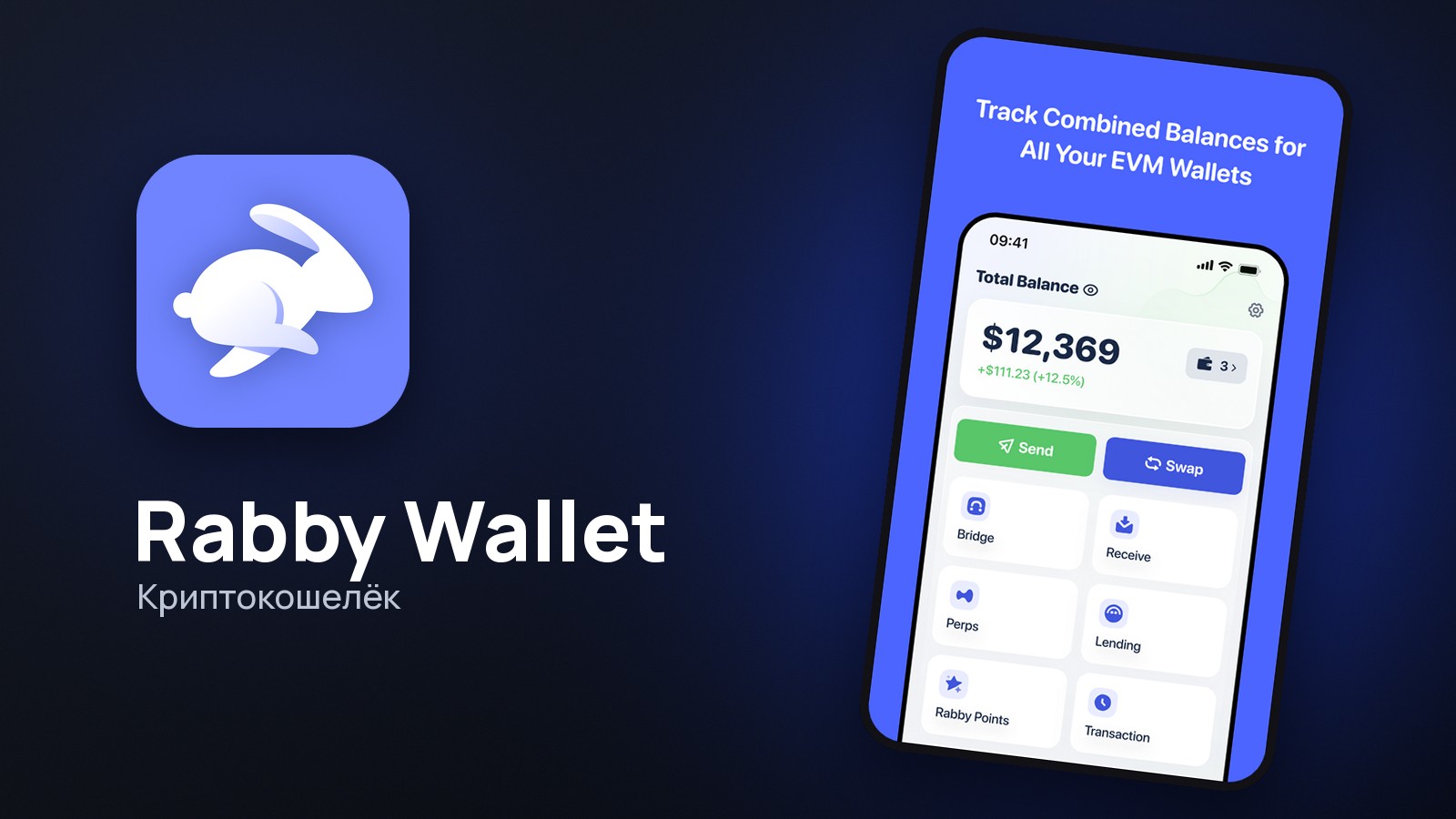
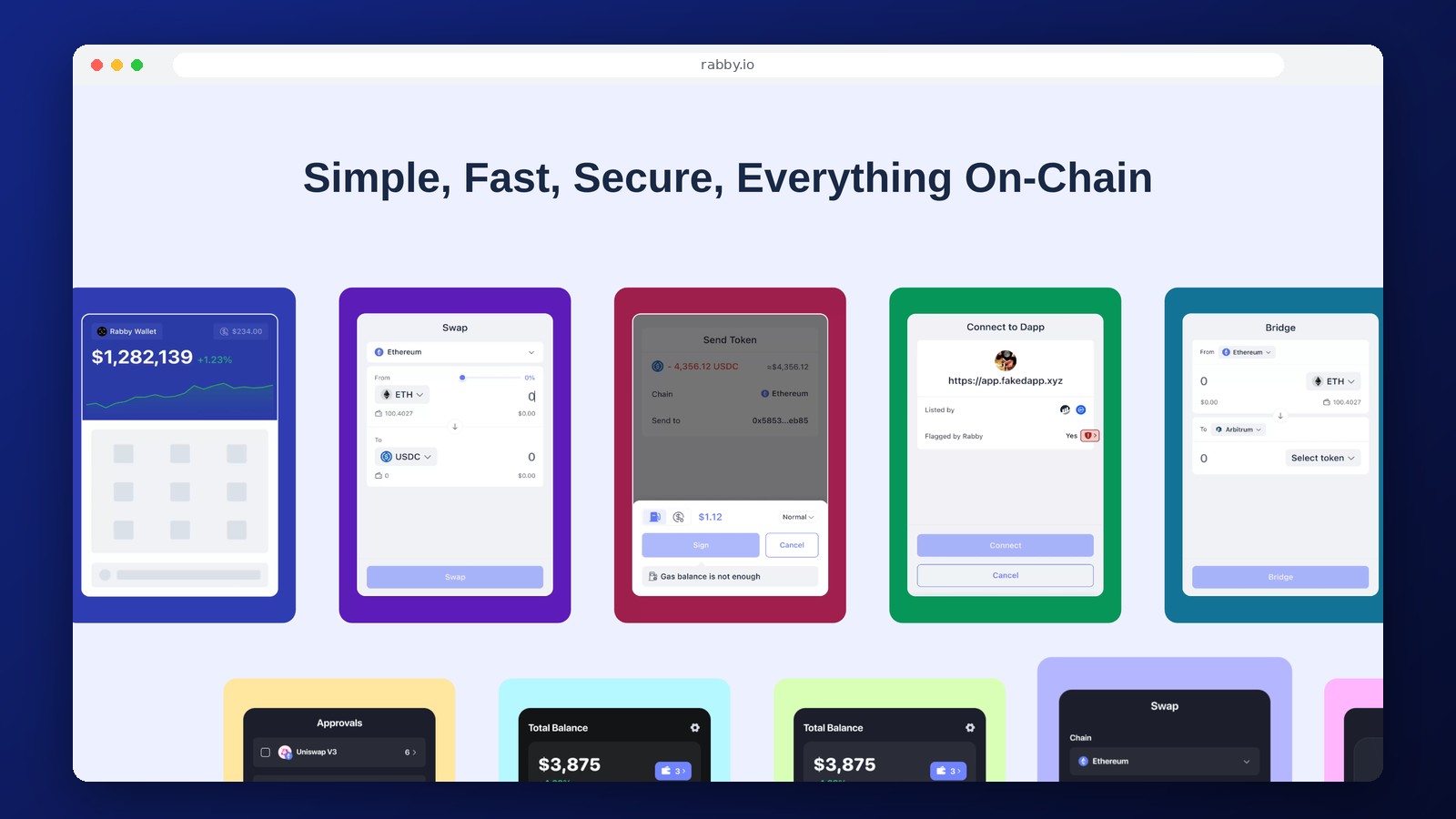
Rabby Wallet is a non-custodial crypto wallet for Ethereum and EVM-compatible blockchains. Its primary focus is on DeFi, smart contracts, and tokens across multiple networks. Rabby is available as a browser extension, an app for iOS and Android, and a desktop application for Windows and macOS. Users retain control of their private keys and confirm transactions within the wallet interface.
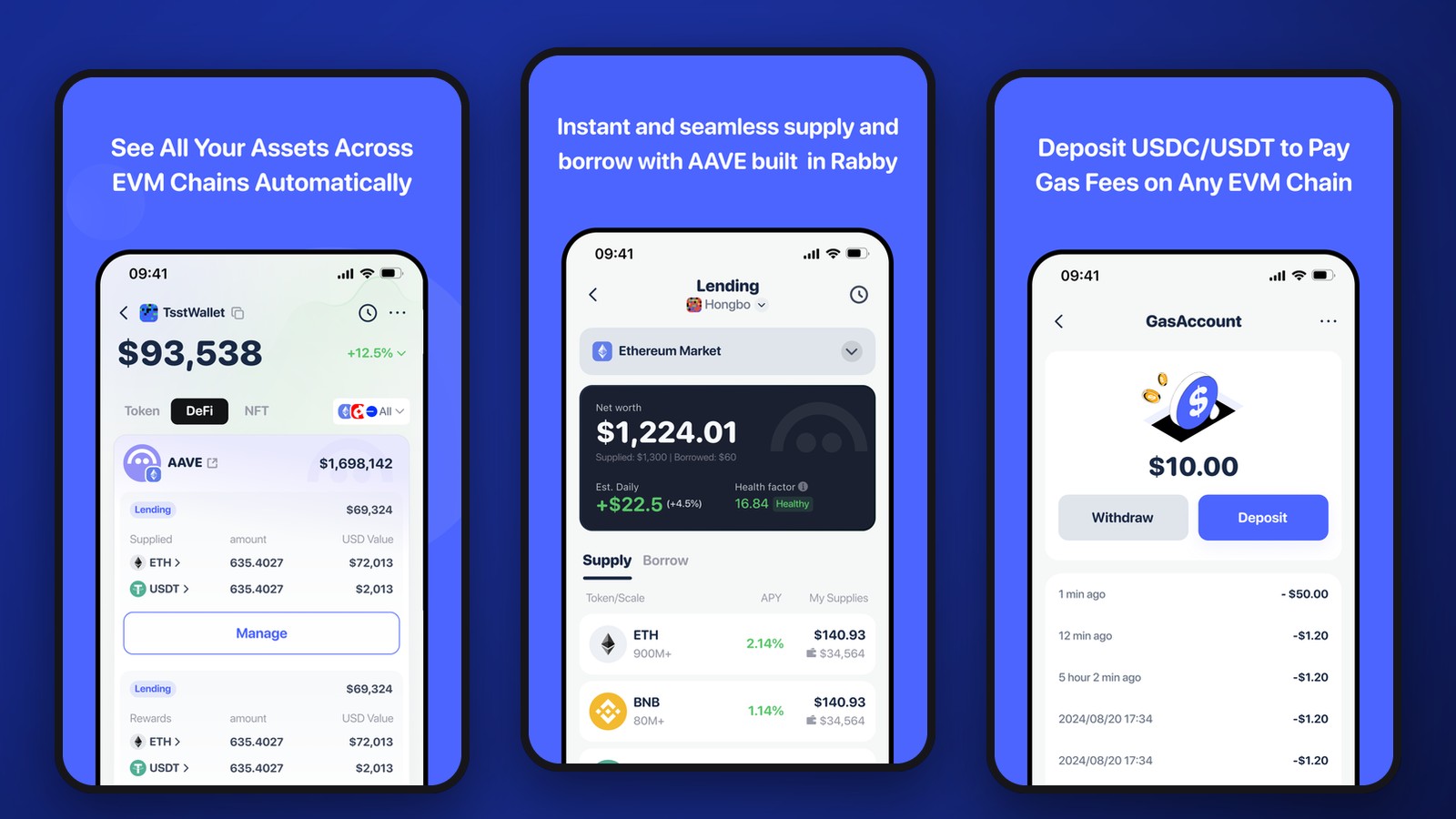
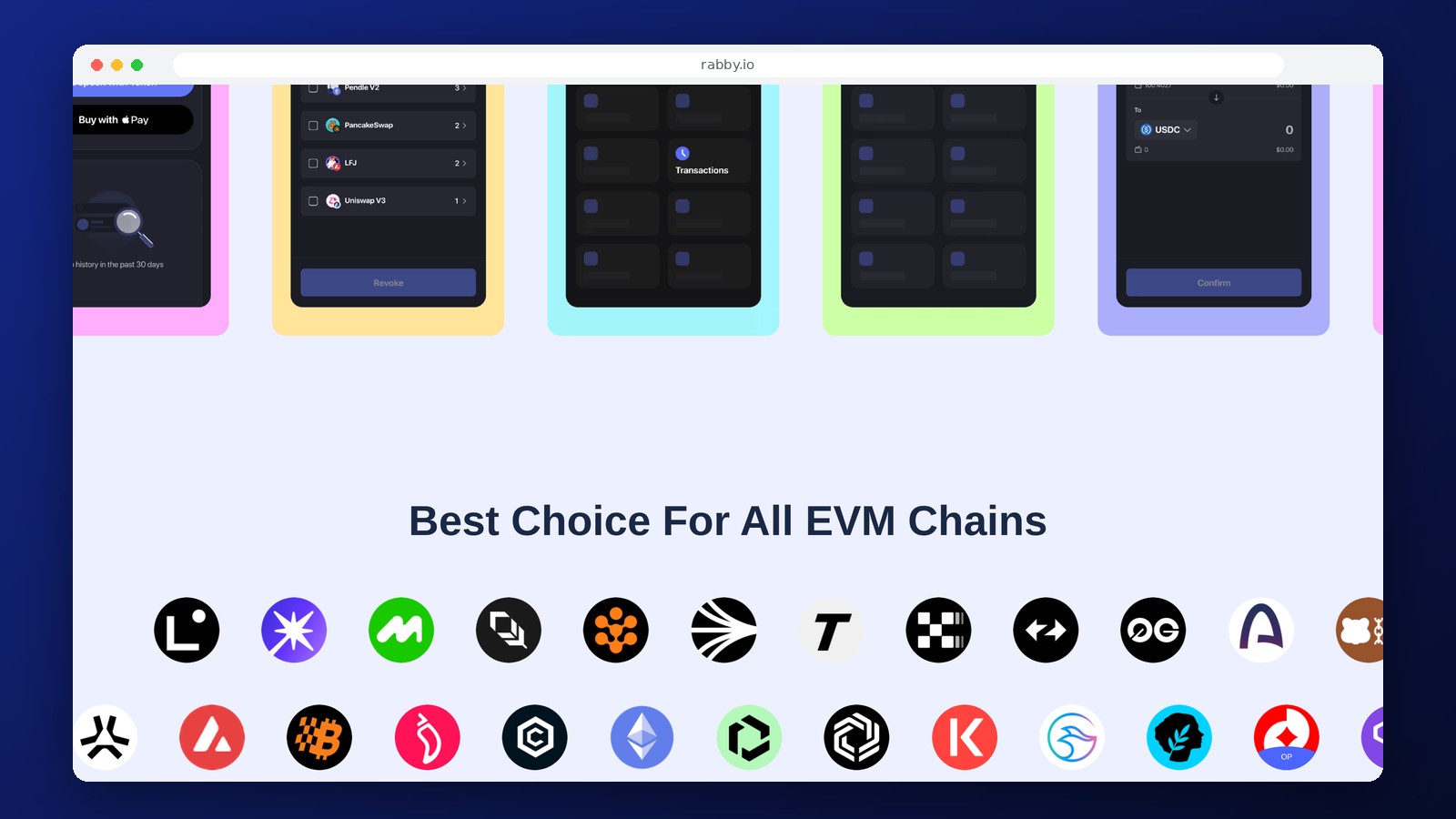
Rabby is focused on the Ethereum ecosystem but is not limited to its mainnet. Supported blockchains include Arbitrum, Optimism, Base, Polygon, BNB Chain, Avalanche C-Chain, and other EVM networks. When visiting a decentralized application, the wallet detects the target network and displays the associated assets. This reduces the need for manual switching when users interact with multiple DeFi protocols.
Transactions and Pre-Signature Verification
A distinctive feature of Rabby is the ability to simulate transactions in advance. Before confirmation, the interface attempts to show which assets will be debited, what will be credited to the address, and what permissions the smart contract is requesting. It also provides warnings about potentially risky actions. This verification is particularly useful for exchanges, liquidity management, and interactions with unknown contracts.
However, the simulation result is not a guarantee of security. The state of the smart contract may change by the time of execution, and a malicious protocol may behave unpredictably. Users should still verify the application domain, the contract address, and the scope of permissions for spending tokens. Unlimited “approval” permissions are particularly dangerous, as they allow the contract to transfer assets without re-requesting authorization for each transaction.
What Rabby Can Do:
- display assets and addresses across multiple EVM networks simultaneously;
- connect to decentralized applications and sign transactions;
- preview the consequences of a transfer or contract call;
- manage granted permissions to spend tokens;
- work with hardware wallets for offline key storage;
- Perform available exchanges and transfers via integrated routes.
Networks, USDT, and Limits
Rabby supports ERC-20 tokens and other compatible assets on EVM blockchains. For example, USDT on Ethereum and USDT on Arbitrum are served by different networks. The fact that they share the same 0x address format does not mean that tokens are automatically transferred between them. Such a transfer requires a compatible bridge, while a standard transfer requires the correct sending and receiving networks.
Rabby is not designed for storing native Bitcoin on the Bitcoin network, SOL on Solana, or TRC-20 USDT on TRON. In these cases, you’ll need a wallet for the corresponding blockchain. Do not send an asset simply because the token name appears in the search results or the address looks similar at first glance.
Fees and Gas
Installing the wallet is free. Confirmed blockchain transactions are subject to fees charged by the specific EVM network, typically in its native asset: ETH, BNB, or another coin. The fee amount depends on the current network congestion and the complexity of the transaction. Built-in exchanges and cross-chain routes may include an additional fee and exchange rate differences; the final cost is displayed before confirmation.
Rabby offers tools for managing gas fees across multiple networks, but these do not eliminate actual blockchain costs. Before performing a complex transaction, you should check which token is used to pay the fee and whether you have enough of it on the target network. This is especially important when transferring assets between networks, as fees are incurred on both sides of the transaction.
Keys and Hardware Device Connection
The non-custodial model means that the app does not store users’ coins in a separate exchange account and cannot reverse a transfer. When creating a software wallet, the owner is responsible for backing up the recovery phrase. If the secret phrase is compromised, an attacker can import the address into another app regardless of the password set in Rabby.
For transactions involving large amounts, it is advisable to use Rabby as an interface to a hardware wallet. In this case, transaction confirmation takes place on the hardware device itself, and private keys do not need to be transferred to the browser. This reduces the risk of keys being stolen from the computer but does not protect against voluntarily confirming an erroneous or malicious transaction.
Use in Russia
You do not need a bank card or a Russian passport to create a non-custodial EVM wallet. The availability of a standalone mobile app, cryptocurrency purchases, fiat exchange, and withdrawals to bank cards may depend on the app store, country, and third-party payment partner. Rabby should be viewed primarily as a wallet for on-chain transactions, rather than as a guaranteed channel for withdrawing rubles.
Frequently Asked Questions
Does Rabby support USDT TRC-20?
No. TRC-20 is part of the TRON network, while Rabby works with EVM-compatible blockchains. You’ll need a TRON wallet for USDT TRC-20.
Is the Rabby Wallet available on iPhone and Android?
Yes. In addition to browser extensions, mobile apps are available for iOS and Android, as well as versions for Windows and macOS.
Why is a transaction simulation needed?
It shows the expected debits, asset receipts, and smart contract approvals before signing. Simulation helps identify risks but does not guarantee the security of the transaction.
Can I connect a hardware wallet?
Yes. Rabby is compatible with hardware solutions that allow you to confirm transactions separately from your computer. You should check the compatibility of a specific model before connecting it.
Editor’s Opinion
Rabby Wallet is particularly useful for active DeFi users who work with multiple EVM networks simultaneously. The wallet’s appeal lies not in the number of tokens on its supported list, but in its convenient pre-signature verification of actions and contract permission management. Automatic network detection saves time, but it can also create a false impression that all 0x tokens move freely between blockchains. Therefore, Rabby is best suited for those who understand the difference between an address, a network, and a bridge. For Bitcoin, Solana, and TRON, a different tool is needed. When working with large amounts, combining Rabby with hardware signing is a smarter choice than simply storing your seed phrase on an everyday computer.
Ask a question to a company representative