FlexCard: Virtual Cards, Fees, and Top-Ups

 Type


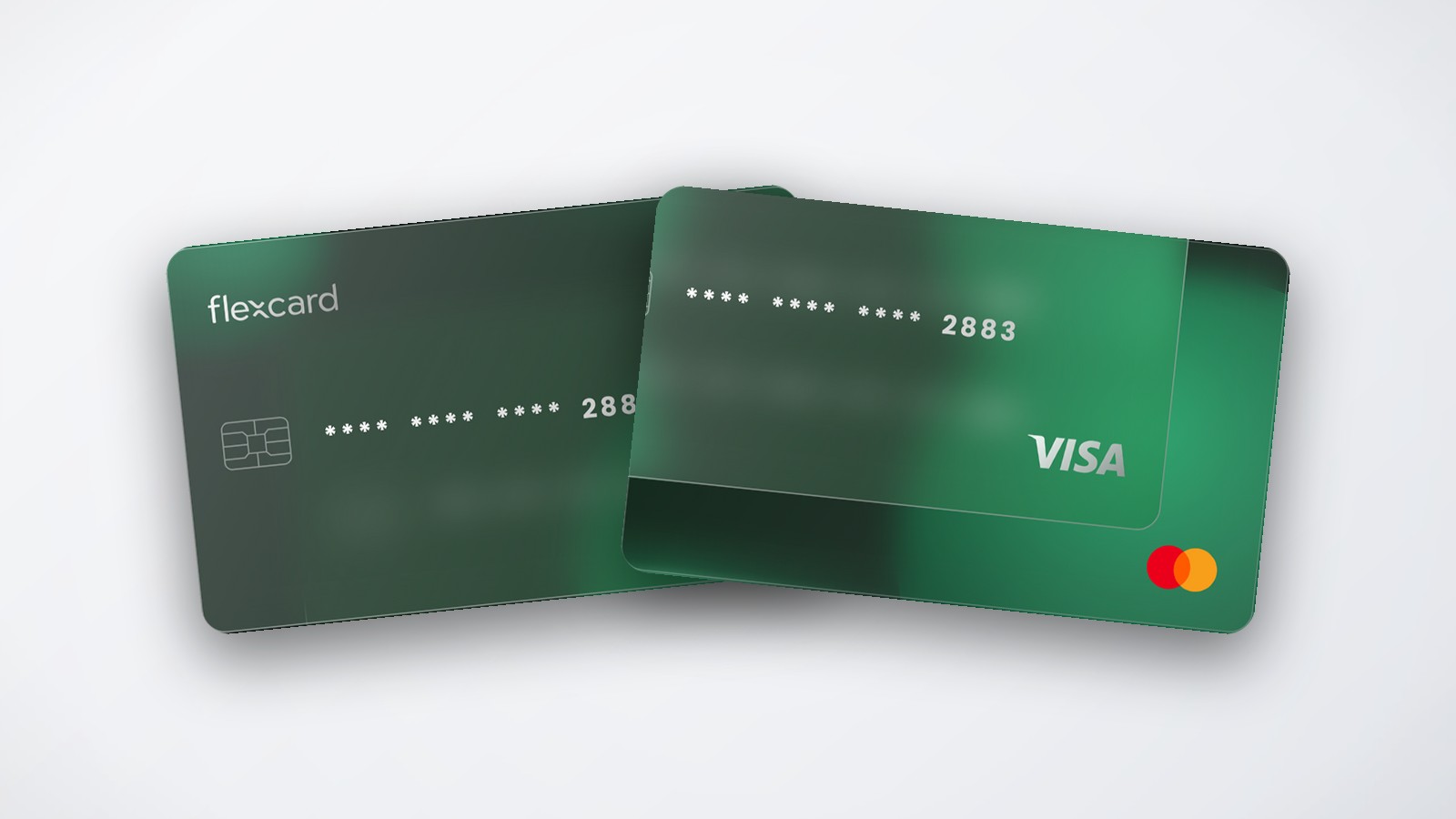


FlexCard
FlexCard is a virtual payment card service primarily aimed at advertising agencies, digital teams, and payments for online products. FlexCard cards are designed for payments to Facebook, TikTok, Google, SaaS, and other digital services. The user agreement describes the primary purpose as issuing cards for advertising networks.
FlexCard’s basic terms and conditions regarding pricing and the user agreement as of October 12, 2026:
- card issuance fee: starting at 2.5 USD;
- top-up fee: starting at 3.5%;
- Currencies: USD, EUR, and GBP;
- Top-ups: USDT TRC-20, USDT ERC-20, and USDC ERC-20;
- bank transfer in USD or EUR;
- Unlimited number of virtual cards;
- Registration starts with an email address;
- team collaboration with role and budget allocation is available.
The public issuance price on the main page starts at 2.5 USD, and the agreement allows for a range of 2–4 USD or EUR depending on the BIN. The top-up fee starts at 3.5% and depends on the amount and volume of spending. MCC restrictions and terms of use are determined by the card program agreement, not by the list of advertised services.
FlexCard differs from consumer-oriented virtual card services in its focus on media buying. In the dashboard, you can issue multiple cards, allocate expenses among team members, adjust spending limits, and analyze transaction statistics. This is convenient for agencies and companies that need to divide their budgets among advertising platforms.
The cards can be used to pay for OpenAI, ChatGPT, Midjourney, Gemini, Adobe, Shopify, and Zoom within the limits set by the merchant and the specific BIN. However, the user agreement emphasizes advertising use. If you need the card for a personal subscription, you should check the available BIN and the intended use of the specific card program before applying.
The terms of use specify a stricter purpose for the cards: they are issued exclusively for advertising on ad networks. The service reserves the right to restrict an account if, among other things, the rate of declined transactions exceeds 20%. Therefore, the list of SaaS providers on the homepage does not constitute contractual authorization for any personal payments: you must confirm the intended use of the selected program with support before paying for the card issuance.
Topping up with cryptocurrency makes the service convenient for teams using USDT/USDC. Direct top-ups in rubles via the Single Payment Gateway (SPG) for FlexCard are not available under the standard pricing plans. Bank transfers must be made in EUR or USD. Therefore, Russian users must also consider how to obtain USDT/USDC or the cost of an international transfer.
The 3.5% commission is the minimum rate, not a standard rate. The actual rate depends on the account terms. The issuance fee also varies between BINs. For large numbers of cards, even a small difference in the issuance fee becomes significant, so when working as a team, you need to calculate the total costs across the entire pool.
FlexCard limits can be changed for free, and the number of cards and cardholders in the corporate dashboard is not restricted by any published limit. For businesses, this may be more important than the minimum cost per card. At the same time, the service should not be viewed as a replacement for a full-fledged bank account: it is a technical platform for issuing and managing virtual cards.
Refunds of the remaining balance are processed upon contacting support, and payment system fees associated with the refund are deducted from the amount. Under the terms of the service, funds are refunded via the original method of deposit—not in cash and not to a third party. Errors in the USDT/USDC network and amounts below the minimum deposit may result in funds not being credited.
Questions and Answers
How much does a FlexCard cost?
The issuance fee starts at 2.5 USD and depends on the specific BIN; for different programs, it ranges from about 2 to 4 USD/EUR.
What is the deposit fee?
The base rate starts at 3.5%.
How do I load funds onto my FlexCard?
USDT, USDC, and bank transfers in USD/EUR are supported.
Can I issue multiple cards?
Yes. The service does not limit the number of virtual cards at the level of the overall card program.
Editor’s Opinion
FlexCard is primarily geared toward advertising and team expenses. The low issuance cost and ability to create cards in bulk are convenient for agencies. For individual subscriptions, the benefits are more limited: there’s no direct top-up via the payment system, and the commission starts at 3.5%. The service’s strengths include transparent rules, a range of pricing options, and solid team functionality. For ChatGPT and other SaaS services, a suitable BIN is required: the terms for advertising and general-purpose cards may differ. For businesses, FlexCard should be evaluated based on the total cost of reloading and the ease of managing dozens of cards, rather than on the price of a single card issuance.
Ask a question to a company representative