T-Bank Virtual Card: Terms and Conditions and How to Apply

 Type
 Payment system
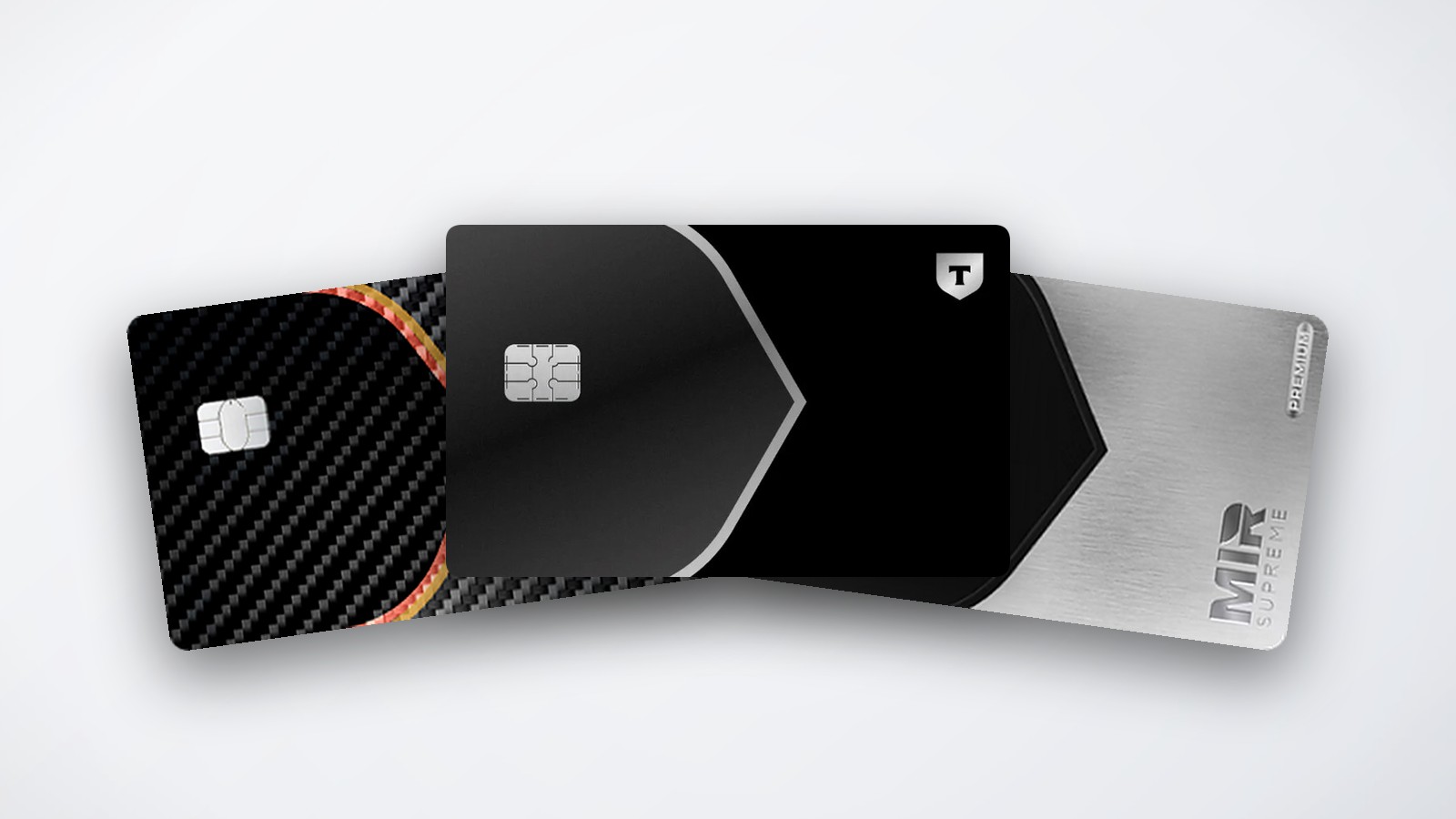


T-Bank
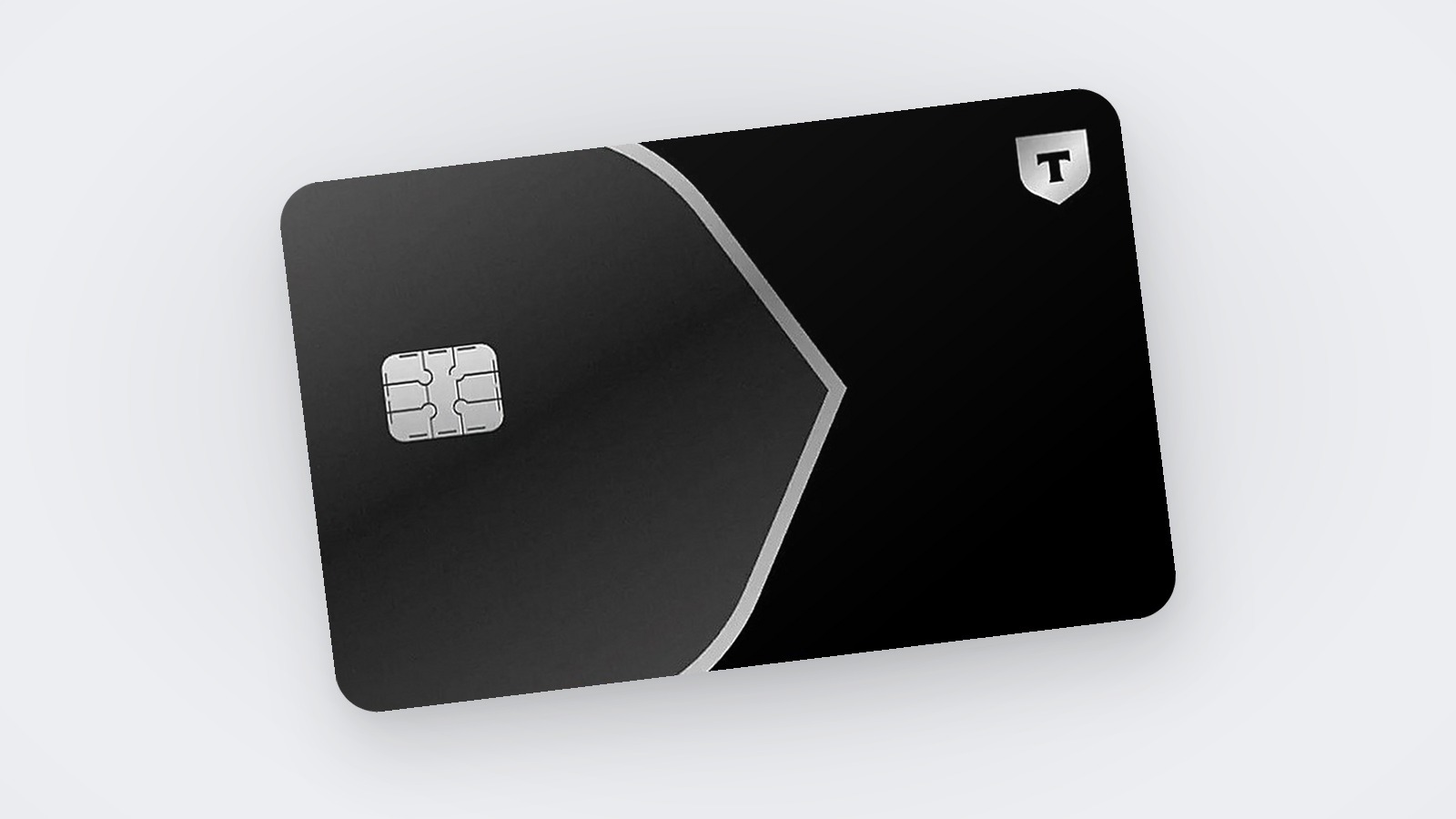
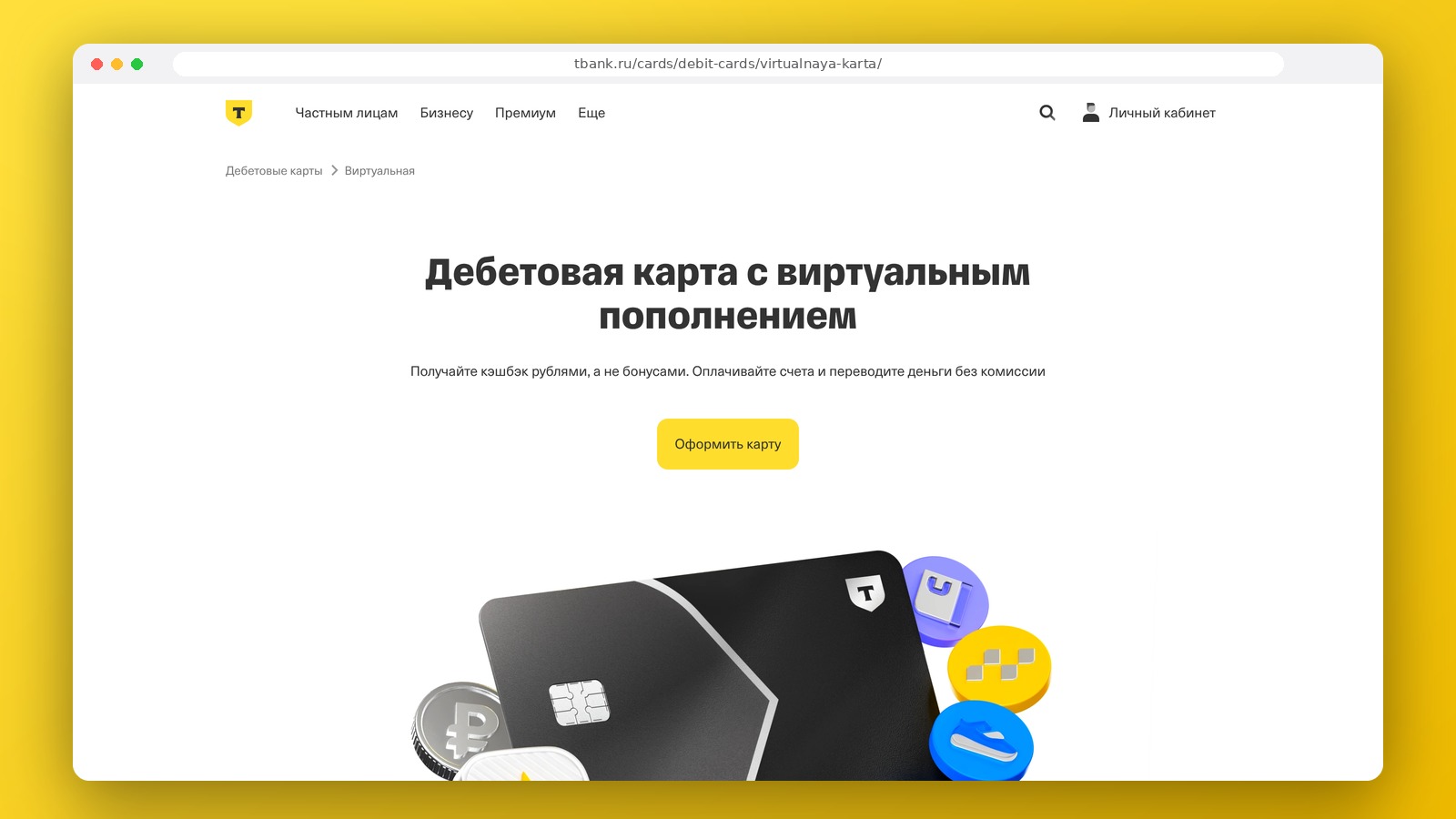
A T-Bank virtual card is issued as an additional card linked to an existing card account. It has its own account details, but funds are debited from the main card’s shared account. This allows you to allocate online purchases, subscriptions, and specific expenses to separate accounts without opening another account.
The terms and conditions of issuance and service are valid through November 2026.
Key terms for the virtual card:
- Issuance of an additional virtual card is free;
- there is no separate service fee for the virtual card itself;
- The card has its own number, expiration date, and security code;
- The balance is shared with the primary card;
- You can set separate spending limits for the virtual card;
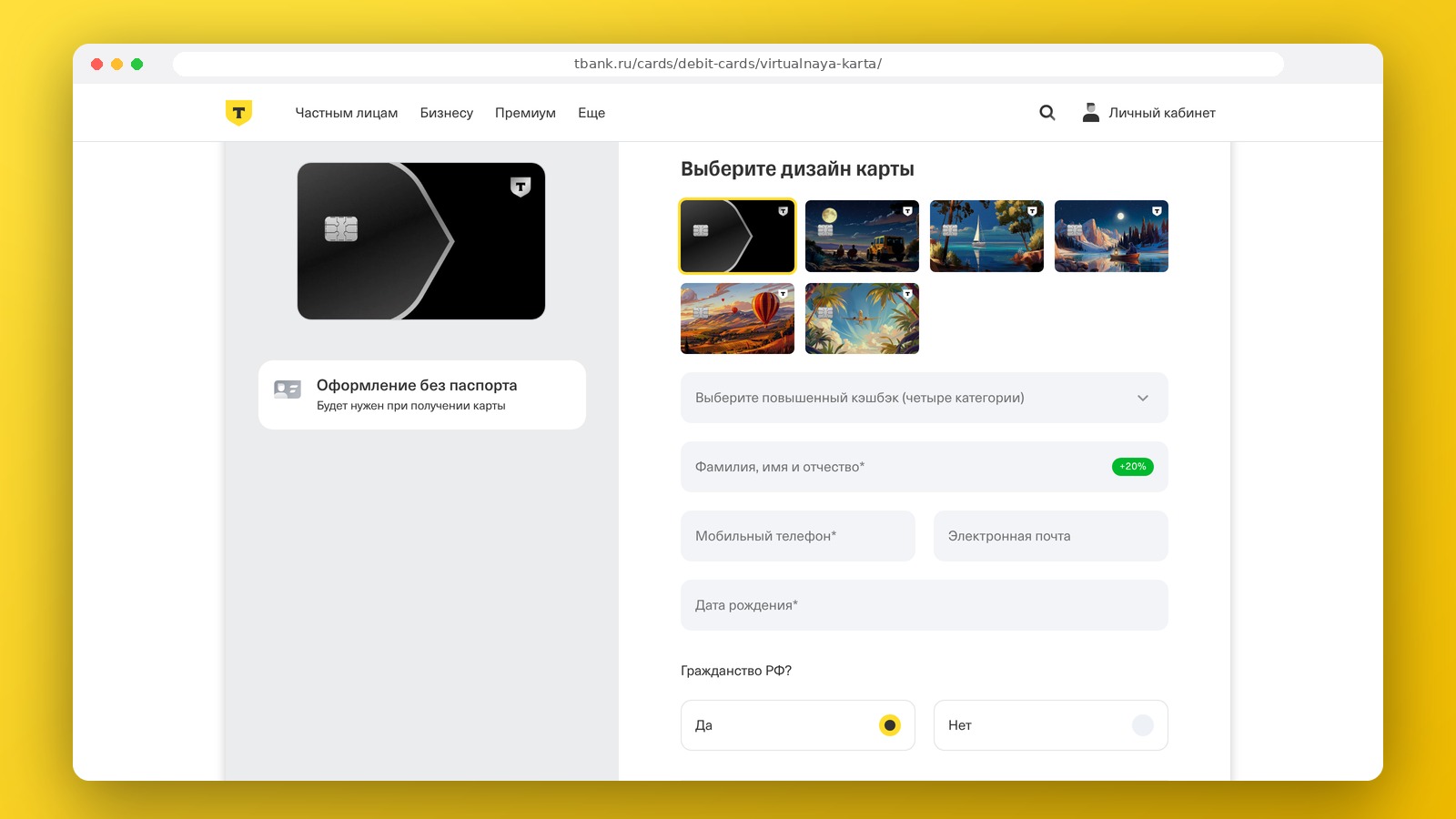
- You can set it up in the app or in your T-Bank personal account.
First, the customer must have a suitable T-Bank card account. After that, the desired account is selected in the app, and an additional virtual card is created. The card details appear immediately after issuance. There is no need to order a physical card for this type of card.
There is no need to top up the virtual card separately. The funds are held in the primary card account, so top-ups are made using the standard methods available for T-Bank’s primary product: via transfer from another bank, through the SBP system, by card number, or using account details. When a purchase is made using the virtual card, the amount is deducted from the total balance.
A practical advantage of this system is having separate payment details. For example, you can issue an additional virtual card for online stores and set a low limit. If the card details fall into the hands of third parties, you can block or reissue it without changing the main card or closing the account.
At T-Bank, additional cards of various types can be issued for a single account. The overall limit includes virtual cards, physical supplementary cards, and payment stickers. The exact number depends on the product and the specific customer’s service terms.
Before issuing a card, check:
- the fee schedule for the primary debit or credit card;
- the number of supplementary cards already issued;
- purchase and transfer limits;
- available smartphone payment methods;
- fees for transactions associated with the primary account.
The fact that a virtual supplementary card is free does not mean that all account transactions are free. Fees for transfers, cash withdrawals, primary card maintenance, and certain banking transactions are determined by the primary product’s fee schedule. If the virtual card is linked to a credit card, the terms of the credit agreement, grace period, and credit limit apply.
A virtual card can also be issued for another person. In this case, the primary account holder retains control over the supplementary card and can set spending limits. This option is suitable, for example, for family expenses, when you need to grant access to funds without handing over the primary card.
For security reasons, it makes sense to:
- set a separate spending limit;
- not to keep card details in plain sight;
- enable transaction notifications;
- block the card immediately if you suspect a data breach;
- do not share verification codes or app data with third parties.
The T-Bank virtual card is not a separate bank account and does not replace your primary card. It is an additional payment tool with its own details, linked to an existing account.
Questions and Answers
Can I issue multiple T-Bank virtual cards?
Yes. You can issue multiple additional cards for a single account. The number available depends on the terms of the specific product and any cards or stickers already issued.
Can I apply for a virtual card for someone else?
Yes. You can set up an additional virtual card for someone else through the app. The account holder retains the ability to monitor spending and limits.
Do I need to top up the virtual card separately?
No. It uses the card account’s shared balance. Funds are deposited into the main account and are available to all cards linked to it within the established limits.
What should I do if my card details have been compromised?
It’s best to block the card immediately or reissue it through the app. In most cases, there’s no need to change the main account or the primary card.
Editor’s Opinion
T-Bank’s virtual card is convenient for existing customers who need separate account details without opening a new account. It helps separate online purchases, subscriptions, and other expenses, and the spending limit on the additional card can be set separately. At the same time, the funds remain in the main account, so fees and general terms are determined by the base card’s pricing plan. There is usually no separate, complicated pricing plan for the virtual supplementary card: once issued, simply set the desired limit and use it for selected transactions. This format is especially convenient when you don’t want to link your primary card’s details to online stores and services with recurring charges.
Ask a question to a company representative