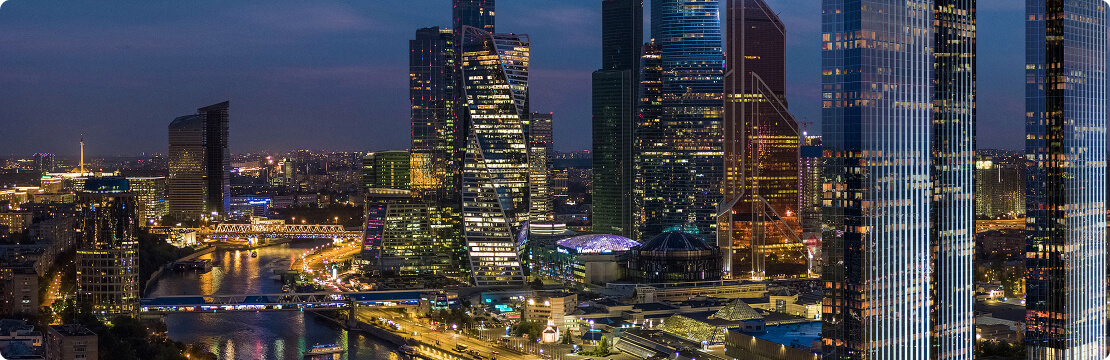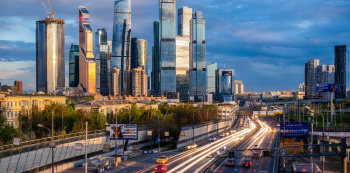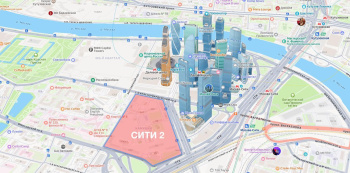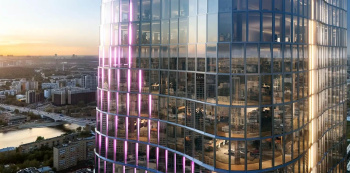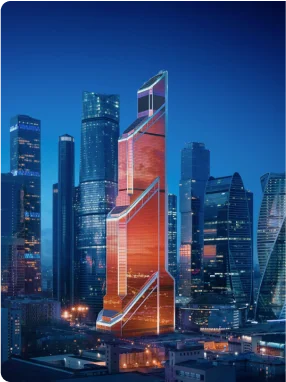



The latest study by NF Group revealed a significant decline in the share of vacant retail space in the Moscow International Business Center (MIBC) Moscow-City. By the end of 2023, this figure had fallen to a record low of 7%, marking the largest decline in the past five years. This 12.7 percentage point decline demonstrates significant changes in the infrastructure retail sector.
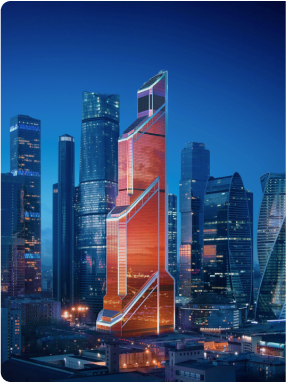
Interestingly, such prominent buildings as Evolution , OKO Phase I , OKO Phase II , and Mercury have all registered full occupancy of commercial space. Also noteworthy are the Embankment Tower and Federation , where the vacancy rate does not exceed 3%.
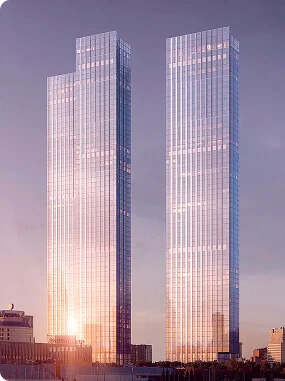
Experts attribute this trend to the gradual recovery from the "pandemic syndrome," which previously caused a significant drop in footfall. Currently, there is growing interest from retailers across various specialties. New projects, such as Moscow Towers , scheduled to open in 2024, are expected to meet this growing demand without increasing vacancy rates beyond 10%.
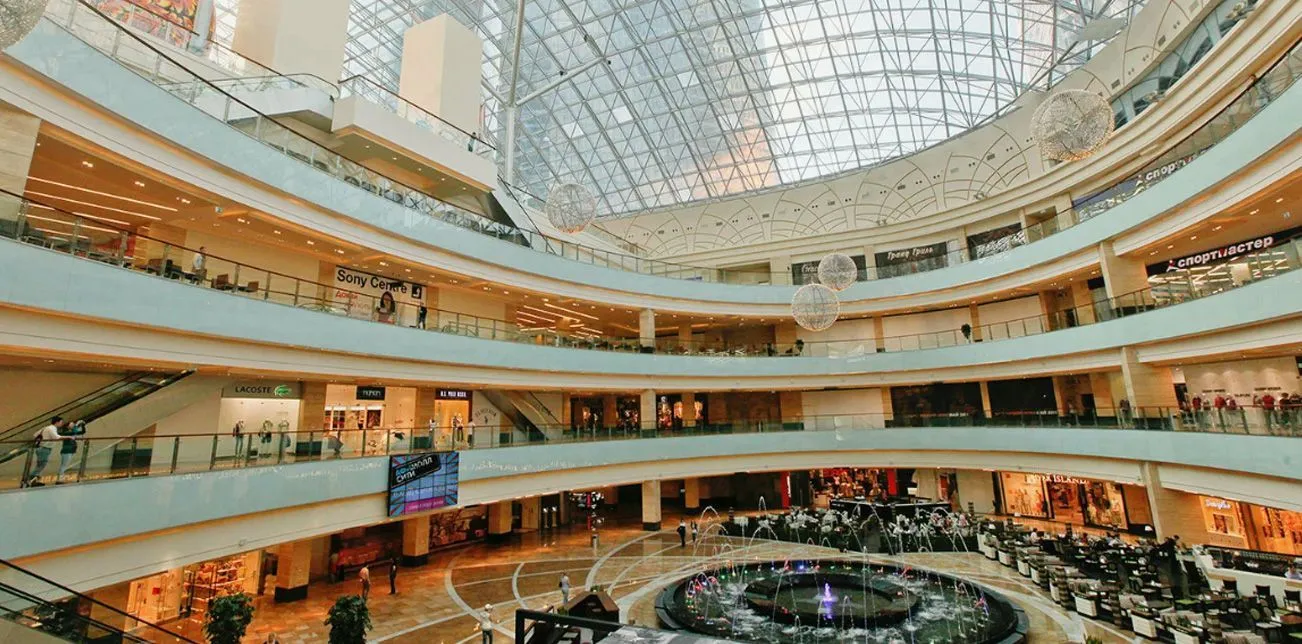
It's important to note that the infrastructure retail structure in the Moscow-City International Business Center is dominated by food service establishments (31%), sports clubs (22%), and service providers (12%) focused on serving daytime traffic. Grocery stores (7%) and entertainment providers (5%) are also present in this segment.
This study highlights the importance of the Moscow-City International Business Center as a key retail and service hub in the capital, as well as its ability to adapt to changing market conditions.