


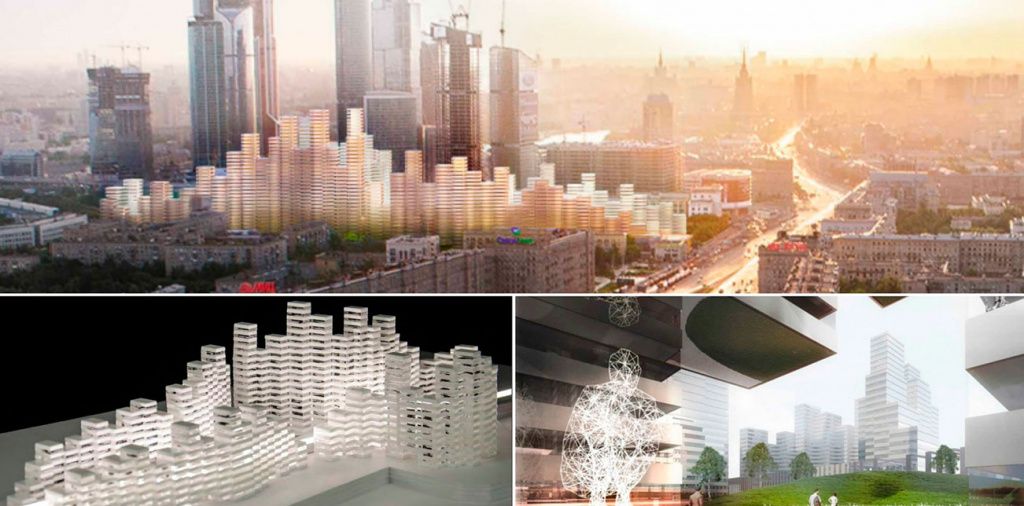
An interesting project was created by the Master's Plan bureau, associated with the Basic Element company, and the development concept itself was the brainchild of the world-renowned Japanese architectural firm Kengo Kuma & Associates. On November 23, 2016, it was presented to the Moscow Arch Council by the architect Kengo Kuma himself, where it was approved.
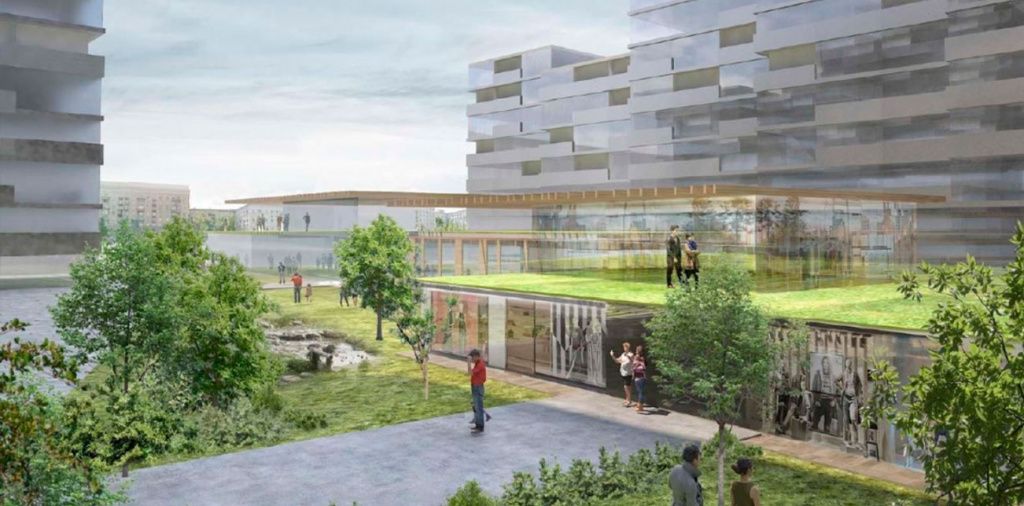
The plot of land in question, occupied by the Kazakov plant, is located between the Northern bypass of Kutuzovsky Avenue, the river, 1812 Goda Street, and Kulneva Street.
Key Features
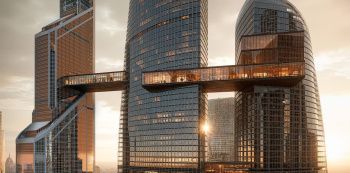
The development project for two blocks on Kutuzovsky Prospekt was commissioned by the First Moscow Instrument-Making Plant named after V. Kazakov. According to the plan, a complex of rectangular modular towers with a total area of approximately 361,000 square meters will be built on 23.25 hectares, primarily industrial land. Each tower will have identical floors measuring 18 x 12 meters. The buildings are joined together in groups of three, with a noticeable offset, and share a single elevator unit. As a result, each group of three towers will form a completely self-sufficient module.
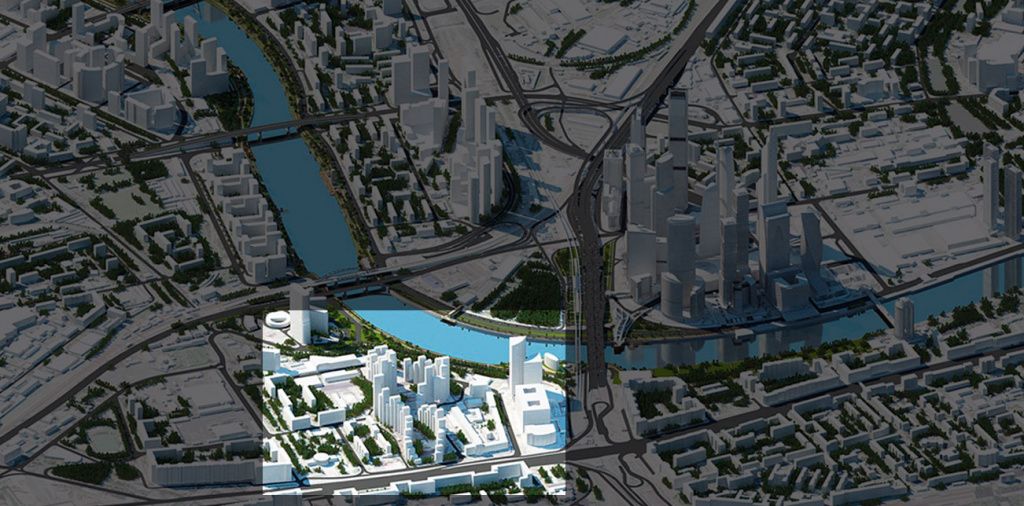
The complex is planned to contain 149,000 square meters of residential space. The project also includes office space and a semi-underground parking garage of approximately 23,000 square meters. A "secret garden" and exhibition spaces are planned for the ground floor of the complex.
O. Deripasko, the owner of Basic Element, acquired a controlling stake in the instrument-making plant back in 2006 and had previously developed a project to redevelop the Zapadny Port site together with S. Polonsky's Mirax Group. However, after Polonsky withdrew from the project, Deripasko made a number of changes. The final version, created by Kengo Kuma, was ultimately approved.
The concept of the residential complex project on Kutuzovsky Prospekt
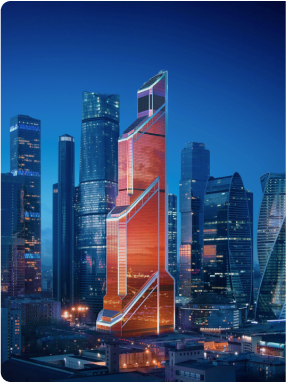
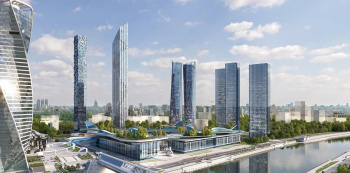
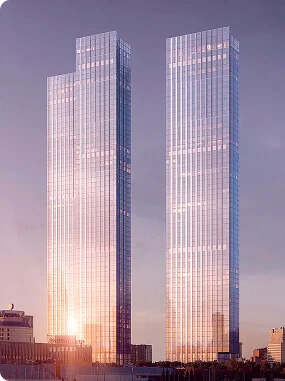
The Japanese architects' concept envisions a seamless transition from the MIBC skyscrapers to the rest of Moscow's less dizzying heights. Therefore, the new residential complex will be formed by a group of buildings of varying heights. The buildings will increase in height from the site's boundary toward the central section. All will feature identical façades made of matte anodized aluminum. This material boasts excellent reflectivity, creating a light and transparent appearance.
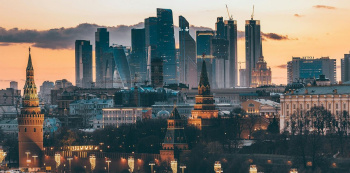
The designed complex itself has a rather complex silhouette, supporting the panorama of the Moscow City towers on one side and echoing the historic part of Kutuzovsky Prospekt on the other. This will allow it to seamlessly integrate into the surrounding mid-rise urban environment and achieve a harmonious look for the entire district.
The planning plan for this area envisions a permeable structure for the multifunctional residential complex, numerous Japanese-style green spaces, and a full-fledged garden within the block. In the northern part, an artificial hill is planned, surrounded by trees, shrubs, a picturesque pond, and a stream. As a result, the architects have every reason to believe that it will become a full-fledged landmark of the new public space.
Furthermore, the project envisions connecting the residential complex to the embankment through a through courtyard. Therefore, its implementation will include improvements to a kilometer-long stretch of embankment located between the bridge of the northern bypass of Kutuzovsky Prospekt and the Third Transport Ring. The project also includes the opening of a shopping arcade, a new school for 460 students, and a kindergarten for 200 children. Furthermore, Gymnasium No. 1567 already operates in the area. A total of 22,400 square meters will be allocated for public and social facilities.
Moscow's Chief Architect, Sergei Kuznetsov, speaks highly of the project, citing the Japanese architect's meticulous planning of the vast area from Kutuzovsky Avenue to the river. He not only connected residential buildings to the embankment but also incorporated public spaces. This will prevent the substantial area from becoming a complete enclave, which is not the case in the area's current state. After all, the "Western Port" industrial zone is currently virtually isolated from its urban context.
Sergey Kuznetsov also noted that the residential complex on Kutuzovsky Prospekt will be the first project in Moscow to take the form of a superstructure, rather than individual buildings, embodying an avant-garde concept of merging public and social spaces.