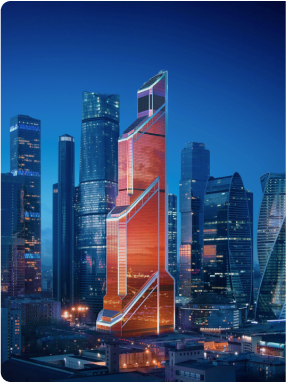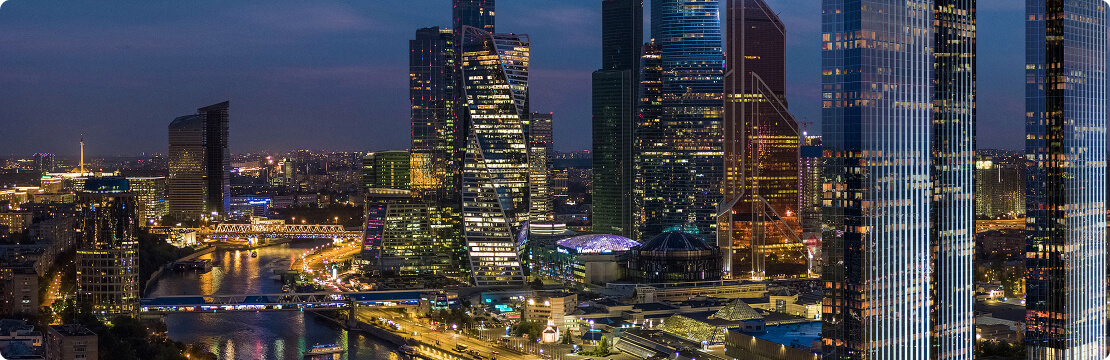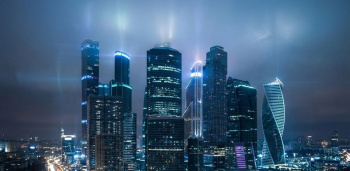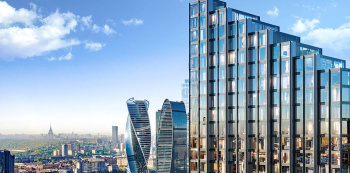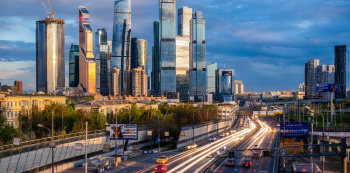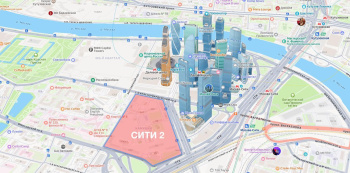



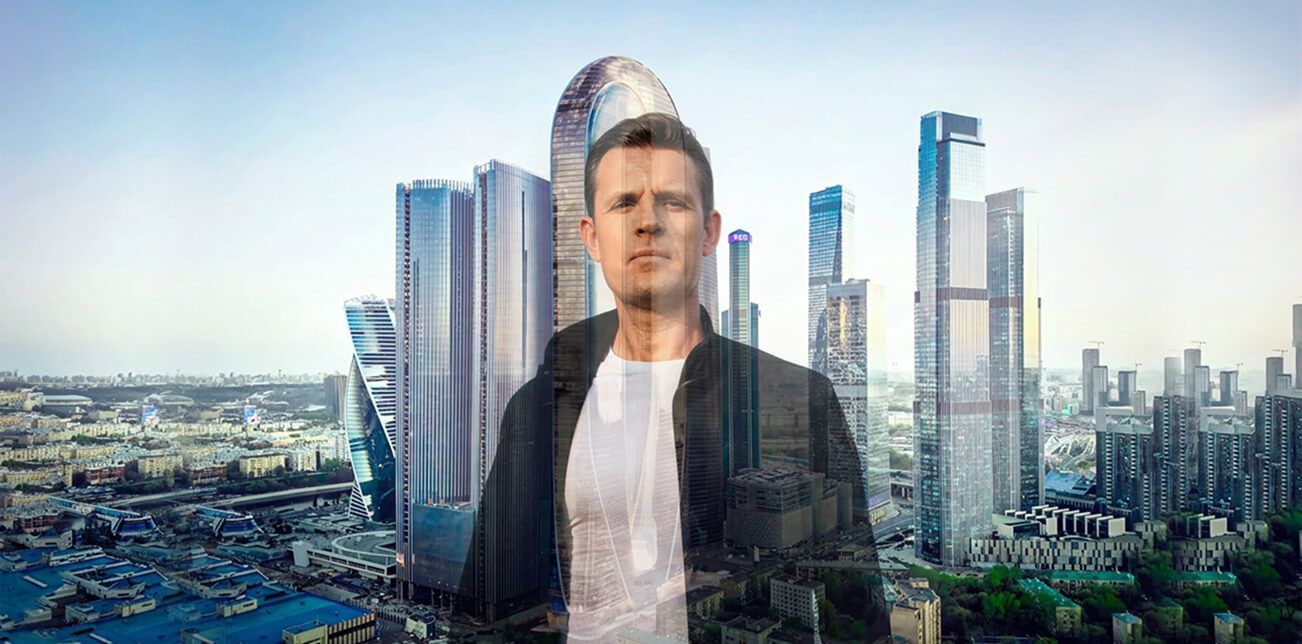
An important personnel change is taking place in Moscow’s architectural policy: Sergey Kuznetsov has decided to pursue his professional development outside the Moscow City Government. Over nearly 14 years of service, he has become one of the key figures shaping the capital’s modern appearance—including the development of the Moscow City business district.
City officials have noted his contributions to large-scale projects, including Zaryadye Park, Irina Viner’s Rhythmic Gymnastics Palace, the renovation of Luzhniki Stadium for the 2018 World Cup, and new educational and scientific clusters. However, for the real estate and development market, his role in shaping the architectural concept of the new Moscow City skyscrapers is particularly significant.
Contribution to the Development of Moscow City
As part of the work of the Architectural Council and the Urban Planning and Land Commission under the leadership of Sergei Sobyanin, Kuznetsov oversaw and coordinated key architectural decisions for high-rise projects in the business center.
Among the projects directly linked to his work and influence:
-
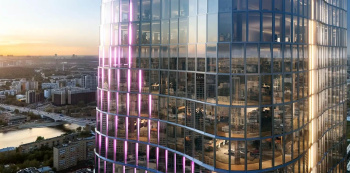
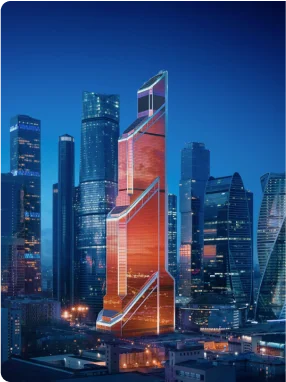
Evolution Tower—one of the complex’s most recognizable skyscrapers with a unique twisted shape
-
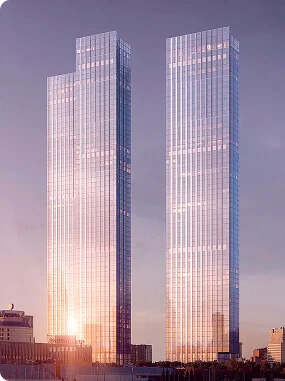
Neva Towers—a premium residential complex incorporating green solutions
-
iCity—a modern, next-generation business district
-
One Tower—one of the most ambitious projects shaping the new skyline
-
Moscow Towers—a large multifunctional complex that strengthens the business infrastructure
His work involved not only approving designs but also establishing a common architectural language: a balance between expressive forms, functionality, and integration into the urban environment.
Architecture as a system, not as individual buildings
Over the years, Kuznetsov effectively developed an approach in which Moscow City ceased to be perceived as a collection of disparate towers. Instead, the complex began to develop as a cohesive urban system:
-
taking into account panoramic views and the city’s skyline
-
with the integration of public spaces
-
with a gradual transition from a purely office format to mixed-use
-
with an emphasis on infrastructure, services, and landscaping
Particular attention was paid to the quality of architectural competitions and the involvement of international firms, which significantly raised the standard of projects in Moscow City.
What will change after his departure
It is important to understand that the role of chief architect in recent years has been largely one of coordination. Final decisions are made collectively by a specialized commission chaired by the mayor of Moscow.
This means:
-
the city’s architectural policy will maintain continuity
-
key Moscow City projects will continue to be implemented without drastic changes
-
Kuznetsov himself will likely remain involved in the industry’s development as an expert
Conclusion
Sergey Kuznetsov’s departure is not merely a personnel change, but the conclusion of an important phase in the development of modern Moscow.
His contribution to Moscow City is particularly significant: it was during this period that the business center finally established itself as one of the most recognizable and architecturally expressive clusters in Europe.
Meanwhile, the city itself continues to develop actively—and Moscow City remains a key platform for the implementation of new, ambitious architectural projects.
Related materials: