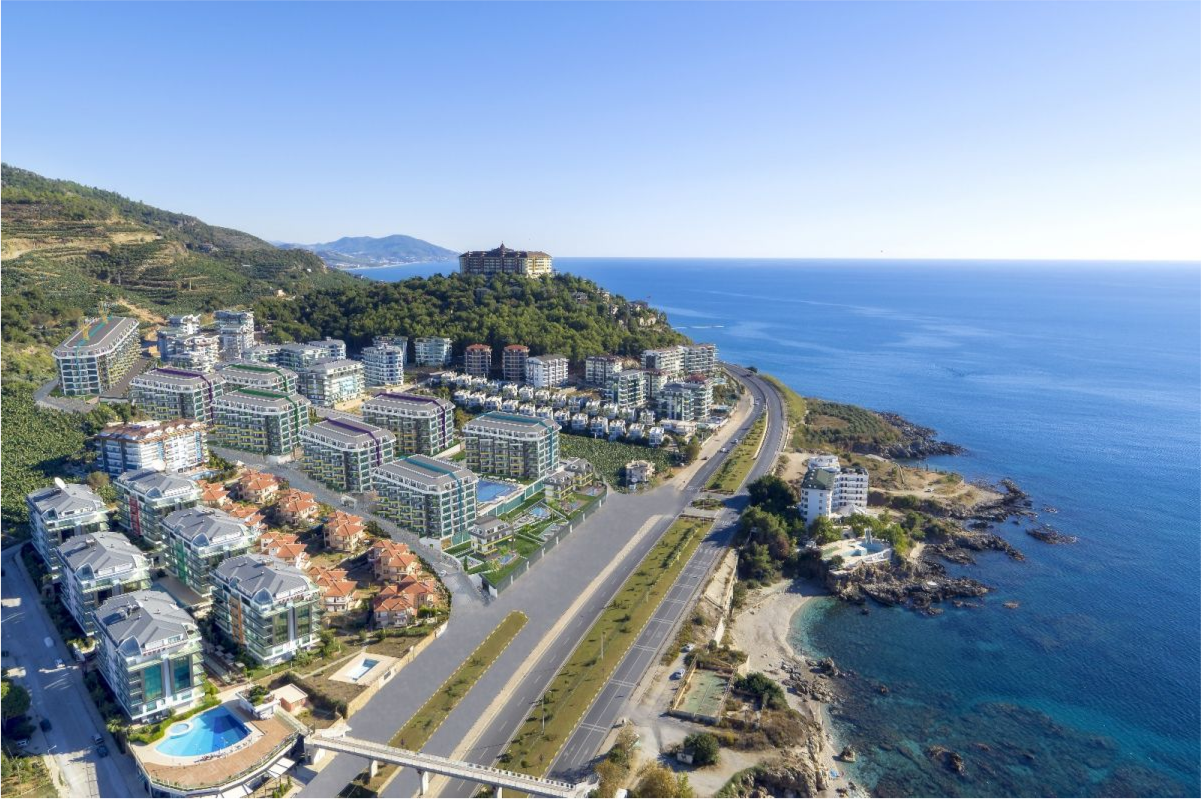


A Russian citizen can buy an apartment in Dubai even without a resident visa: first, they select a property in an area where foreigners are allowed to own real estate, verify the documents and the source of funds, then agree on the payment terms and register the transfer of ownership. The budget includes the price of the apartment, registration fees, fees for parties involved in the transaction, and expenses after the keys are handed over. The verification process differs for completed properties and projects under construction. Below is the purchase process, a breakdown of expenses, and issues that need to be resolved before making a deposit.
This material is for informational purposes only and does not constitute individual investment, financial, or legal advice.
The criteria differ between an apartment for a family and a property intended for rent. For personal residence, the top priorities are proximity to schools and work, floor plan, noise levels, and the quality of building management. For an investor, the key factors are the actual rental rate, annual expenses, demand for a specific type of housing, and the ability to sell it without a long wait. A beautiful view alone does not address any of these issues.
Write down the purpose of the purchase, the intended holding period, and the amount you’re willing to invest, taking all payments into account. Set aside a separate contingency fund: the apartment may require renovations, and renting it out doesn’t begin on the day of title transfer. If the purchase is part of a relocation plan, it must be coordinated with your visa, bank account, and family budget. You can discuss this process with Result Family Office before selecting a specific project.
Whether for living, renting, or moving: where to start when choosing
A search for “real estate in the UAE” covers various markets and registration procedures. This article focuses on Dubai. The conditions in Abu Dhabi, Ras al-Khaimah, and other emirates should be checked separately. Even within Dubai, the name of the neighborhood alone is not enough: the legal status of the lot, the specific building, and the seller’s registered title are all important factors.
A completed apartment or a development under construction
In a completed building, you can inspect the apartment, the entrance, the parking lot, and the common areas. For a property under construction, the buyer evaluates the project, the contract, the payment schedule, and the progress of construction. The term “off-plan” refers to a purchase made during the construction phase; the promised handover date and the procedure to follow in case of a delay must be specified in the contract.
| Criterion | Completed Apartment | Property under construction |
|---|---|---|
| What to Inspect | The apartment itself, the building systems, the building, and the surrounding area | The lot, construction progress, documentation, and promotional materials |
| Title deed or transaction document | They verify the title deed and owner information | They verify the SPA agreement and the registration of the transaction in the applicable system, including Oqood |
| Payments | The payment schedule is tied to the transfer of title and the terms of the contract | Payments are distributed according to the developer’s schedule |
| Rental Income | Possible after the apartment is handed over and prepared, taking into account the existing lease | Planned after the project’s completion and handover |
| Factors affecting the final budget | Condition of the unit, building fees, repairs, and furniture | Outstanding payments, handover dates, amenities, and expenses upon receiving the keys |
Buying from a well-known developer does not eliminate the need to verify the specific project. Emaar Properties and DAMAC appear frequently in search results, but the company name does not specify which building is for sale, who is listed as a party to the contract, or what is included in the price. Compare the project number, apartment floor plan, documented square footage, finishes, and handover date.
What to Check Before Making a Deposit and Signing the Contract
Start by verifying whether a foreigner is eligible to purchase the selected property. Freehold is a form of ownership available to foreign buyers in certain areas. You should compare the agent’s explanation with the documents for the specific apartment. Next, verify the owner’s identity, the representative’s authority, any restrictions, and information regarding any liens. The name on the contract must match the documents of the party to the transaction.
For completed properties, request the title deed, information on management company fees, the terms of the current lease, and the handover of the apartment. Separately, determine whether an NOC—confirmation that the developer has no objections—is required, and who will arrange for it to be obtained. To register a sale in freehold zones, the DLD lists an electronic NOC among the procedural requirements.
For a project under construction, verify its registration and the separate project escrow account. Information on the progress of work is available through the Dubai Land Department’s official service: project status. Verify the name, project number, developer, and recipient’s details. Payments for a construction project must follow the prescribed procedure; the details provided in the broker’s message must be verified independently.
According to the DLD’s explanations regarding escrow accounts, the funds in such an account are intended for the specific project. The use of an escrow account helps monitor how the funds are used, but it does not guarantee the buyer a specific return on investment or a precise completion date. These issues remain part of the project evaluation and the contract.
- Verify the apartment number, square footage, parking space, and the composition of the property being transferred.
- Verify the broker’s license and the authority of the person handling the transaction.
- Specify the deposit amount, the recipient, the refund terms, and the consequences of default by either party.
- Review the terms regarding delays in transfer, changes to the square footage, termination, and dispute resolution.
- Obtain a list of outstanding payments and allocate them between the seller and the buyer.
How much money will be needed in addition to the price of the apartment?
DLD’s fees for sales registration specify 2% for the seller and 2% for the buyer. The parties specify the allocation of costs in the agreement: in practice, the buyer may cover the entire registration fee. Therefore, the phrase “4% fee” does not yet answer the question of exactly how much you will have to pay.
| Budget Line Item | How to Account for It | What to clarify in advance |
|---|---|---|
| Sale Registration | A total of 4% of the sale price, allocated as agreed by the parties | Who Pays Each Portion |
| Registration services provided by the trustee center | 4,000 AED plus VAT for prices of 500,000 AED or more; 2,000 AED plus VAT for lower amounts | Applicable channel and scope of service |
| Documents and additional fees | Individual items under the DLD procedure | What is required for this property and transaction |
| Broker and support services | Under the contract with the contractor | Commission, VAT, payment timing, and scope of work |
| Mortgage | Down payment, appraisal, bank and registration fees | Total loan cost and early repayment terms |
| After the keys are handed over | Building fees, utility connections, insurance, furniture, and renovations | One-time payments and annual budget |
Sample calculation: The apartment costs 2 million AED, and as agreed, the buyer pays the full 4% registration fee. That’s an additional 80,000 AED. The trustee center’s service fee of 4,000 AED, including 5% VAT, adds 4,200 AED. The interim total is 2,084,200 AED. This does not yet include other fees, the broker’s commission, bank charges, condition inspection, and move-in preparations. This is an illustrative calculation, not an offer for a specific property.
When comparing apartments, ask for the annual service charge for each building and information on any outstanding balances. A low purchase price may come with high maintenance costs. If you plan to rent it out, factor in management fees, potential downtime, equipment maintenance, and furniture upgrades. Calculate the net cash flow after these expenses; the gross yield listed in the ad does not reflect this full picture.
Mortgages in Dubai for Residents and Non-Residents
Mortgage lending in the UAE begins with a borrower assessment. The bank evaluates the borrower’s income, liabilities, source of the down payment, residency status, and the property being used as collateral. It’s advisable to obtain pre-approval before making a deposit, which is non-refundable if the loan is denied. Even an approved credit limit does not guarantee that the bank will finance any apartment you choose.
The UAE Central Bank’s regulations set a financing limit of up to 80% of the value of a first home for personal occupancy, provided the price does not exceed 5 million AED. This is the regulatory maximum for this category. The bank may offer a lower loan-to-value ratio, and mortgages in the UAE for non-residents typically require a separate review of the product terms and the applicant’s profile.
Compare offers based on the total cost. Clarify the initial fixed-rate period, how the rate will be determined thereafter, mandatory insurance, appraisal costs, and the terms for partial early repayment. Ask for a payment calculation after the fixed-rate period ends. If your income is in a different currency, check how your household budget will be affected by exchange rate fluctuations.
The bank’s appraisal may be lower than the agreed-upon price. In that case, you’ll need to cover the shortfall yourself. Before signing the contract, clarify what will happen to the deposit and the transaction timeline if the appraisal or the bank’s final decision is delayed. Mortgage support is helpful when you need to coordinate the borrower’s documents, the collateral, and the settlement with the seller within a single timeline.

How the Transaction and Transfer of the Apartment Take Place
After inspecting the property, the parties finalize the price, payment schedule, and the terms and conditions of the transfer. They then obtain the necessary approvals, prepare the settlement, and register the transfer of title through the applicable DLD procedure. The set of documents and steps depends on whether the buyer or seller has a mortgage, whether a power of attorney is in effect, and who is listed as the owner.
- Prepare the funds and supporting documentation. Agree on an acceptable payment method, bank details, and documents proving the source of funds. International wire transfers must be verified with the banks prior to the transaction date.
- Agree on the discharge of encumbrances. If the property is mortgaged by the seller, the settlement procedure must take into account the requirements of the seller’s bank and the release of the property from the mortgage.
It’s best to conduct the inspection using a checklist: air conditioning, leaks, electrical systems, windows, doors, and finishes. Photos and a written report help document exactly what needs to be fixed. For an apartment with a tenant, additional documents regarding the lease, payments, and security deposit are also transferred. The date of title registration and the actual vacating of the property may differ.
Andrey Revenko, founder of Result Family Office: “Before choosing an apartment, I recommend putting together a complete financial plan for the purchase: your own funds, closing costs, a potential loan, and a reserve fund after receiving the keys. The family needs to understand how much money will remain available for living expenses, education, and other obligations. If the property is being purchased for rental purposes, it’s helpful to run the numbers assuming a lower interest rate and several months of vacancy. This approach allows you to discuss specific figures and determine in advance what level of expenses is comfortable. The apartment’s legal documents, the payment schedule, and future visa requirements all need to be verified separately: a successful transaction does not mark the end of the entire moving process.”
Answers to Buyers’ Questions
Will purchasing an apartment automatically grant a Golden Visa?
Applying for residency is a separate procedure. For the Dubai real estate investor route, the DLD specifies a threshold of 2 million AED and additional documentation requirements. Mortgaged properties, co-owned properties, and specific forms of proof of value must be verified before purchase. Payment of the purchase price alone does not guarantee approval of the application.
Can I purchase an apartment through a power of attorney?
Representation is possible under the applicable procedure, but the powers and the drafting of the power of attorney must be agreed upon in advance with the registering party. Check whether the document authorizes the signatory to sign the contract, make payments, and receive documents. For powers of attorney issued in another country, the requirements for certification, legalization, and translation must be clarified separately.
How do you compare an apartment with and without furniture?
Request a list of furniture and appliances, including the condition of each item. Estimate the cost of replacement, delivery, and installation, as well as the time required before move-in. The phrase “fully furnished” does not specify what will remain after the seller moves out. The appendix to the contract must list the property in sufficient detail for inspection.
What should you prepare for the first discussion about the purchase?
It’s sufficient to specify your goal, your budget (including all expenses), the expected length of ownership, your family composition, and whether you’ll need a loan. Include information about your residency status and the country from which the funds will be transferred. With this information, you can contact Result to discuss the next steps, selection criteria, and the scope of support.