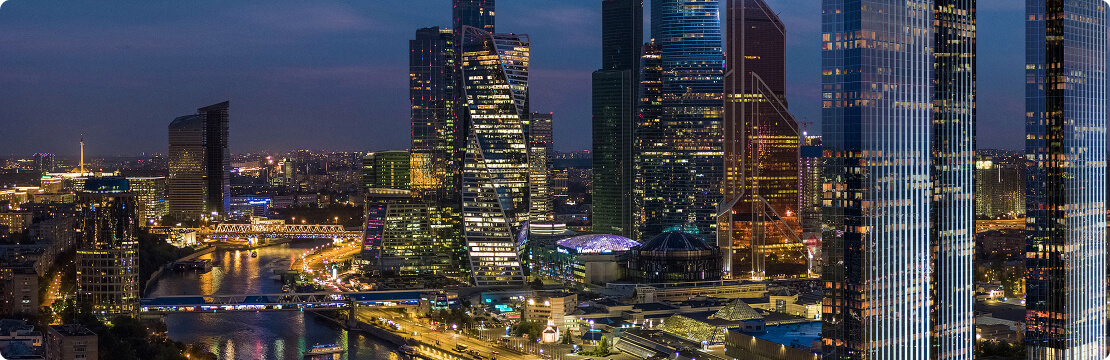

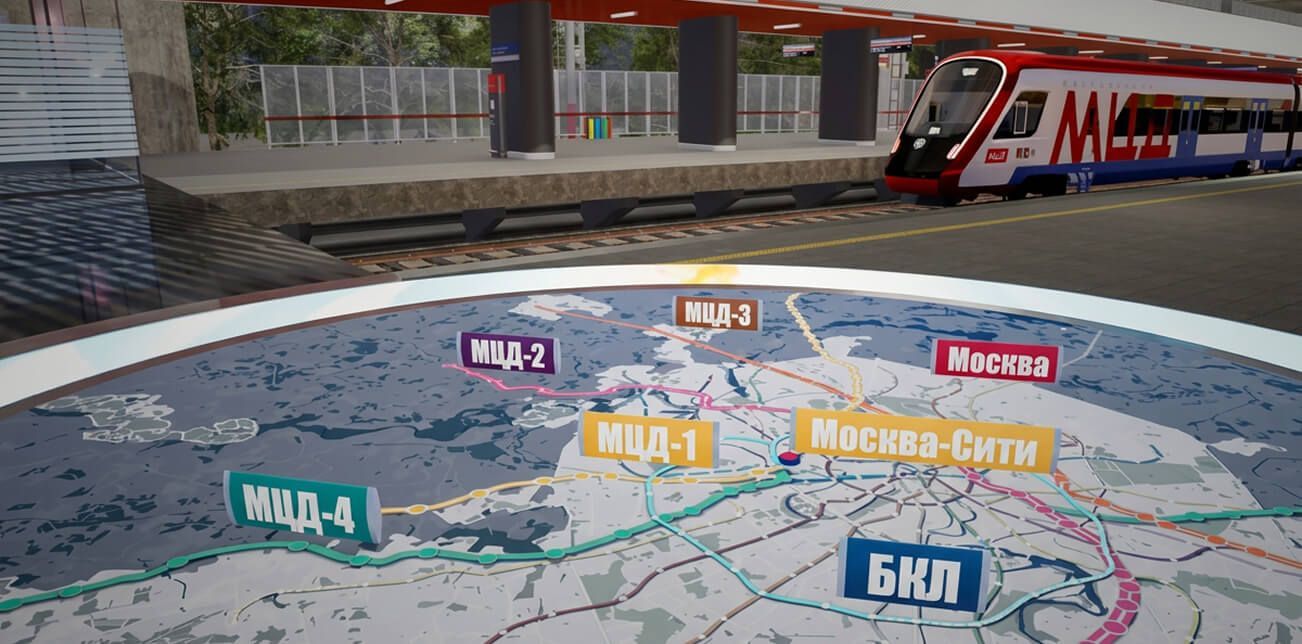
On April 16, 2026, Moscow City received one of the most significant transportation upgrades in recent years: the main section of the new Moscow City MCD-1 urban station, built on the site of the former Testovskaya station, opened in the business district. In essence, this is no longer just a single station, but the creation of a unified transportation hub connecting MCD-1, MCD-4, the Moscow Central Circle (MCC), the Filevskaya Metro line, the Aeroexpress to Sheremetyevo Airport, and ground-level city transit.
The main change for passengers is not just the new look, but the very logic of movement within the area. Transfers between key modes of transport in the “Moscow City” area are now organized within a single loop and, according to city and federal media reports, take up to five minutes. The connection with the Aeroexpress provides an additional benefit: according to the city administration, the trip from “Moscow City” to Sheremetyevo takes about 54 minutes.
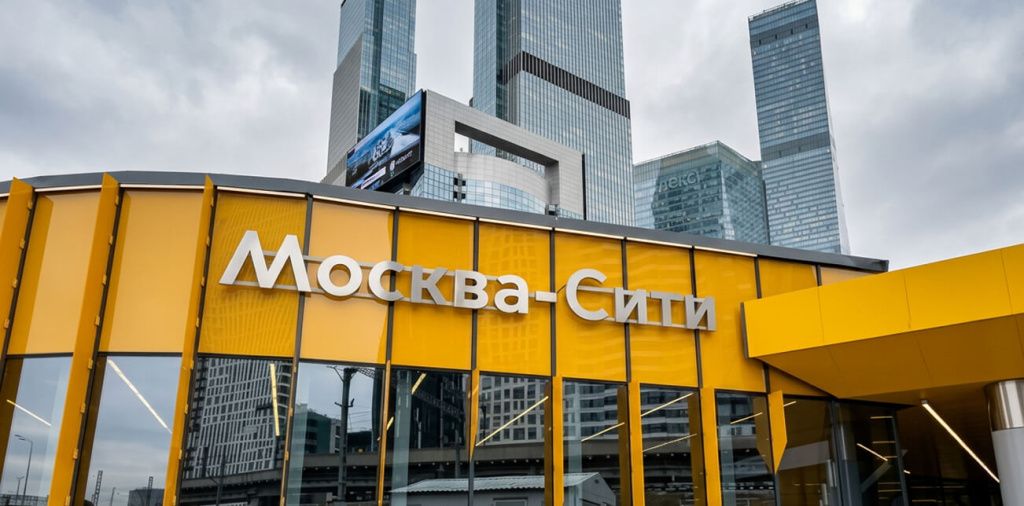
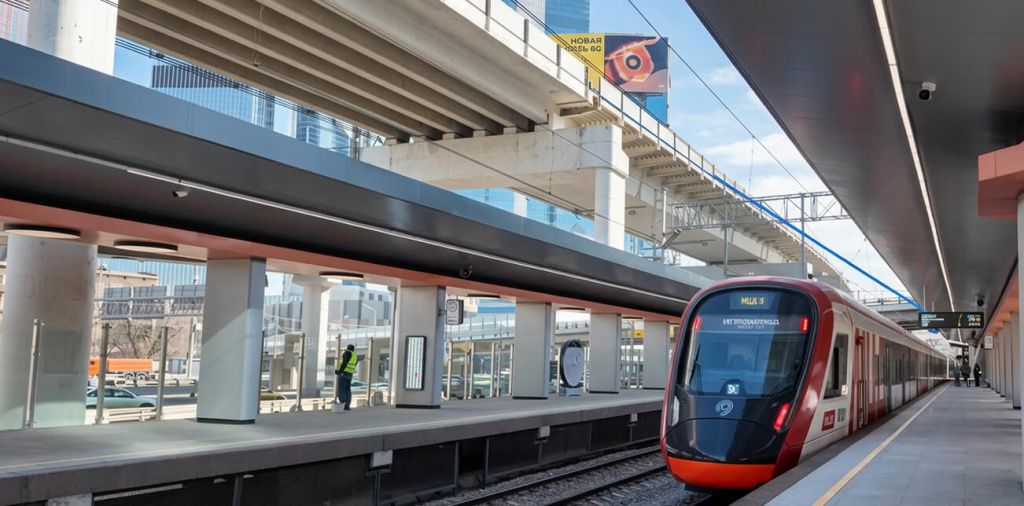
In the first phase, two 275-meter-long passenger platforms with full-length canopies and a southern concourse with an underground distribution hall were opened here. An integrated "dry-feet" passage to MCD-4, a tunnel under the MCC tracks, and an underground passage across the Third Ring Road toward the business center have also opened. However, the project is not yet fully complete: construction is continuing on an additional platform for commuter trains and a northern concourse, which will provide access to Shmitovsky Proezd.
The scale of the transformation is particularly striking when compared to the past. According to Sergei Sobyanin’s estimates, the new station will be able to handle about 100,000 transfers per day, and in the future—up to 140,000–150,000. At the same time, transportation authorities note that as recently as 2010, this site was home to a virtually unused railway station, serving approximately 200 people per day. Today, however, passenger traffic at the hub is already in the tens of thousands and continues to grow.
A separate but very important detail is navigation. Following the opening of the new station, Moscow’s transit system began updating more than 73,000 navigation elements: subway maps, signs on the MCD, in lobbies, on platforms, and on trains. On the transit map, the new station has been given the single name “Moscow City,” and the entire transfer hub is now marked by a single circle. For the district, this is just as important as the construction itself: “City” is becoming not a collection of scattered stations, but a clear and understandable transit destination.
For the business center itself, this means more than just a reduction in travel time. The new station makes “Moscow City” significantly more convenient for the daily commutes of office workers, guests of apartment hotels, and visitors to restaurants, events, and observation decks. And once the northern lobby and additional platform are completed, the hub will be even more tightly integrated with the surrounding urban fabric. In other words, Moscow City is finally moving away from the format of a complex transfer maze and transforming into a full-fledged urban center with modern transportation infrastructure. This conclusion is based on the connections already opened and the announced next phase of work.
Related materials: