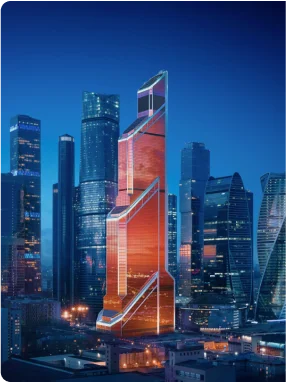

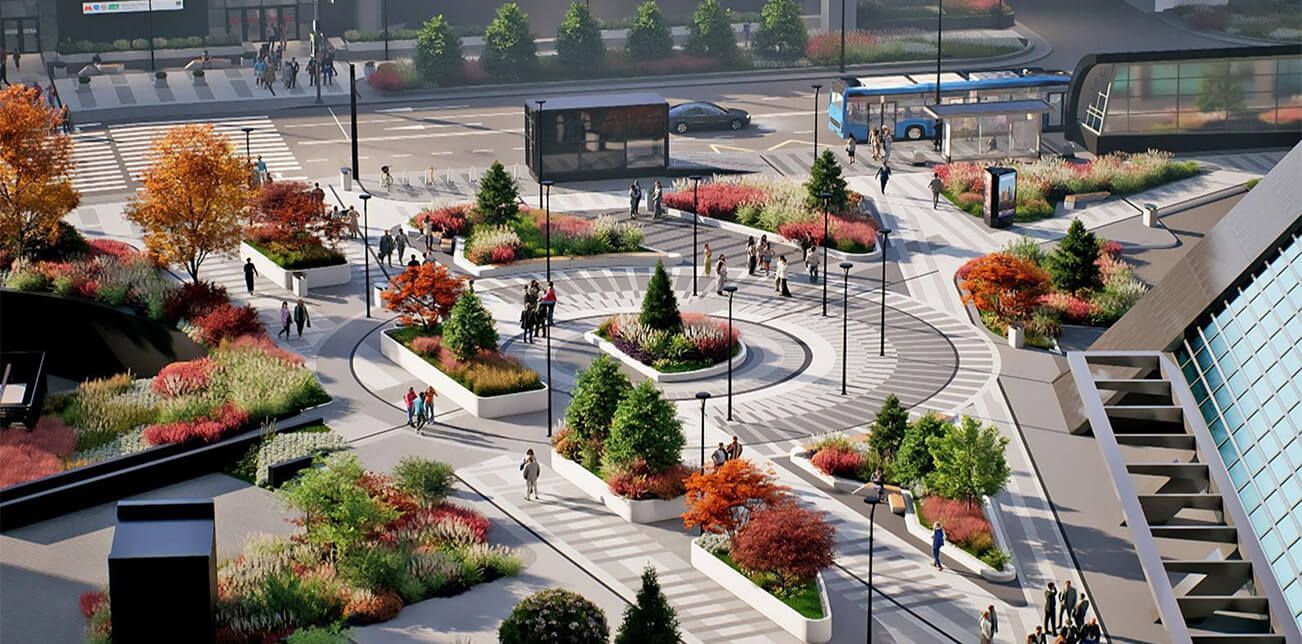
Comprehensive landscaping of the pedestrian zone has begun in the Moscow City business district. The area around the towers is to become more convenient not only for office workers and tourists, but for everyone who arrives by public transport, meets in restaurants, visits Afimall or simply walks through the business quarter.
The work will be carried out in three stages. The first stage is scheduled for 2026 and will cover the key pedestrian routes inside the business district, including the route to the towers from the Moscow City MCC station and the MCD station of the same name.
Moscow City is becoming an urban space, not just a business one
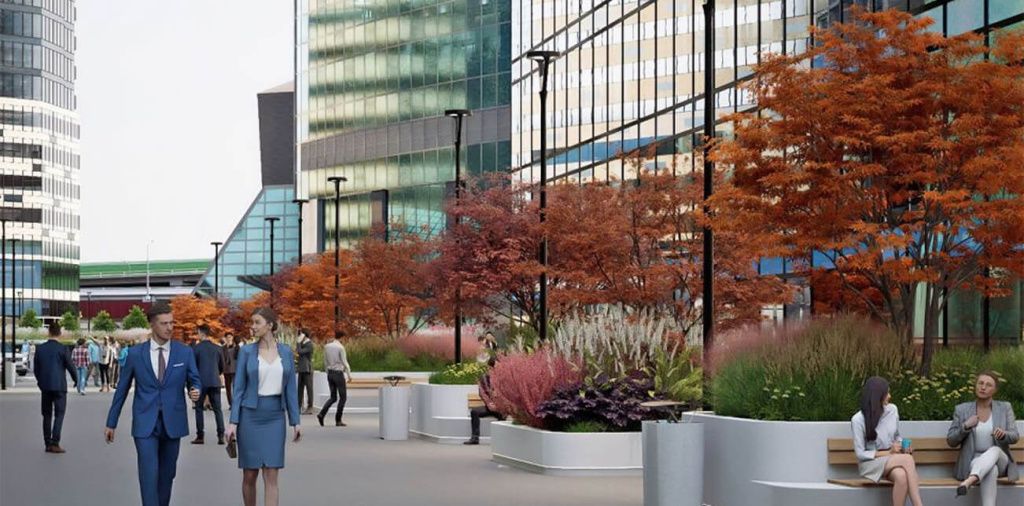
For a long time Moscow City was seen above all as a place of skyscrapers, offices and business meetings. People came here to work, to look at the Moscow skyline or to spend an evening in a restaurant. As a full-fledged pedestrian environment, however, the area developed slowly: dense development, complex traffic flows and the large number of people moving every day between the metro, MCC, MCD, offices and shops all played a part.
Now the city is effectively taking Moscow City to the next stage. After a major transport hub took shape around the business district, improving the routes at ground level was the logical next step. The more convenient the way from the station to the towers, stops, public spaces and entrances, the more naturally Moscow City works as part of the wider city centre rather than as a closed office cluster.
What will change at the first stage
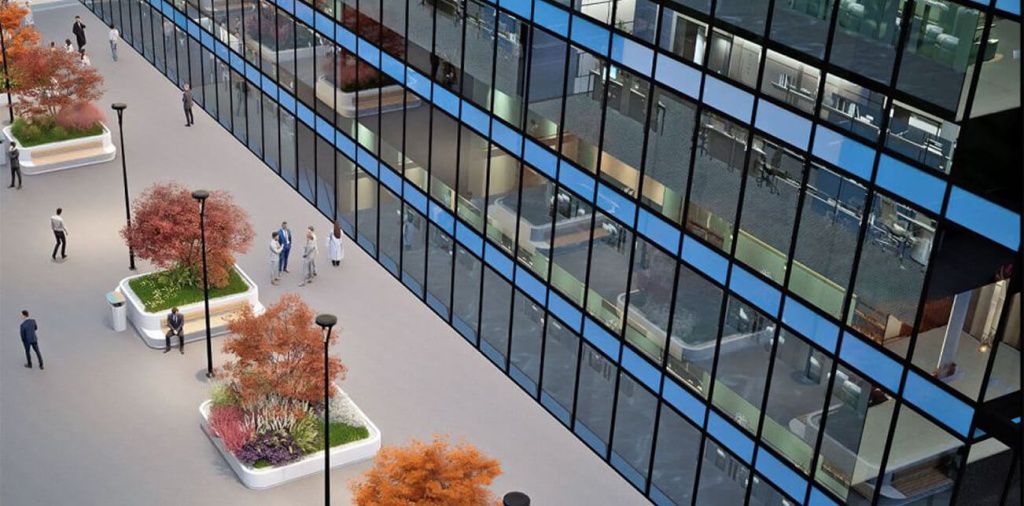
The first stage will create three pedestrian zones. Special attention will be paid to the routes from the MCC and MCD stations to the towers. This direction matters: since the Moscow City urban rail station on MCD-1 opened, passenger flows here have grown noticeably, and the district has gained an extra link to other parts of Moscow.
The area is expected to get:
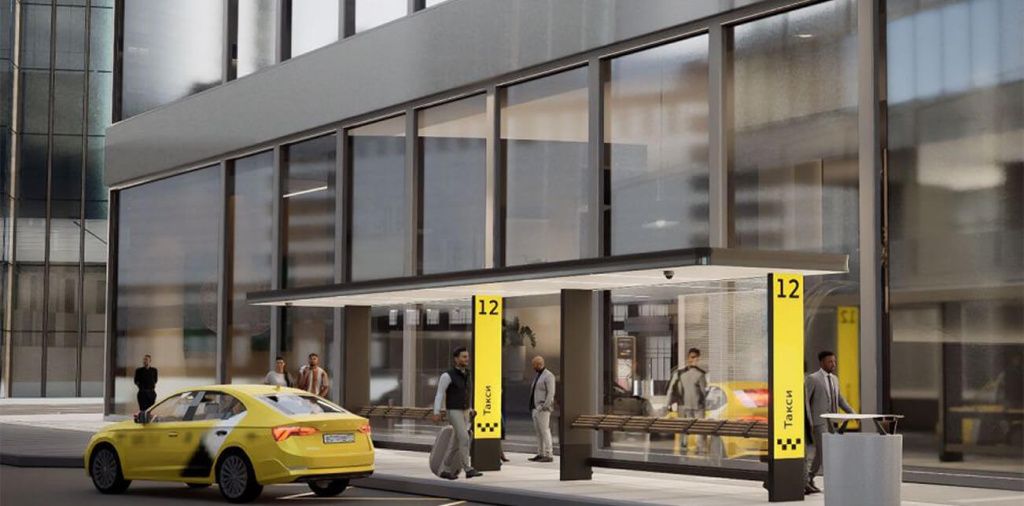
- comfortable waiting areas for public transport;
- parking for bicycles, motorcycles and delivery robots;
- a unified wayfinding and lighting system;
- small architectural forms;
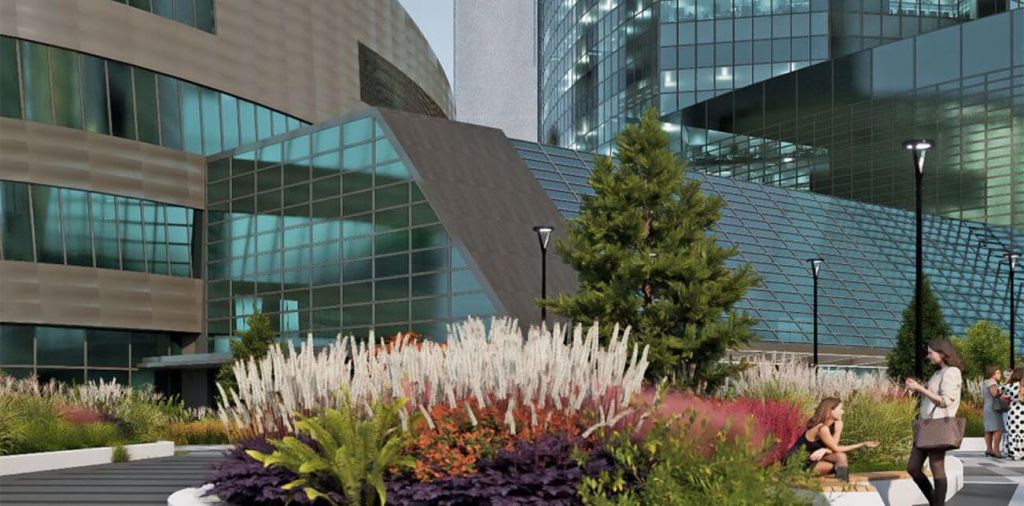
- additional greenery around the business district.
These changes look less like one-off cosmetics and more like an attempt to turn scattered routes into a clearer and more comfortable urban system. For Moscow City this is especially important: office workers, residents of neighbouring districts, couriers, tourists, drivers and public transport passengers all cross paths here every day.
Why it matters for the district
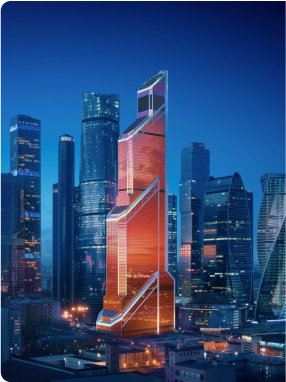
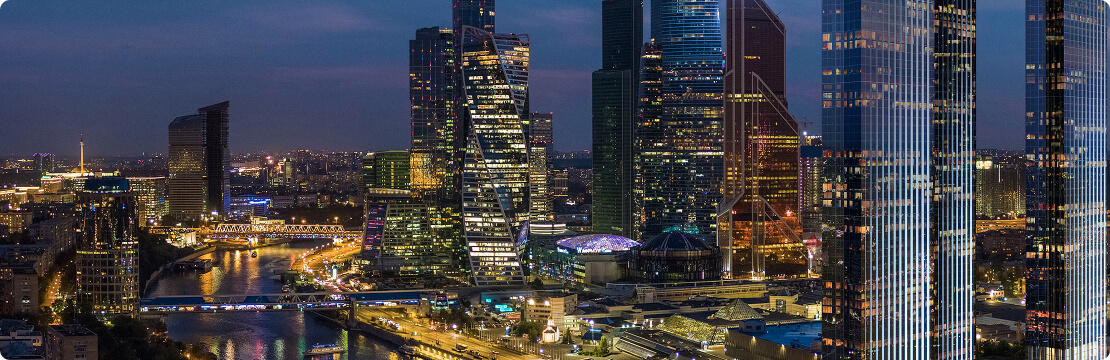
Landscaping the pedestrian zone can noticeably change how people experience Moscow City day to day. The business district has long outgrown the classic office quarter: it is a transport hub, a tourist attraction, a restaurant area, a shopping destination and one of Moscow's most recognisable skylines.
If the new routes really become more convenient and the wayfinding clearer, the district will get what it has often lacked: a calmer and friendlier environment at street level. For skyscrapers this matters as much as the architecture of the facades. A city is felt not only through the height of its towers, but through how comfortable it is to walk between them.
Details of the next stages have not yet been disclosed. But it is already clear that the landscaping of Moscow City is about more than a facelift. It is part of a broader process in which the business district is gradually becoming a full-fledged city neighbourhood, where it matters not just to get to the office, but to move around comfortably, wait for transport, meet, relax and spend time.