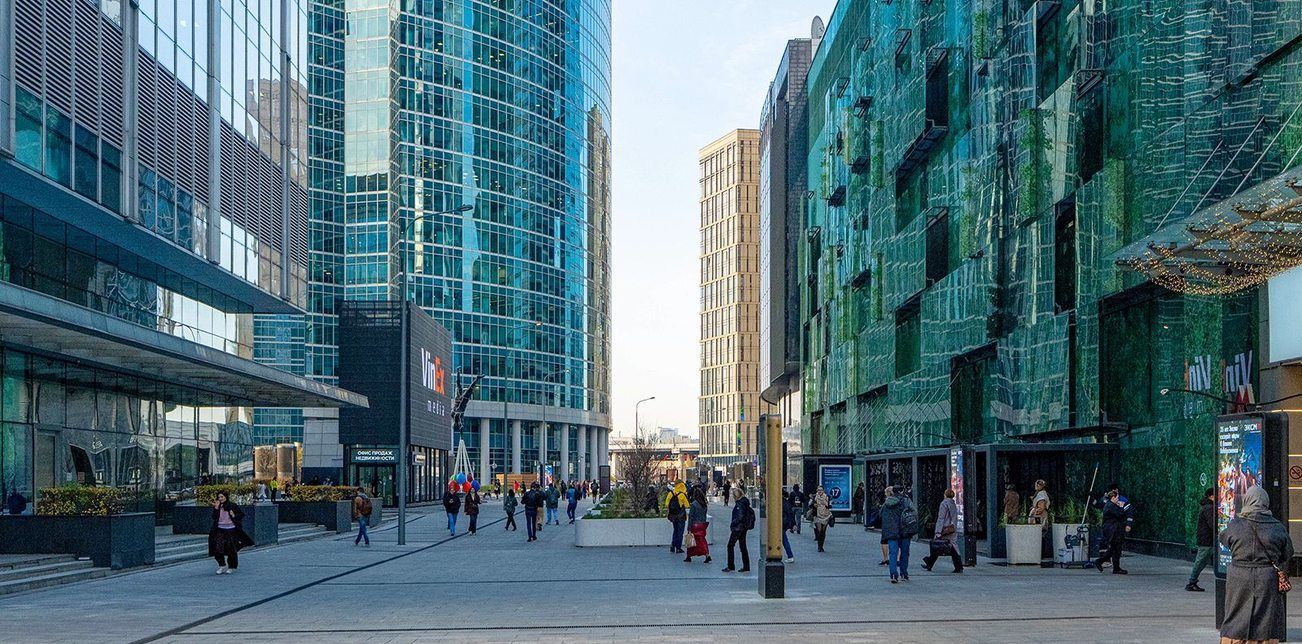
The main work on the first phase of the Moscow City improvement project has been completed. Three pedestrian zones have been created in the business district, recreational areas have been added, and the infrastructure has been upgraded for those who walk to the towers. The results were announced on October 29 by the Moscow Mayor and Government portal.
The work, which we first reported on in May, focused on everyday routes between subway stations, the shopping center, and office buildings. Among the changes are wider sidewalks, shelters for waiting for public transportation, and standardized signage.
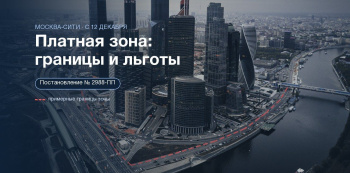
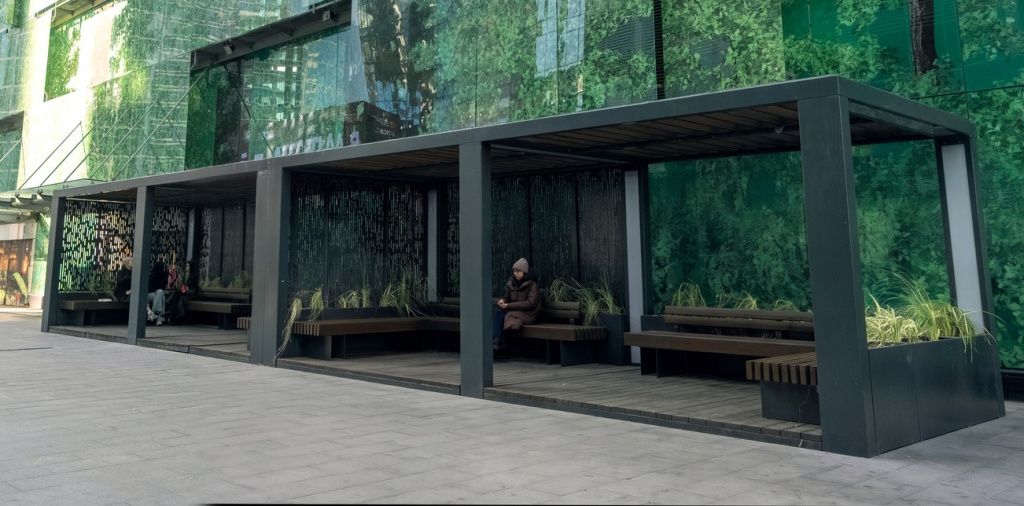
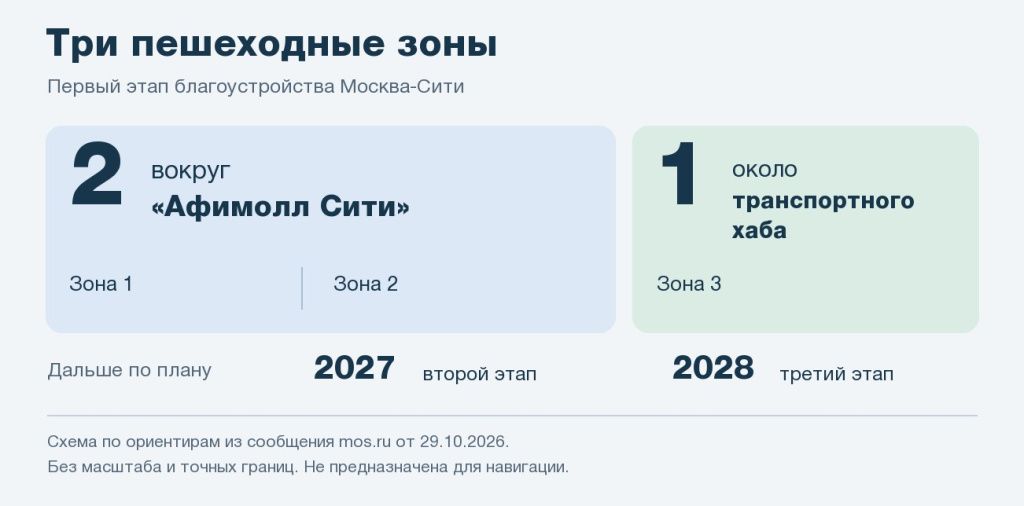
Two pedestrian zones are located around “Afimoll City,” and another is near the “Moscow City” transportation hub. Benches, small architectural features, and weather shelters have been installed here. For visitors to the shopping center and employees of the neighboring towers, these are additional places where they can sit down or wait for someone on the street.
Landscaping was the final phase of the project: flowers and more than 180 deciduous and coniferous plants were planted on the grounds. Both trees and shrubs were used in the landscaping, and the new plantings complemented the additional recreational areas between the buildings.
According to Moscow Deputy Mayor Maxim Liksutov, the first phase covered half of the business complex’s territory. The wishes of city residents were taken into account when planning the changes.
In addition to recreational areas, the neighborhood’s asphalt was repaved, sidewalks were widened, and additional crosswalks were installed. Existing crosswalks were refurbished, a new traffic light was installed, and existing ones were renovated.
Where Rest Areas Have Been Added
What Has Changed Along the Path to the Towers
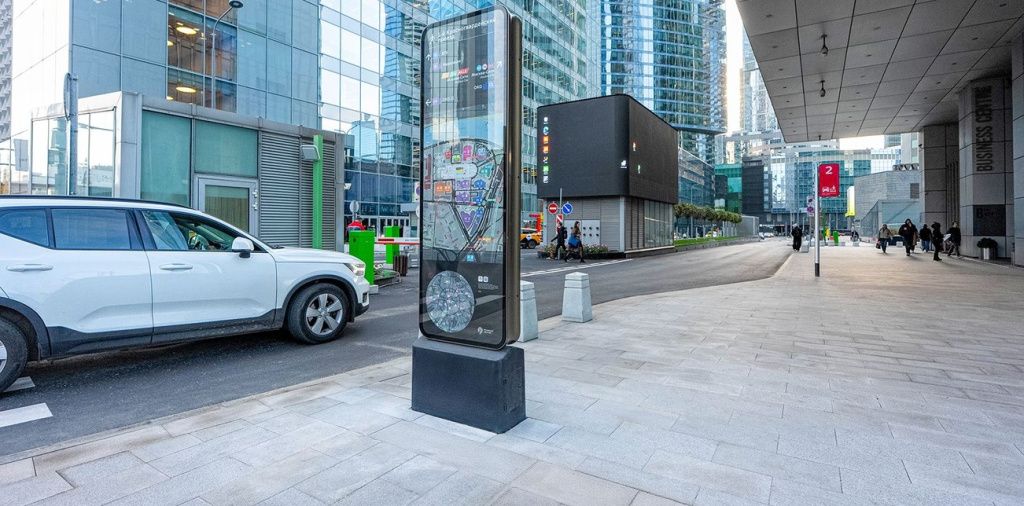
Waiting areas with pavilions and canopies have been created for passengers, and parking areas have been set up for personal mobility devices and delivery robots. These changes complement the development of the transportation hub, including the opening of the northern entrance hall of the Moskva-City MCD-1 station.
Two more outcomes of the first phase are a unified navigation system and a doubling of the number of lighting fixtures. Signage helps people find the right tower: for someone visiting City for the first time, this is just as helpful as the updated flooring.
When Will the Improvements Continue?
The second phase is scheduled for 2027, and the third for 2028. Thus, this report summarizes the main work completed in the first phase. The renovation of the entire Moscow City area will continue over the next two years.
Photos: Press Office of the Moscow City Department of Transportation and Road Infrastructure Development / mos.ru. Used under CC BY 4.0; cropped, resized, and compressed.